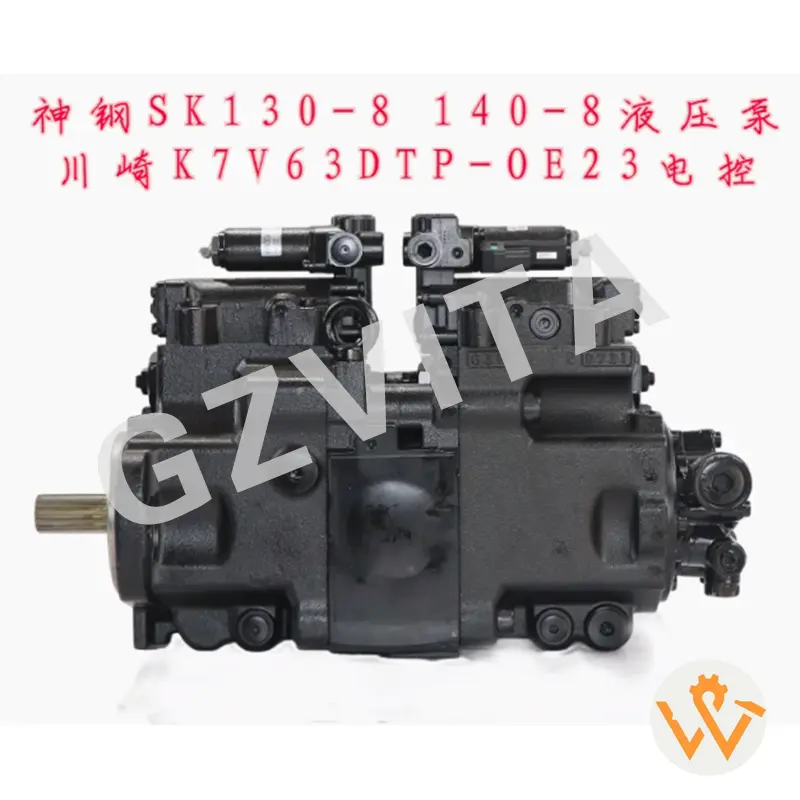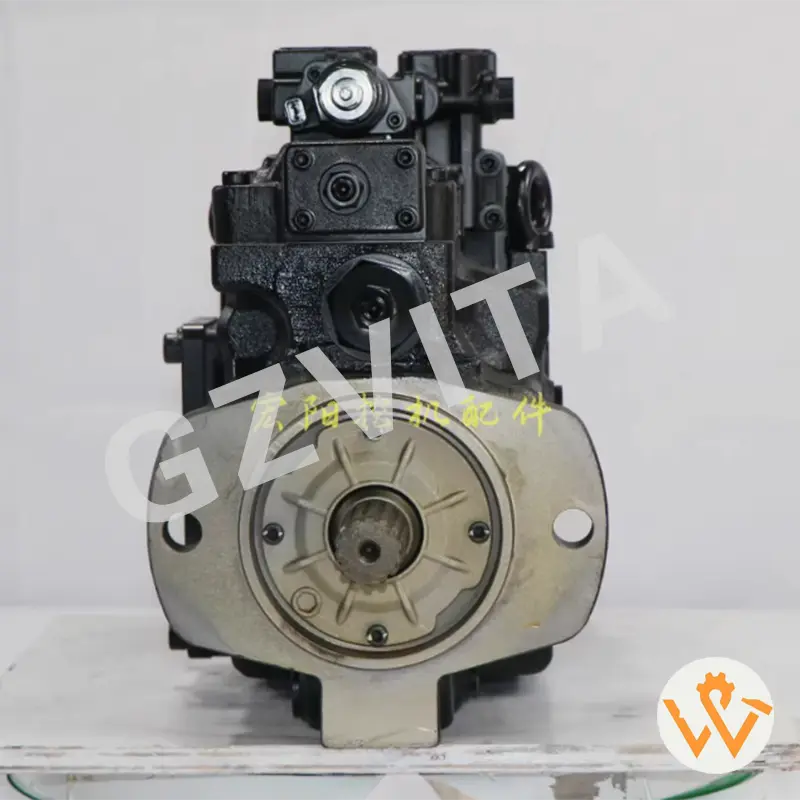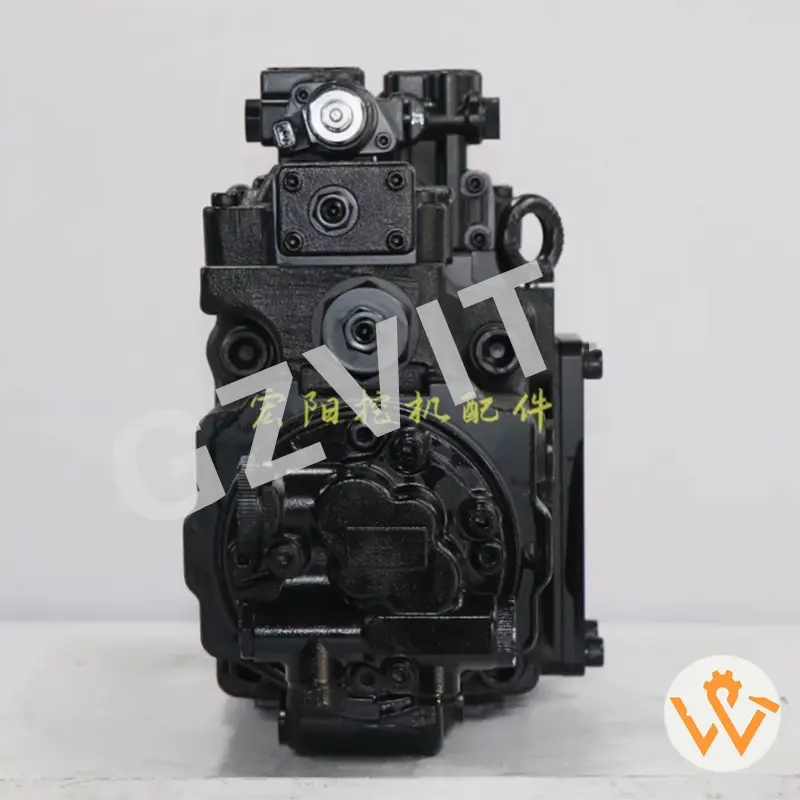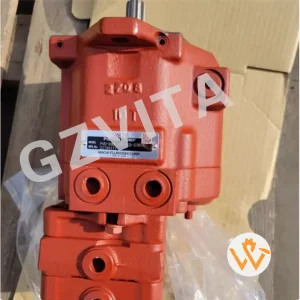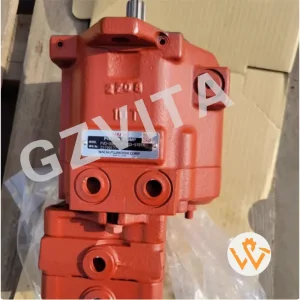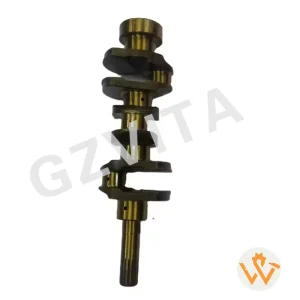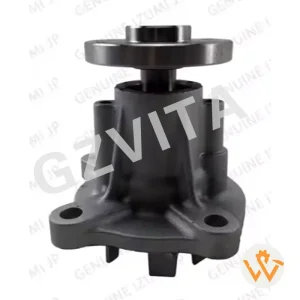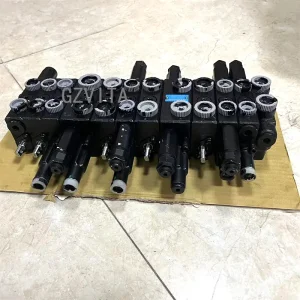
High-Quality K7V63DTP HYDRAULIC MAIN PUMP With PTO SK130-11 SK130SR+-7 SK130UR-5 SK130SR+-5 SK135SRLC-5 SK130UR-3 Hydraulic pump YY10V00028F1 YY10V00028F2 Supplier, Suppliers

1.Product name:Hydraulic pump

2.Pump number:K7V63DTP

3.Compatible for:SK130 SK135

4.Leading time:1-3 days

5.Packing way:Wooden Case

Product Description

Notice for Installing the Main Pump on an Excavator

Installing the main hydraulic pump on an excavator is a critical task that requires careful attention to detail to ensure proper operation and longevity of the hydraulic system. Below is a comprehensive notice outlining the key steps and considerations for installing the main pump.

Safety Precautions
  • Personal Protective Equipment (PPE): Always wear appropriate safety gear, including gloves, goggles, and a hard hat.
  • Disconnect Power: Before starting the installation, ensure that the excavator is turned off, the battery is disconnected, and the hydraulic system is depressurized to prevent accidental operation.
Tools and Materials Needed
  • New main hydraulic pump
  • Gaskets or O-rings (if applicable)
  • Hydraulic fluid
  • Wrenches and sockets
  • Torque wrench
  • Screwdrivers
  • Clean rags
  • Inspection mirror (optional)
  • Safety gear

Installation Steps

1 Preparation

Read the Manual: Review the excavator's service manual for specific instructions related to the main pump installation, including torque specifications and any special procedures.
Gather Tools and Parts: Ensure you have all necessary tools and replacement parts ready before starting the installation.

2 Remove the Old Pump (if applicable)

Drain Hydraulic Fluid: If necessary, drain the hydraulic fluid from the system to prevent spills during the removal process.
Disconnect Hoses and Lines: Carefully disconnect hydraulic hoses and lines from the old pump. Use appropriate tools to avoid damaging fittings.
Remove Mounting Bolts: Use a wrench to remove the mounting bolts securing the old pump to the engine or hydraulic system. Carefully lift the old pump out of its mounting position.

3 Inspect the Installation Area

Clean the Mounting Surface: Thoroughly clean the mounting surface where the new pump will be installed. Remove any old gasket material or debris to ensure a proper seal.
Check for Damage: Inspect the surrounding components for any signs of wear or damage that may need to be addressed before installing the new pump.

4 Install the New Pump

Position the New Pump: Carefully position the new main hydraulic pump in place, aligning it with the mounting holes.
Install Gaskets or O-rings: If applicable, install new gaskets or O-rings to ensure a proper seal between the pump and the mounting surface.
Secure the Pump: Insert and hand-tighten the mounting bolts. Use a torque wrench to tighten the bolts to the manufacturer's specified torque settings, ensuring even pressure across the pump.

5 Reconnect Hydraulic Hoses and Lines

Attach Hoses: Reconnect the hydraulic hoses and lines to the new pump, ensuring that they are properly secured and free of leaks.
Check for Proper Routing: Ensure that hoses are routed correctly to avoid kinks or damage during operation.

6 Fill Hydraulic Fluid

Refill the System: If hydraulic fluid was drained, refill the hydraulic system with the appropriate type and amount of hydraulic fluid as specified in the service manual.
Check for Leaks: Before starting the excavator, inspect all connections for leaks.
Product Display

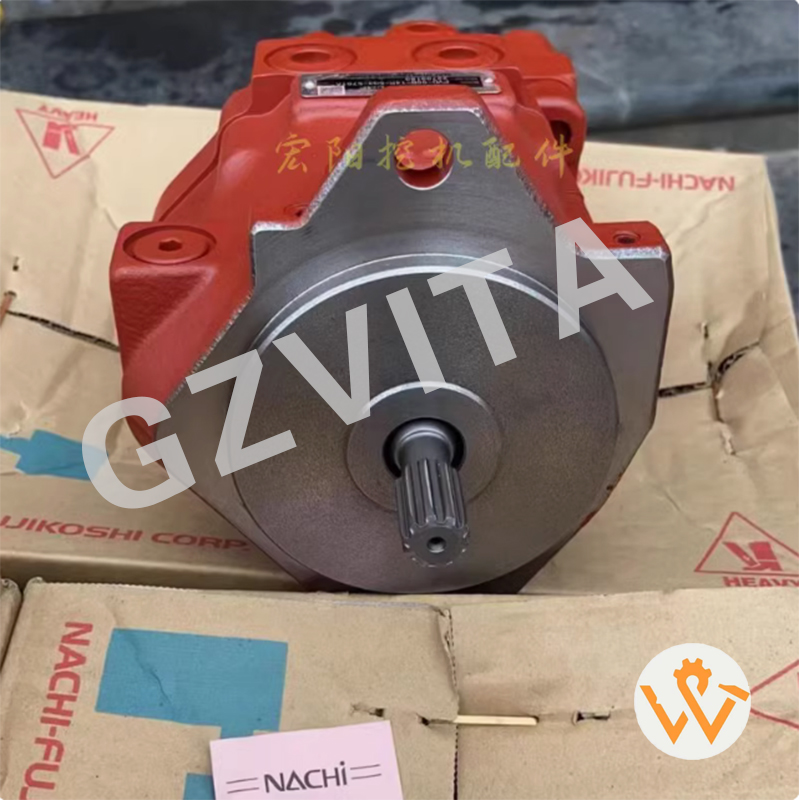
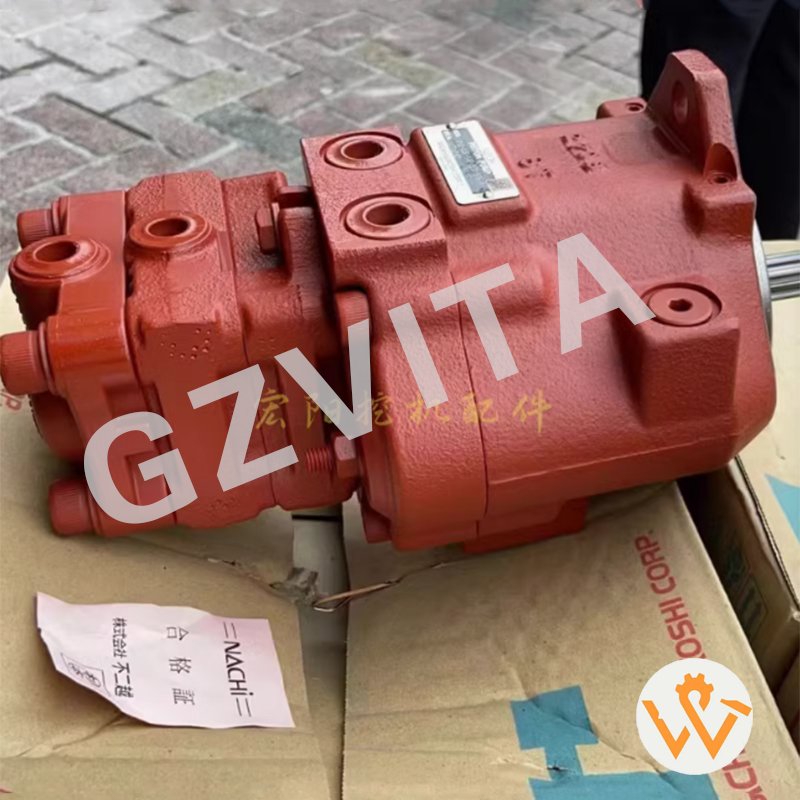
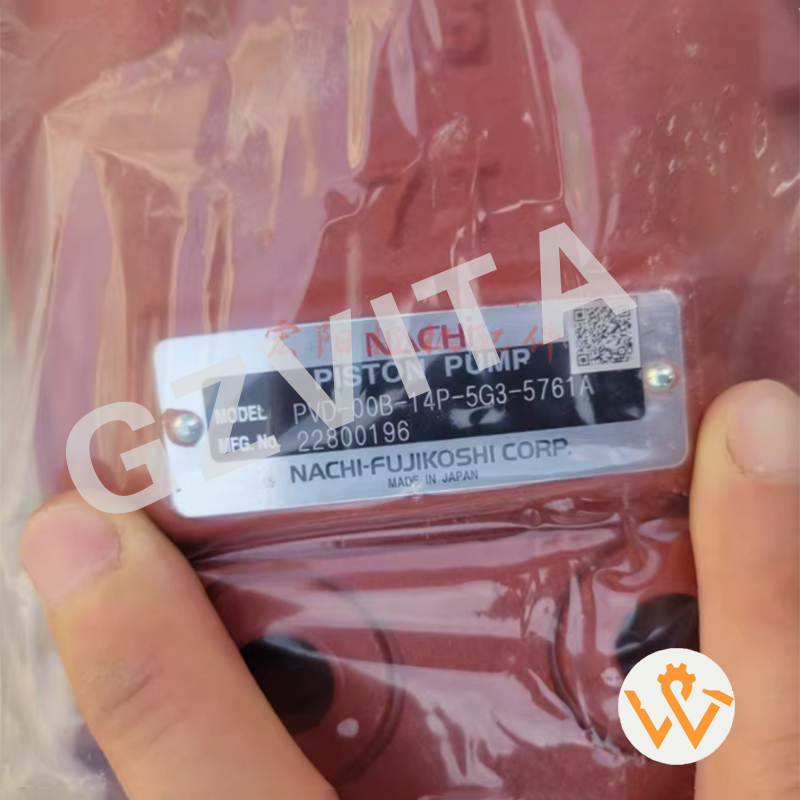
PVD-00B-14P Main Pump For Kubota Excavator U15 U17 Hydraulic pump

PVD-00B-14P Main Pump For Kubota Excavator U15 U17 Hydraulic pump

PVD-00B-14P Main Pump For Kubota Excavator U15 U17 Hydraulic pump (01)

PVD-00B-14P Main Pump For Kubota Excavator U15 U17 Hydraulic pump (01)

PVD-00B-14P Main Pump For Kubota Excavator U15 U17 Hydraulic pump (02)

PVD-00B-14P Main Pump For Kubota Excavator U15 U17 Hydraulic pump (02)

Frequently Asked Questions

What safety steps must I take before starting the installation?

Ensure the excavator is completely turned off, the battery is disconnected, and the hydraulic system is fully depressurized. Always wear proper personal protective equipment (PPE) such as safety gloves, protective goggles, and a hard hat.

Is it necessary to use a torque wrench when installing the mounting bolts?

Yes, it is highly recommended to use a torque wrench to tighten the mounting bolts to the manufacturer's specified torque settings. This ensures even pressure is distributed across the pump housing, preventing leaks and stress-related damage.

Why do I need to inspect and clean the mounting surface?

Cleaning the mounting surface removes debris, rust, and old gasket remnants. A clean surface is necessary to guarantee that the new gaskets or O-rings seal correctly, preventing hydraulic fluid leakage during operation.

What should I look out for when reconnecting hydraulic hoses?

When reconnecting the hoses, ensure they are securely fitted to avoid leaks and routed correctly. Proper hose routing prevents any potential kinks, twists, or surface rubbing that could cause line failure during operation.

How do I verify the system is ready after refilling the hydraulic fluid?

Refill the system with the exact type and amount of hydraulic fluid specified in the service manual. Before starting the excavator, perform a visual check on all connections and hoses to ensure there are no active fluid leaks.

Related Products