 Vita Construction




1 / 5
The Common Rail Valve Assembly is a critical component in modern excavators equipped with diesel engines that utilize common rail fuel injection systems. This technology enhances engine performance, fuel efficiency, and emissions control, making it an essential part of contemporary excavator design. Here’s an overview of the Common Rail Valve Assembly and its significance in excavators.
The Common Rail Valve Assembly is part of the common rail fuel injection system, which allows for precise control of fuel delivery to the engine’s cylinders. In this system, fuel is stored at high pressure in a common rail and is injected into the combustion chamber through electronically controlled injectors. The valve assembly plays a crucial role in regulating fuel flow and pressure within the system.
The common rail system allows for multiple injections of fuel during each combustion cycle, optimizing the air-fuel mixture. This leads to improved combustion efficiency and reduced fuel consumption, which is particularly important for heavy machinery like excavators that operate under varying loads.
By providing precise control over fuel injection timing and quantity, the Common Rail Valve Assembly helps enhance engine power and responsiveness. This results in better overall performance, allowing excavators to handle demanding tasks more effectively.
The common rail system contributes to lower emissions by ensuring more complete combustion of fuel. This is crucial for meeting stringent environmental regulations and reducing the ecological impact of excavators operating in urban and sensitive areas.
The ability to control fuel injection with high precision leads to smoother engine operation, reducing vibrations and noise. This not only improves operator comfort but also enhances the longevity of the engine and associated components.
The Common Rail Valve Assembly allows the engine to adapt to different operating conditions, such as changes in load or speed. This adaptability is essential for excavators that frequently switch between tasks and environments.
Modern common rail systems often come with advanced diagnostic capabilities, allowing for easier monitoring of fuel system performance. This can help identify issues early, reducing downtime and maintenance costs.
The Common Rail Valve Assembly works in conjunction with the excavator’s ECU, which manages various engine functions. This integration allows for real-time adjustments based on operating conditions, further optimizing performance and efficiency.

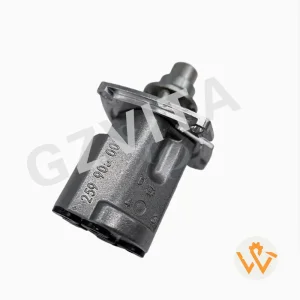
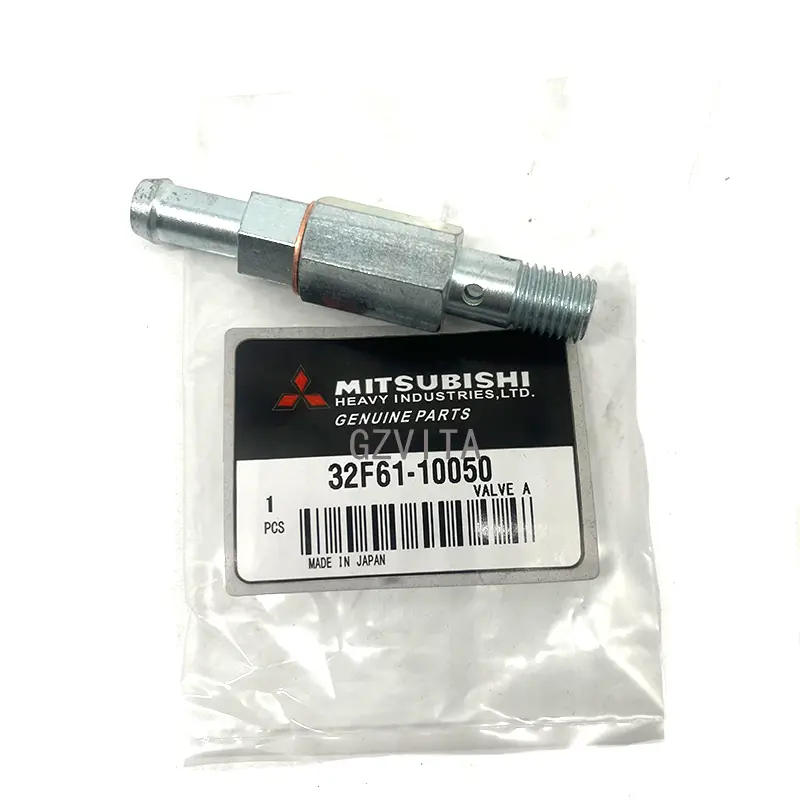
Common Rail Valve Assembly
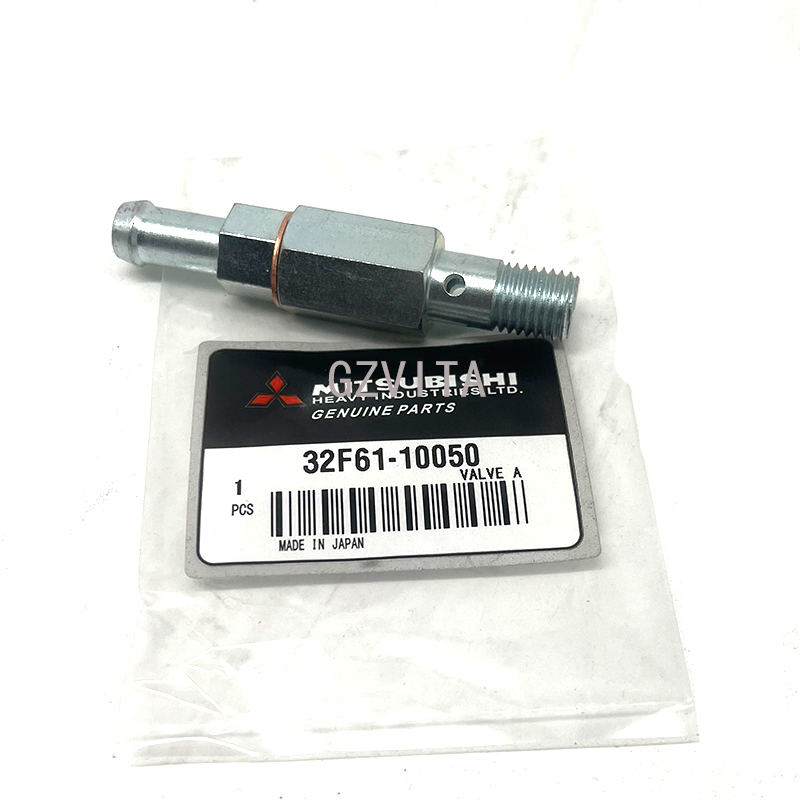
Common Rail Valve Assembly 2

Common Rail Valve Assembly 3
It regulates the flow and pressure of fuel stored under high pressure in the common rail, enabling precise control of fuel injection into the engine cylinders.
By allowing multiple, precisely timed fuel injections during each combustion cycle, the system optimizes the air-fuel mixture, resulting in more complete combustion and reduced fuel consumption.
Yes. The precise regulation of fuel delivery ensures efficient combustion, which significantly lowers exhaust emissions to meet strict environmental standards.
The ECU processes real-time engine data and adjusts the valve assembly dynamically, ensuring optimal performance and efficiency under varying loads and environments.
Yes, issues with the valve assembly can lead to poor fuel pressure regulation, resulting in rough engine operation, reduced power, higher emissions, and increased fuel usage.