 Vita Construction
1 / 3
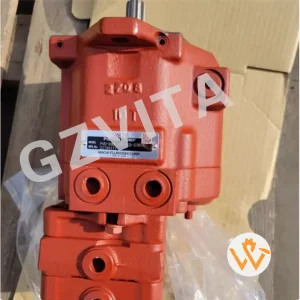
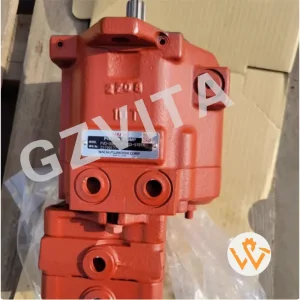
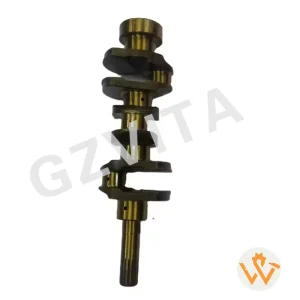
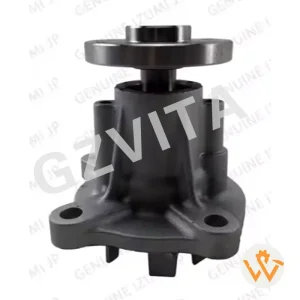
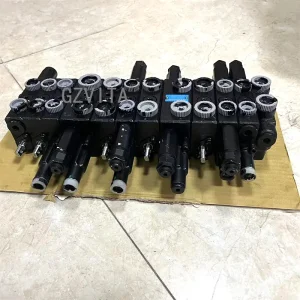
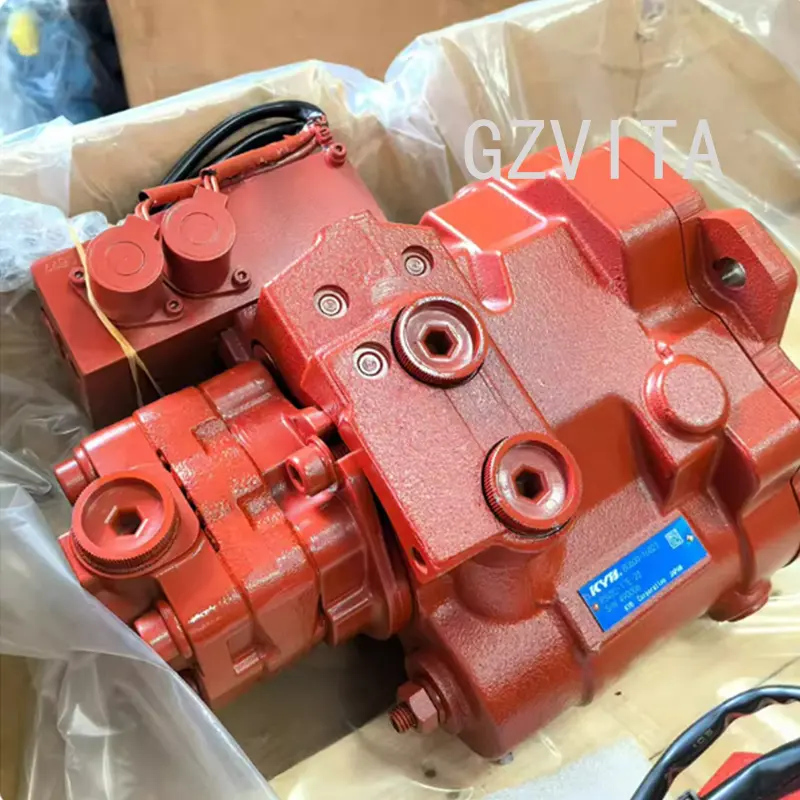
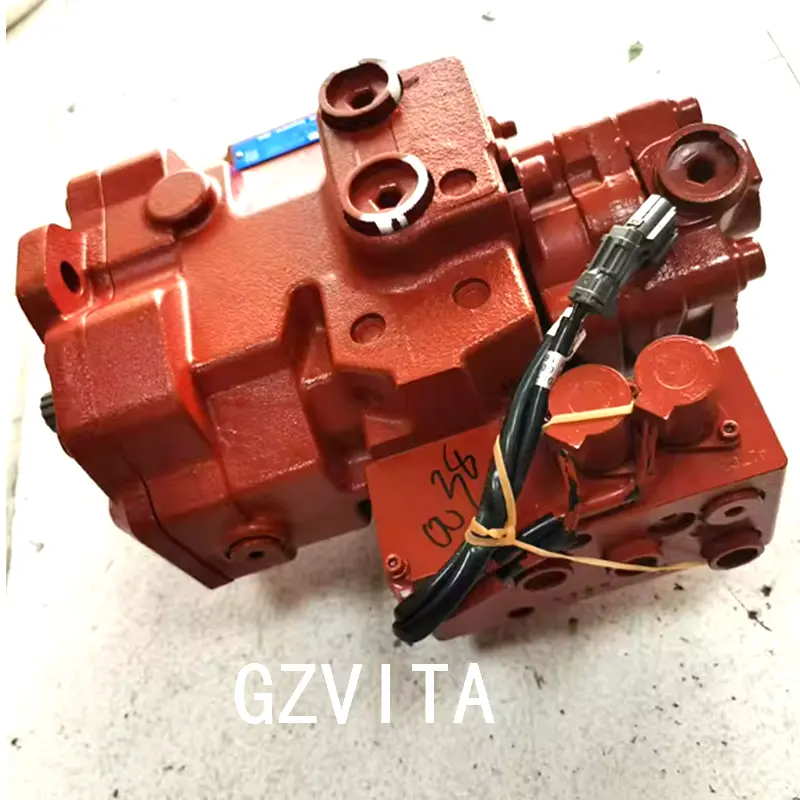
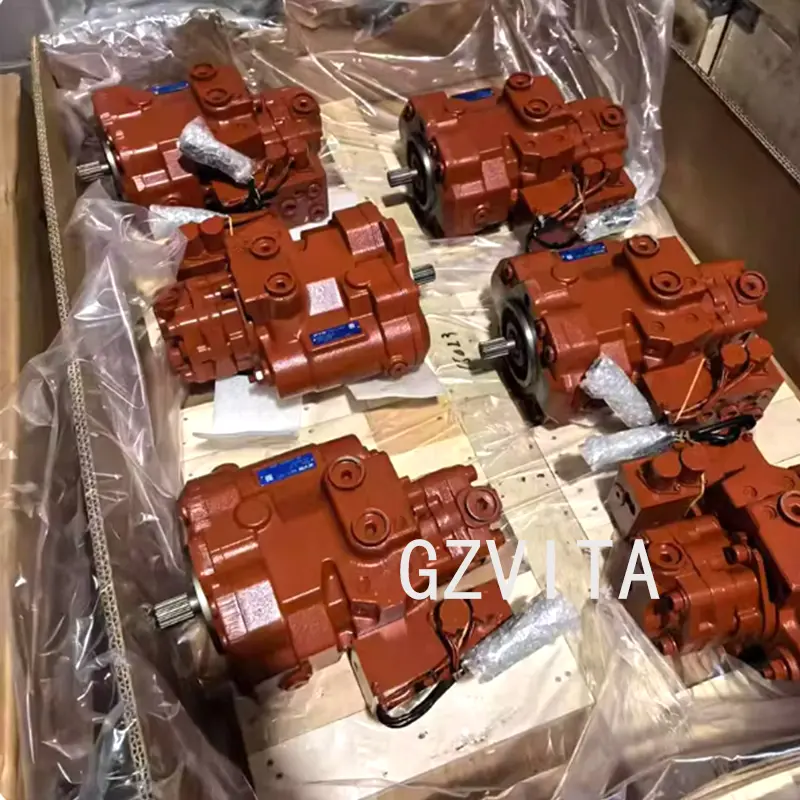
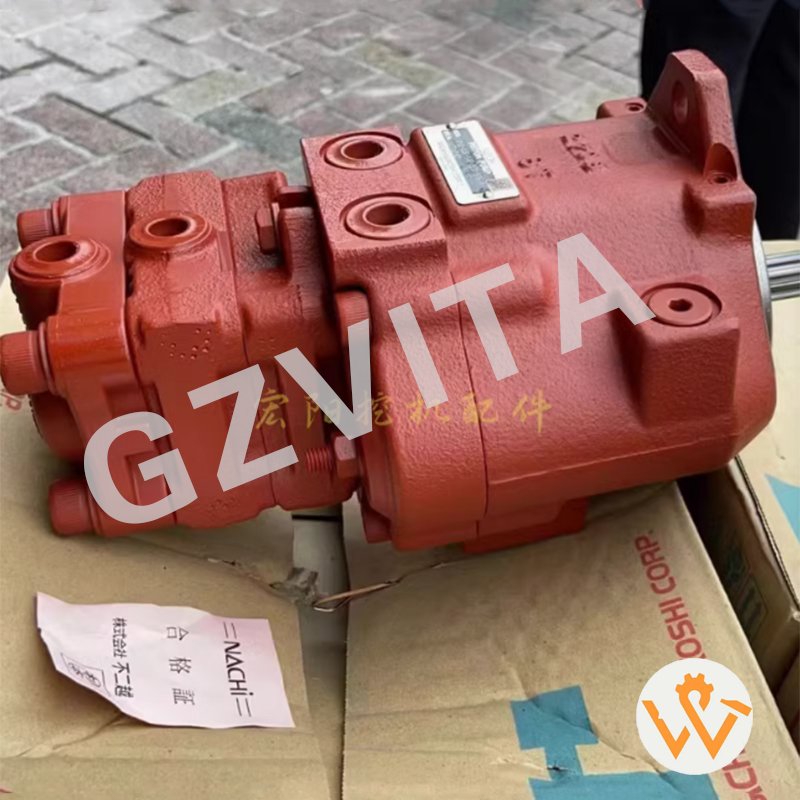
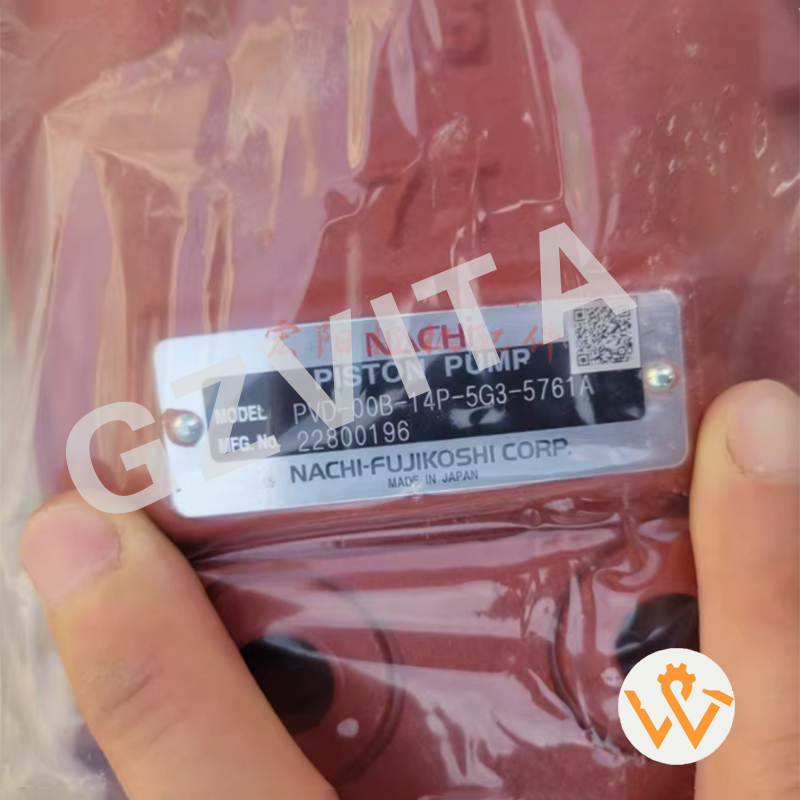
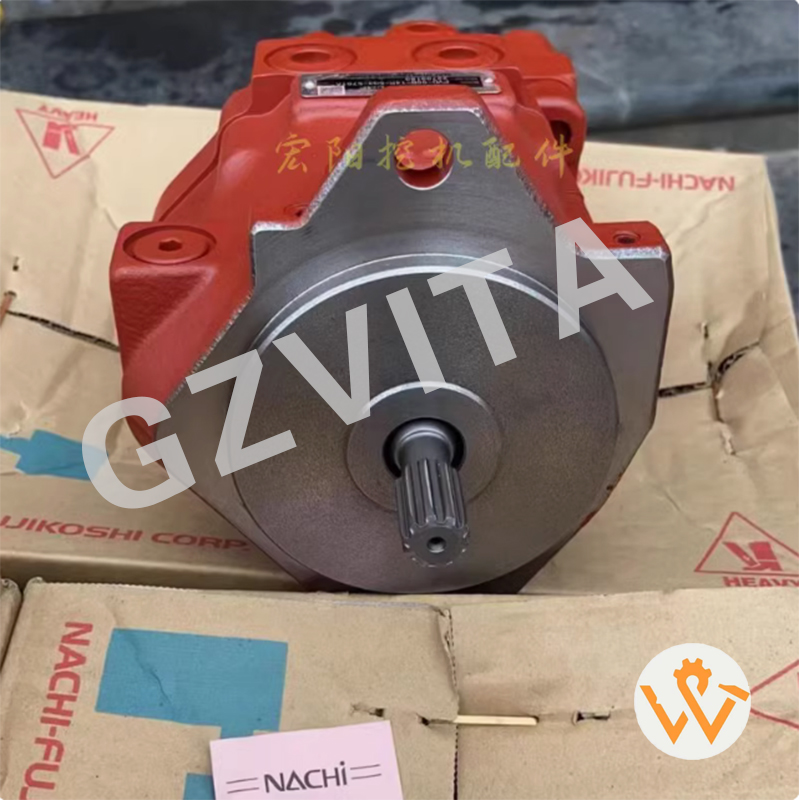
Installing the main hydraulic pump on an excavator is a critical task that requires careful attention to detail to ensure proper operation and longevity of the hydraulic system. Below is a comprehensive notice outlining the key steps and considerations for installing the main pump.
Drain Hydraulic Fluid: If necessary, drain the hydraulic fluid from the system to prevent spills during the removal process.
Disconnect Hoses and Lines: Carefully disconnect hydraulic hoses and lines from the old pump. Use appropriate tools to avoid damaging fittings.
Remove Mounting Bolts: Use a wrench to remove the mounting bolts securing the old pump to the engine or hydraulic system. Carefully lift the old pump out of its mounting position.
Clean the Mounting Surface: Thoroughly clean the mounting surface where the new pump will be installed. Remove any old gasket material or debris to ensure a proper seal.
Check for Damage: Inspect the surrounding components for any signs of wear or damage that may need to be addressed before installing the new pump.
Position the New Pump: Carefully position the new main hydraulic pump in place, aligning it with the mounting holes.
Install Gaskets or O-rings: If applicable, install new gaskets or O-rings to ensure a proper seal between the pump and the mounting surface.
Secure the Pump: Insert and hand-tighten the mounting bolts. Use a torque wrench to tighten the bolts to the manufacturer's specified torque settings, ensuring even pressure across the pump.
Attach Hoses: Reconnect the hydraulic hoses and lines to the new pump, ensuring that they are properly secured and free of leaks.
Check for Proper Routing: Ensure that hoses are routed correctly to avoid kinks or damage during operation.
Refill the System: If hydraulic fluid was drained, refill the hydraulic system with the appropriate type and amount of hydraulic fluid as specified in the service manual.
Check for Leaks: Before starting the excavator, inspect all connections for leaks.
Common symptoms include a noticeable drop in hydraulic power, slower operation speeds, unusual whining or knocking sounds coming from the pump unit, excessive fluid temperatures, and signs of visible metal shavings inside the hydraulic filters.
Failing to bleed air from the pump housing can lead to dry startup and immediate cavitation. Cavitation causes severe damage to the internal pistons, cylinder block, and valve plate within the first few seconds of operation, potentially ruining the new pump.
Yes, it is highly recommended to drain the old fluid, flush the system if contaminants are present, and replace all hydraulic filters. Contaminated oil is one of the leading causes of premature failure in newly installed hydraulic pumps.
Applying the correct torque to the mounting bolts prevents housing distortion and maintains proper alignment between the pump shaft and the engine drive gear. Over-tightening can crack the mounting flange, while under-tightening can cause fluid leaks and vibrational wear.
The correct hydraulic fluid depends on the excavator model and operating climate, typically standard ISO VG 46 or VG 68. Always check the machine's service manual to ensure compatibility with local ambient temperatures and system pressure demands.