 Vita Construction
1 / 4
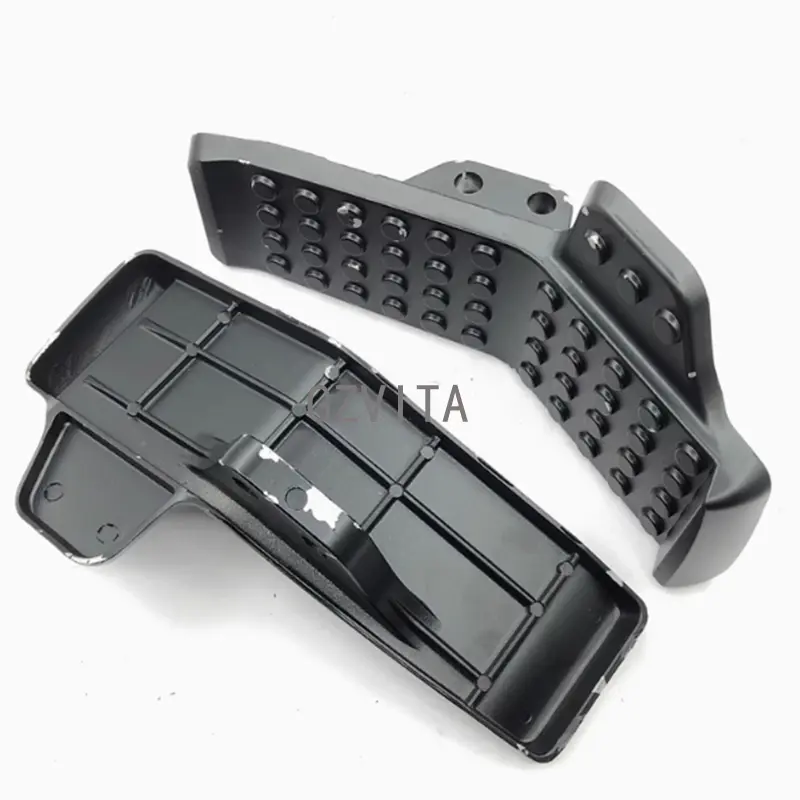
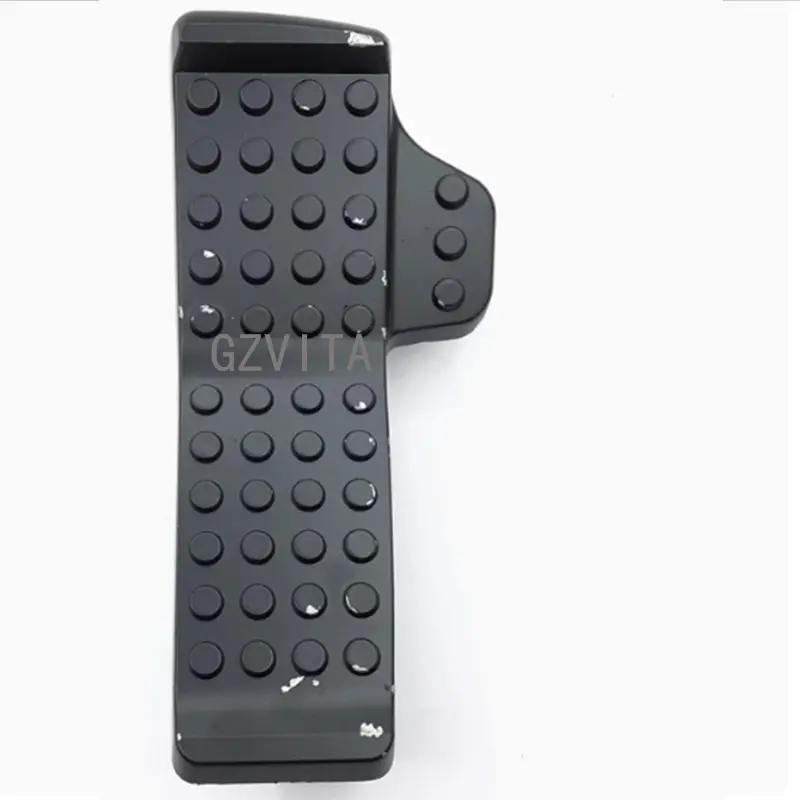
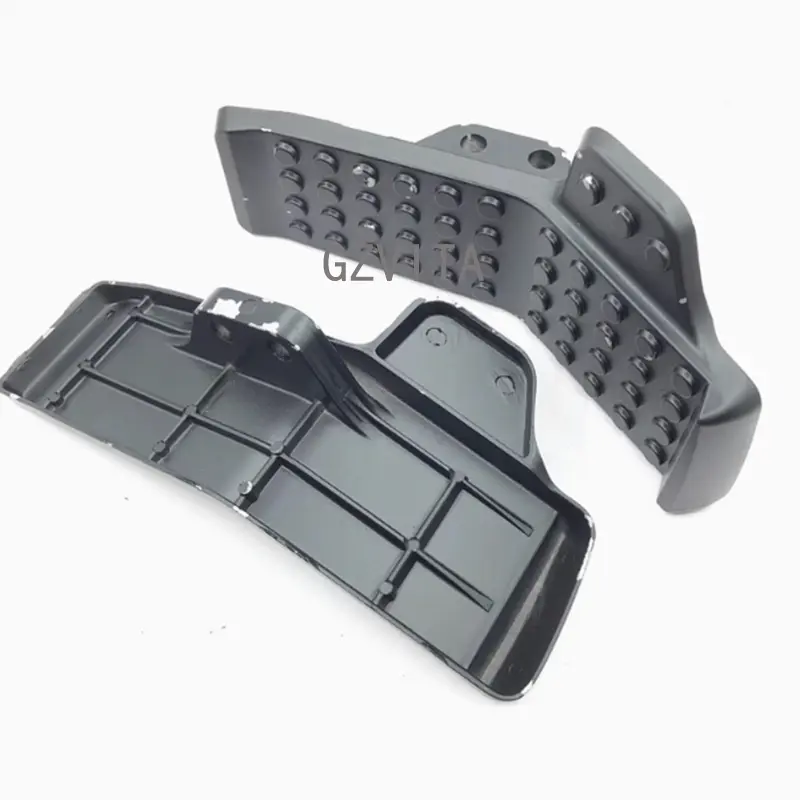
The material of a foot pedal can vary depending on its intended use and design. Common materials include:
Lightweight and often used in electronic devices or simple foot pedals.
Provides durability and stability, often used in professional equipment like musical instruments or industrial machines.
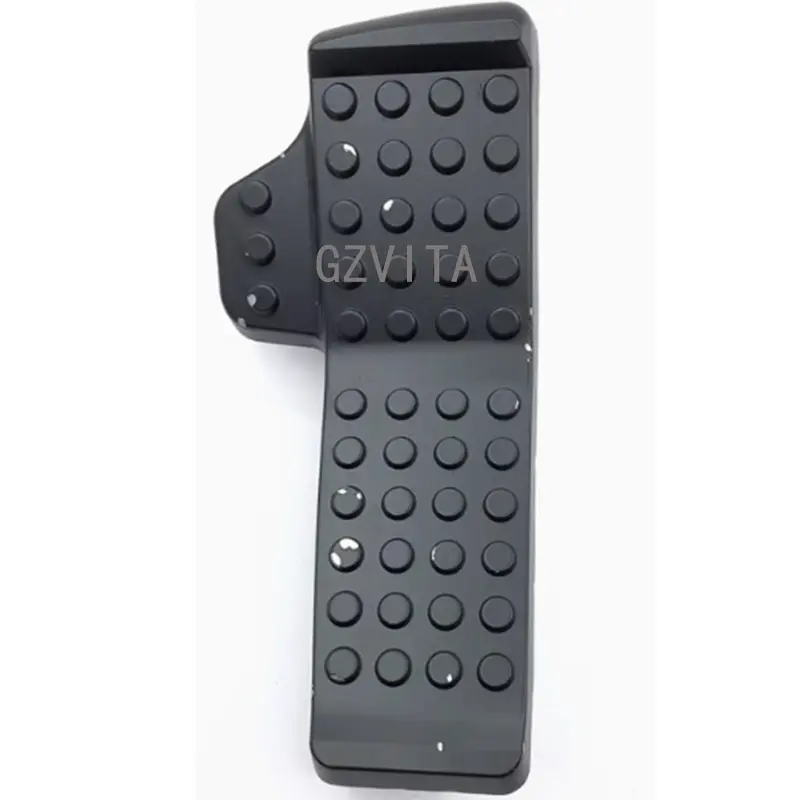
Used for grip and cushioning, often found in pedals that require a non-slip surface.
These can combine various materials for enhanced strength and reduced weight.
If you have a specific type of foot pedal in mind (e.g., for a musical instrument, sewing machine, or industrial equipment), please provide more details for a more tailored response.
The ease of installing a foot pedal can depend on several factors, including the type of foot pedal, the device it is being connected to, and the user's familiarity with the installation process. Here are some general considerations:
Foot pedals are commonly made from plastic, metal, rubber, and composite materials. The choice of material depends on whether the pedal is intended for lightweight electronics, industrial machines, or musical instruments.
Rubber is integrated into foot pedals to provide cushioning and a non-slip grip, ensuring safety and stability for users during operations.
Installation difficulty varies. Plug-and-play foot pedals are highly straightforward, while advanced models might require software configuration or complex cabling.
A compatible foot pedal connects smoothly to its target device. If compatibility is not checked beforehand, you may face installation delays and require extra adapters.
Not necessarily. While experienced users will find the process quick, beginners can successfully complete the setup by carefully following the provided manufacturer instructions.