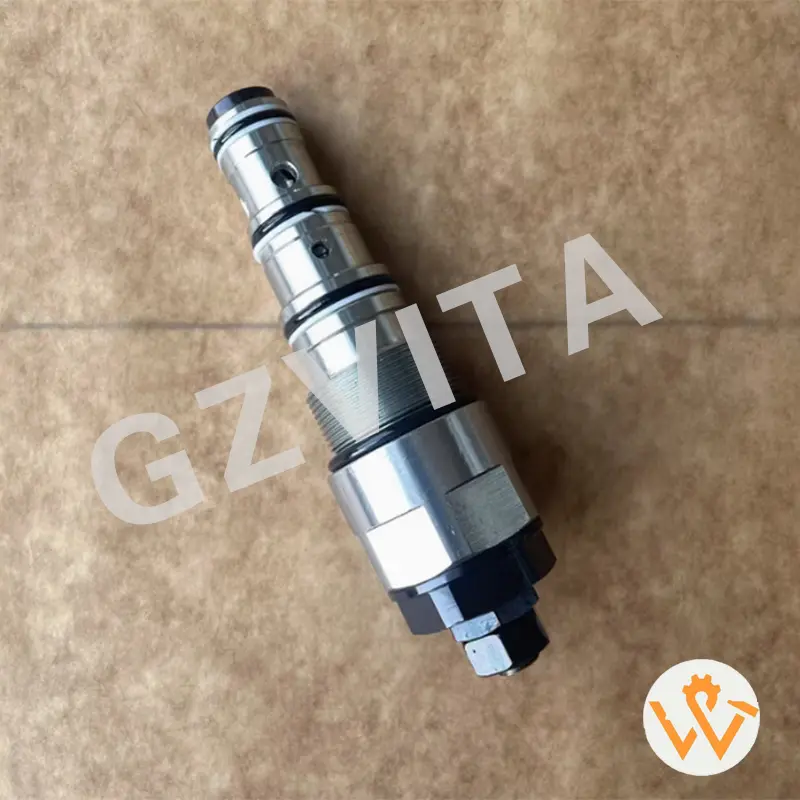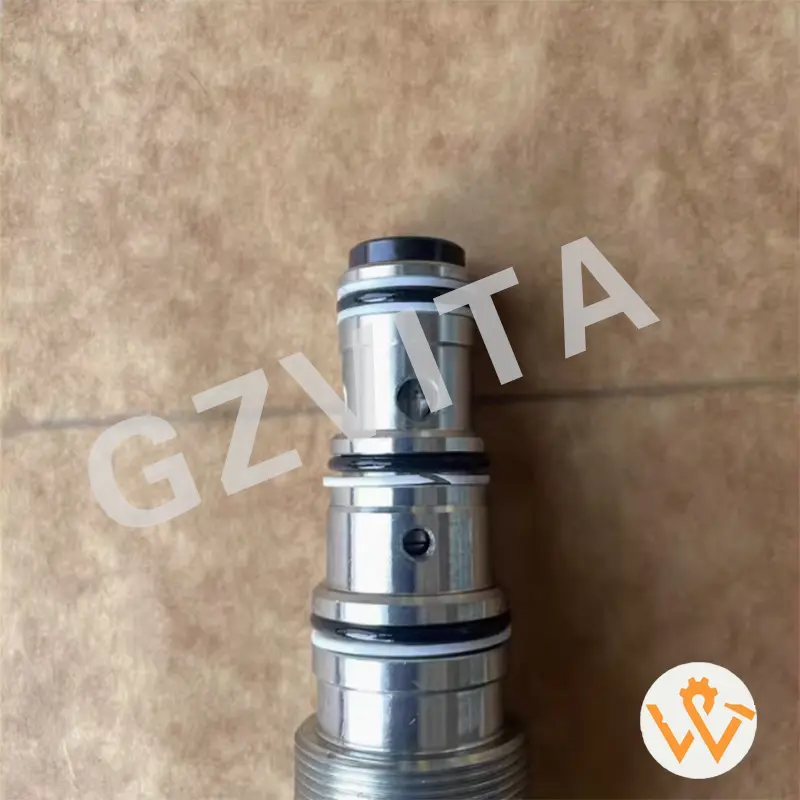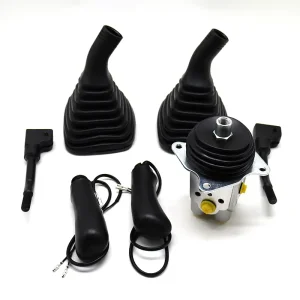
Custom PC200-7 Unloading Valve for PC200-7/-8 PC220-7 PC400-7 723-40-57100 723-40-57200 723-40-56900 Factories, Product

Maximum pressure limitation – Prevents system pressure from exceeding safe levels.

Hydraulic system protection – Protects pumps, valves, and cylinders from overpressure damage.

Pressure relief function – Diverts excess pump flow to tank when pressure reaches set point.

Load holding safety – Maintains pressure in cylinders when controls are in neutral.

Thermal management – Relieves pressure to reduce heat generation during stalling.

Shock absorption – Cushions pressure spikes from sudden load changes.

Pump unloading – Allows pump flow to return to tank at low pressure when not needed.

Energy conservation – Reduces power loss and fuel consumption by unloading the pump.

Stall prevention – Prevents engine stalling by relieving pressure at maximum setting.

Cylinder and hose protection – Prevents bursting of hoses and seals.

Stable operation – Maintains consistent system pressure for smooth machine control.

Emergency pressure release – Provides a safe pressure release path in fault conditions.

Boom and arm safety – Holds boom and arm in position without drifting.

Swing brake engagement – Maintains pressure for swing parking brake application.

Travel motor protection – Prevents overpressure in travel circuits.

Implement circuit security – Safeguards attachment hydraulic circuits.

Pilot system pressure regulation – May regulate pressure for pilot control circuits.

Sequence valve function – In some systems, directs flow based on pressure.

System pressure calibration point – Used to set and verify main system pressure.

Noise reduction – Reduces hydraulic noise by preventing excessive pressure.

Cavitation prevention – Maintains sufficient back pressure to avoid vacuum conditions.

Leakage compensation – Compensates for internal leakage in cylinders and valves.

Load sensing system integration – Works with load sensing pumps to control flow.

Multi-function valve operation – May have multiple relief settings for different functions.

Thermal relief capability – Opens at lower pressure if oil temperature is too high.

Anti-shock valve coordination – Works with anti-shock valves to dampen shocks.

Electric override capability – Some models have solenoid-controlled unloading.

Manual override provision – For emergency operation or testing.

Pressure adjustment capability – Can be adjusted to match different working conditions.

System diagnostics indicator – Abnormal pressure readings can indicate other system faults

Product Description

The striker door lock is a critical component in the safety and security systems of excavators and other construction machinery. It plays a vital role in ensuring that the operator's cabin is secure and that the doors function properly. Here's an overview of the striker door lock, its functions, components, and importance in excavator operations.

1. Function of the Striker Door Lock

Security

The primary function of the striker door lock is to secure the operator's cabin, preventing unauthorized access and protecting the equipment from theft or vandalism.

Safety

A properly functioning door lock ensures that the doors remain closed during operation, preventing accidents caused by doors swinging open while the machine is in use.

Ease of Use

The striker door lock allows for easy opening and closing of the doors, facilitating quick access for the operator when entering or exiting the cabin.

2. Components of the Striker Door Lock

Striker Plate

This is the metal plate mounted on the door frame that the lock engages with when the door is closed. It provides a solid point for the lock to secure the door.

Lock Mechanism

This includes the latch or bolt that engages with the striker plate to keep the door closed. It can be operated manually or electronically, depending on the design.

Handle

The handle allows the operator to easily open and close the door. It may be equipped with a locking mechanism for added security.

Mounting Hardware

Various screws, bolts, and brackets are used to secure the striker plate and lock mechanism to the door and frame.

3. Importance of the Striker Door Lock

Operator Safety

Ensuring that the doors are securely locked during operation is crucial for the safety of the operator. It prevents accidental openings that could lead to falls or injuries.

Equipment Protection

A secure cabin helps protect the machinery from theft, damage, and environmental factors, which can lead to costly repairs and downtime.

Compliance with Regulations

Many safety regulations require that construction machinery have secure cabins. A functioning striker door lock helps ensure compliance with these regulations.

Enhanced Resale Value

Well-maintained safety features, including door locks, can enhance the resale value of the excavator, as potential buyers often look for equipment that is secure and in good condition.

Frequently Asked Questions

Q1. What is the primary function of an excavator's striker door lock?

The main function is to keep the operator's cabin securely closed and locked. This prevents unauthorized entry, protects the interior controls from theft or environmental damage, and ensures the door stays locked shut during operations.

Q2. How does the door lock contribute to operator safety?

It prevents the cabin doors from accidentally swinging open due to machine vibrations, rough terrain, or sudden movements. This keeps the operator safely inside and avoids falls or injuries.

Q3. What are the key components of the striker door lock system?

The system consists of the striker plate (mounted on the frame), the locking mechanism (latch/bolt), the outer/inner handle for access control, and the heavy-duty mounting hardware that secures all parts together.

Q4. Can a broken striker door lock affect safety compliance?

Yes, many regional construction and safety regulations mandate fully operational cabins and safety locks. A malfunctioning lock can lead to safety violations and potential operational downtime during audits.

Q5. Does upgrading or repairing the door lock help with resale value?

Absolutely. Buyers inspect safety features first. A fully functional cabin locking mechanism indicates the excavator has been well maintained, directly boosting its resale and market value.
Related Products