 Vita Construction
1 / 3
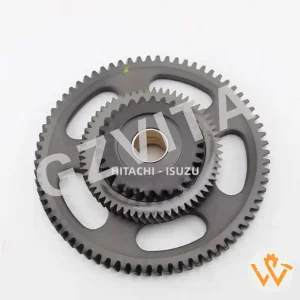
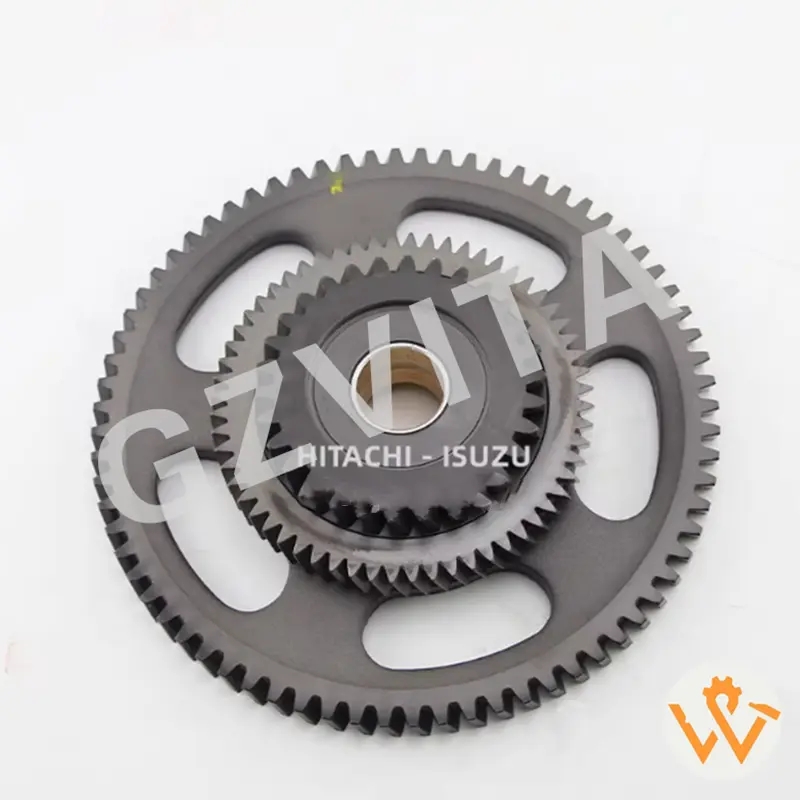
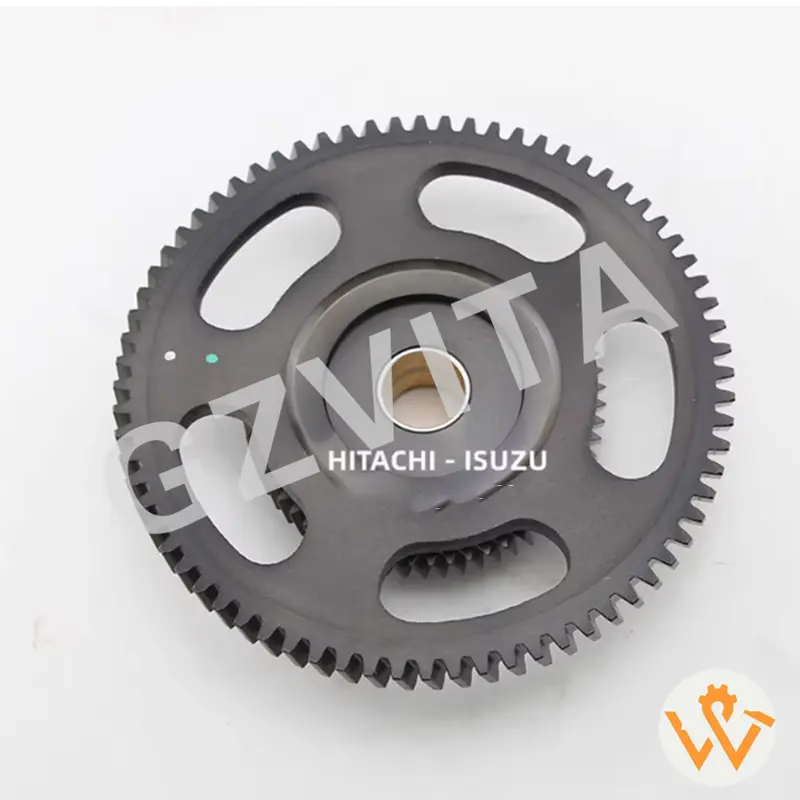
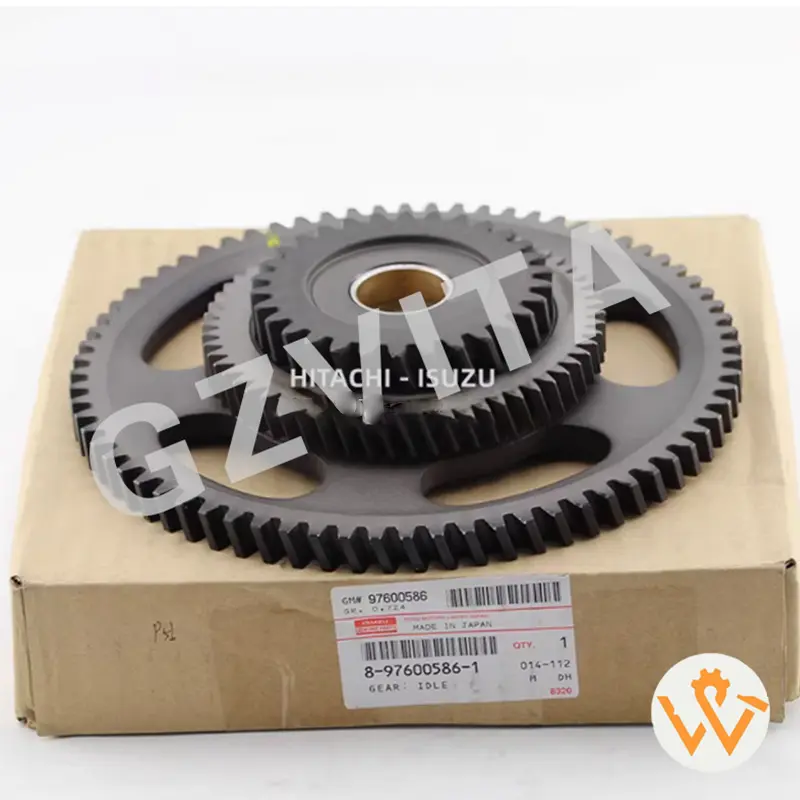
The timing gear is a critical component in the engine's timing system, responsible for synchronizing the rotation of the crankshaft and camshaft(s). In the case of the Isuzu 6HK1 engine, which is a robust diesel engine commonly used in heavy-duty applications such as trucks, construction equipment, and marine vessels, the timing gear plays a vital role in ensuring optimal engine performance and efficiency.
The primary function of the timing gear is to ensure that the crankshaft and camshaft(s) rotate in perfect harmony. This synchronization is crucial for the proper opening and closing of the engine's intake and exhaust valves, which directly affects engine performance.
The timing gear transfers rotational motion from the crankshaft to the camshaft(s). This transfer of power is essential for the timing of the engine's combustion cycle, ensuring that fuel and air are introduced into the cylinders at the right moment.
The timing gear is designed to withstand high levels of stress and wear due to the constant rotation and the forces generated during combustion. A well-designed timing gear contributes to the overall reliability and longevity of the engine.
The design of the timing gear can help reduce engine noise by providing a smoother operation compared to chain-driven systems. This is particularly important in applications where noise levels are a concern.
Timing gears are typically made from high-strength materials such as steel or reinforced composites to withstand the high stresses and temperatures within the engine.
The timing gear may be part of a gear train that includes multiple gears, including idler gears, to achieve the desired gear ratios and synchronization.
Proper mounting and alignment of the timing gear are essential to ensure that it functions correctly and does not cause excessive wear on other engine components.
Regularly inspect the timing gear for signs of wear, such as tooth damage or excessive play. Worn gears can lead to timing issues and engine performance problems.
If the timing gear is part of a timing belt or chain system, follow the manufacturer's recommendations for replacement intervals to prevent failure.
Ensure that the timing gear is properly lubricated, as this helps reduce friction and wear. Check the engine oil level and quality regularly.
During maintenance, verify that the timing gear is properly aligned with the crankshaft and camshaft(s) to prevent timing issues.
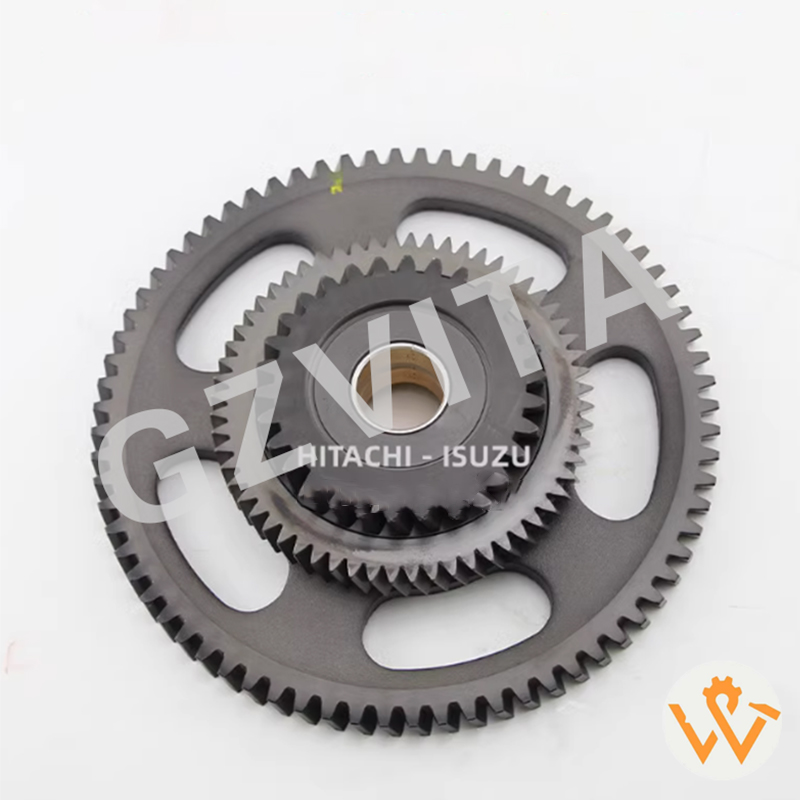
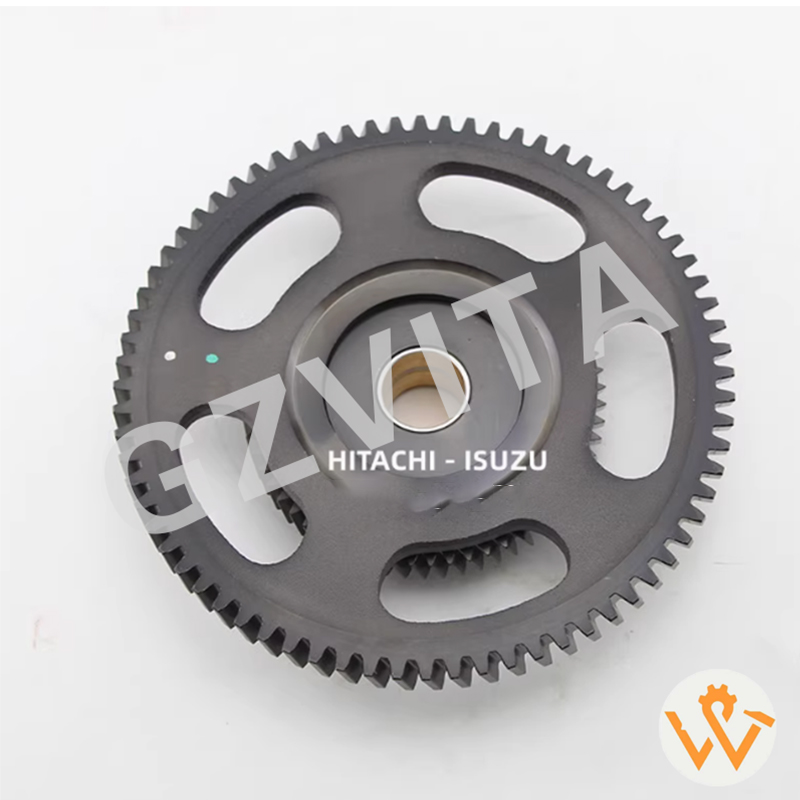
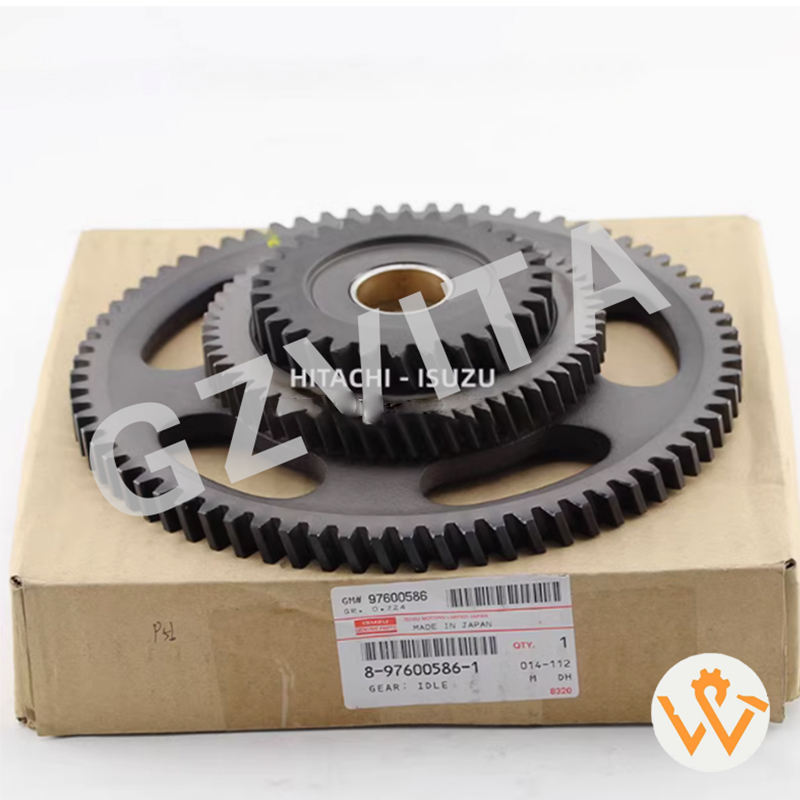
The primary function of the timing gear is to synchronize the rotation of the crankshaft and camshaft(s). This precise timing manages the opening and closing of the intake and exhaust valves, ensuring proper combustion cycles and engine operation.
Timing gears offer highly smooth operations compared to chain-driven setups, which aids significantly in engine noise reduction. This design feature is particularly valuable in industrial and heavy-duty applications where noise management is necessary.
Timing gears are usually manufactured using high-strength steel or reinforced composites. These durable materials allow them to withstand intense mechanical stress and high internal temperatures without losing structural integrity.
Poor mounting or misalignment of the timing gear can cause excessive wear on adjoining parts. In severe cases, it leads to timing issues that degrade engine efficiency and risk causing permanent mechanical damage.
You should regularly inspect the timing gear for tooth damage or play during routine engine maintenance. Keeping the engine oil clean and properly checking the lubrication levels will help maximize the gear's lifespan.
The Isuzu 6HK1 is a heavy-duty diesel engine widely used in commercial trucks, construction machinery, and marine vessels where high reliability and power are required.