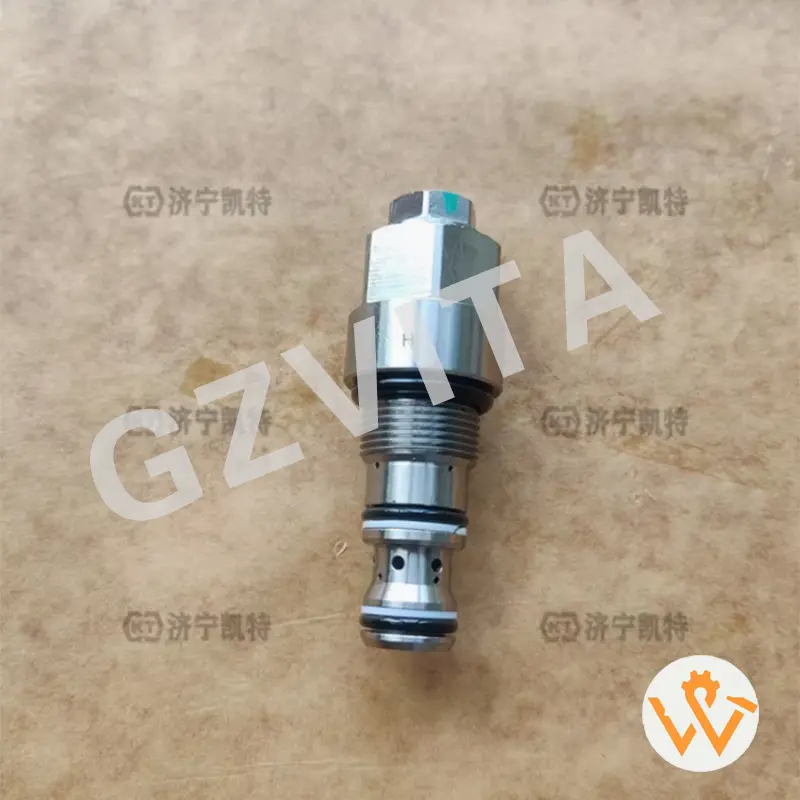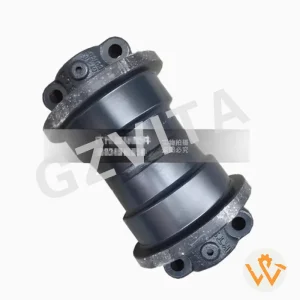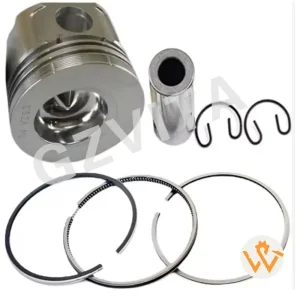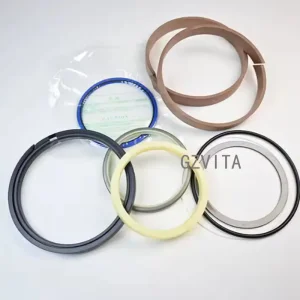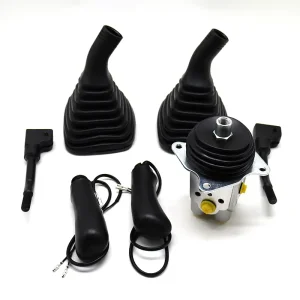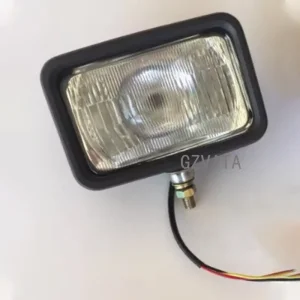
High-Quality Construction Machinery Parts 723-40-56900 723-40-57200 723-40-56800 Unload Valve Ass'y for PC350-8 PC450-8 PC490-10 Manufacturer, Factory

Pressure regulation for individual functions​ – Sets specific pressure limits for boom, arm, bucket, and swing circuits.

Function-specific overload protection​ – Prevents damage to cylinders and motors during overload.

Work tool pressure customization​ – Allows adjustment of force for different attachments.

Circuit priority pressure control​ – Manages pressure distribution between simultaneous functions.

Shock absorption in implement circuits​ – Cushions pressure spikes during sudden load changes.

Fine control of cylinder speed and force​ – By adjusting pressure, controls movement precision.

Swing circuit pressure regulation​ – Protects swing motor and gear from excessive torque.

Boom lowering/regeneration pressure control​ – Manages pressure in boom down circuits for smooth control.

Arm crowding/dumping pressure adjustment​ – Sets optimal pressure for digging and dumping.

Bucket curling/dumping pressure setting​ – Adjusts force for loading and material release.

Auxiliary circuit pressure regulation​ – Controls pressure for hydraulic attachments (breaker, grapple).

Pilot pressure supply regulation​ – Maintains stable pilot pressure for valve operation.

Load check valve pressure setting​ – Ensures pressure holding when control levers are neutral.

Anti-cavitation valve pressure control​ – Prevents vacuum formation in cylinders.

Travel circuit interface pressure regulation​ – Coordinates with main travel pressure valve.

Pressure compensation between parallel circuits​ – Balances pressure when multiple functions are used.

Lift capacity limitation​ – Can be set to limit maximum lift pressure for safety.

Attachment protection​ – Prevents excessive force from damaging mounted tools.

Operator effort adjustment​ – Affects the "feel" and responsiveness of controls.

System stability enhancement​ – Reduces pressure fluctuations for smoother operation.

Energy efficiency optimization​ – Prevents unnecessary high pressure, reducing fuel consumption.

Heat generation reduction​ – Limits pressure to decrease hydraulic system heat.

Emergency pressure relief for specific functions​ – Provides dedicated safety release.

Fine-tuning of work modes​ – Adjusts pressure settings for different work conditions.

Pressure sequencing for combined operations​ – Coordinates pressure during complex movements.

Motor stall prevention​ – Limits pressure to prevent travel or swing motor stalling.

Cylinder cushioning adjustment​ – Controls end-of-stroke cushioning pressure.

Hydraulic hammer pressure regulation​ – Sets optimal pressure for breaker operation.

Diagnostic reference point​ – Pressure readings help diagnose circuit-specific issues.

Performance calibration​ – Key adjustment point for tailoring machine performance to job requirements

Product Description

Choosing the correct Common Rail Pressure Sensor for an excavator involves several important steps. Here's a guide to help you make the right choice:

How to choose the correct Fuel Pressure Sensor Assembly?

Step 01

Identify the Make and Model

Start by identifying the make, model, and year of the excavator. Different models may have different specifications for sensors.

Step 02

Check the Engine Specifications

The Common Rail Pressure Sensor is often specific to the engine type. Check the engine model and specifications, as the sensor must be compatible with the engine's fuel system.

Step 03

Consult the Service Manual

Refer to the excavator's service manual or technical documentation. This will provide detailed information about the required sensor specifications, including part numbers.

OEM vs. Aftermarket:

Decide whether you want to use an Original Equipment Manufacturer (OEM) part or an aftermarket part. OEM parts are typically more reliable but can be more expensive. Aftermarket parts may offer cost savings but ensure they meet quality standards.

Check Connector Type and Pin Configuration:

Ensure that the connector type and pin configuration of the sensor match the existing wiring harness in the excavator. Mismatched connectors can lead to installation issues.

Pressure Range and Specifications:

Verify the pressure range and specifications of the sensor. It should match the operational requirements of the common rail system in the excavator.

Quality and Reliability:

Look for sensors from reputable manufacturers known for quality and reliability. Reading reviews and seeking recommendations can help.

Warranty and Support:

Check if the sensor comes with a warranty and what kind of customer support is available. This can be important if you encounter issues after installation.

Frequently Asked Questions (FAQ)

Why is it critical to identify the specific excavator model when buying a sensor?

Different excavator models and production years utilize varying electronic systems and pressure ratings. Installing a sensor not rated for your exact model can cause compatibility issues and system errors.

What are the main differences between OEM and aftermarket fuel pressure sensors?

OEM sensors are manufactured directly by the original equipment manufacturer, assuring perfect compatibility and high reliability at a premium cost. Aftermarket sensors are made by third-party manufacturers, which can offer cost savings, but quality and warranty support vary by brand.

How does a mismatch in connector pin configuration affect installation?

A mismatched connector will not fit your excavator's wiring harness physically, or it may have different wiring protocols. Forcing a connection or wiring it incorrectly can damage both the sensor and the excavator's Engine Control Unit (ECU).

What happens if a sensor's pressure range does not match the system requirements?

If the pressure range is incorrect, the sensor will transmit inaccurate data to the ECU. This can lead to poor fuel delivery calculation, resulting in loss of engine power, excessive emissions, or total engine shutdown.

What kind of warranty support should I look for?

It is recommended to choose products that offer at least a 6 to 12-month replacement warranty and access to reliable technical customer support to address any post-installation malfunctions.
Related Products