 Vita Construction

1 / 3
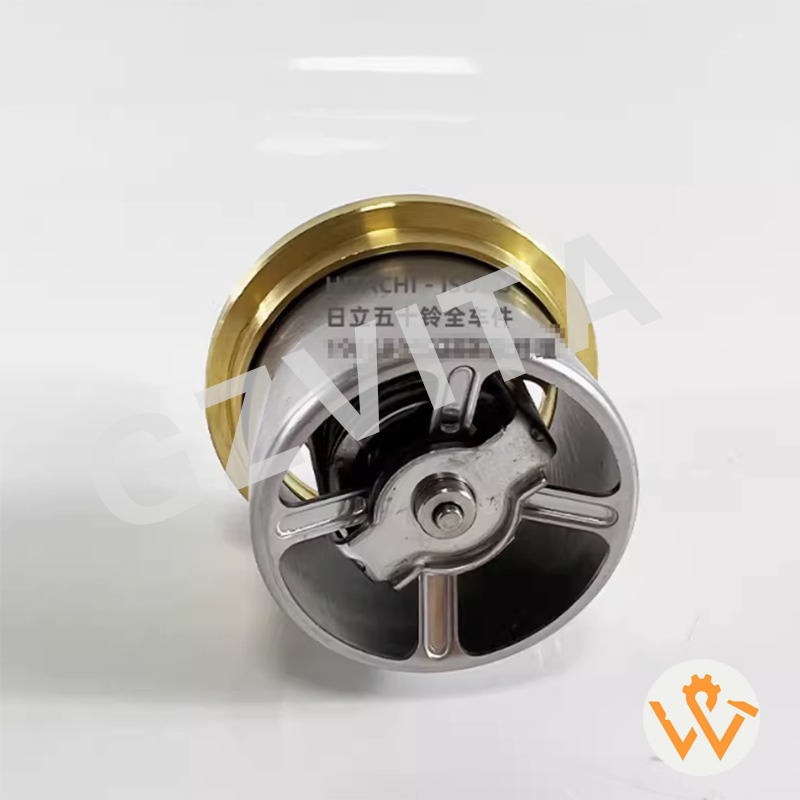
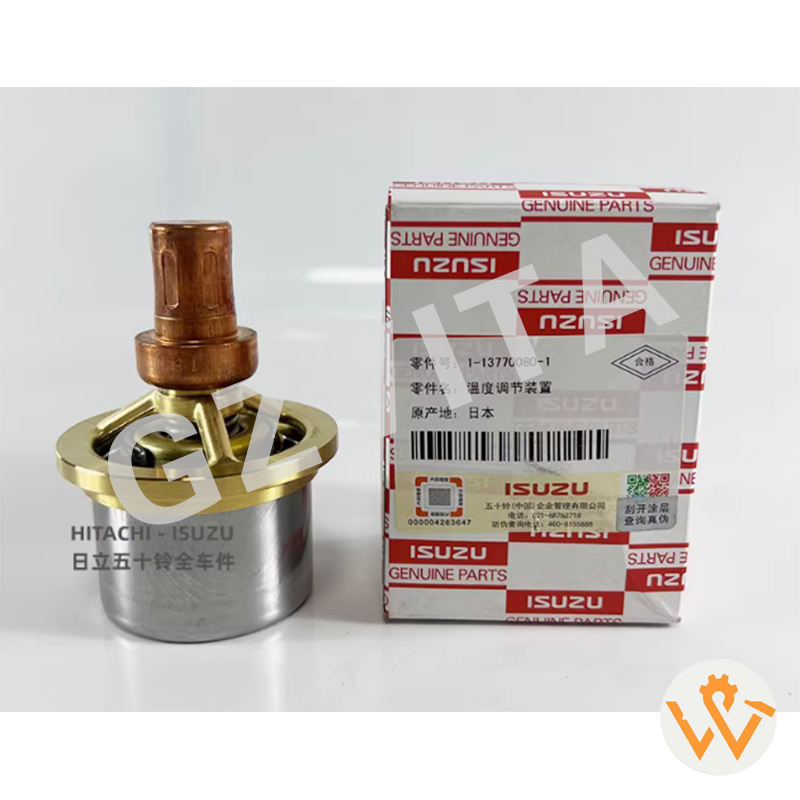
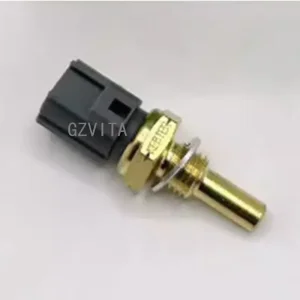
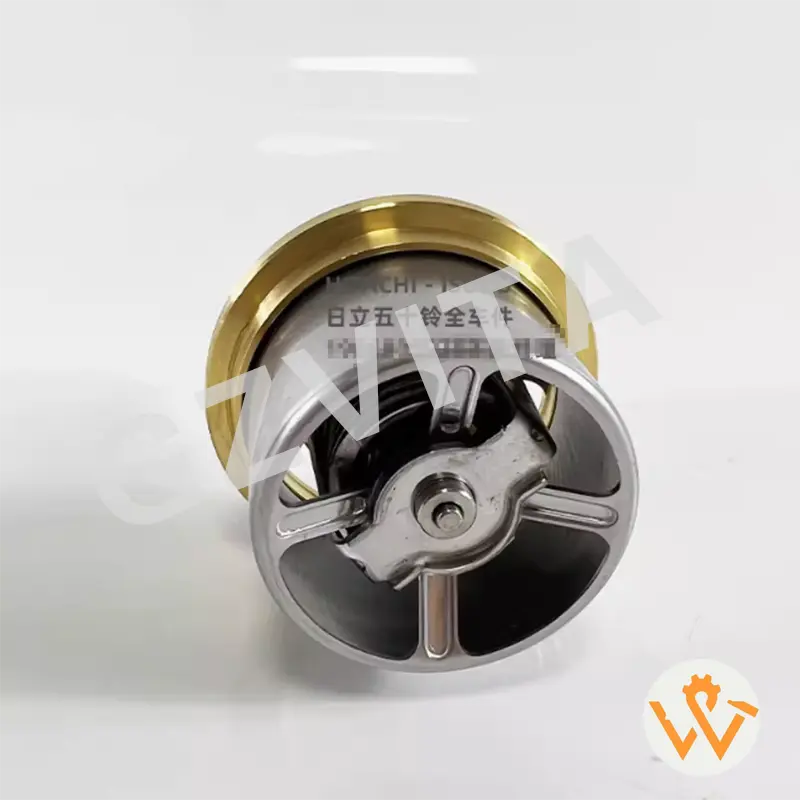
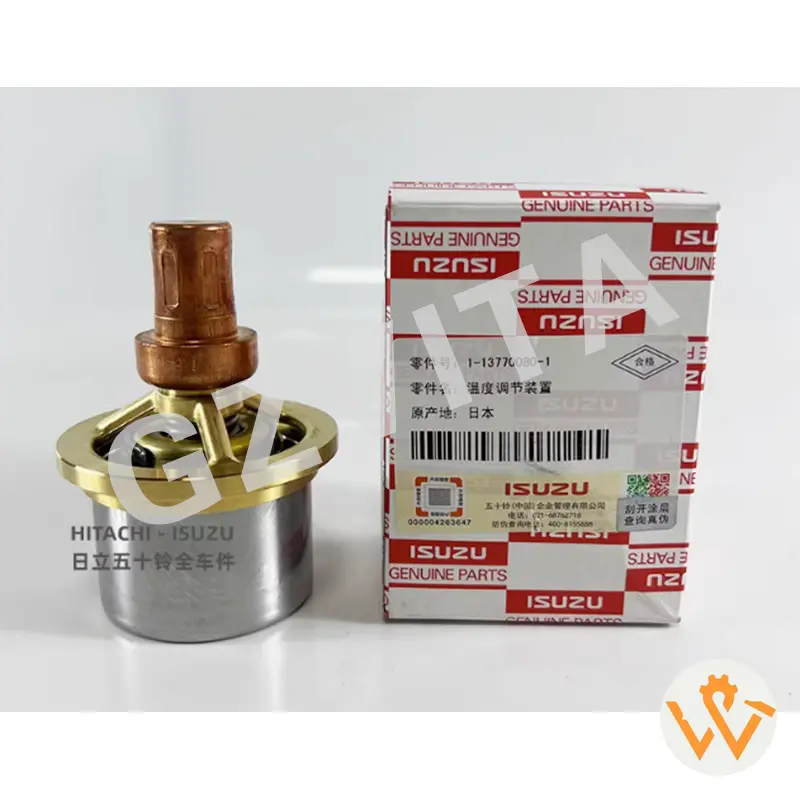
A thermostat is a crucial component in automotive cooling systems, responsible for regulating the engine's temperature. It plays a vital role in maintaining optimal operating conditions, ensuring that the engine runs efficiently and preventing overheating or excessive cooling.
These are the most common type, consisting of a wax-filled cylinder that expands and contracts with temperature changes. As the engine heats up, the wax melts, causing a valve to open and allow coolant flow.
These advanced thermostats use electronic sensors and actuators to control coolant flow more precisely. They can respond more quickly to changes in engine temperature and are often used in modern vehicles for improved efficiency.
Designed to fail in a safe position, these thermostats will remain open if they malfunction, preventing the engine from overheating.
A properly functioning thermostat is essential for the overall health of the engine. If a thermostat fails to open, the engine can overheat, leading to severe damage. Conversely, if it fails to close, the engine may run too cool, resulting in poor fuel efficiency and increased emissions. Regular inspection and maintenance of the thermostat are crucial to ensure it operates effectively.