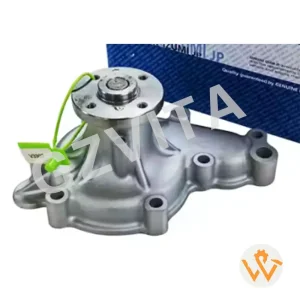
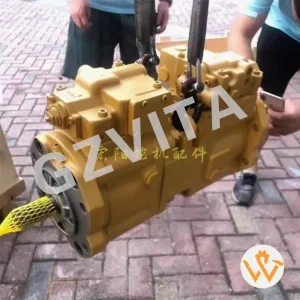
Explore our high-performance hydraulic assemblies and electrical speed control sensors engineered for durability in intense applications.
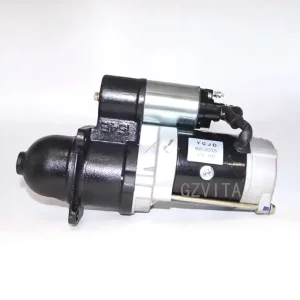
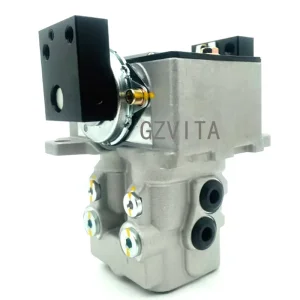

In the modern era of industrial automation, heavy construction machinery, and advanced automotive diagnostics, the switch pressure sensor serves as the fundamental link between hydraulic/pneumatic action and electronic intelligence. Structurally engineered to output binary electrical signals at preset pressure margins, these instruments play a vital role in preventing mechanical failures, monitoring oil lubrication feedback loops, regulating brake mechanisms, and maintaining cooling fluid circulation.
The global pressure sensor market is experiencing record-breaking growth. Accelerated by infrastructure developments in Latin America, Southeast Asia, and Sub-Saharan Africa, heavy machinery operations have become more demanding. The commercial landscape relies on sensor manufacturers that can build parts that withstand extreme environments—vibration levels of up to 20G, continuous hydraulic pulses, and operational temperature ranges of -40°C to 125°C.
For global sourcing agents, procurement engineers, and heavy industry distributors, finding a trusted custom switch pressure sensor manufacturer is no longer just about cost reduction. It is about identifying engineering partners capable of managing micro-level tolerances, offering deep OEM cross-compatibility, and establishing resilient supply chains that minimize project delays.
China's sensor manufacturing sector has evolved from high-volume assembly to precision-driven, vertically integrated industrial centers. Companies like Guangzhou Vita Construction Machinery Co., Ltd. leverage this industrial infrastructure to deliver unmatched engineering quality, reliable supply chains, and fast turnaround times.
This efficiency is driven by several key factors:
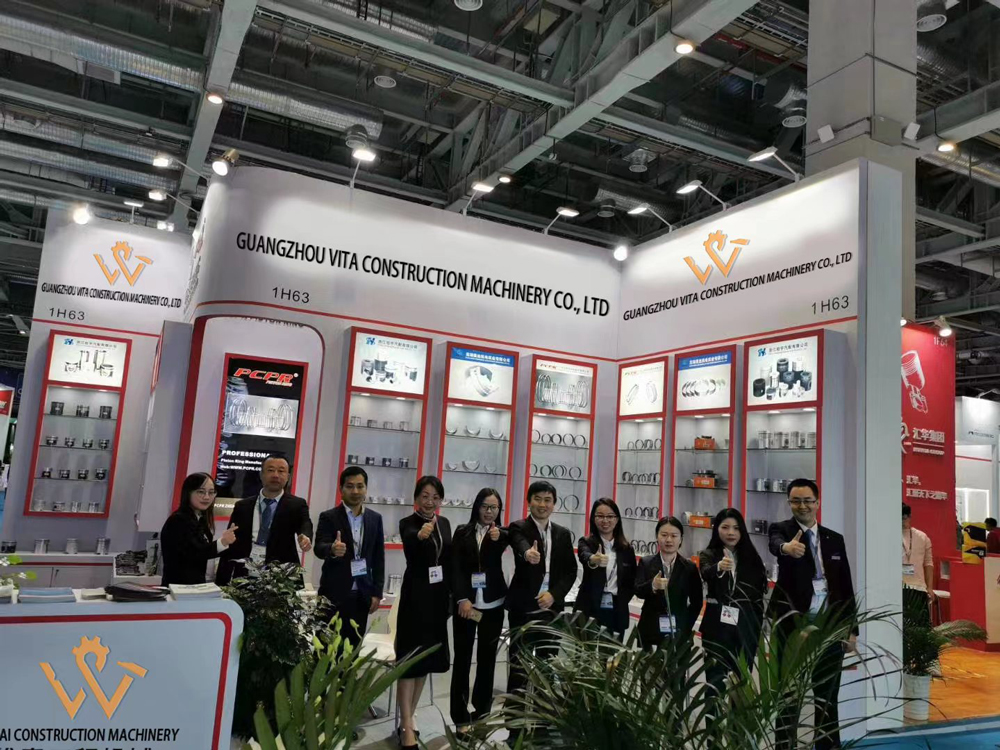
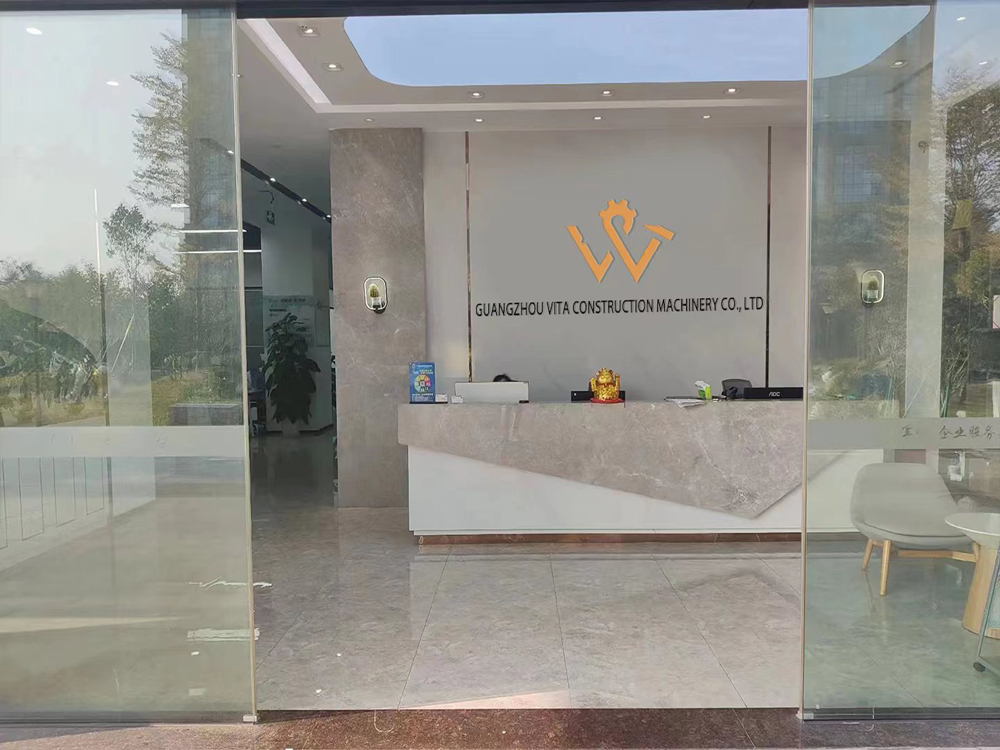
Learn more about Guangzhou Vita Construction Machinery Co., Ltd., a premier manufacturer combining industrial factory capacity with global logistics reach.
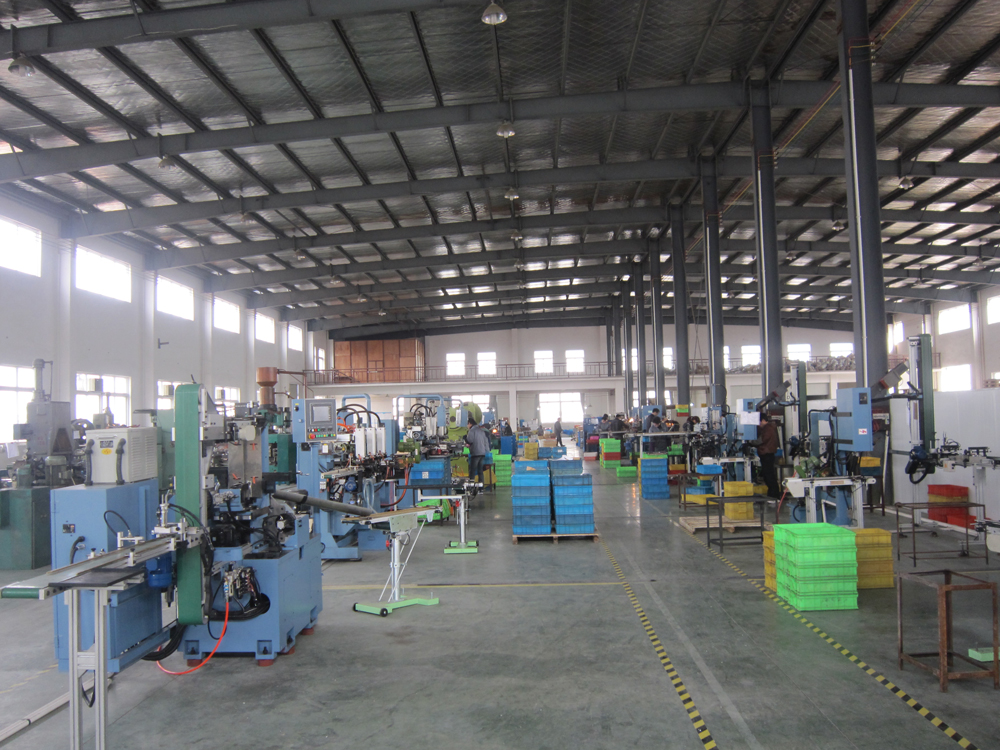
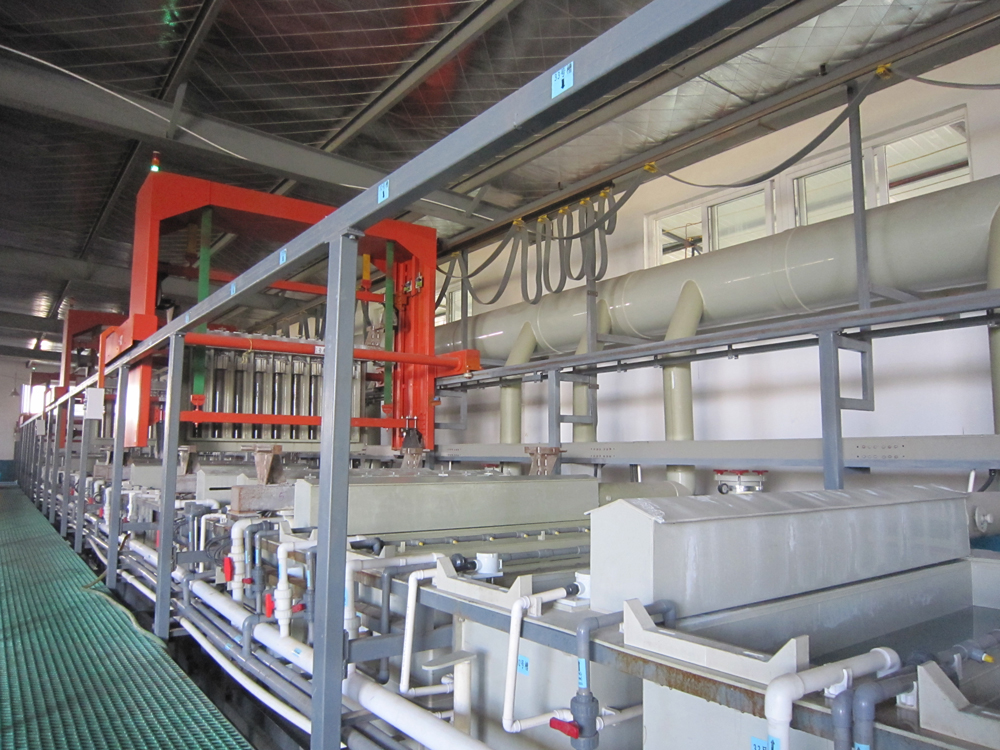
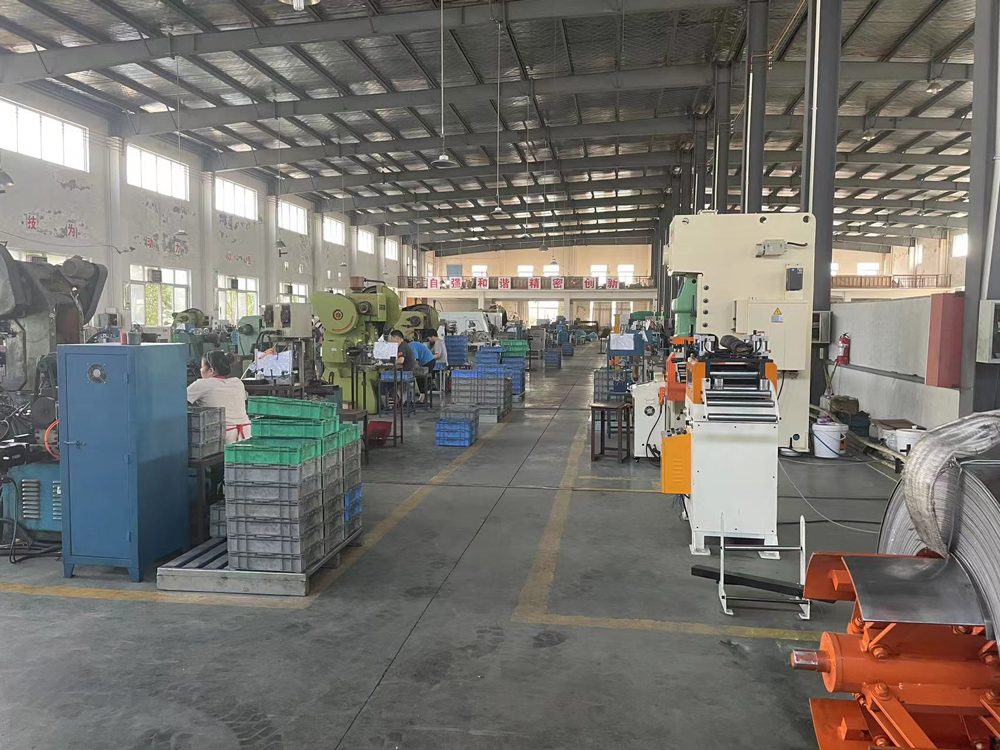
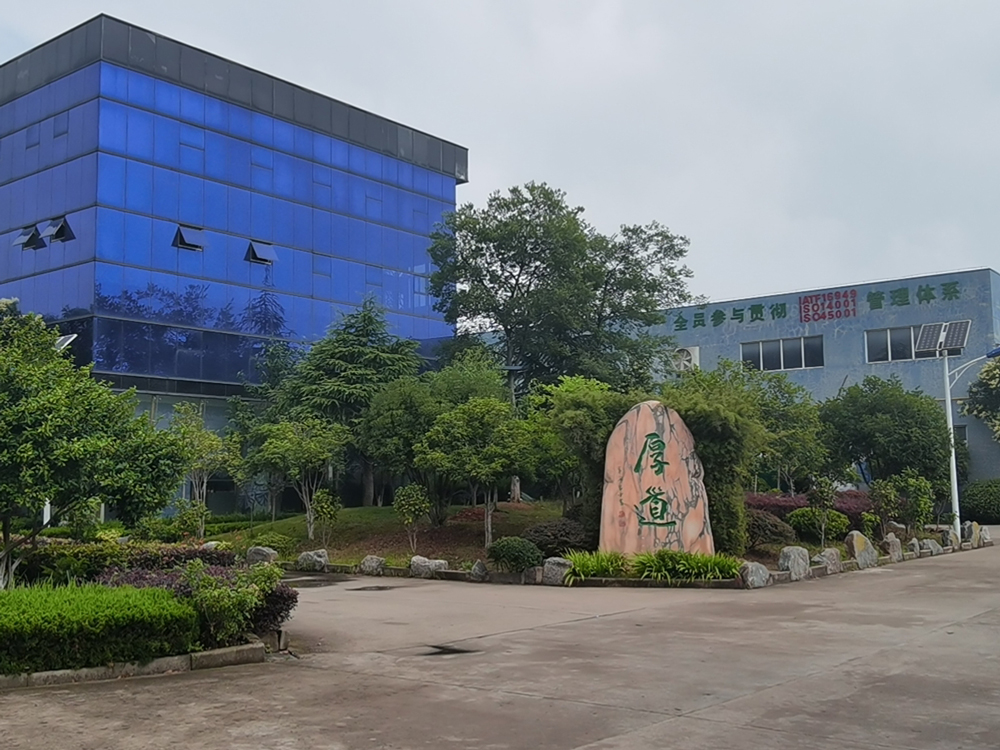
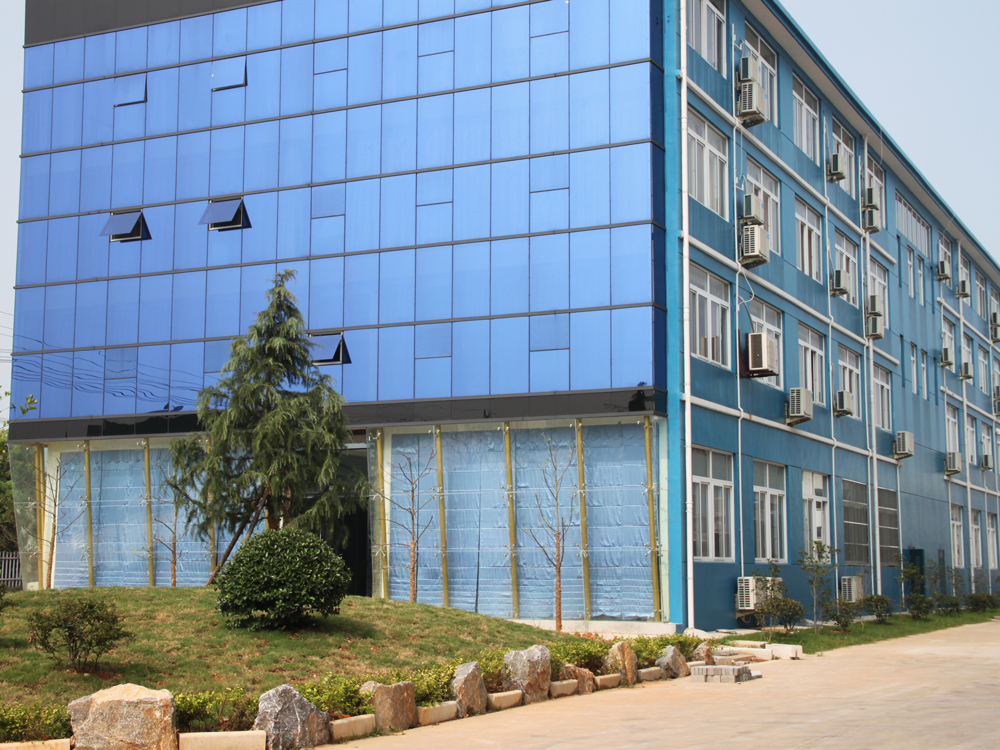
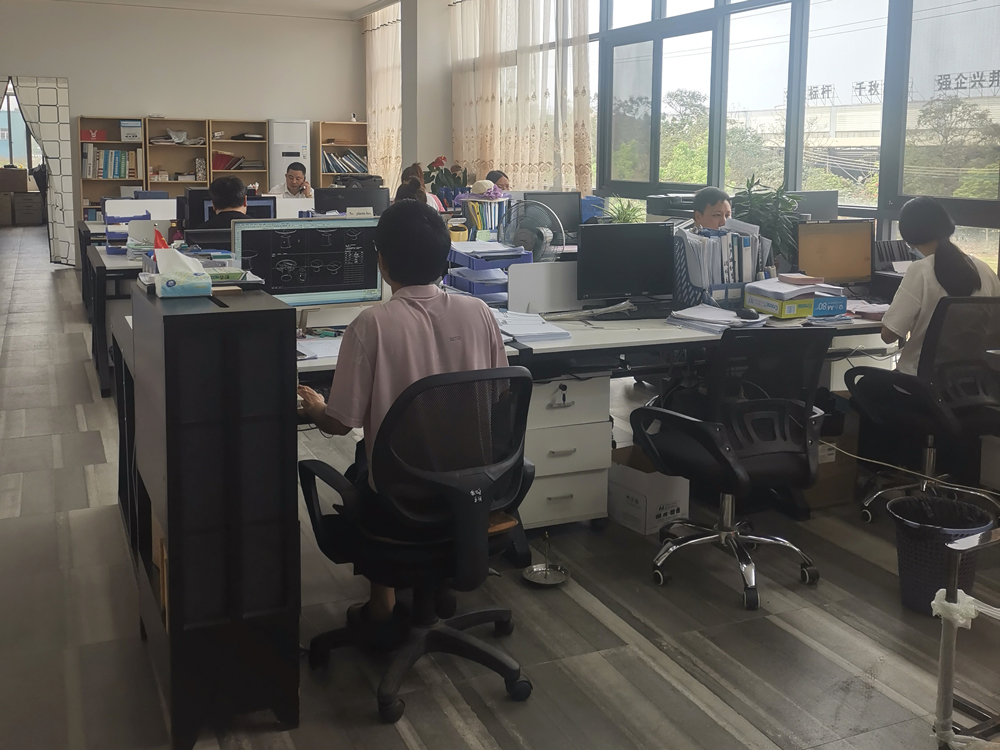
Guangzhou Vita Construction Machinery Co., Ltd. is one of the largest companies that combines in-house factory manufacturing and direct international trading services. Our modern production factory is located in Xiangyang City, Hubei Province. There, we run a workshop of more than 18,000 square meters equipped with advanced production machinery. Over 278 well-trained and skilled workers, alongside 8 experienced engineers, ensure high product quality, prompt order processing, and accurate deliveries.
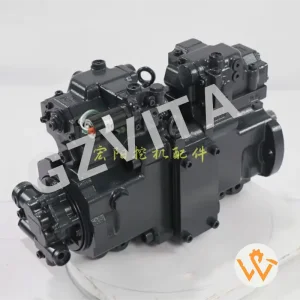
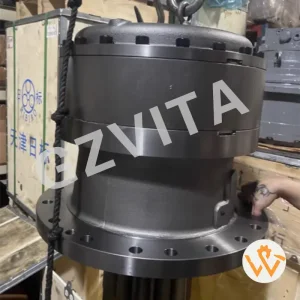
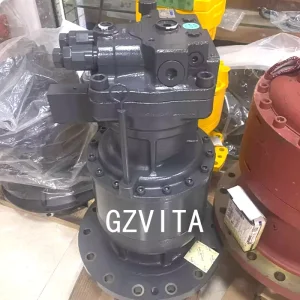
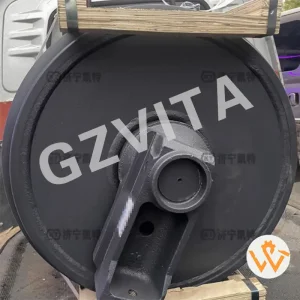
We specialize in producing, developing, and exporting a comprehensive range of construction machinery parts. Our core inventory includes engine assembly units, hydraulic pumps, final drives, electric generating sets, high-precision engine bearings (including Main bearings and Connecting Rod Bearing series), crankshafts, engine valves, gear pumps, cylinders, specialized filtration units, excavator buckets, and robust undercarriage parts for excavators and bulldozers. These components serve as premium quality replacements for leading global heavy machinery brands, including Komatsu, Volvo, Sumitomo, Caterpillar, Kubota, Hitachi, John Deere, Kobelco, Hyundai, Kato, Sany, XCMG, and SUNWARD.
In the fast-paced world of construction, the reliability and efficiency of your machinery can make or break a project. We understand that high-quality parts are essential for optimal performance. We focus on providing top-notch construction machinery parts to keep your machinery running smoothly in all conditions.
To improve our overall service level, we established a dedicated engine maintenance development division. In addition to supplying complete assemblies, we help clients solve various technical problems encountered during equipment installation and everyday operation.
We maintain an elite, professional mechanical repair team. When needed, we can arrange for skilled service technicians to travel abroad, helping clients troubleshoot, repair, and maintain heavy diesel engines on-site.

Switch pressure sensors are critical safety and control components used across many industrial sectors. Different operational environments require tailored sensor designs to handle specific pressure dynamics.
1. Excavator Hydraulic Control Systems: In machinery from brands like Sany, Komatsu, and Caterpillar, pressure sensors monitor pilot valves, main hydraulic pump outputs, and oil distribution lines. When pilot pressures deviate, these sensors send immediate feedback to prevent catastrophic component failures.
2. Heavy-Duty Diesel Engines: Oil pressure switches monitor lubrication circuits in diesel engines. If the oil pressure drops below a critical point, the sensor triggers an engine shutdown sequence to prevent piston seizing and cylinder wall damage.
3. Mobile Machinery Brake Systems: In road rollers and heavy haul trucks, pneumatically or hydraulically actuated brakes rely on pressure switches to confirm that adequate pressure is available to engage or release the brakes safely.
4. Industrial Filtration Units: Pressure switches monitor the differential pressure across filters. A rise in pressure indicates clogging, signaling maintenance crews to replace the filters before system efficiency drops.
Procurement professionals and engineers look for specific performance criteria when sourcing custom switch pressure sensors. Key factors include:
The pressure sensor industry is shifting toward digitalization and electrification. Traditional mechanical pressure switches are being updated with advanced features:
1. Integration of IO-Link and CAN Bus: Modern machinery requires more than a simple on/off signal. Smart pressure switches now transmit real-time pressure values, sensor health diagnostics, and temperature data over CAN bus (J1939) protocols directly to the machine's ECU.
2. Miniaturization and Micro-Electro-Mechanical Systems (MEMS): Silicon-based MEMS technology allows manufacturers to produce smaller sensors that fit into tight spaces while maintaining excellent measurement accuracy and response times.
3. High-Temperature Performance: As diesel engines run hotter to comply with strict emissions rules, pressure sensors must operate reliably at elevated temperatures without thermal drift.
Expert answers to common technical queries about industrial pressure switches and customized sensor manufacturing.
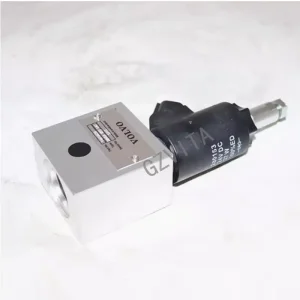
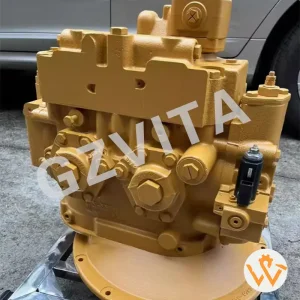
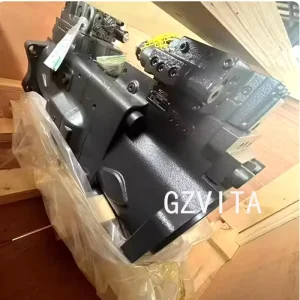
Explore the rest of our heavy-duty inventory, built to keep your construction equipment running under demanding workloads.
 Vita Construction