 Vita Construction
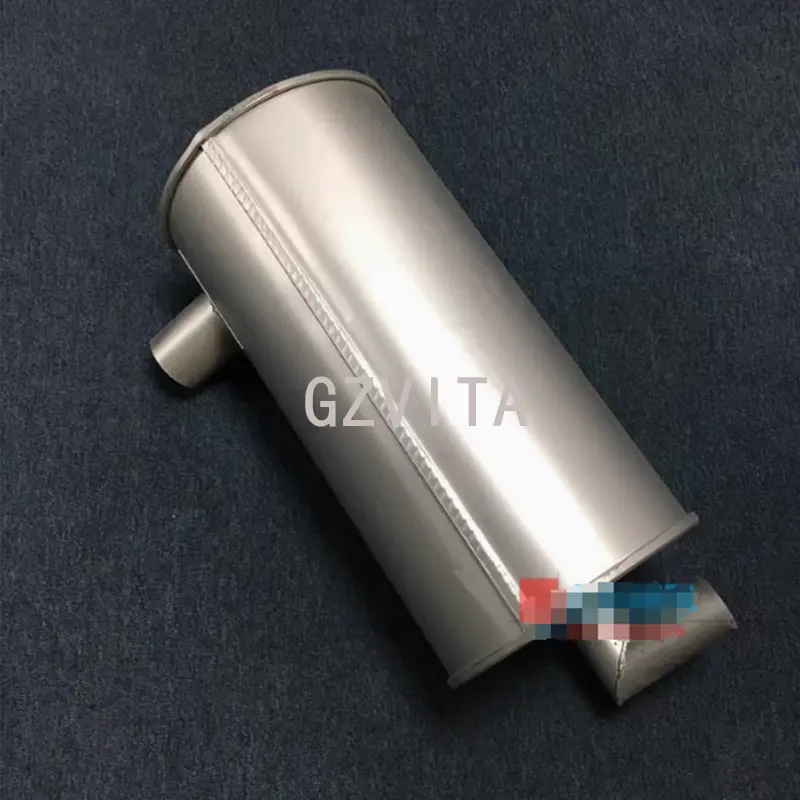
1 / 3
Yes, the material used to produce a muffler is very important for several reasons, including performance, durability, weight, and cost.
Here are some key factors to consider regarding the significance of muffler materials:
Material Selection: Mufflers are typically exposed to high temperatures, moisture, and corrosive exhaust gases. Common materials include stainless steel, aluminized steel, and mild steel. Stainless steel is highly resistant to corrosion and can withstand high temperatures, making it a popular choice for performance and long-lasting mufflers.
Longevity: The right material can significantly extend the life of the muffler, reducing the need for frequent replacements.
Acoustic Properties: Different materials can affect the sound produced by the exhaust system. For example, stainless steel can produce a different tone compared to mild steel.
The choice of material can influence the muffler's ability to dampen sound and create the desired exhaust note.
Weight vs. Strength: The weight of the muffler can impact the overall weight of the vehicle.
Lighter materials, such as certain alloys or high-strength stainless steel, can reduce weight without sacrificing strength, which is particularly important in performance applications.
Material Costs: The choice of material affects the overall cost of the muffler. While stainless steel mufflers tend to be more expensive, their durability and performance benefits may justify the higher price in the long run.
Manufacturing Costs: Different materials may also require different manufacturing processes, which can influence the final cost of the muffler.
Exhaust Flow: The material and design of the muffler can impact exhaust flow, which in turn affects engine performance.
High-performance mufflers often use materials that facilitate better exhaust flow, enhancing engine efficiency and power output.
In summary, the material used to produce a muffler is crucial for its performance, durability, sound quality, weight, and cost.
Selecting the appropriate material can lead to a more effective exhaust system that meets the specific needs of the vehicle and its intended use.
When choosing a muffler, it is essential to consider these factors to ensure optimal performance and longevity.
The most common materials used for manufacturing mufflers are stainless steel, aluminized steel, and mild steel. Stainless steel is widely preferred for high-performance and premium applications due to its excellent durability.
Mufflers are constantly exposed to moisture, high temperatures, and corrosive exhaust gases. Using corrosion-resistant materials like stainless steel prevents premature rusting and significantly extends the service life of the exhaust system.
Yes, different materials possess distinct acoustic properties. For example, a stainless steel muffler will produce a different tone and sound resonance compared to one made of mild steel.
The weight of the muffler adds to the overall weight of the vehicle. Choosing lightweight alloys or high-strength stainless steel helps reduce vehicle weight without sacrificing structural strength, which is highly beneficial for sports and high-performance vehicles.
Yes. Although stainless steel mufflers have a higher initial cost, their long-term durability, resistance to rust, and superior performance efficiency make them a cost-effective choice over the long run by reducing the need for replacements.
Absolutely. High-quality materials allow for optimized interior designs that facilitate smoother and faster exhaust flow. This reduces backpressure, directly enhancing engine efficiency and power output.