Explore our core engineering catalog, designed for heavy machinery reliability, precision fitment, and extreme operating longevity.
An in-depth investigation into grey cast iron alloy structures, run-in wear characteristics, and thermo-mechanical stress profiles.
Within high-capacity reciprocating internal combustion engines, such as the medium-speed Wärtsilä 20, 32, 46, and 50 configurations, the cylinder liner functions as the central core of thermal and mechanical containment. As a custom supplier specializing in precision aftermarket and OEM-grade engine components, we engineer solutions to withstand combustion peak pressures exceeding 200 bar and thermal gradients spanning from ambient coolant temperatures to over 350°C at the top dead center (TDC) of the piston stroke.
Custom Wärtsilä cylinder liners demand a strict control over microstructural composition. Grey cast iron with lamellar graphite (typically alloyed with elements such as chromium, copper, molybdenum, and nickel) serves as the primary matrix. This specific formulation guarantees a tensile strength exceeding 300 MPa while maintaining superior sliding properties. The presence of graphite flakes acts as an integrated lubricant reservoir, capturing hydrodynamic engine oil and mitigating micro-scuffing during rapid load changes.
SEO Technical Insight: The tribological interaction between the piston ring pack and the liner surface is highly sensitive to the graphite flake distribution (classified under ASTM A247). Our custom Wärtsilä cylinder liners feature a predominantly pearlitic matrix (minimum 95%) with Type A graphite distribution, preventing the early formation of micro-cracks and bore polishing.
To resist bore polishing—a phenomenon where the honing marks are completely worn down by hard carbon deposits on the piston crown, leading to a sudden loss of oil retention and ring scuffing—modern Wärtsilä engines integrate an Anti-Polishing Ring (APR), or flame ring, at the top of the liner. Our custom manufacturing process ensures tight tolerance controls (+/- 0.02 mm) in the APR seating recess, allowing perfect assembly compatibility, optimizing gas flow, and scraping carbon buildup from the piston crown before it contacts the honed running surface.
How Wärtsilä power systems sustain critical global infrastructure, maritime trade routes, and distributed energy networks.
The global shipping industry, spanning bulk carriers, container vessels, and large passenger cruise ships, relies extensively on medium-speed Wärtsilä propulsion packages. In parallel, stationary power generation facilities utilize these multi-fuel powerplants to stabilize electrical grids in remote regions or act as base-load generators. The demand for replacement parts, particularly custom cylinder liners, is driven by the necessity to maintain operational efficiency and comply with strict emission frameworks, such as the International Maritime Organization (IMO) Tier III regulations.
As operators run engines on diverse fuel profiles, including low-sulfur fuel oils (LSFO), liquefied natural gas (LNG), and pilot biofuels, the cylinder liner must withstand varying levels of corrosive condensation. Low-load operation, a common practice in modern slow-steaming routes, drops liner temperatures close to the acid dew point. Our engineered liners incorporate optimized wall thicknesses and targeted bore-cooling configurations to balance high thermal dissipation near the combustion chamber with appropriate surface temperatures further down, preventing cold corrosion from sulfuric acid.
Analyzing plateau honing, laser structuring, and the engineering of run-in wear zones for modern cylinder liners.
The surface finish of a Wärtsilä cylinder liner is not merely a smooth cylinder; it is an engineered micro-texture. Standard boring operations are followed by multi-stage plateau honing. This process creates a flat surface (the "plateaus") to support the load of the piston rings, intersected by deep, cross-hatched grooves (the "valleys") that act as micro-reservoirs for lubricating oil. The honing cross-hatch angle, typically optimized between 45 and 50 degrees, dictates the speed of oil drainage and ring lubrication efficiency.
When custom-manufacturing liners for Wärtsilä applications, we enforce strict parameters on surface roughness profiles, specifically measuring:
This defines the depth of the core profile that will support the piston rings during normal operating cycles throughout the liner's service life.
Indicates the height of the peaks that will be polished away during the initial engine break-in period, reducing startup wear and friction coefficients.
Represents the oil-holding capacity of the honed valleys. Proper Rvk ensures the oil film remains intact under severe combustion load conditions.
Through our advanced centrifugal casting process, we eliminate impurities and maintain uniform material density across the entire cylinder sleeve. Centrifugal casting ensures that the outer diameter (OD) and inner diameter (ID) possess highly consistent mechanical properties, preventing out-of-round deformation when the liner is pressed into the engine block and secured under heavy cylinder head stud pre-loads.
Integrating heavy industrial machinery component fabrication with world-class engineering and technical support.
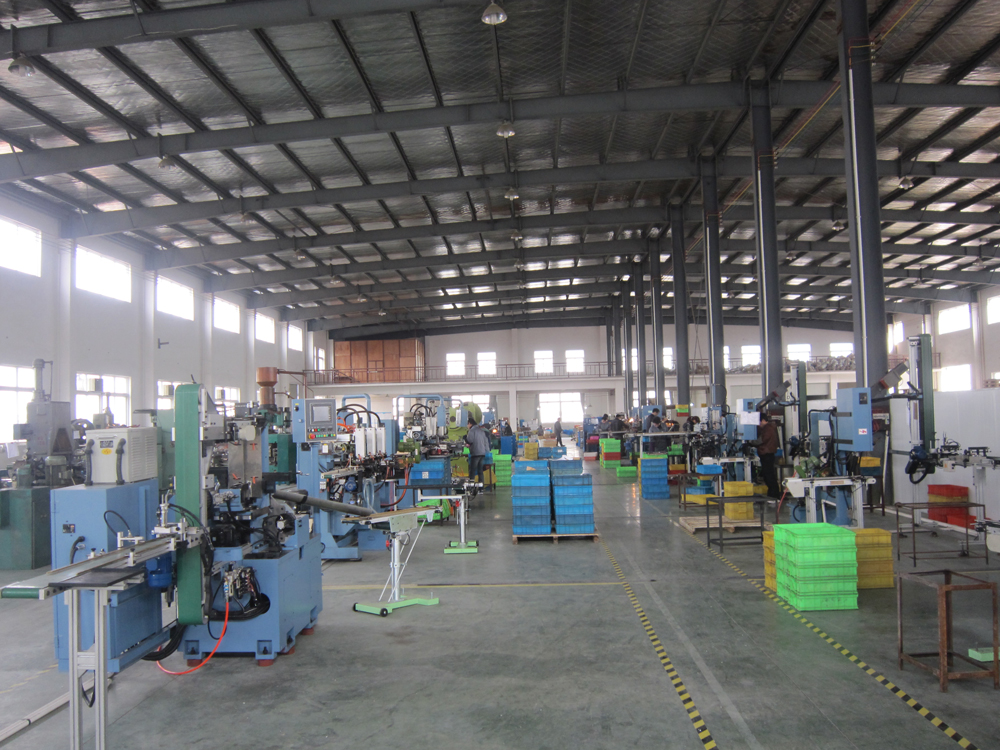
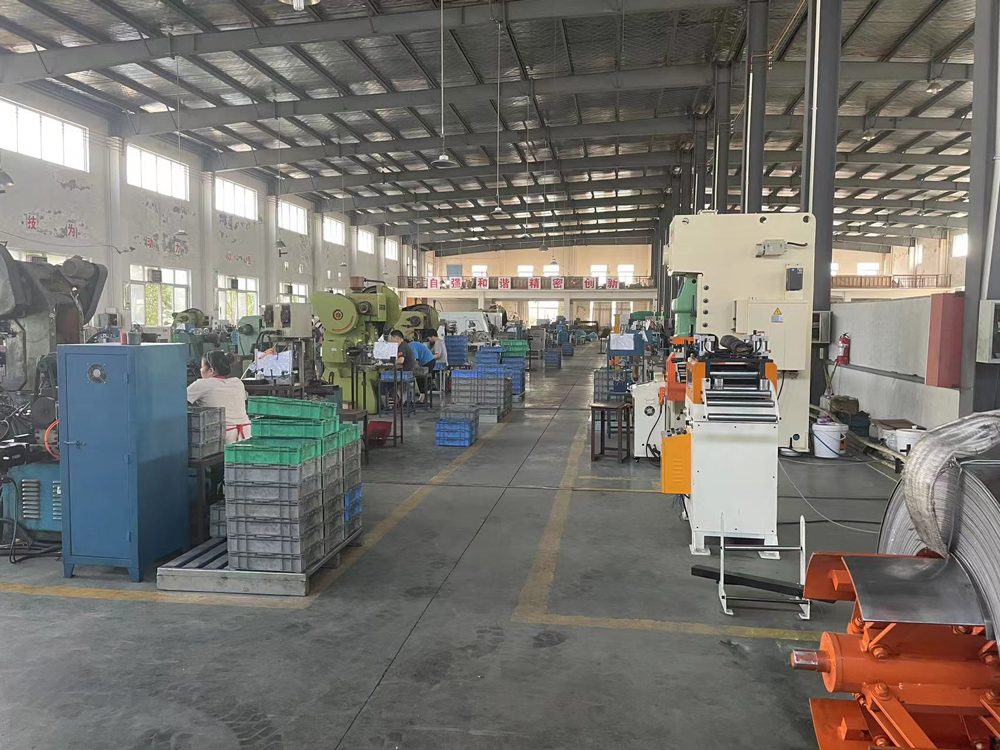
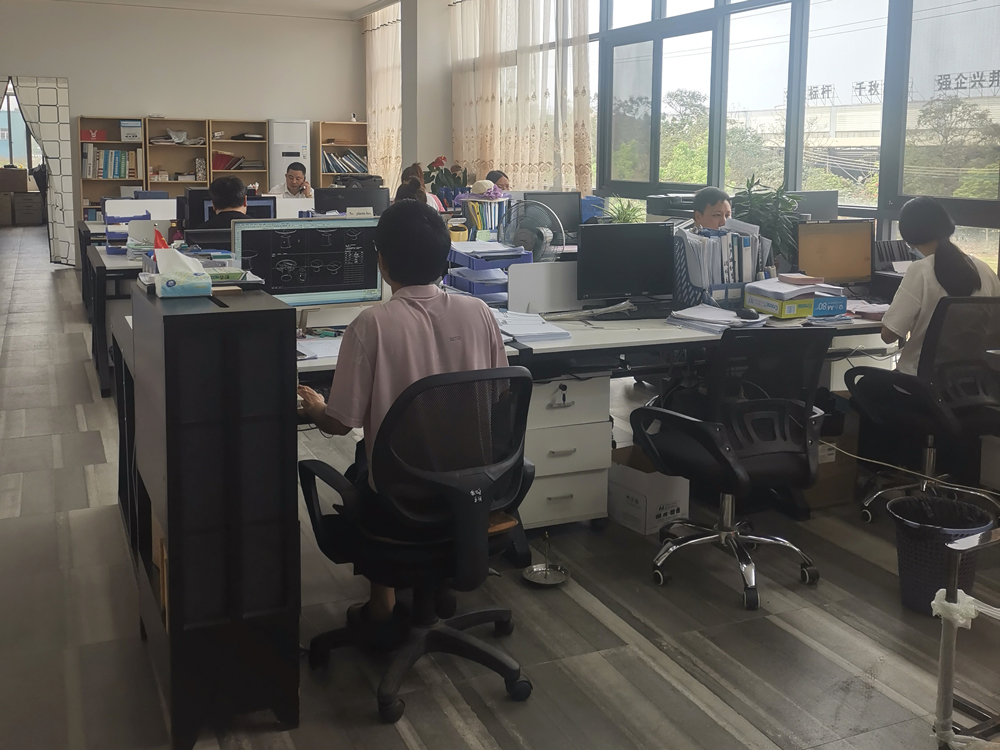
Guangzhou Vita Construction Machinery Co., Ltd. is a leading company that combines advanced factory production with international trade expertise. Our primary manufacturing facility is located in Xiangyang City, Hubei Province, featuring a production workshop spanning over 18,000 square meters. The plant is equipped with advanced heavy machining tools, horizontal and vertical honing machines, and precise inspection instruments. With more than 278 skilled workers and an engineering team consisting of 8 experienced engineers, we ensure strict quality standards, reliable performance, and on-time delivery across our entire product range.
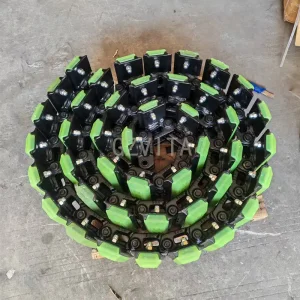
We specialize in the development, manufacture, and distribution of components for construction machinery, marine propulsion systems, and heavy-duty diesel engines. Our extensive product portfolio includes engine assemblies, hydraulic piston pumps, final drives, electric generator sets, engine bearings (including main and connecting rod bearing series), crankshafts, engine valves, gear pumps, cylinder blocks, cylinder liners, industrial filtration systems, excavator buckets, and undercarriage components for heavy earthmoving equipment. Our replacement parts are engineered to meet or exceed OEM specifications for leading brands including Komatsu, Volvo, Sumitomo, Caterpillar, Kubota, Hitachi, John Deere, Kobelco, Hyundai, Kato, Sany, XCMG, Sunward, and other well-known global manufacturers.
In high-demand industrial and maritime environments, the reliability of machinery parts directly impacts operational profitability. We implement comprehensive quality control protocols, inspecting raw material metallurgy, dimensional tolerances, and surface profiles to ensure consistent engine performance and longevity.
We maintain an active department focused on engine maintenance and assembly engineering. Beyond component supply, we assist clients in troubleshooting integration challenges, wear analysis, and structural performance issues encountered during machinery overhaul or rebuilds.
Our designated technical team provides engineering support and on-site assistance. We coordinate with field service technicians to support overseas operators, facilitating the deployment, setup, and maintenance of critical power systems and replacement parts.
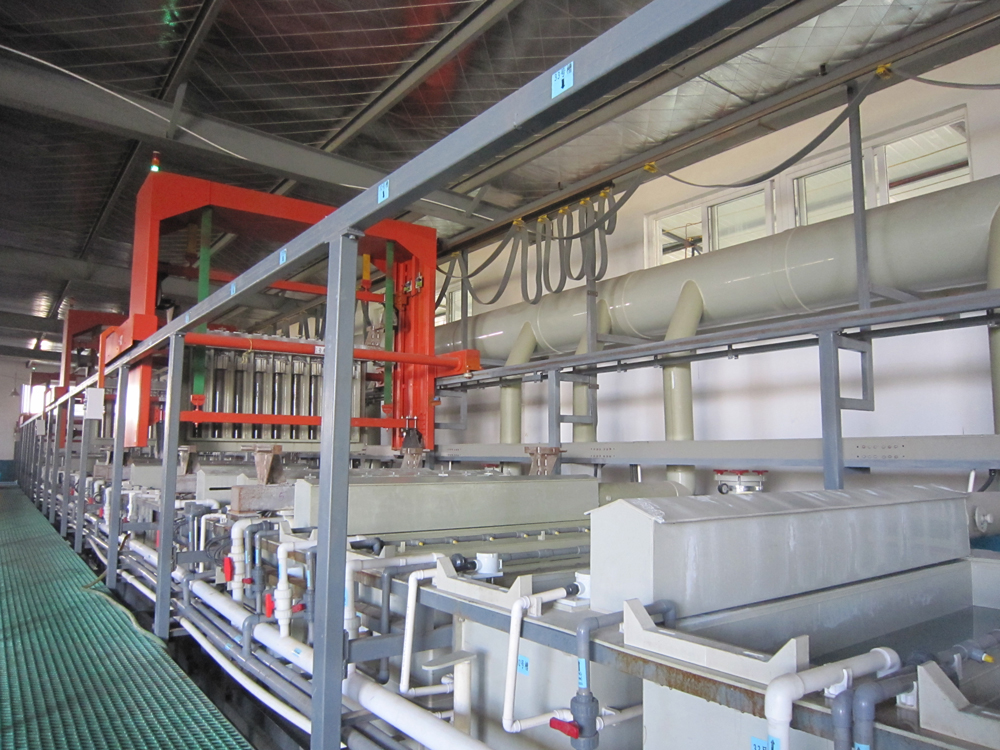
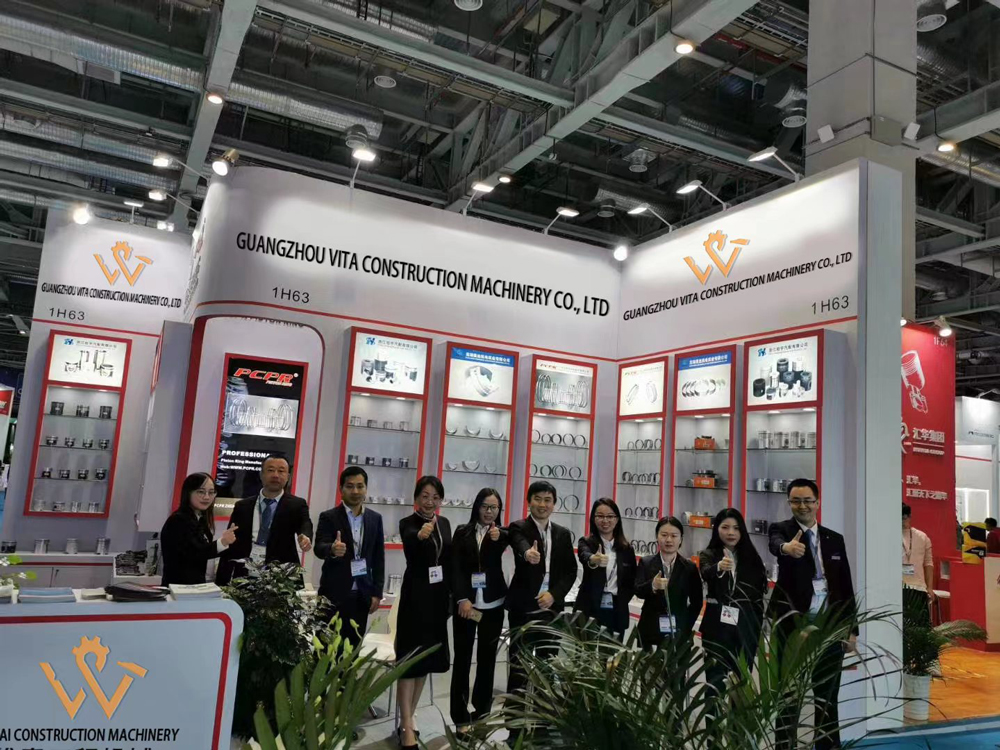
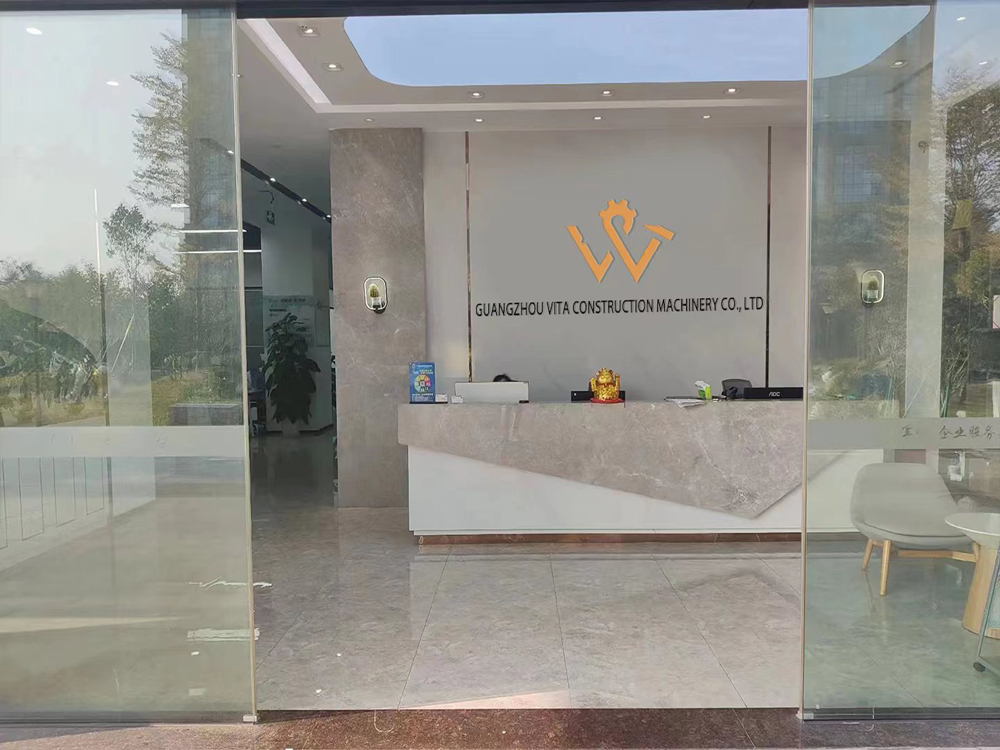
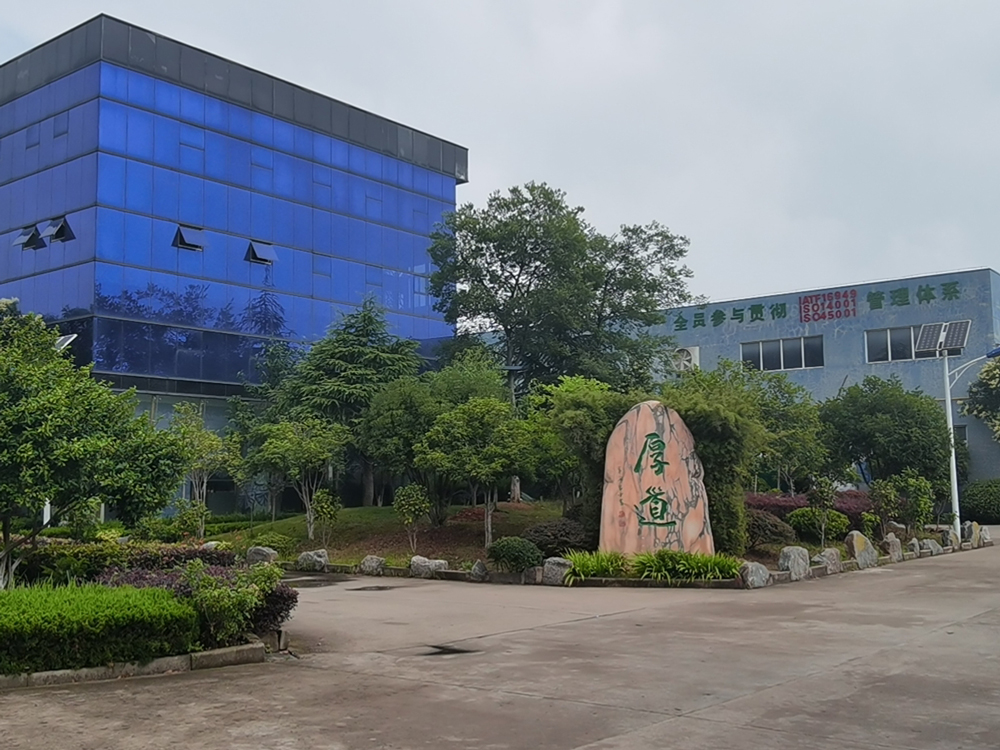
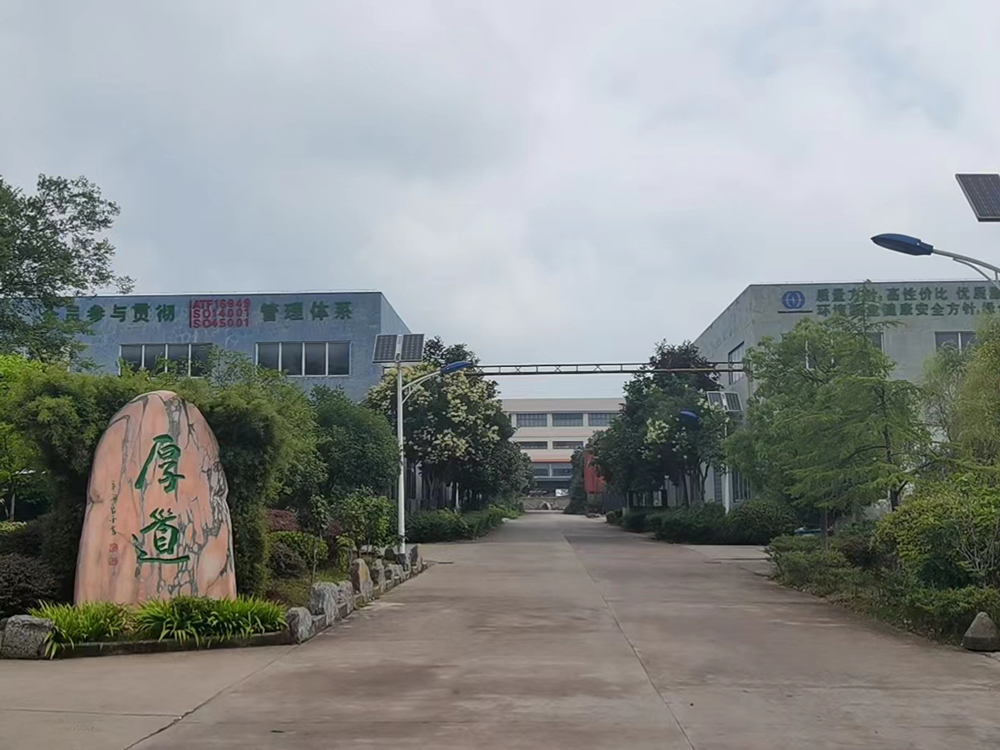
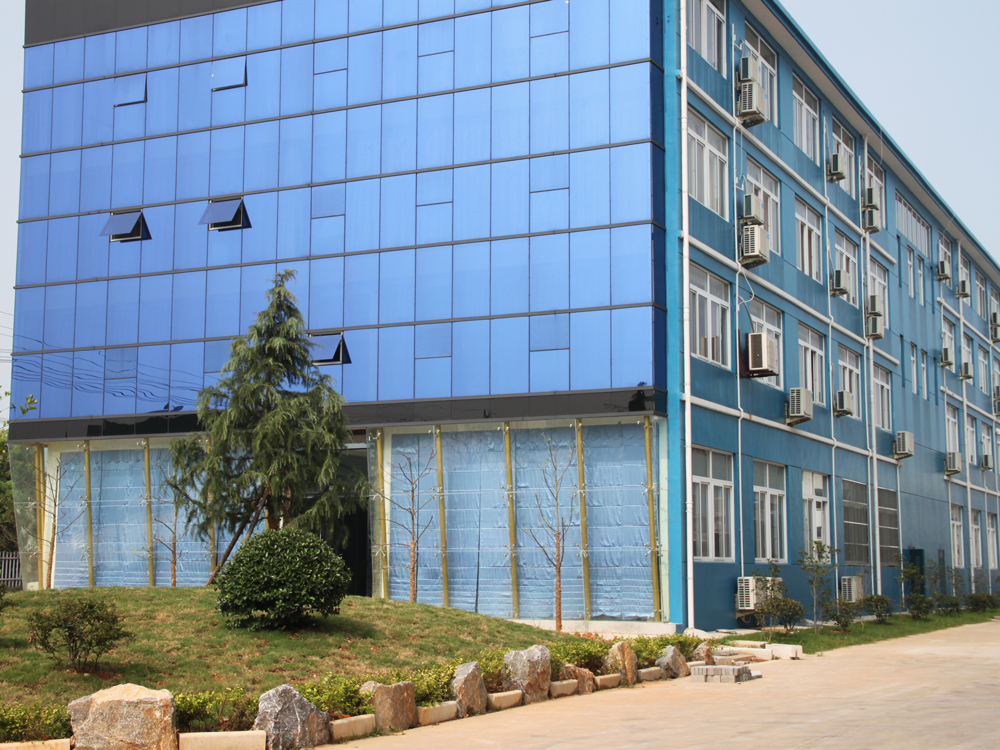
Take a virtual look inside our Hubei-based manufacturing operations where advanced engine and hydraulic parts are fabricated.
How the transition to net-zero fuels impacts cylinder liner engineering, lubrication regimes, and life-cycle demands.
The maritime industry is undergoing an energy transition, moving from heavy fuel oil to zero-carbon or carbon-neutral options. Future fuels including Green Ammonia, Bio-Methanol, and Hydrogen present unique challenges to cylinder liner metallurgy. Ammonia combustion, for instance, produces water vapor and chemical compounds that can accelerate corrosive wear. It also demands specialized fuel injection timing and higher combustion pressures, increasing the stress on the cylinder liner's structure.
In response, the technology roadmap for custom Wärtsilä cylinder liners centers on advanced surface treatments and specialized coatings. Methods like physical vapor deposition (PVD) and laser cladding are being applied to the upper running surfaces to form a barrier against corrosive acids. In addition, next-generation cylinder lubricants with targeted base numbers (BN) are designed to neutralize acidic combustion byproducts before they degrade the metal matrix.
Integrating targeted laser-honed textures and thin-film diamond-like carbon (DLC) coatings on wear zones to reduce initial friction coefficients during engine break-in.
Utilizing high-chromium, vanadium-alloyed gray irons specifically formulated to resist the corrosive effects of Ammonia (NH3) and Methanol (CH3OH) combustion byproducts.
Embedding high-temperature micro-sensors into the liner wall to monitor wear rates, temperature changes, and oil film thickness in real time.
Through research, material testing, and field feedback, we continuously update our design and manufacturing protocols. This iterative development loop ensures that every custom Wärtsilä cylinder liner we supply is optimized for maximum reliability and structural integrity, regardless of the vessel's propulsion setup or operational profile.
Comprehensive fleet maintenance, cylinder liner life extension, and component replacement management.
For ship owners, technical managers, and power station operators, managing engine maintenance involves balancing part longevity against operational downtime. Cylinder liners are among the most capital-intensive wear parts within heavy-duty engine frames. Replacing them requires taking the engine offline, disassembling the cylinder head, and pulling the piston assembly—a process that incurs significant labor and off-hire costs.
Our custom replacement solutions focus on extending the operating interval between overhauls (TBO). By analyzing wear patterns on used liners, we adjust our manufacturing processes to address specific wear mechanisms, such as clover-leafing (uneven cylinder wear caused by localized oil film breakdown) or micro-scuffing. This targeted customization helps operators achieve predictable maintenance intervals, minimize unexpected failures, and lower overall operational expenses.
Industrial Application: In land-based generator installations that operate continuously, custom cylinder liners with optimized cooling channels prevent thermal deformation. This preserves the cylinder's geometric roundness, reduces blow-by gases, and helps operators maintain high generator efficiency under variable electrical loads.
Get professional answers to common questions about cylinder liner maintenance, wear limits, and engine diagnostics.
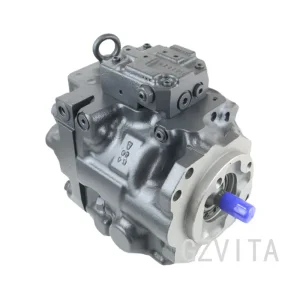
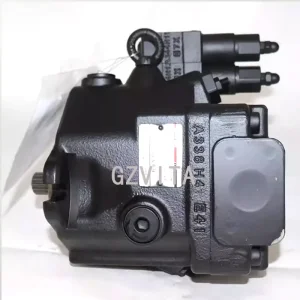
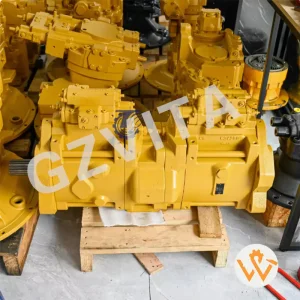
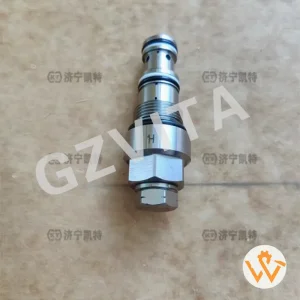
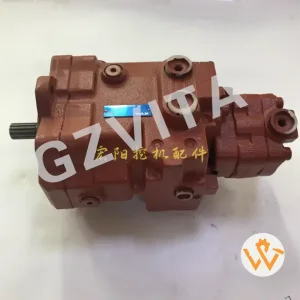
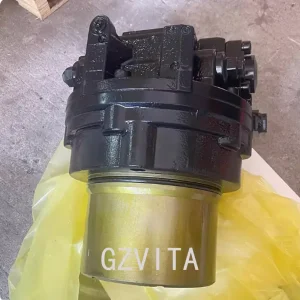
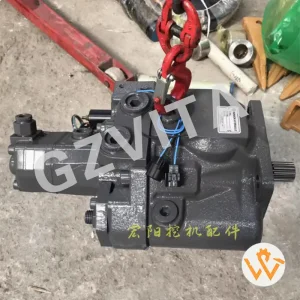
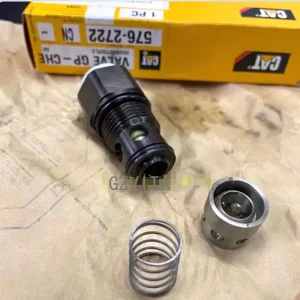
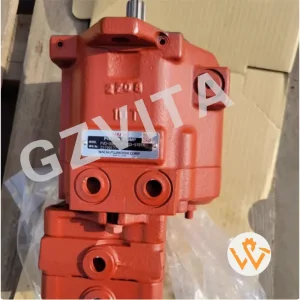
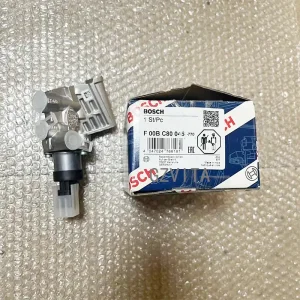
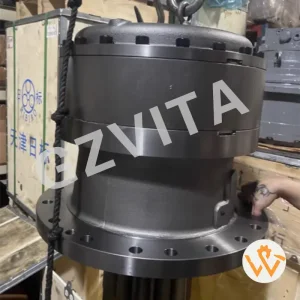
Explore our selection of high-pressure piston pumps, final drive assemblies, and control valves engineered for heavy construction machinery.
 Vita Construction