 Vita Construction
1 / 2
Installing an engine valve lifter is a critical task that requires precision and attention to detail. The valve lifter, also known as a tappet, plays a vital role in the engine’s valve train by transferring motion from the camshaft to the valves. Here’s a step-by-step guide on how to install an engine valve lifter:
Ensure the engine is turned off and cool. Disconnect the battery to prevent any accidental starts.
Depending on your engine design, you may need to remove the valve cover, intake manifold, or other components to access the valve lifters. Refer to your engine’s service manual for specific instructions.
Before installing new lifters, inspect the camshaft and the lifter bores for any signs of wear or damage. Clean the area thoroughly to remove any debris or old oil.
If you are installing new valve lifters, soak them in clean engine oil for a few hours before installation. This helps ensure they are properly lubricated when the engine starts.
Carefully place each valve lifter into its respective bore in the engine block. Ensure they are seated properly and can move freely within the bore.
If your engine uses pushrods, reinstall them over the lifters, ensuring they are aligned correctly with the rocker arms.
If applicable, reinstall the rocker arms over the pushrods and lifters. Ensure they are positioned correctly and can move freely.
Use a torque wrench to tighten the rocker arm bolts to the manufacturer’s specified torque settings. This is crucial to ensure proper operation and prevent damage.
Reinstall any components that were removed to access the lifters, such as the valve cover and intake manifold. Make sure to replace any gaskets as needed to prevent leaks.
Once everything is reassembled, reconnect the battery.
Start the engine and let it idle for a few minutes. Listen for any unusual noises, which could indicate improper installation. Check for oil pressure and ensure that the lifters are functioning correctly.
After the engine has run for a short period, turn it off and check for any leaks around the valve cover and other reassembled components.
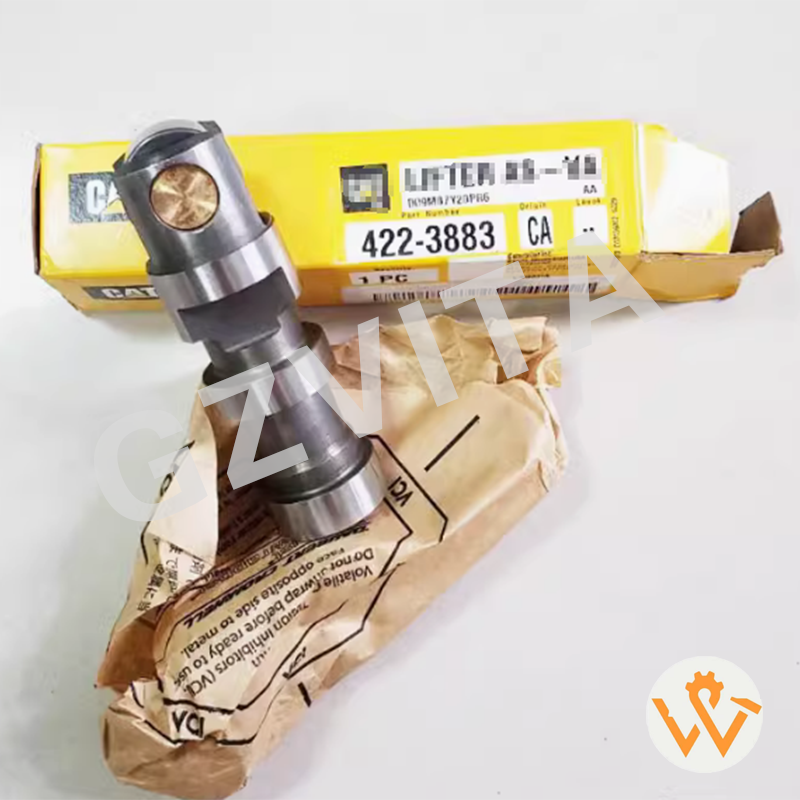
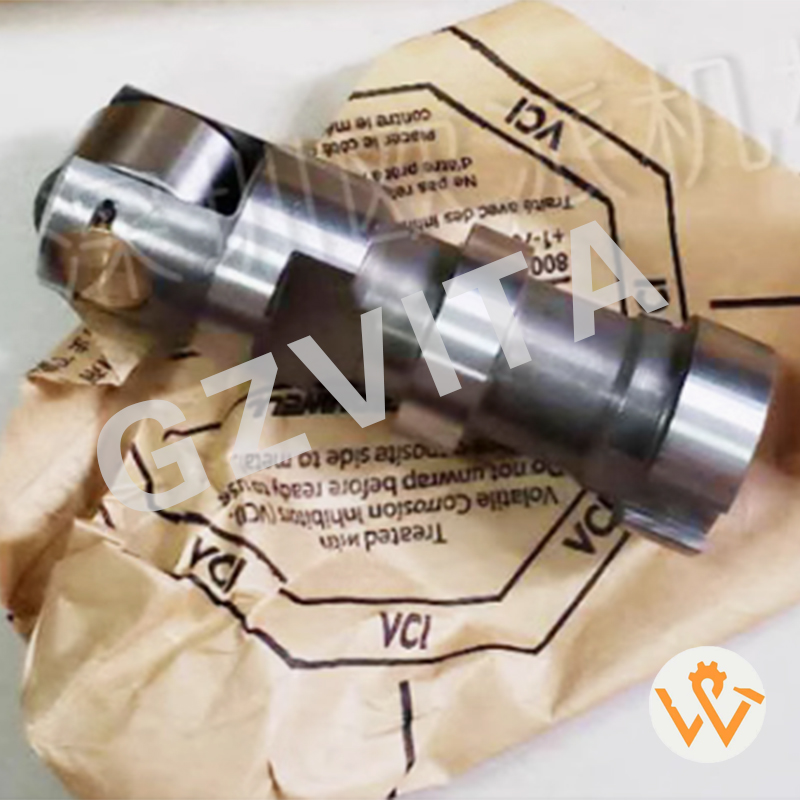
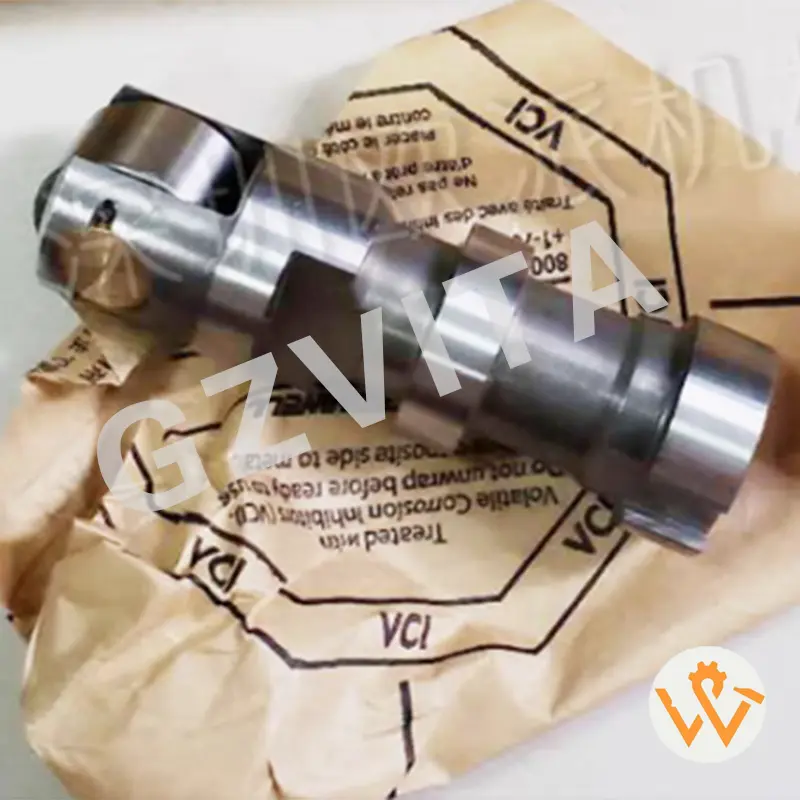
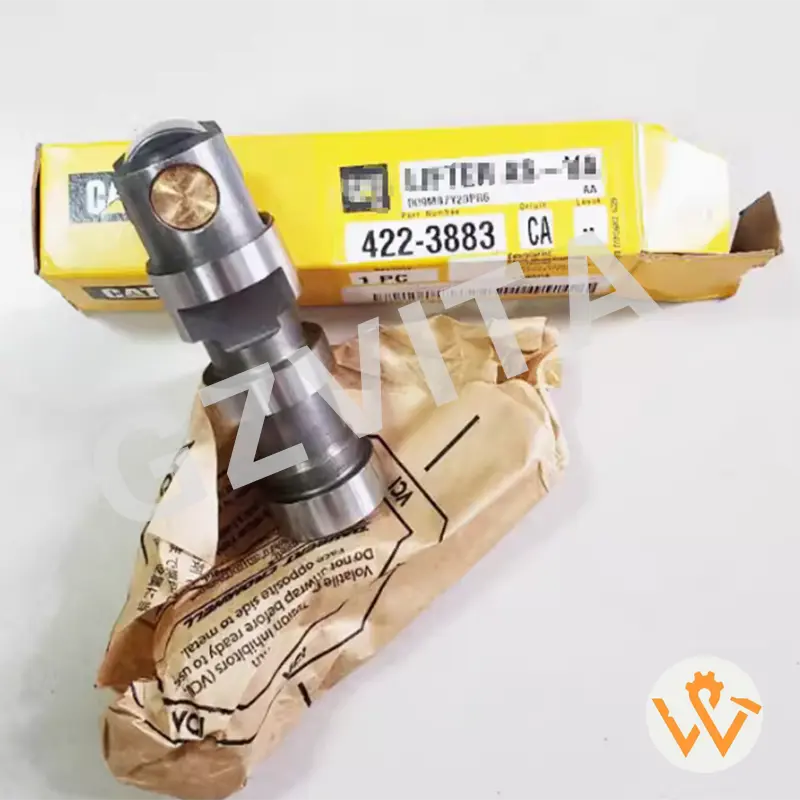
The valve lifter (or tappet) is a component in the valvetrain that rides on the camshaft and transfers motion to the pushrods or valves, ensuring precise valve opening and closing timings.
Soaking valve lifters in clean oil for a few hours primes them with necessary internal lubrication, minimizing wear and ensuring correct oil pressure when the engine starts up for the first time.
Common symptoms include a repeating clicking or ticking sound from the cylinder head area, engine misfires, performance lag, or uneven wear detected during visual inspections of the lifter surfaces.
If you are replacing flat-tappet lifters, it is highly recommended to replace the camshaft at the same time for correct break-in. For roller lifters, replacing the camshaft may not be required if it passes a thorough wear inspection.
Torque settings are critical. Over-tightening can strip the threads or bind the valve mechanism, while under-tightening can cause the rocker arms to loosen during operation. Always follow your engine manufacturer's specific torque limits.
Yes, a slight ticking is common on initial startup while oil circulates and fully pressurizes the new lifters. The sound should subside within a few minutes of engine idling.