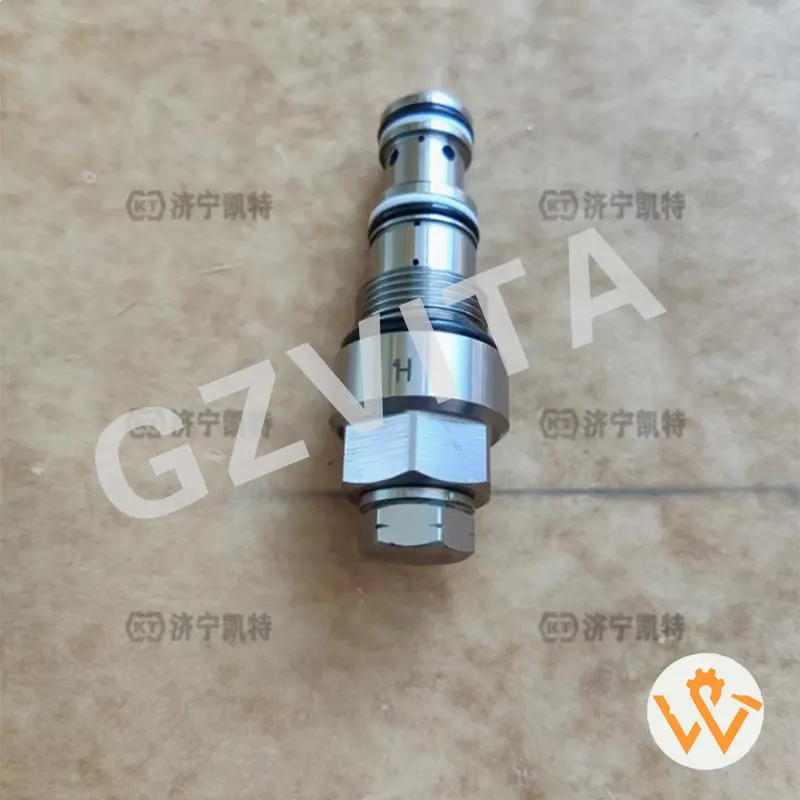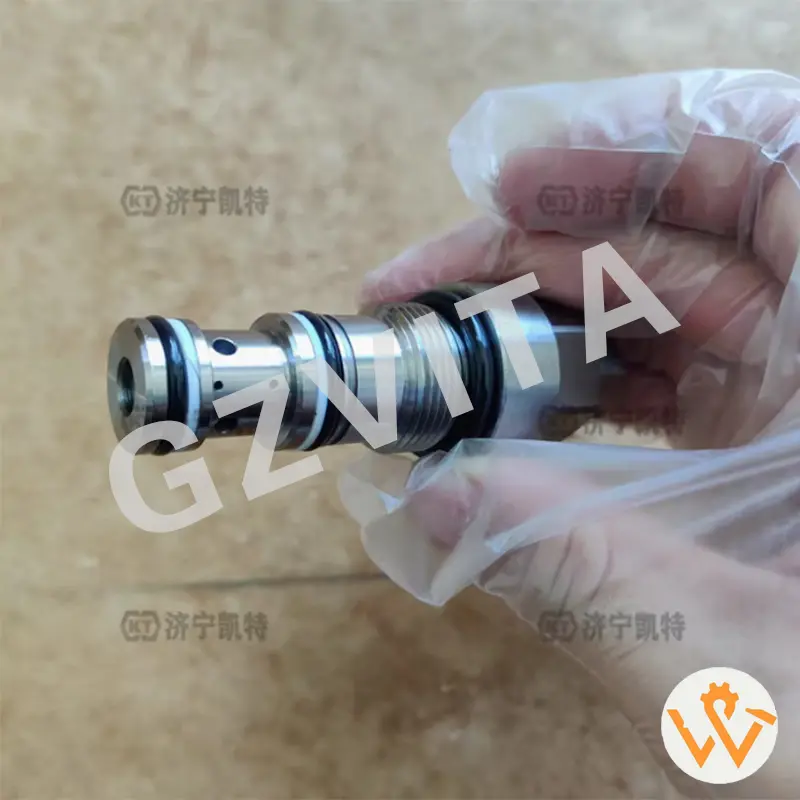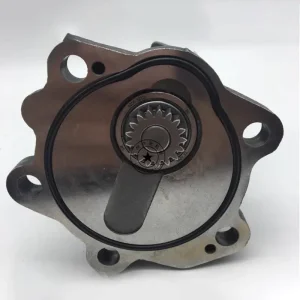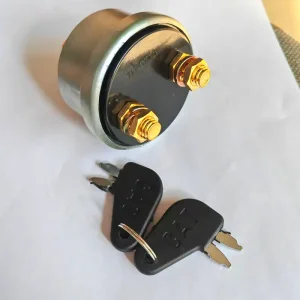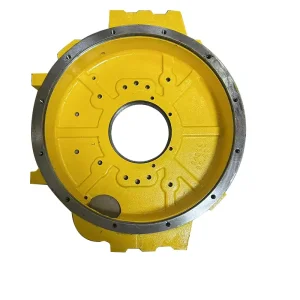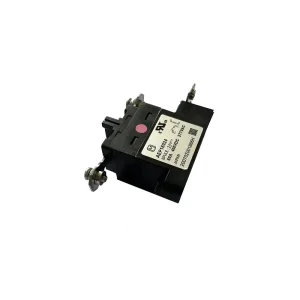
High-Quality 723-40-51102 723-40-51100 723-40-91100 91102 Main Valve Main Relief Control Valve for PC200-6 PC200-7 Factory, Company

Maximum pressure limitation – Prevents system pressure from exceeding safe levels.

Hydraulic system protection – Protects pumps, valves, and cylinders from overpressure damage.

Pressure relief function – Diverts excess pump flow to tank when pressure reaches set point.

Load holding safety – Maintains pressure in cylinders when controls are in neutral.

Thermal management – Relieves pressure to reduce heat generation during stalling.

Shock absorption – Cushions pressure spikes from sudden load changes.

Pump unloading – Allows pump flow to return to tank at low pressure when not needed.

Energy conservation – Reduces power loss and fuel consumption by unloading the pump.

Stall prevention – Prevents engine stalling by relieving pressure at maximum setting.

Cylinder and hose protection – Prevents bursting of hoses and seals.

Stable operation – Maintains consistent system pressure for smooth machine control.

Emergency pressure release – Provides a safe pressure release path in fault conditions.

Boom and arm safety – Holds boom and arm in position without drifting.

Swing brake engagement – Maintains pressure for swing parking brake application.

Travel motor protection – Prevents overpressure in travel circuits.

Implement circuit security – Safeguards attachment hydraulic circuits.

Pilot system pressure regulation – May regulate pressure for pilot control circuits.

Sequence valve function – In some systems, directs flow based on pressure.

System pressure calibration point – Used to set and verify main system pressure.

Noise reduction – Reduces hydraulic noise by preventing excessive pressure.

Cavitation prevention – Maintains sufficient back pressure to avoid vacuum conditions.

Leakage compensation – Compensates for internal leakage in cylinders and valves.

Load sensing system integration – Works with load sensing pumps to control flow.

Multi-function valve operation – May have multiple relief settings for different functions.

Thermal relief capability – Opens at lower pressure if oil temperature is too high.

Anti-shock valve coordination – Works with anti-shock valves to dampen shocks.

Electric override capability – Some models have solenoid-controlled unloading.

Manual override provision – For emergency operation or testing.

Pressure adjustment capability – Can be adjusted to match different working conditions.

System diagnostics indicator – Abnormal pressure readings can indicate other system faults.

Product Description

Product Introduction

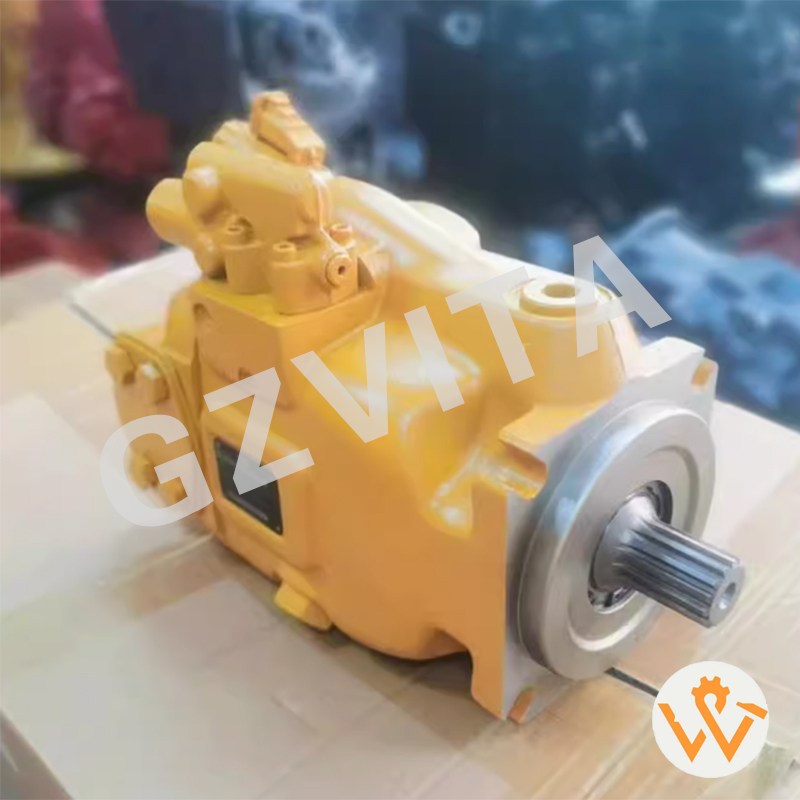
The excavator piston pump plays a crucial role in the hydraulic system of an excavator, which is essential for its operation. Here are the key functions and roles of the excavator piston pump:

Hydraulic Fluid Generation

The piston pump generates hydraulic fluid pressure by using pistons to compress hydraulic oil. This pressurized fluid is essential for powering various hydraulic components of the excavator.

Powering Hydraulic Functions

The hydraulic pressure produced by the piston pump is used to operate the excavator’s hydraulic cylinders, which control the movement of the boom, arm, bucket, and other attachments. This allows for precise and powerful movements necessary for excavation tasks.

Efficiency and Performance

Piston pumps are known for their high efficiency and ability to deliver a consistent flow of hydraulic fluid under varying loads. This ensures that the excavator can perform effectively in different working conditions.

Variable Displacement

Many excavator piston pumps are designed with variable displacement capabilities, allowing them to adjust the flow rate and pressure based on the demands of the hydraulic system. This feature enhances the machine’s performance and fuel efficiency.

Durability and Reliability

Piston pumps are built to withstand high pressures and harsh working environments, making them a reliable choice for heavy machinery like excavators. Their robust design contributes to the overall longevity of the hydraulic system.

Control and Precision

The hydraulic system, powered by the piston pump, allows for precise control of the excavator’s movements. Operators can make fine adjustments to the position and force applied by the excavator’s components, which is critical for tasks that require accuracy.

Excavator piston pump is a vital component that enables the hydraulic system to function effectively, providing the necessary power and control for the excavator’s operations.
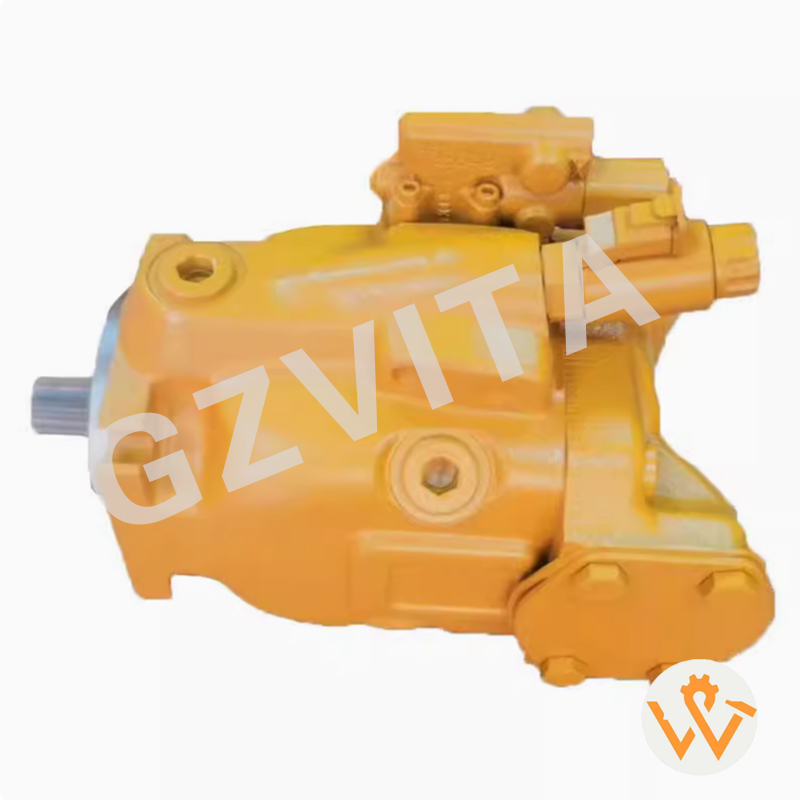
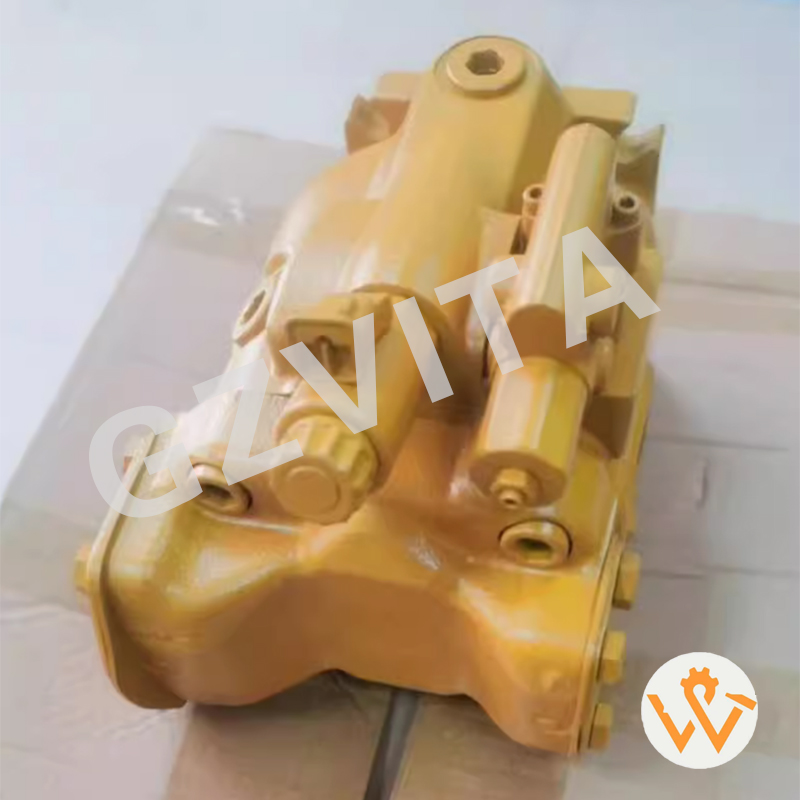
Product Display

Frequently Asked Questions

What is the primary function of an excavator piston pump?
The primary function of the excavator piston pump is to generate hydraulic pressure by compressing hydraulic oil. This pressurized fluid is then routed to various hydraulic components, powering the overall machinery.
How does the piston pump power the excavator's movements?
It directs pressurized hydraulic fluid into the excavator's cylinders. This fluid flow controls the movement and power of essential components, including the boom, arm, bucket, and other attachments.
What are the advantages of variable displacement in piston pumps?
Variable displacement allows the pump to dynamically adjust its flow rate and pressure matching the hydraulic system's current load demands. This function optimizes machine performance while lowering fuel consumption.
Why are piston pumps preferred for demanding excavation environments?
Piston pumps are constructed to withstand extreme high-pressure levels and harsh, demanding working environments, making them highly durable and reliable for heavy machinery.
How does a piston pump contribute to high-precision work?
By delivering highly consistent hydraulic power, it gives operators fine, responsive control over the positioning and force of the excavator's attachments, ensuring accuracy during tasks.
For which excavator model is the Piston Pump 487-6223 designed?
The Piston Pump 487-6223 is a main pump designed specifically for use in the CAT310 excavator.

Related Products