In the realm of large-bore reciprocating internal combustion engines, particularly those running on the two-stroke cycle, the cylinder liner is one of the most critical tribological interfaces. Two-stroke engines are frequently utilized in main marine propulsion systems and large-scale stationary power plants. These engines demand an exceptional level of mechanical durability, heat transfer efficiency, and wear resistance. Consequently, selecting a premier 2-stroke cylinder liner manufacturer is a paramount decision for global fleet managers, engine builders, and procurement officers.
Unlike four-stroke variants, two-stroke cylinder liners feature integrated scavenging and exhaust ports along their walls. These ports introduce complex thermal expansion gradients, structural discontinuity, and challenging lubrication dynamics. Therefore, the design, casting, machining, and honing of these components require a deep understanding of material science and mechanical stress analysis to prevent premature liner wear, scuffing, or micro-seizure.
Modern 2-stroke liners are manufactured using centrifugal casting of alloyed gray cast iron. Infused with specific elements like phosphorus, chromium, vanadium, and boron, the resulting microstructures provide exceptional resistance to both abrasive and corrosive wear. The inclusion of lamellar graphite acts as a natural reservoir for lubricating oils, mitigating dry-running conditions during startup or load transients.
Specialized port profiling and wave-cut cylinder lubrication grooves ensure that lubricating oil is distributed evenly across the piston rings' path. Additionally, modern designs utilize cold-corrosion mitigation techniques, such as insulating sleeves or optimized water jacket cooling configurations, to control liner wall temperatures above the acid condensation threshold.
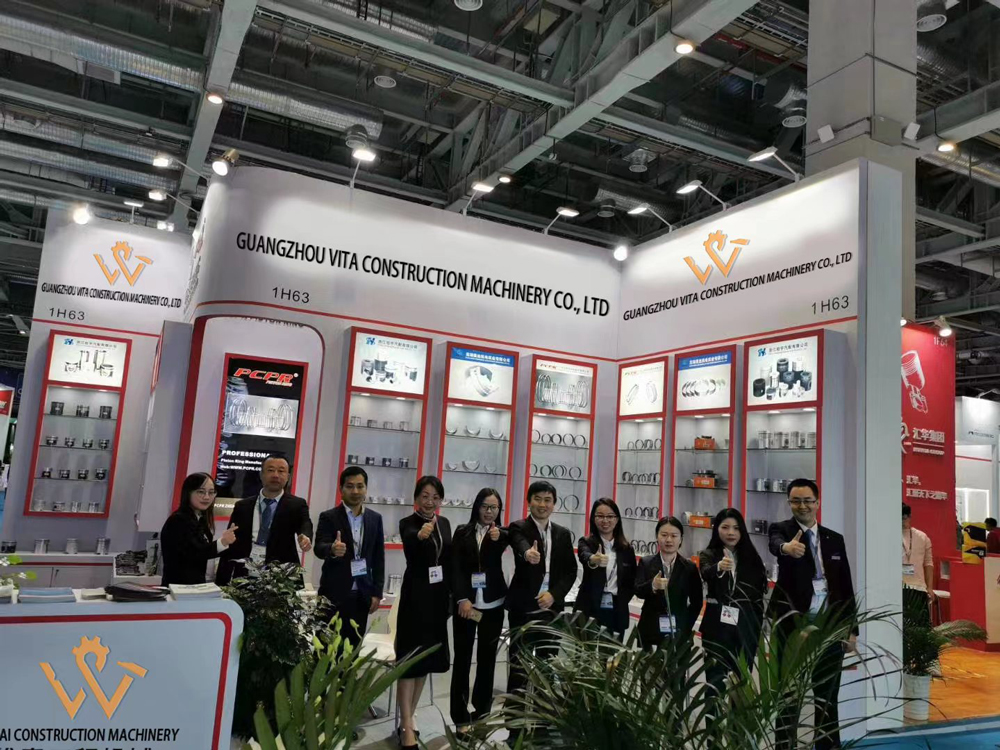
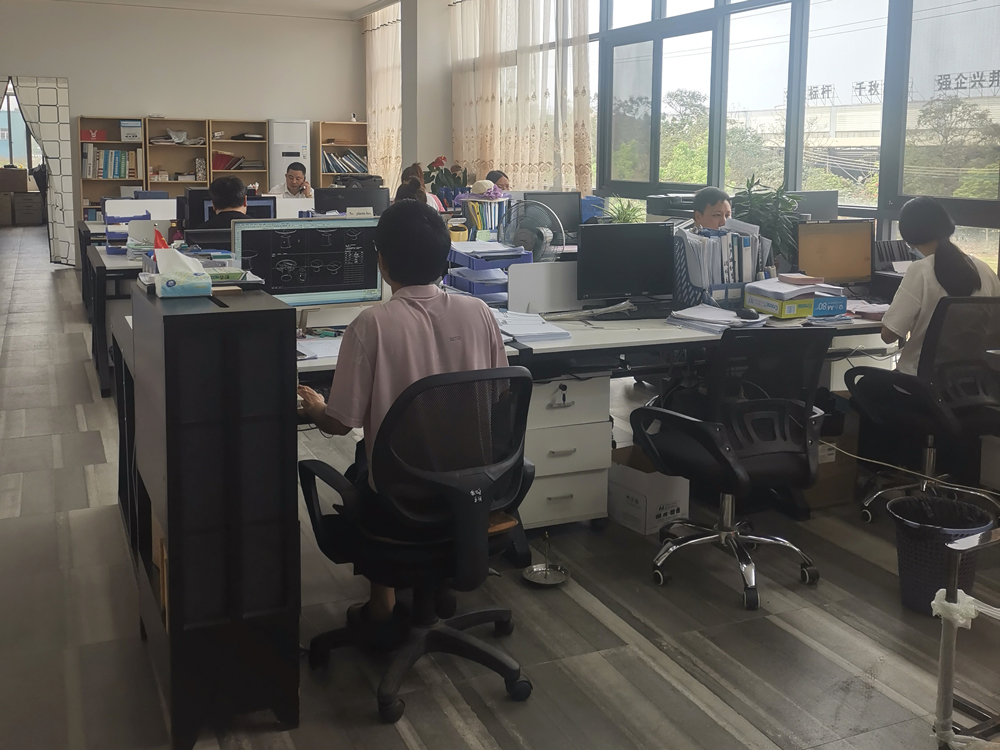
Guangzhou Vita Construction Machinery Co., Ltd. is one of the largest company that combines factory and foreign trade. The factory is located in Xiangyang City, Hubei Province, there are more than 18,000 square meters workshop with several advanced production machines, more than 278 well trained and skilled workers and around 8 experienced engineers assure the good product quality as well as fast and accurate delivery.
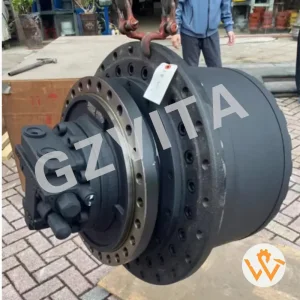
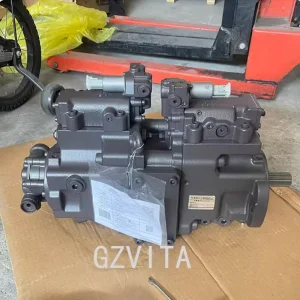
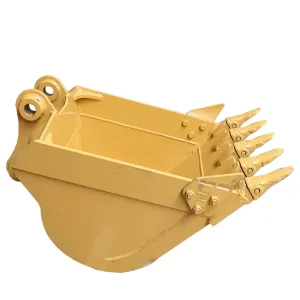
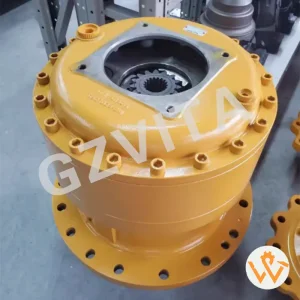
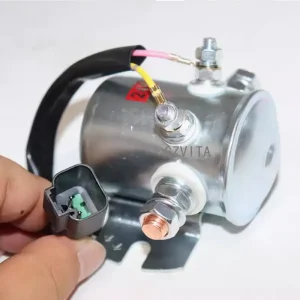
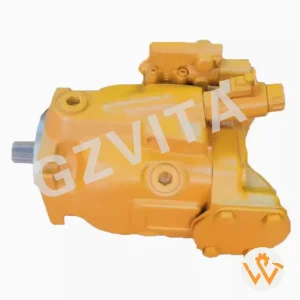
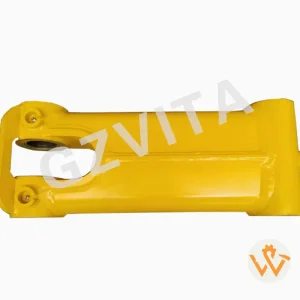
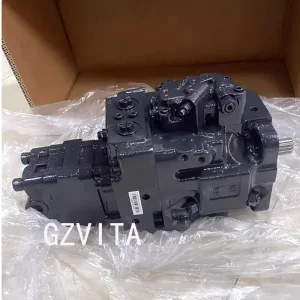
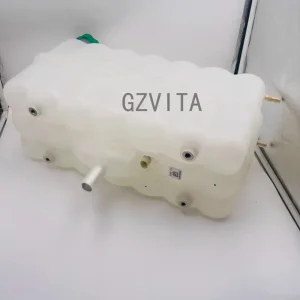
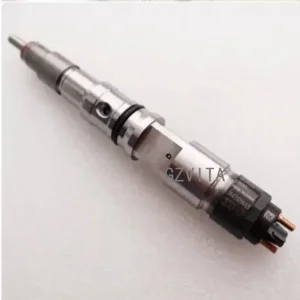
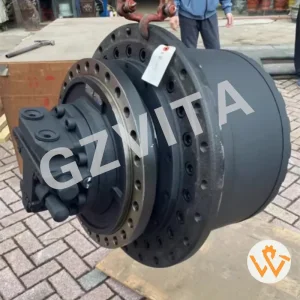
We specialize in producing, developing and selling the whole range of construction machinery parts. Such as engine assembly, hydraulic pump, final drive, electric generating set, engine bearing (Main bearings con Rod Bearing series), crankshafts, engine valves, gear pumps, cylinder, all kinds of filters, excavator bucket, undercarriage parts for excavator and bulldozer... which are used as replacement of many type of machines, the brand include Komatsu, Volvo, Sumitomo, Caterpillar, Kubota, Hitachi, John Deere, Kobelco, Hyundai, Kato, Sany, XCMG, SUNWARD, and other well-known brands.
Explore our advanced facilities in Xiangyang City, Hubei Province, where precision and industrial expertise converge.
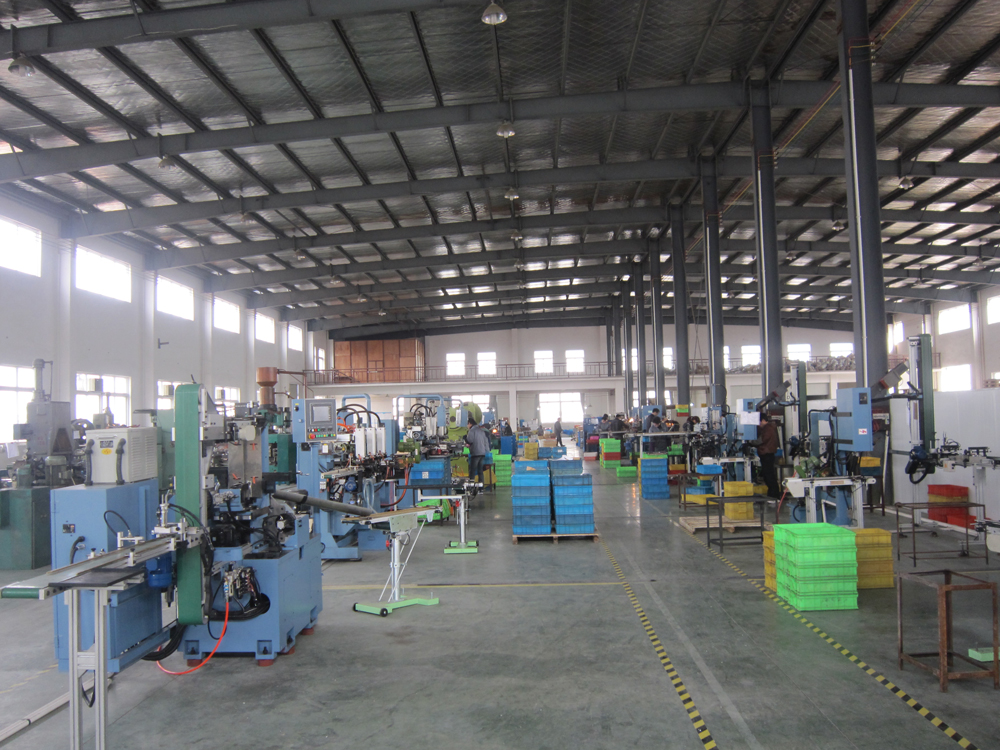
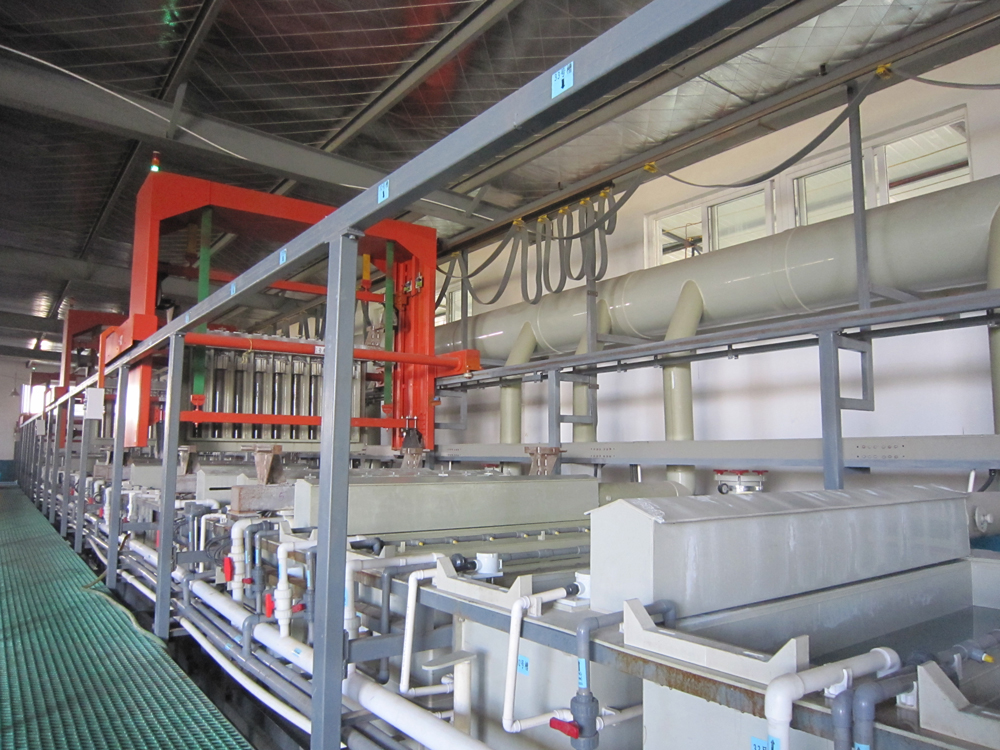
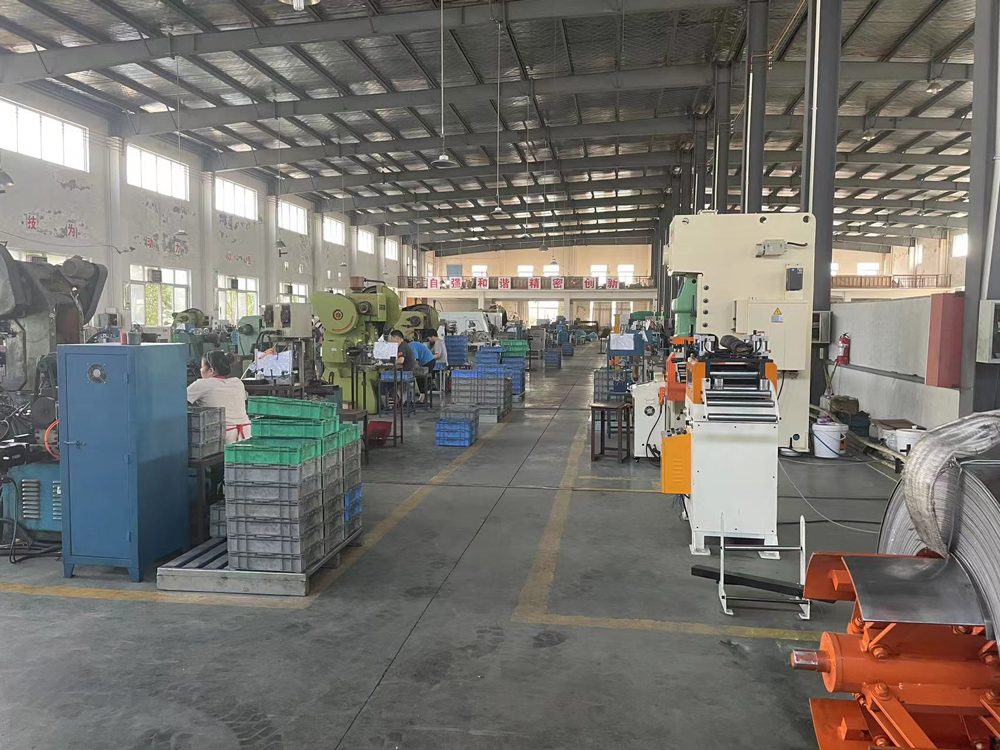
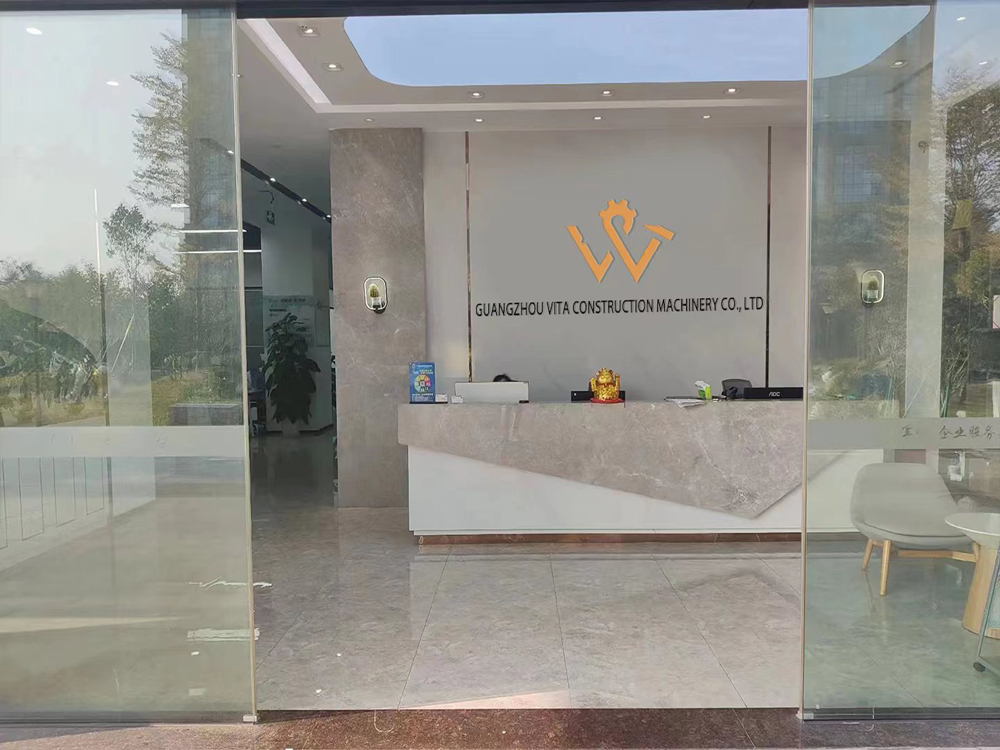
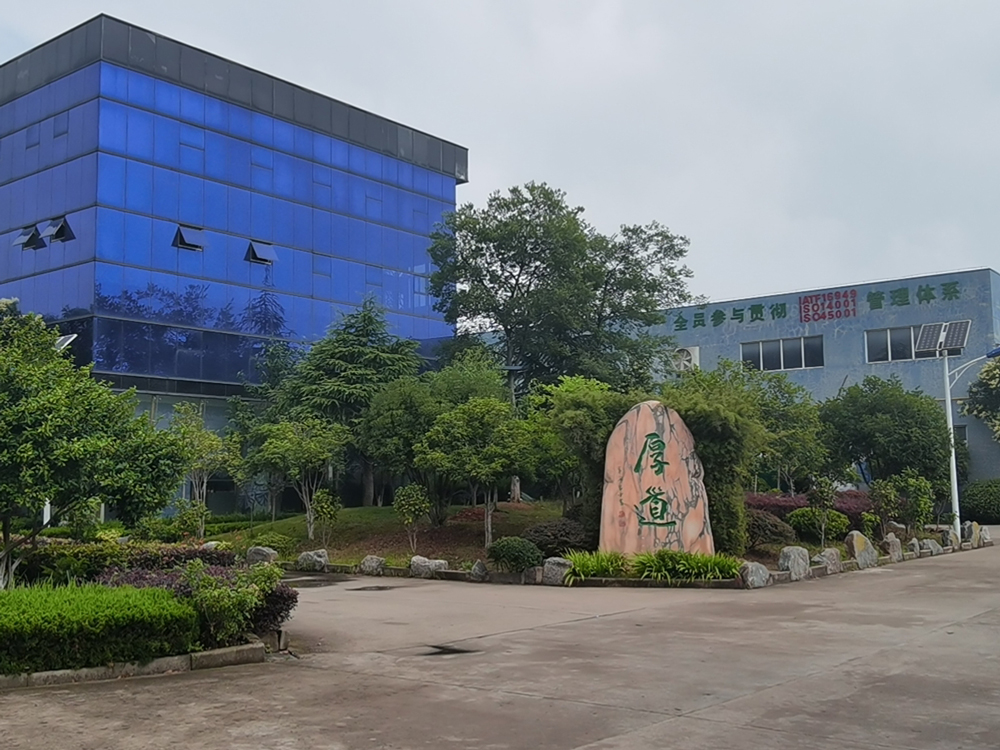
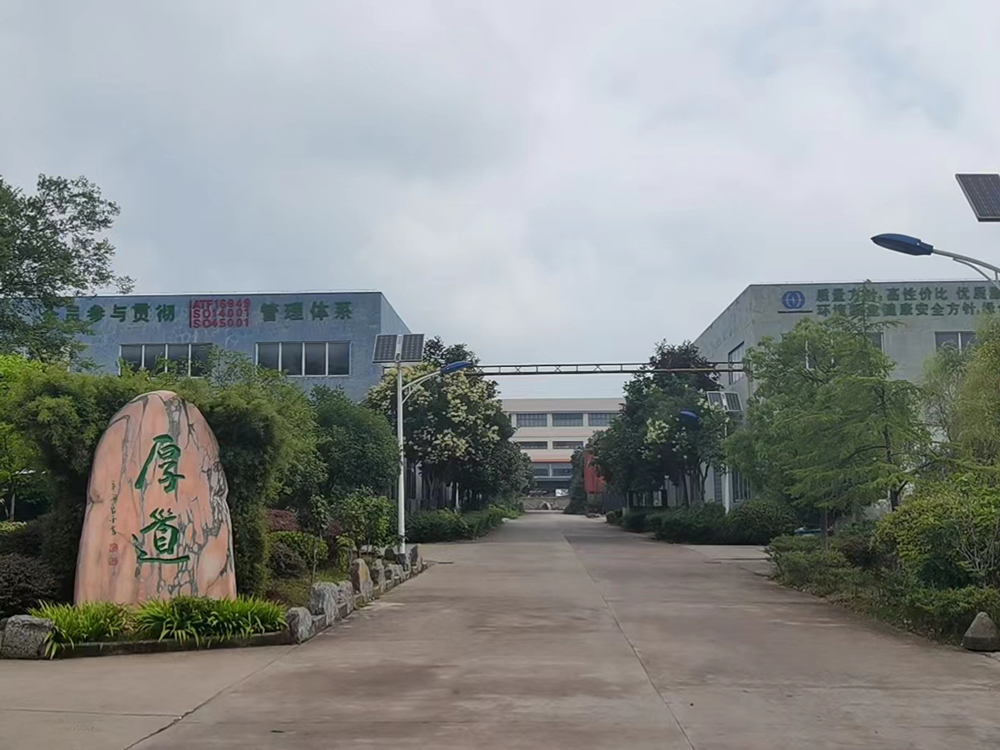
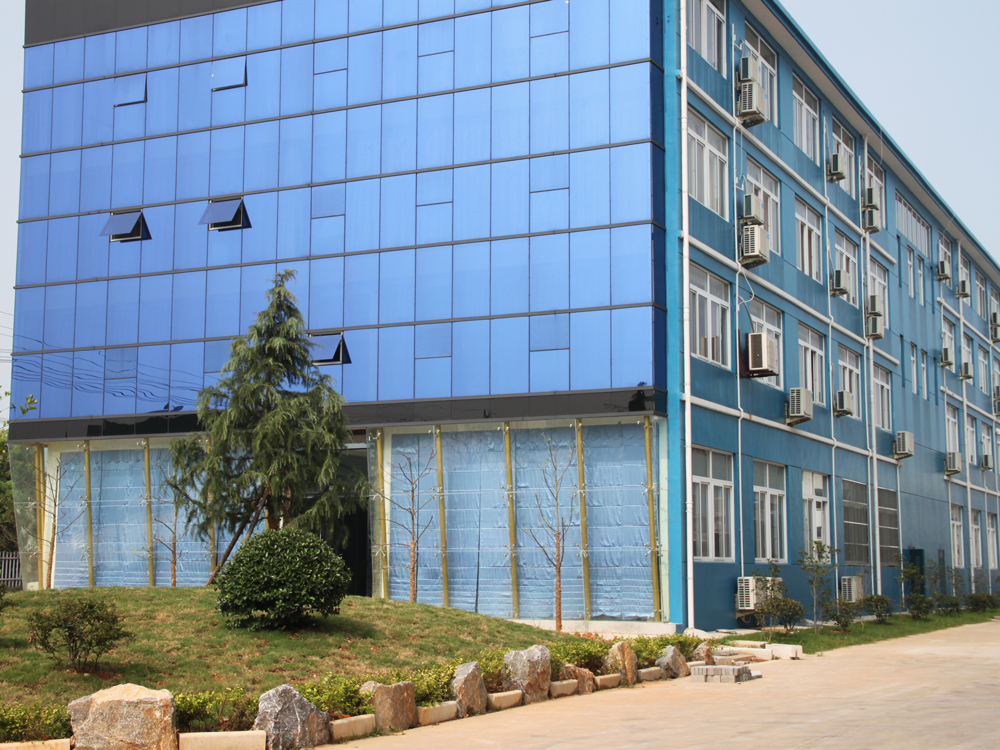
China's manufacturing sector has transitioned from a volume-focused industry to a global powerhouse in high-precision metallurgy. Chinese manufacturers, particularly those concentrated in industrial zones like Hubei and Guangdong, offer immense structural and technological advantages:
Proximity to premium raw material refineries allows Chinese manufacturers to obtain customized alloy components, such as low-copper, boron-carbide graphite, at lower costs. These materials are essential for producing heavy-duty cylinder liners that resist wear and thermal cracking.
Chinese foundries utilize advanced centrifugal casting machinery alongside computerized furnace spectrometers. This setup ensures even distribution of graphite flakes and alloy components, eliminating internal air pockets and structural weak spots in the cast iron.
Large facility footprints, like Guangzhou Vita's 18,000-square-meter facility, allow for concurrent production of diverse liner profiles. This flexibility reduces production timelines, helping maritime and mining operations secure replacement liners with minimal delays.
The global shipping and industrial power sectors are undergoing rapid changes. Stricter environmental rules are driving developers of large internal combustion systems to seek new designs and technologies:
The marine industry's transition to alternative fuels—such as LNG, Liquefied Petroleum Gas (LPG), Ammonia (NH3), and Green Methanol—has introduced new chemical conditions inside combustion chambers. Ammonia combustion, for example, generates corrosive byproducts that can degrade standard gray cast iron. Manufacturers must adapt by using customized high-chromium alloys and protective liner coatings to resist chemical corrosion and preserve cylinder longevity.
Modern, high-efficiency diesel engines run at higher cylinder pressures and lower temperatures to optimize fuel usage. This setup can cause sulfuric acid condensation, which corrodes liner surfaces. Modern manufacturers address this by using insulated liners and temperature-controlled cooling jackets to keep surface temperatures above the acid dew point, balancing efficiency with durability.
Laser honing and plateau honing are now industry standards. By carving micro-scale patterns on the cylinder walls, oil retention is improved under high pressure. This technique reduces friction losses by up to 10% and significantly extends the lifespan of both the cylinder liner and the piston rings.
Procuring cylinder liners requires an understanding of the specific operating conditions the engine will face. Different industries require tailored engineering specifications:
Crosshead two-stroke engines on cargo vessels run continuously for weeks. These engines require liners designed to handle varying fuel qualities, such as high-sulfur heavy fuel oils and low-sulfur marine gas oils, without experiencing excessive wear.
In stationary power generation, engines run under variable loads to balance electrical grids. Liners must withstand thermal cycling and resist warping during rapid load increases, ensuring consistent engine compression and power output.
For excavation and transport equipment operated by brands like Caterpillar, Komatsu, and Sany, replacement components must fit precise tolerances. This ensures heavy machinery operates reliably in dusty, high-vibration environments.
 Vita Construction