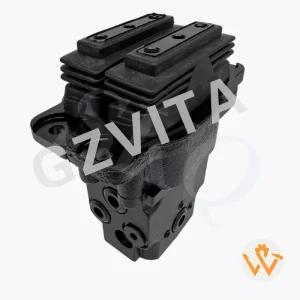
The modern automotive and heavy machinery sectors have shifted paradigms, moving from purely mechanical hardware to software-defined electronic architectures. At the core of this transformation is the Engine Control Unit (ECU), or Engine Control Module (ECM). The ECU functions as the brain of the vehicle, continuously monitoring inputs from a labyrinth of sensors to regulate crucial engine operations such as fuel injection timing, air-fuel ratio calibration, ignition timing, and emission mitigation systems.
In automotive applications, the drive toward electrification, hybrid powertrains, and autonomous driver-assistance systems (ADAS) demands ECU architectures that are highly integrated, functionally safe, and capable of processing billions of operations per second (GOPS). For off-highway industrial machinery and construction vehicles (like Komatsu, CAT, or Volvo Excavators), the requirements are even more rigorous. ECU boards must endure extreme thermal cycling, intense vibrations, and electromagnetic interference (EMI) while maintaining communication over complex CAN-bus networks.
To secure an edge in today's highly competitive industrial landscape, procurement officers and engineering directors look beyond standard manufacturing capabilities. They seek factories that prioritize semantic diagnostics, predictive fail-safe protocols, and functional safety standards (ISO 26262 / IATF 16949). Selecting the right ECU manufacturing partner directly impacts your equipment's reliability, environmental compliance, and long-term operating costs.
Guangzhou Vita Construction Machinery Co., Ltd. stands as a premier enterprise integrating specialized factory production with global trade. Our primary manufacturing facility is located in Xiangyang City, Hubei Province, housing a state-of-the-art workshop layout extending over 18,000 square meters. Equipped with advanced automated SMT production systems, precision CNC tooling stations, and automated optical inspection systems, our operations are optimized for high-reliability electronics assembly.
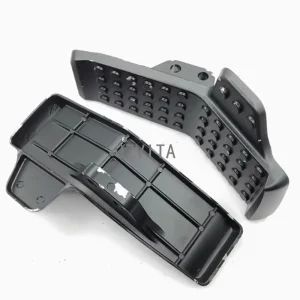
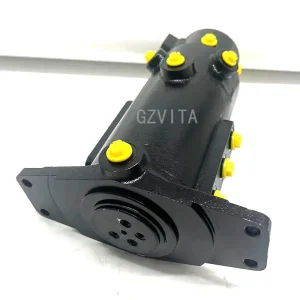
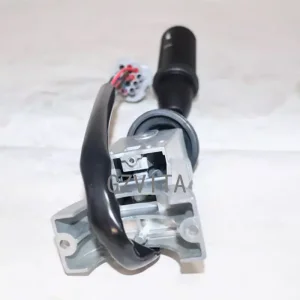
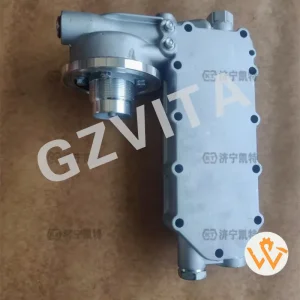
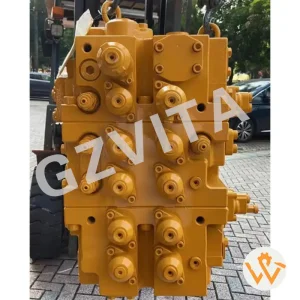
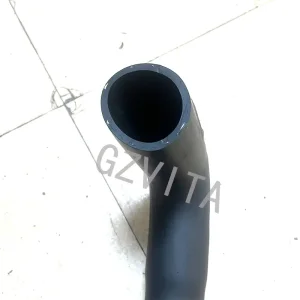
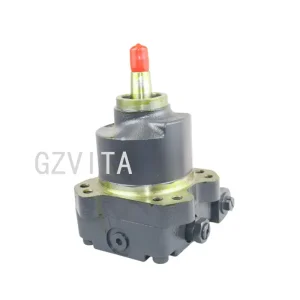
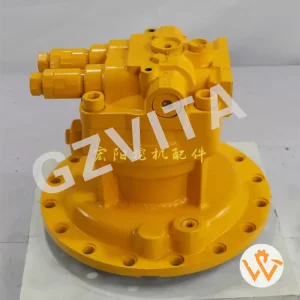
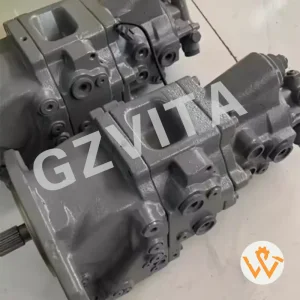
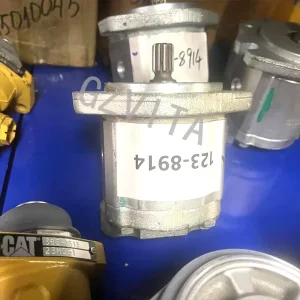
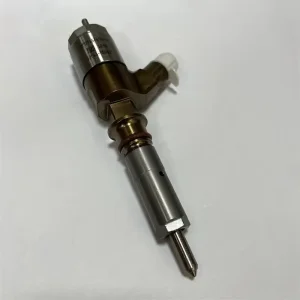
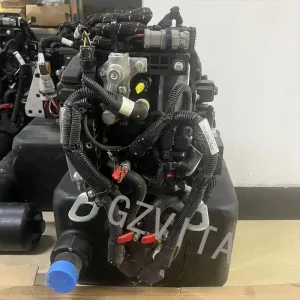
Supported by 278 highly trained technicians and a dedicated engineering division led by 8 senior industrial electrical and mechanical engineers, we guarantee rapid production cycles, precise dimensional control, and strict QA protocols. We specialize in producing, developing, and selling an extensive range of heavy-duty machinery parts. Our offerings span engine assemblies, engine control modules, hydraulic pumps, final drives, electric generators, heavy-duty engine bearings, crankshafts, engine valves, and comprehensive hydraulic distribution valves.
We provide direct OEM/ODM and aftermarket replacement solutions for leading international machinery brands, including Komatsu, Volvo, Sumitomo, Caterpillar, Kubota, Hitachi, John Deere, Kobelco, Hyundai, Kato, Sany, XCMG, and SUNWARD. Our technical team works to ensure that replacement modules, such as electronic controls, sensors, and pumps, interface seamlessly with original vehicle networks.
Every control module and engine component undergoes real-world operational simulation. Our factory in Xiangyang utilizes modern test benches to verify logic integrity, thermal thresholds, and physical sealing integrity before shipping to overseas buyers.
Beyond hardware assembly, our engineers assist global clients with ECU software flashing, calibration optimization, and diagnosing CAN communication protocols to ensure perfect compatibility across machinery brands.
A direct look inside our manufacturing facilities in Hubei, showing our assembly lines, component inventory, and heavy machinery testing areas.
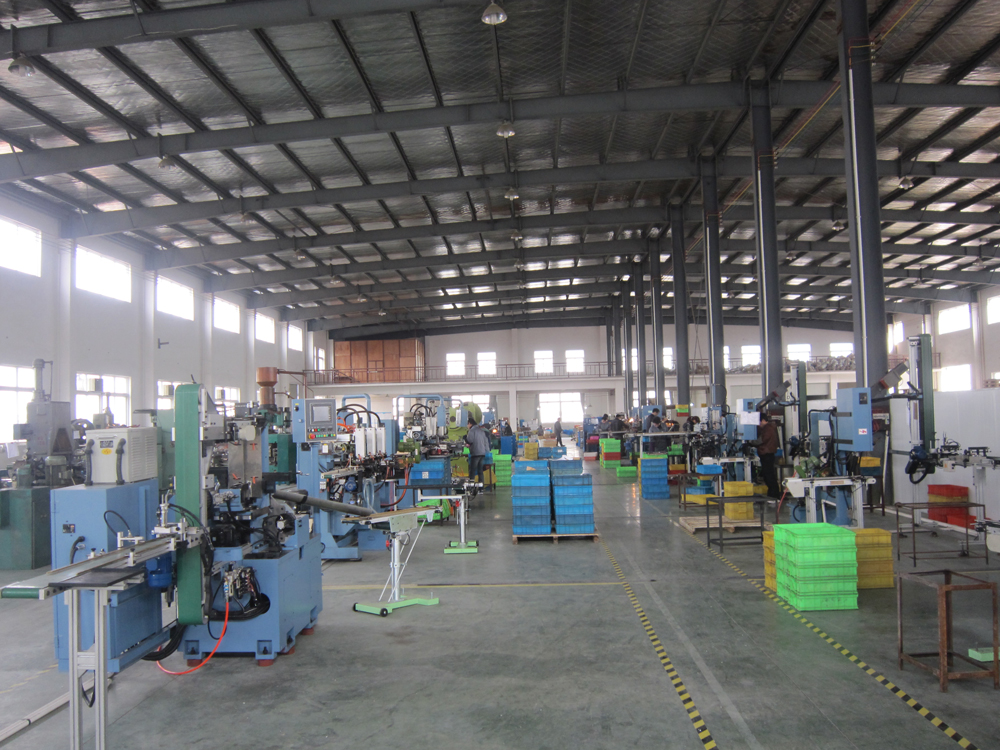
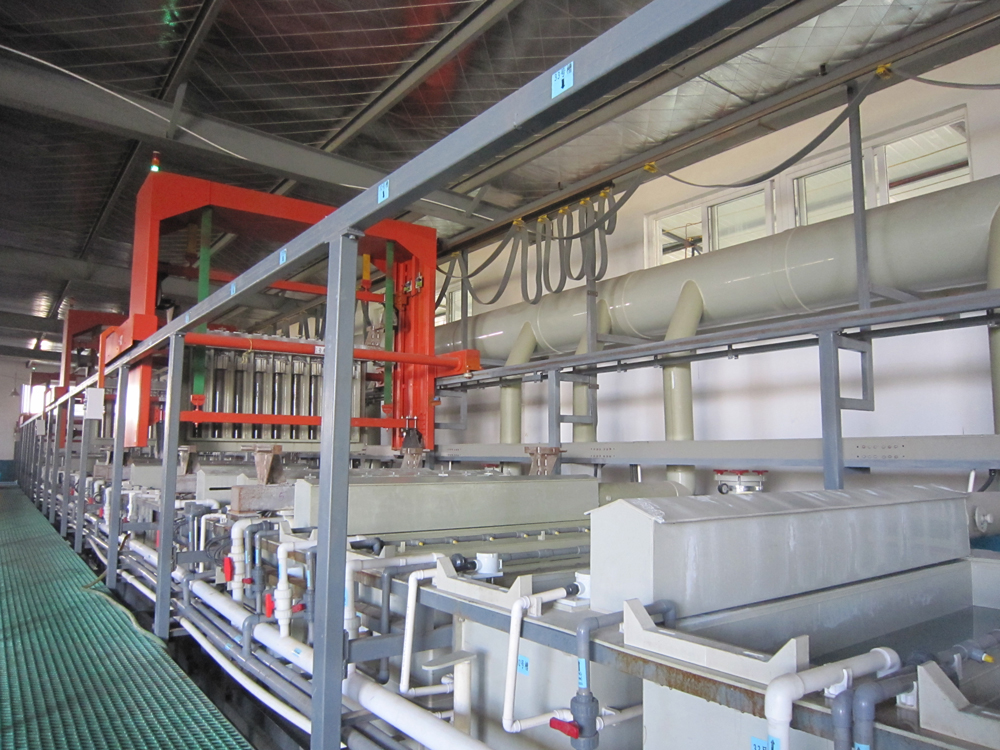
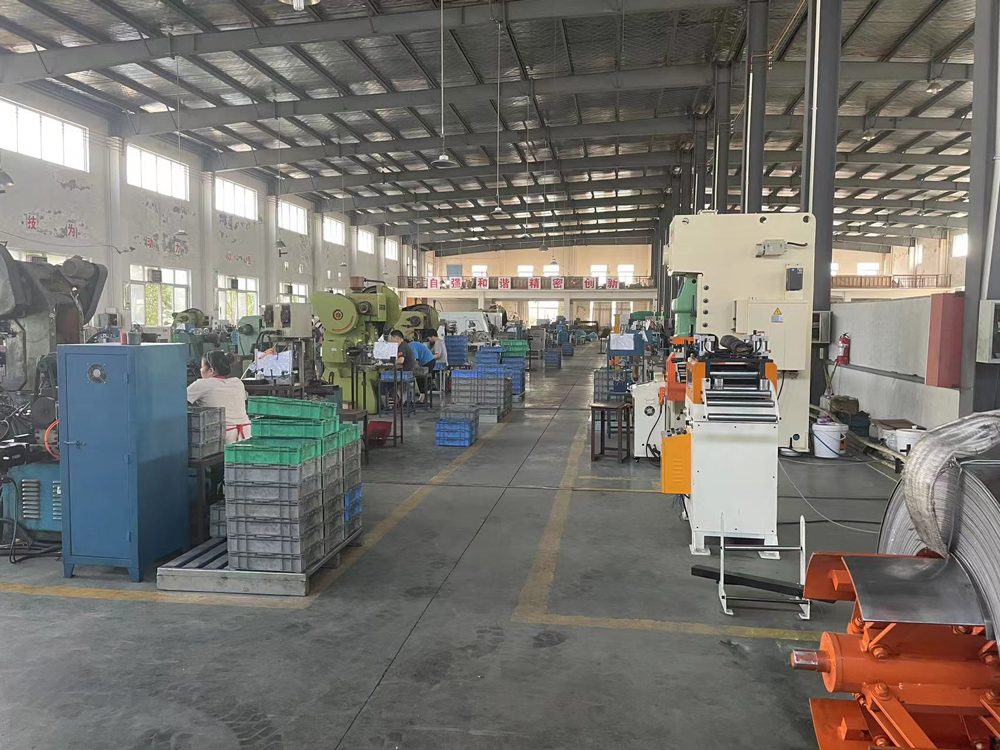
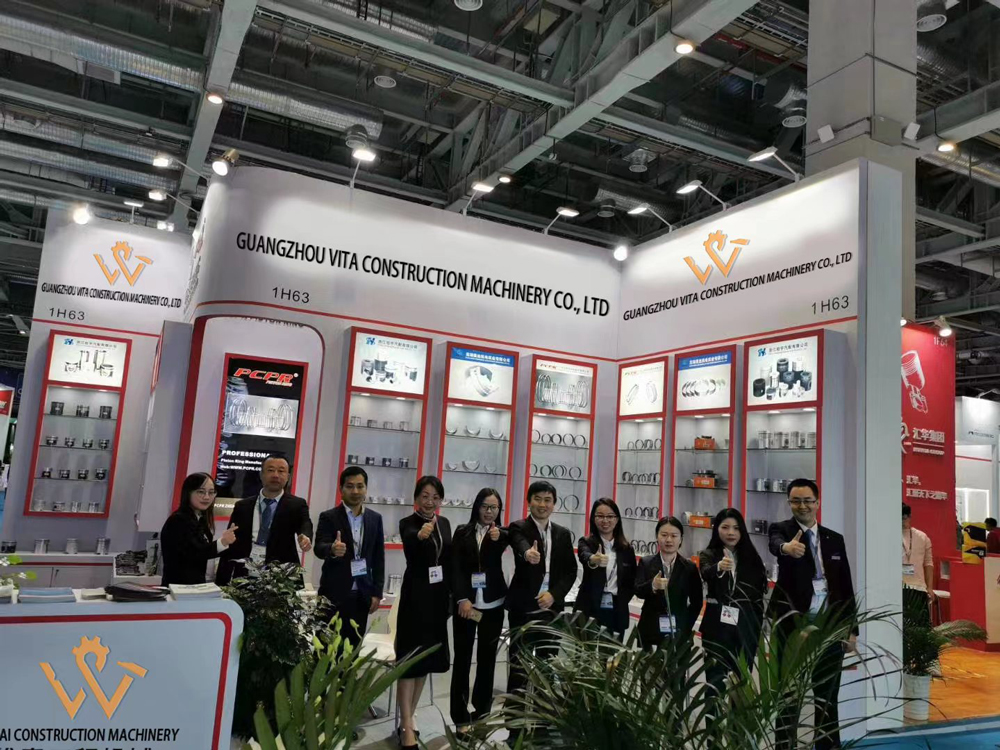
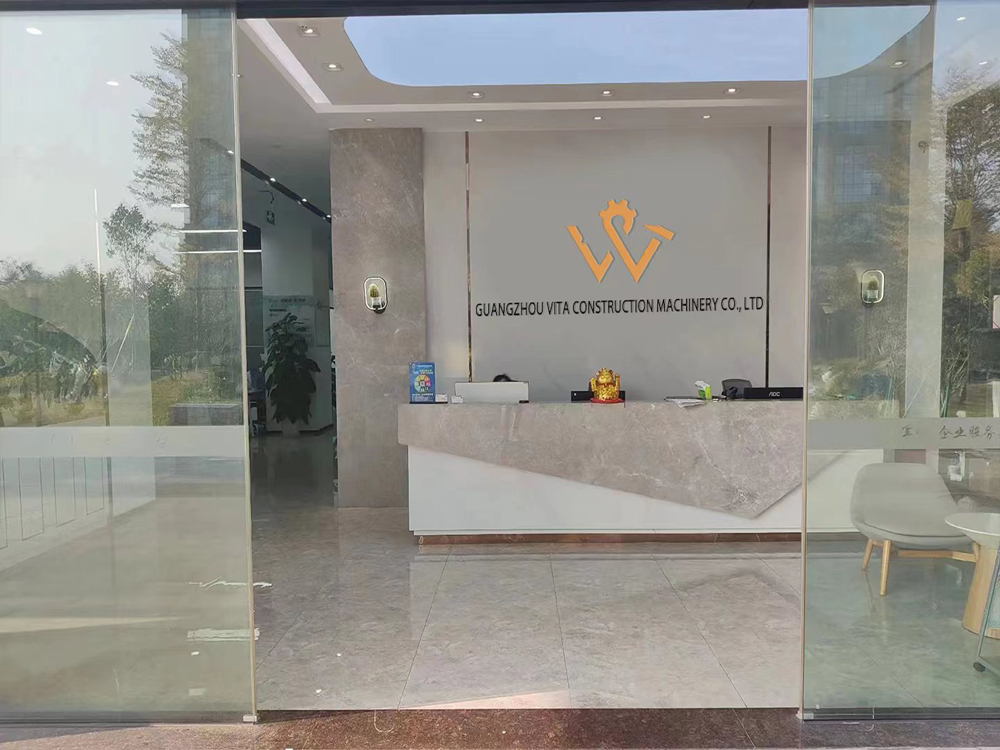
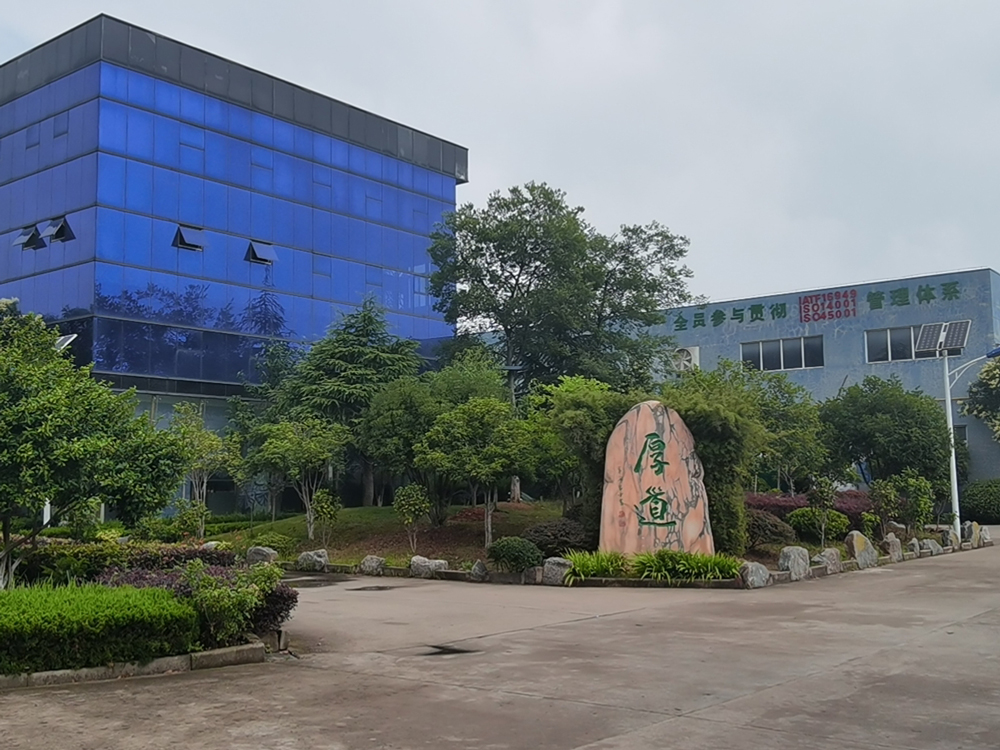
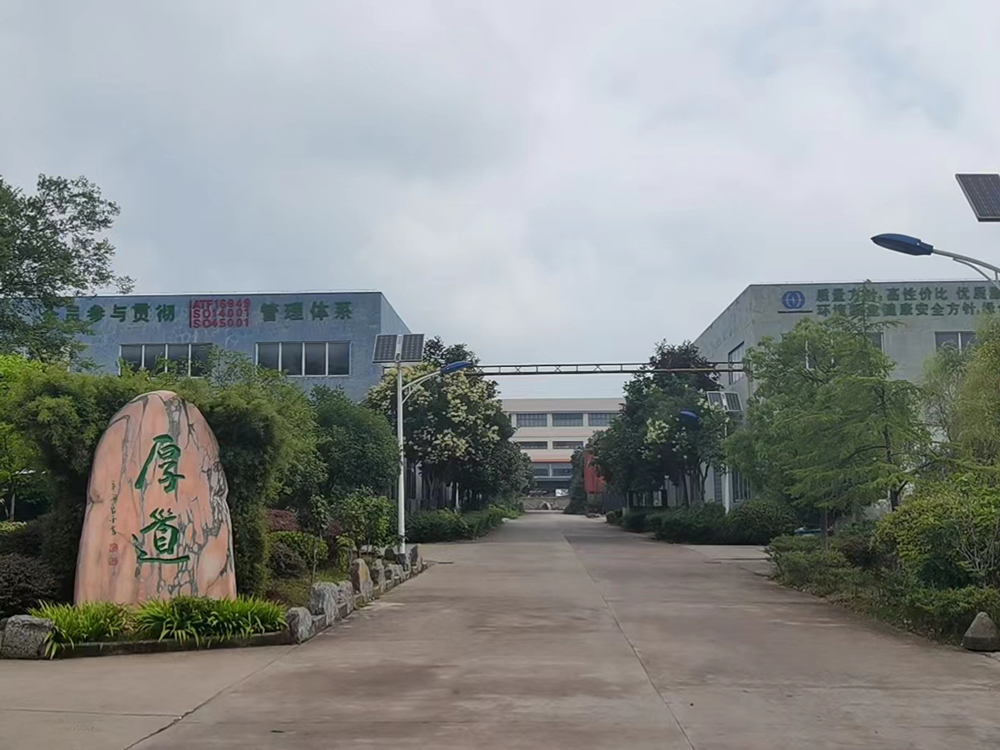
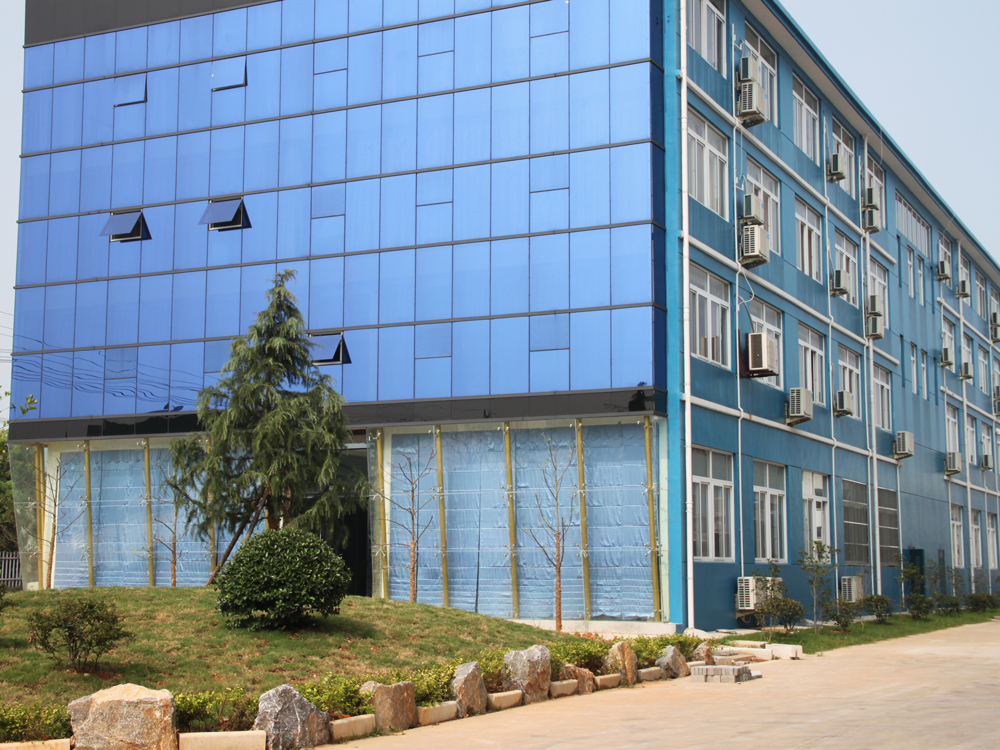
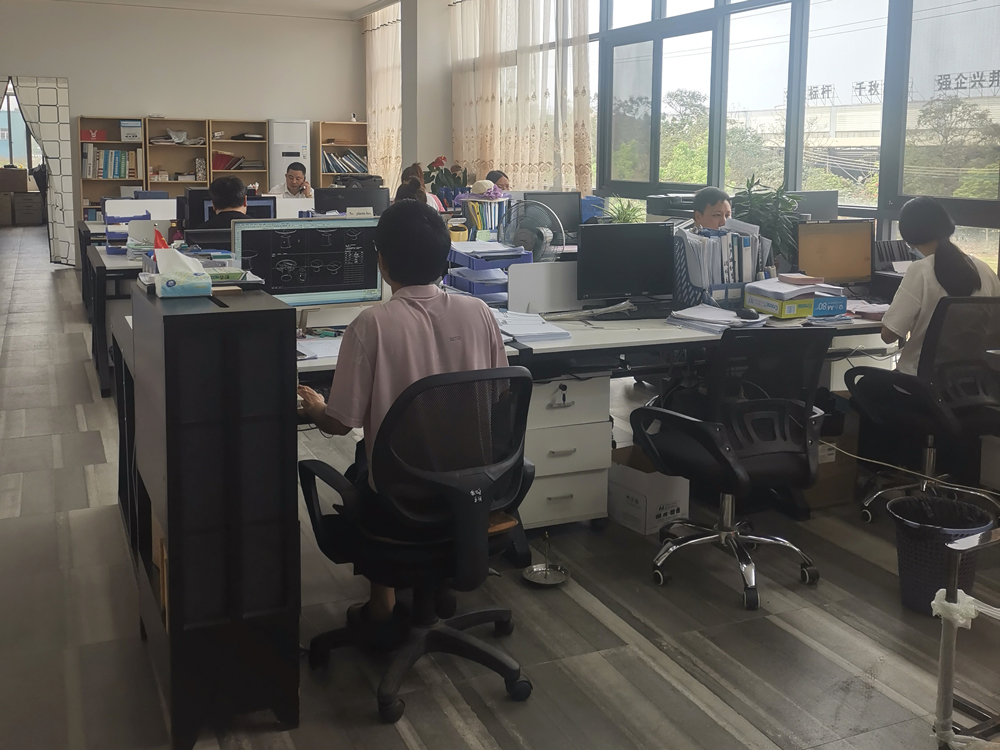
Our facilities benefit from close proximity to local component hubs, ensuring reliable access to automotive-grade microcontrollers, multilayer PCBs, and robust diagnostic chips. This prevents long delays in production and minimizes sourcing risks.
With automated Surface Mount Technology (SMT) lines and reflow soldering ovens, we maintain high placement accuracy on multi-layer PCBs, ensuring long-term thermal durability and chemical resistance in demanding environments.
Every single ECU module undergoes Automated Optical Inspection (AOI), X-ray solder checking, and Hardware-in-the-Loop (HIL) simulation to test the hardware's tolerance to extreme vibrations, high currents, and voltage spikes.
In the fast-paced world of construction and logistics, the reliability and efficiency of your machinery can make or break a project. We understand that high-quality parts are essential for optimal performance. Our focus is to provide durable, high-integrity electronics and mechanical components that prevent unscheduled downtime and keep operations running smoothly.
To continuously improve our services, we have developed our own engine diagnostics and calibration division. In addition to supplying engine control hardware and assemblies, we assist customers in solving complex technical problems encountered during installation, programming, and CAN-bus system configuration.
We employ a professional engine maintenance and technical service team. At the request of global clients, we can dispatch specialized technicians internationally to support major diagnostic projects, provide operator training, or resolve complex mechanical-electrical coordination failures on-site.
The global engine management sector is undergoing a rapid technological evolution. For both passenger cars and heavy-duty industrial machinery, the direction of development is clear: transition from decentralized control units to centralized high-performance computing centers. Understanding these key trends helps procurement and engineering teams make strategic, long-term sourcing decisions:
Modern ECUs utilize the AUTOSAR (AUTomotive Open System ARchitecture) framework. This standardization ensures that application software remains independent of the underlying hardware platform. By separating hardware from software, engineers can scale control modules across multiple vehicle lines, reduce software development costs, and quickly adapt to changing market requirements.
Modern machinery and vehicle fleets require remote software updates. Modern ECUs integrate secure boot protocols and flash memory partitioning to support OTA programming. This enables operators to optimize fuel maps, fix minor system bugs, and activate new features remotely, avoiding the cost of physical service center visits.
With autonomous functions and electronic throttles standard in modern equipment, functional safety is critical. Modern ECUs are designed to meet ISO 26262 requirements up to ASIL-D. Dual-core lockstep processor architectures and real-time diagnostic routines verify processor calculations in real-time, instantly transitioning the system to safe mode if a hardware fault is detected.
As emission regulations tighten globally, internal combustion engines are increasingly paired with electric hybrid drivetrains. Modern ECUs manage torque blending between electric motors and engines. This requires fast, low-latency communication over automotive Ethernet networks to balance power delivery, battery regeneration, and fuel consumption.
Whether on high-speed expressways or working in remote mining sites, electronic control modules must perform reliably under severe conditions:
At high altitudes, lower air density reduces engine power output and changes intake air ratios. Our ECUs dynamically monitor barometric pressure, automatically adjusting fuel injection volume and turbocharger boost to maintain engine performance and prevent overheating in thin-air environments.
In quarries, open-cast mines, and agricultural zones, airborne particles and moisture can damage electronic circuitry. Our ECU modules are built with cast-aluminum housings and IP69K-rated connectors, keeping water and dust out during operation and high-pressure washing.
From sub-zero temperatures to scorching desert heat, engines face extreme thermal shifts. Our control units use automotive-grade components designed to operate reliably within a temperature range of -40°C to +125°C, ensuring stable starting performance and long-term durability.
We provide custom board layouts, specialized connector arrangements, and case designs for niche equipment applications. Our R&D engineers develop custom PCB designs to meet specific weight, space, and mounting limitations, integrating analog-to-digital converters and solid-state power switches to control auxiliary machinery equipment.
For older diesel equipment fleets facing updated emission regulations, we supply modern engine controller kits. These kits integrate newer sensors (such as NOx and DPF temperature sensors) into existing control structures, helping operators improve performance, meet environmental requirements, and extend the lifespan of older assets.
Our electronic systems conform to CE, FCC, and RoHS standards. We prioritize Lead-Free soldering processes and use recyclable alloys, ensuring components comply with European and North American environmental rules.
To protect against counterfeit components, we record barcode data for every chip, PCB, and connector. If a fault is identified in the field, we can trace the issue back to the original wafer run or SMT production batch.
We utilize anti-static packaging and heavy-duty, moisture-sealed containers for shipping. This keeps sensitive microprocessors safe from static discharges and moisture damage during ocean shipping and inland transport.
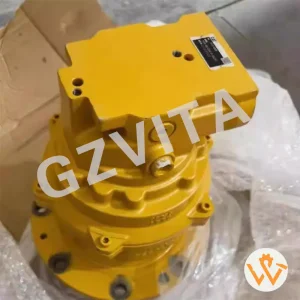
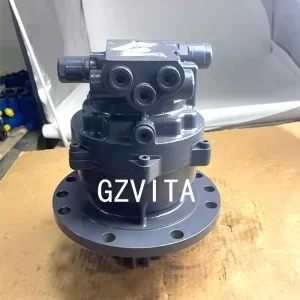
Clear, practical answers to common technical and procurement questions for engineering departments and procurement officers:
Compatibility is achieved through careful matching of the hardware version and software flash parameters. Our technical department reads the existing system parameters from the client's malfunctioning ECU/ECM (including identification numbers, calibration maps, and CAN protocol data) and applies this configuration to the replacement unit. Our replacement units are engineered to interface directly with the machinery's original wiring harnesses and sensors, minimizing setup time.
Our manufacturing facilities operate under IATF 16949 and ISO 9001 quality management guidelines. This framework covers all stages of production, from raw component verification to automated solder paste printing, optical component alignment inspection (AOI), and final functional testing on dynamic engine simulators. This systematic process ensures consistent manufacturing quality across production runs.
Yes. Our control units and electrical components are built specifically for challenging operating environments. We protect circuits with high-performance silicone or polyurethane potting compounds to shield sensitive electronics from dust, moisture, and mechanical shock. Our hardware is rated to operate reliably within a temperature range of -40°C to +125°C, making it suitable for both high-heat desert and cold high-altitude applications.
For standard replacement control modules and engine components, items in stock can be packed and dispatched within 3 to 7 working days. For custom electronic designs (ODM/OEM) or large production runs, the timeline varies between 30 and 45 days, depending on chip sourcing requirements and tool calibration. We coordinate with major global freight forwarders to ensure timely delivery through air, ocean, or express shipping routes.
Yes, we provide technical assistance globally. Our service department offers remote diagnostics, video consultations, and step-by-step programming assistance. For complex projects, fleet upgrades, or major machinery overhauls, we can arrange for our field engineers to visit client sites internationally to assist with installation, calibration, and commissioning.
 Vita Construction