 Vita Construction

1 / 3
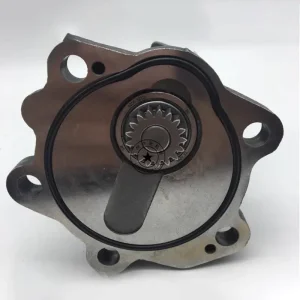
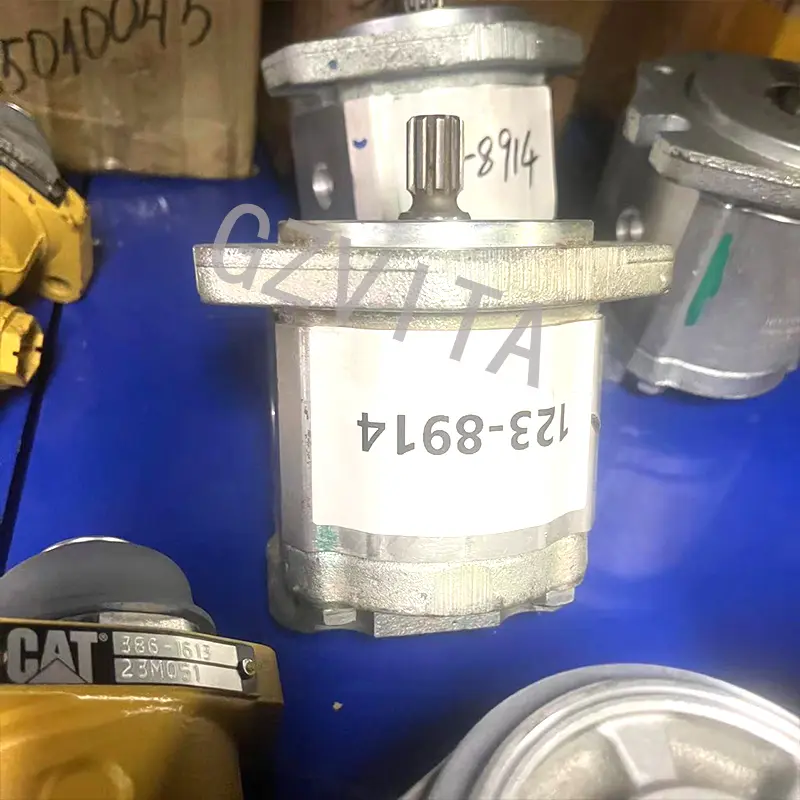
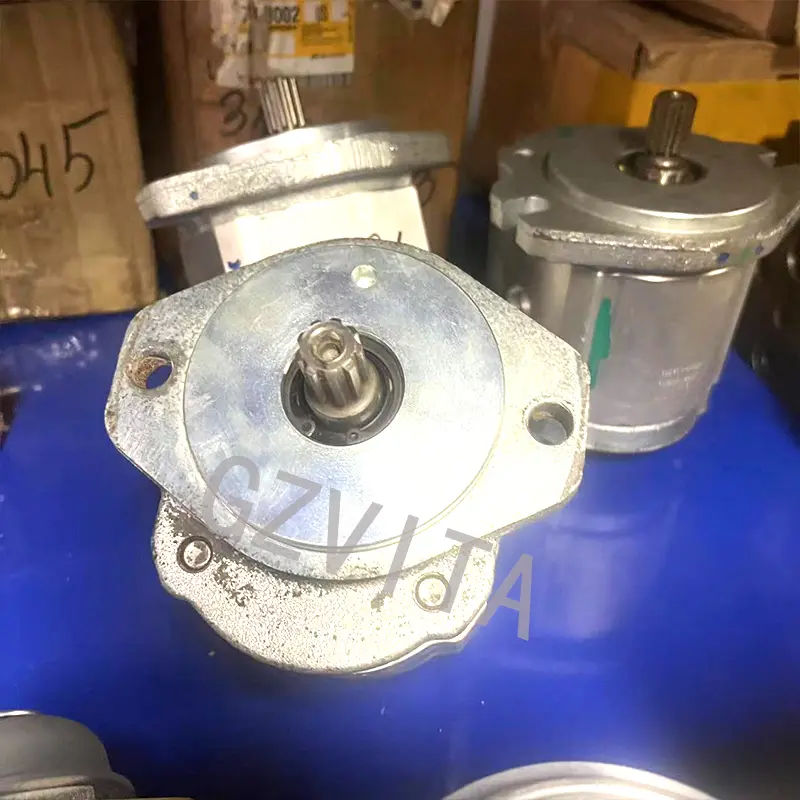
The secondary steering pump is an essential component in the hydraulic steering system of CAT (Caterpillar) machinery, particularly in larger equipment such as excavators, bulldozers, and wheel loaders. This pump plays a crucial role in ensuring that operators maintain precise control over their machinery, especially in demanding work environments.
The secondary steering pump is designed to provide additional hydraulic pressure to the steering system, enhancing the responsiveness and reliability of steering operations. It acts as a backup to the primary steering pump, ensuring that the steering system remains functional even if the primary pump experiences a failure or reduced performance.
Provides additional hydraulic flow, improving steering responsiveness and precision for heavy machinery maneuverability.
Acts as an immediate backup system if the primary steering pump fails, keeping control functional under demanding conditions.
Maintains consistent hydraulic pressure to prevent steering drift, loss of control, and ensure overall smooth operation.
Supplements the hydraulic power required when the machine operates under extreme loads or harsh environmental pressures.
The secondary steering pump acts as a crucial safety backup to the primary steering pump. It ensures that the machinery remains steerable and controllable by maintaining hydraulic pressure, even if the primary pump fails or experiences performance loss.
This component is typically installed in large, high-load machinery such as excavators, bulldozers, and wheel loaders where precise control and safety redundancy are vital for operations.
Common indicators include stiff or heavy steering, steering drift, visible oil leaks around the pump unit, and unusual hydraulic noises during heavy steering adjustments.
Contaminated fluid introduces abrasive particles that cause internal wear to pump components, resulting in loss of system pressure, reduced performance, and eventually premature pump failure.
It is recommended to run system diagnostic tests periodically according to the CAT equipment service manual, ensuring that the switch-over function between the primary and secondary pumps is fully operational before entering high-load workspaces.