High-Quality Cylinder Liner Material Manufacturers & Product

Advanced Metallurgical Solutions, Critical Supply Chain Resilience, and Engineering Expertise for Global Industrial Engines

Metallurgical Engineering of Cylinder Liner Materials

How physical metallurgy and microstructure design define engine life cycle and thermal efficiency.

In modern reciprocating internal combustion engines, the cylinder liner forms the core interface where mechanical work, thermal load, and chemical combustion converge. Selecting the optimal cylinder liner material is not merely a manufacturing choice; it is a critical engineering decision that dictates the engine's wear limits, friction coefficient, thermal expansion behavior, and ultimate durability. Historically, standard cast iron was sufficient. Today's high-output, low-emission heavy engines demand sophisticated alloy compositions.
βš™οΈ

Pearlitic Grey Cast Iron

The traditional benchmark for cylinder liners. Pearlitic grey cast iron incorporates a fully lamellar pearlite matrix with dispersed flake graphite (typically ASTM Type A). This unique structural arrangement provides excellent inherent lubrication, vibration absorption, and exceptional thermal conductivity. The graphite flakes act as micro-reservoirs for lubricating oil, maintaining a fluid film even under boundary lubrication conditions.

πŸ”¬

Alloyed Cast Iron (Boron/Phosphorus)

To survive high-torque mining and excavator applications, standard irons are augmented with alloying agents. The inclusion of Phosphorus (0.3% - 0.6%) creates a hard steadite phase network that resists abrasive wear. The addition of Boron (0.05% - 0.15%) forms highly dispersed iron boron carbides, increasing the scuffing resistance limit of the cylinder wall under extreme thermal spikes.

πŸ§ͺ

Ductile & Compacted Graphite Iron (CGI)

As peak firing pressures (PFP) in diesel engines exceed 200 bar, Compacted Graphite Iron (CGI) and spheroidal ductile irons are deployed. Offering double the tensile strength of grey iron and elevated fatigue limits, CGI permits thinner wall profiles. This maximizes engine cooling efficiency without sacrificing mechanical load capacities.

Effective thermal management is essential to prevent thermal distortion and micro-welding at the piston ring reversal point. Because the heat transfer rate through the cylinder wall determines the temperature at the top dead center (TDC), metallurgical control over the graphite shape and matrix density remains paramount. Flake graphite conducts heat twice as efficiently as nodular graphite, illustrating the delicate balance manufacturers must maintain between mechanical strength and thermal performance.

Technical Roadmap & Future Material Horizons

Evaluating next-generation surface treatments, composite materials, and green energy engine compatibility.

As the internal combustion engine is adapted to run on hydrogen, ammonia, and bio-fuels to support carbon neutrality, the operating environment inside the combustion chamber is becoming increasingly corrosive and chemically demanding. Hydrogen combustion can lead to hydrogen embrittlement in structural alloys, while ammonia combustion introduces acidic byproducts that can degrade standard grey cast iron matrices.
πŸš€

Thermal Spray & Laser Cladding

Low-pressure plasma spraying and High-Velocity Oxygen Fuel (HVOF) coatings represent the frontier of cylinder wall engineering. By depositing ultra-hard ceramic-metallic layers (such as iron-carbon-chromium alloys with titanium diboride nanoparticles), manufacturers can reduce liner wear to negligible levels, dramatically extending engine overhauls.

πŸ’Ž

Diamond-Like Carbon (DLC) Coatings

Utilized primarily in high-stress contact areas, amorphous diamond-like carbon coatings applied via physical vapor deposition (PVD) provide an ultra-low friction coefficient. Applied directly to the honed cylinder bore, DLC coatings significantly reduce parasitic friction losses, improving overall engine fuel efficiency by up to 1.5%.

🌱

Alternative Fuel Resilience

Alternative fuel engines run hotter and drier, demanding cylinder liner materials with exceptional scuffing resistance. Research is focused on nickel-silicon carbide composite plating (Nikasil) and advanced alloyed irons containing elevated levels of chromium and molybdenum to combat the corrosive elements inherent in ammonia-fueled engines.

China Factory 4.0: Supply Chain Resilience & Production Advantage

How Guangzhou Vita Construction Machinery leverages smart manufacturing and logistical integration to support heavy machinery fleets.

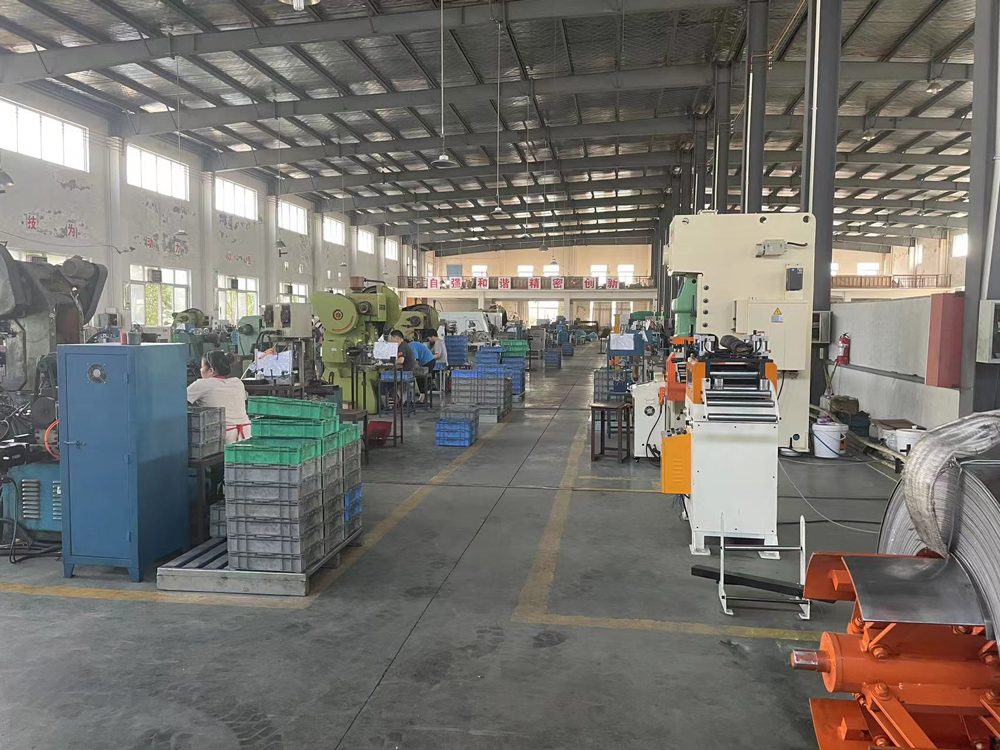
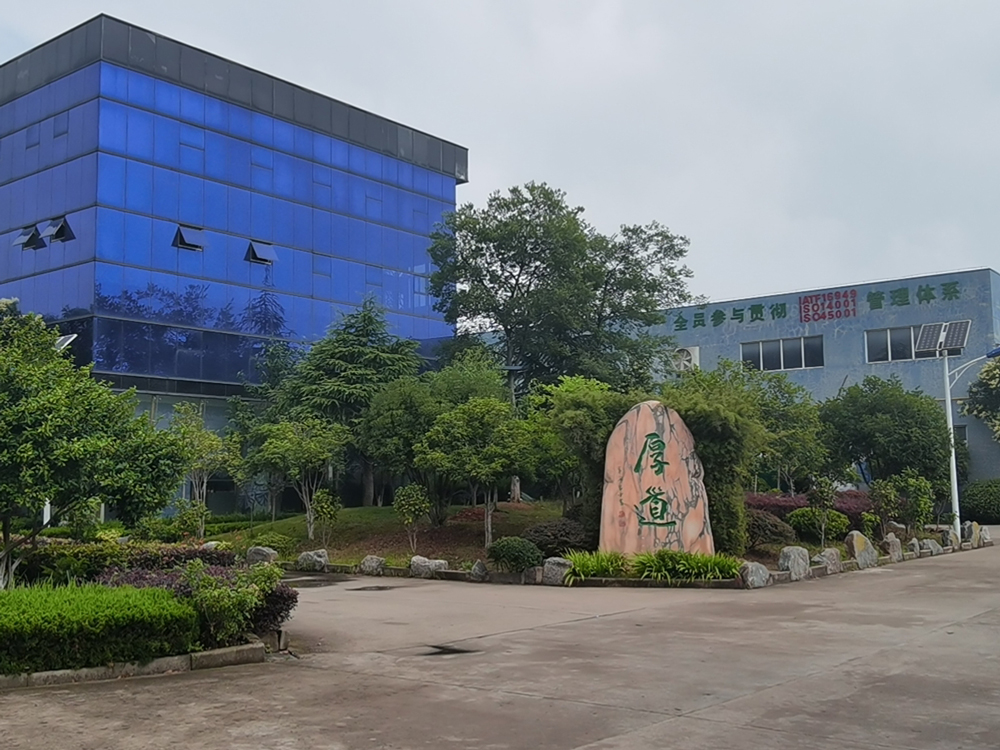
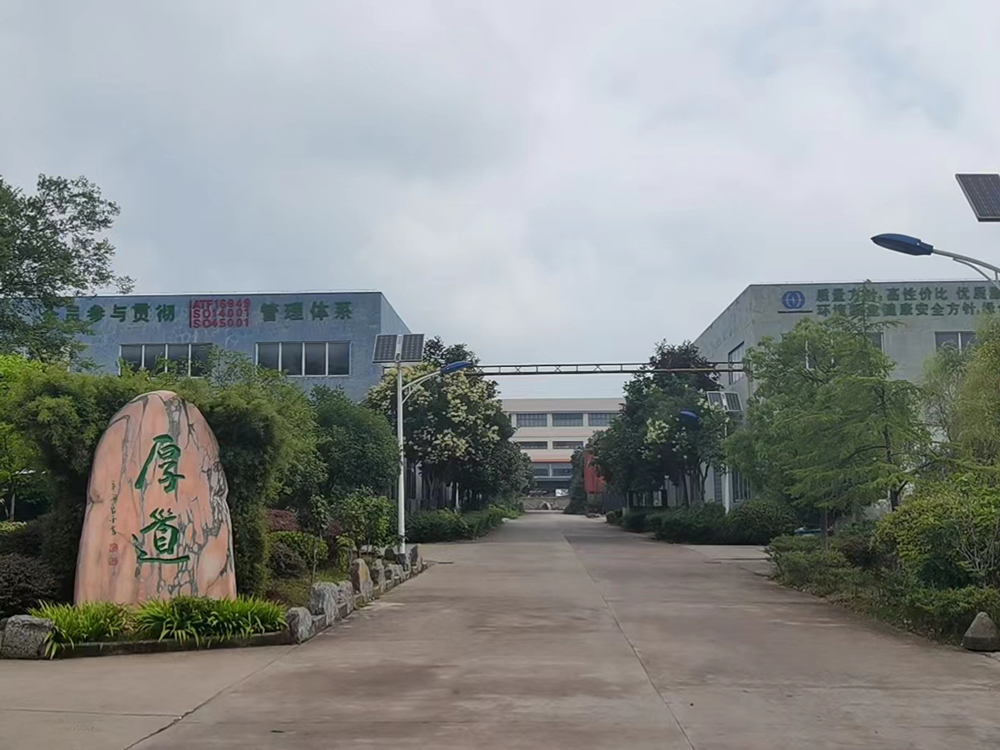
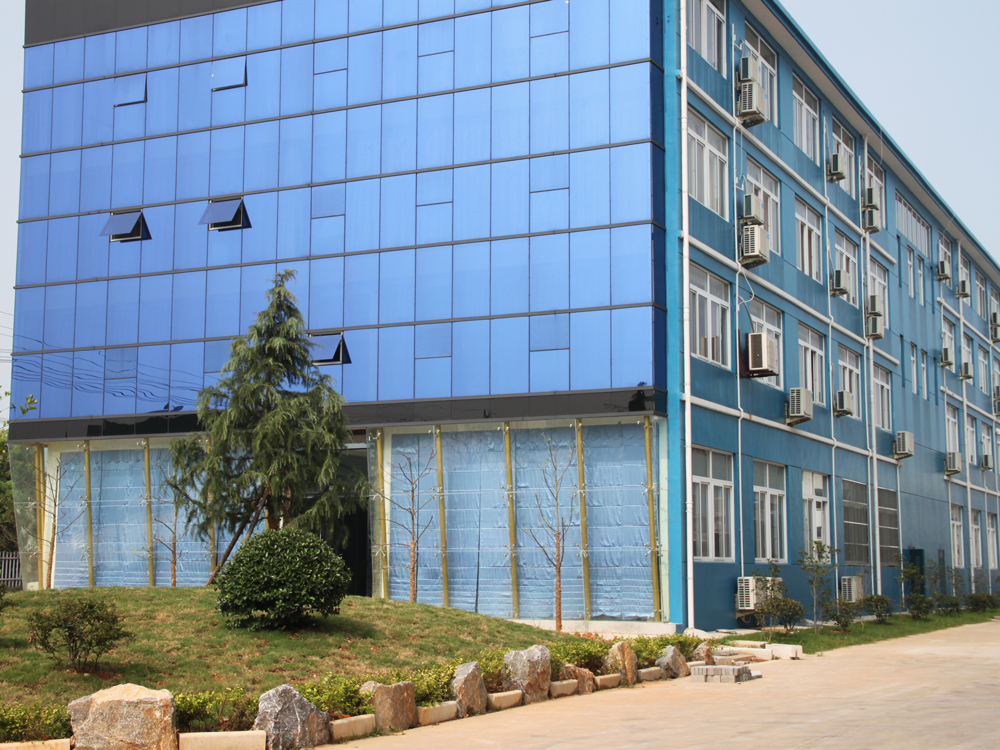
In the global heavy machinery industry, reliability relies on high-quality replacement components. Guangzhou Vita Construction Machinery Co., Ltd. addresses this demand by combining advanced manufacturing capabilities with integrated international trade channels. With a primary production facility based in the manufacturing hub of Xiangyang City, Hubei Province, the company ensures metallurgical stability and dimensional precision across all product runs.
18,000+
Square Meters Workshop
278+
Skilled Foundry Workers
8+
Senior Metallurgical Engineers
100%
OEM Standard Conformity
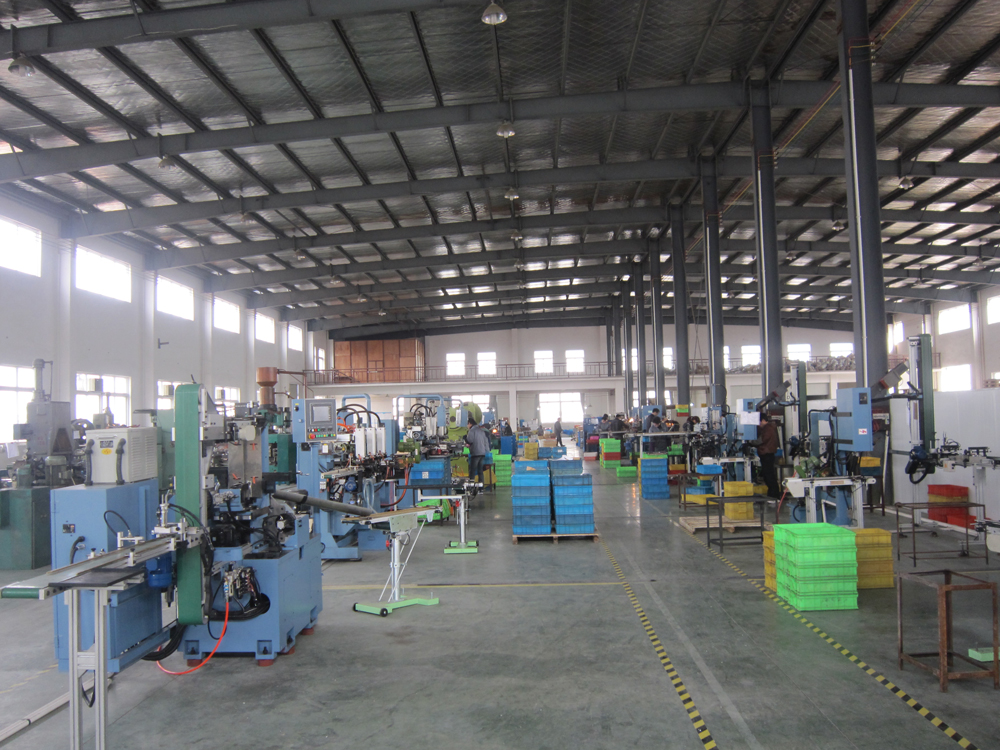
By implementing Factory 4.0 standards, including automated centrifugal casting lines, CNC boring and honing machinery, and real-time spectroscopic quality monitoring, Vita maintains consistent manufacturing quality. The integration of the foundry in Hubei with the trading center in Guangzhou creates a streamlined channel that reduces delivery times. This direct integration protects global distributors, heavy mining operations, and excavator service facilities from the supply chain interruptions that frequently affect standard parts sourcing.

Macro Industry Solutions Across Global Brands

Direct cross-compatibility and replacement solutions engineered for the world's most demanding machines.

Construction projects, marine transport systems, and mining operations cannot afford extended unscheduled downtime. The reliability of heavy equipment depends heavily on the durability of its replacement components. Guangzhou Vita Construction Machinery develops and manufactures high-durability replacement engine and hydraulic system components compatible with leading global machinery brands, including:
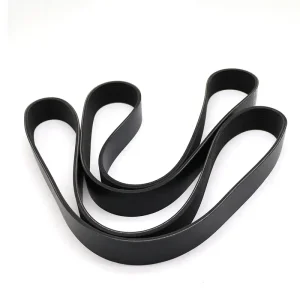
  • Caterpillar (CAT): Liners and heavy engine belts for CAT340D2, 336D2, and 3512B series.
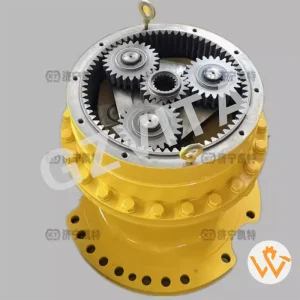
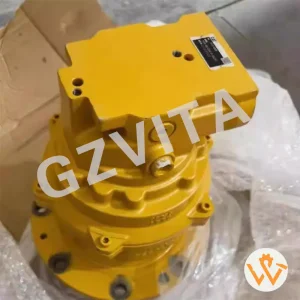
  • Komatsu: Swing devices, reduction gearboxes, and engine blocks for PC400-7/8 and PC450-7/8.
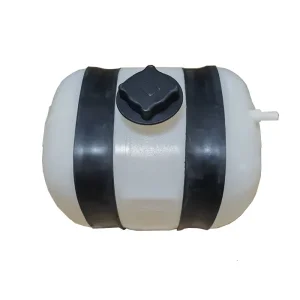
  • Volvo Construction Equipment: Premium coolant expansion systems and heavy cylinder liners.
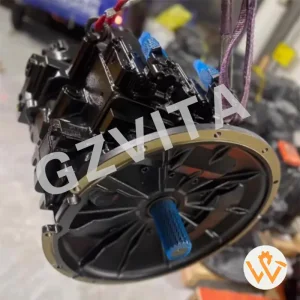
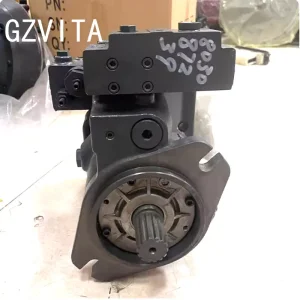
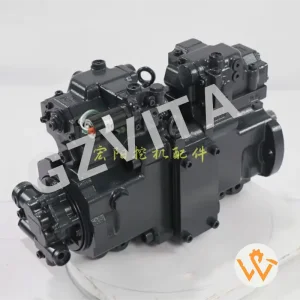
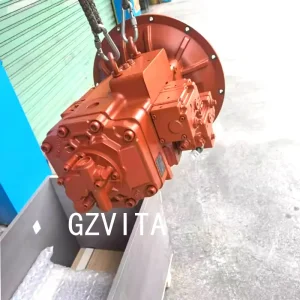
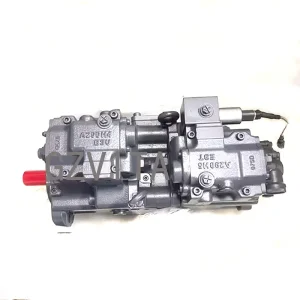
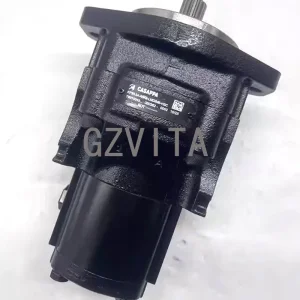
  • Hitachi & Kobelco: Piston pumps, hydraulic main pumps, and wear-resistant liners.
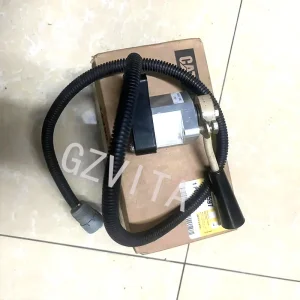
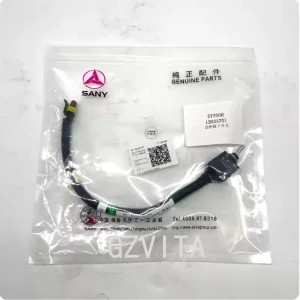
  • Sany & XCMG: Plunger pumps (HP3V75D) and emergency stop switches designed for SY330H and 485H.
  • Kubota & Doosan: PVD-00B series mini-excavator hydraulic pumps and specialized engine parts.
Whether retrofitting a heavy-duty hydraulic main pump or replacing cylinder components inside an engine block, parts must match original equipment specifications. Vita’s components undergo strict dimensional audits and pressure tests, ensuring they drop into place without configuration errors or premature failures.

Global Procurement Requirements & Specification Alignment

Navigating rigorous quality frameworks and operational compliance for international supply chain managers.

Procurement directors and parts managers face complex requirements when sourcing engine materials. Beyond purchase prices, the total cost of ownership (TCO) is determined by how well materials match precise engineering specifications.
πŸ“‹

Geometric & Dimensional Tolerances

Heavy duty engine liners require roundness and straightness limits of less than 0.015 mm. Deviations lead to blowby, high oil consumption, and piston scuffing. Vita's CNC honing processes maintain precise geometries, assuring optimal oil-film retention and low blowby.

πŸ›‘οΈ

Plateau Honing (Surface Finish)

Standard surface finishing is insufficient. Premium liners undergo plateau honing, creating deep valleys for oil storage while leaving flat structural peaks to support the piston rings. This reduces run-in wear and optimizes ring-to-liner sealing from the first engine start.

🌍

Certifications & Standard Auditing

Manufacturing facilities must align with global standards. Vita's foundries and production lines operate under ISO 9001 and ISO 14001, verifying that every component matches global material composition standards (such as EN-GJL-250 or ASTM A48 Class 40).

Localization Support & Global Compliance Assurance

Ensuring smooth logistics and on-site engineering expertise across international borders.

Working across borders requires efficient logistics and compliant import-export operations. Guangzhou Vita Construction Machinery streamlines this process by handling customs documentation, shipping compliance, and tax structures for major international markets, including Southeast Asia, Europe, and the Americas.
Additionally, Vita provides specialized technical support teams. When an international client faces complex engine failures, mechanical integration issues, or rebuilding challenges, Vita can dispatch maintenance specialists abroad to assist on-site. This comprehensive service guarantees that purchased components are installed correctly, helping to restore equipment to service as quickly as possible.

Company Profile

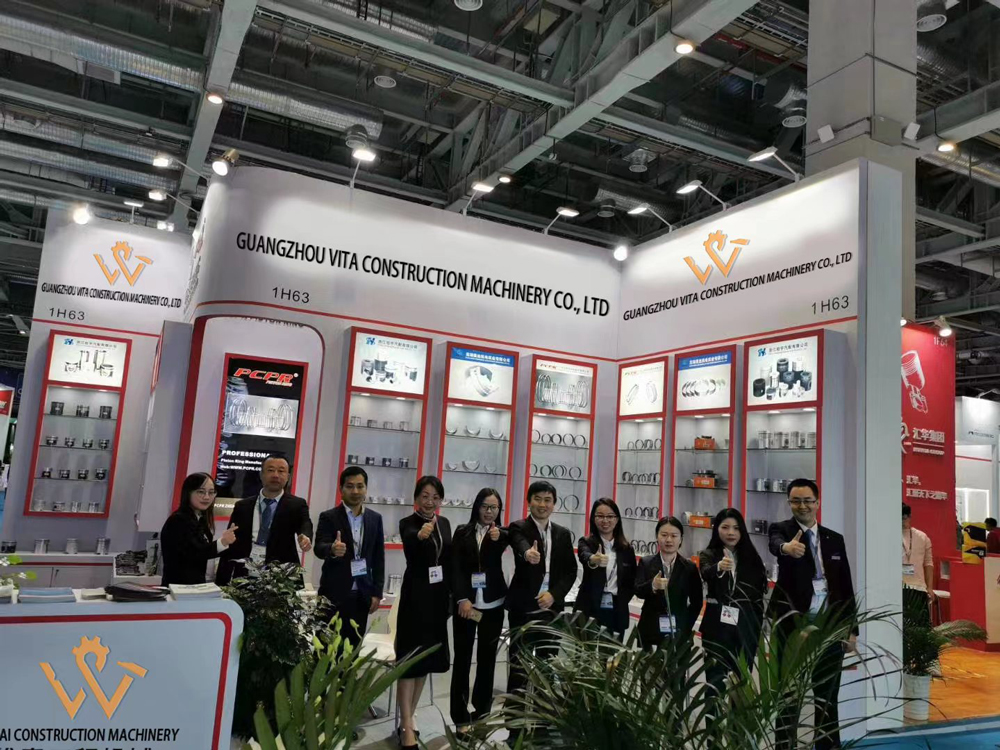
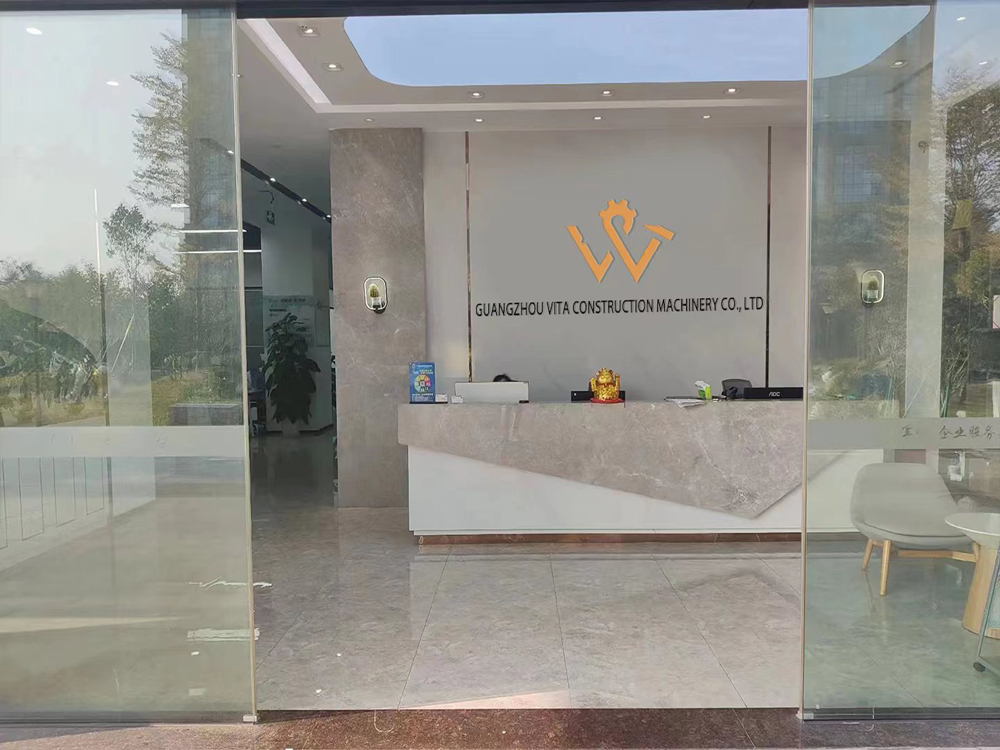
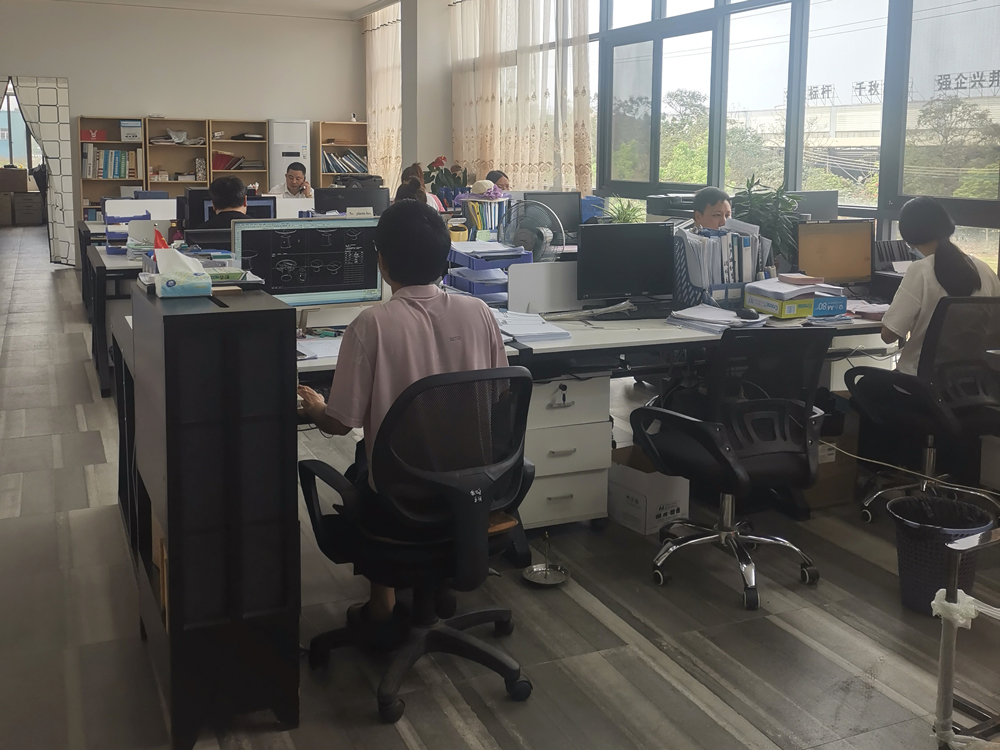
Guangzhou Vita Construction Machinery Co., Ltd. is one of the largest company that combines factory and foreign trade.The factory is located in Xiangyang City, Hubei Province, there are more than 18,000 square meters workshop with several advanced production machines, more than 278 well trained and skilled workers and around 8 experienced engineers assure the good product quality as well as fast and accurate delivery.
We specialize in producing, developing and selling the whole range of construction machinery parts.Such as engine assembly, hydraulic pump, final drive, electric generating set, engine bearing (Main bearings con Rod Bearing series), crankshafts, engine valves, gear pumps, cylinder, all kinds of filters, excavator bucket, undercarriage parts for excavator and bulldozer...which are used as replacement of many type of machines, the brand include Komatsu, Volvo, Sumitomo, Caterpillar, Kubota, Hitachi, John Deere, Kobelco, Hyundai, Kato, Sany, XCMG, SUNWARD, and other well-know brands.

Our Advantages

Quality Assurance

In the fast-paced world of construction, the reliability and efficiency of your machinery can make or break a project. We understand that high-quality parts are essential for optimal performance. So we aims to provide top-notch construction machinery parts to make customer's machinery running smoothly.

Technology Provision

To improve our service, we set up engine maintenance development. In addition to providing customers with engine assemblies, we can also help customers solve various technical problems encountered in the operation and assembly of engines.

Technical Team

We have our own professional maintenance team and can even be invited by customers to arrange for maintenance technicians to go abroad to help customers repair engines.
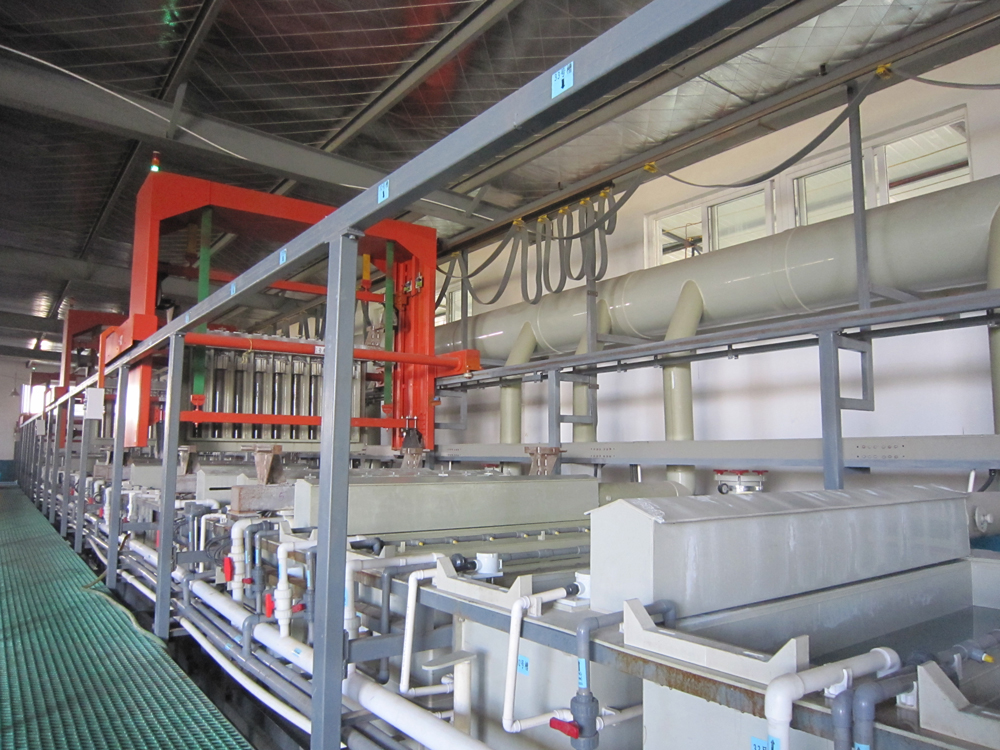
Factory Tour

Frequently Asked Questions

Clarifying critical engine liner metallurgy, wear limits, and replacement procedures.

Q1: What parameters dictate the selection of dry vs. wet cylinder liners?

A: Wet liners interface directly with the engine's coolant flow, offering superior heat rejection, which makes them ideal for heavy-duty engines. Dry liners, which fit tightly inside the block casting with no direct coolant contact, allow for a more rigid engine block but require precise boring to prevent hot spots.

Q2: How does boron alloying extend the service life of heavy-duty liners?

A: Boron forms ultra-hard iron-boron-carbide networks within the casting structure. These networks act as load-bearing points under extreme pressure, preventing the softer pearlitic iron matrix from wearing down prematurely when the piston rings reverse direction at Top Dead Center.

Q3: Why is plateau honing vital for maintaining compression and lowering oil consumption?

A: Plateau honing removes sharp peaks from the liner's surface, creating flat "plateaus" that minimize ring wear while leaving deep valleys that hold lubricating oil. This balances effective oil film maintenance with a tight combustion seal, reducing blowby and overall oil consumption.

Q4: How does Vita Construction Machinery verify casting integrity and alloy chemistry?

A: Every melt at our Hubei foundry undergoes direct-reading spectrometer analysis to verify element distribution before casting. Post-casting, liners are audited using ultrasonic thickness testing, metallographic microscopes to check graphite structure, and tensile testers to confirm physical properties.