 Vita Construction
1 / 4
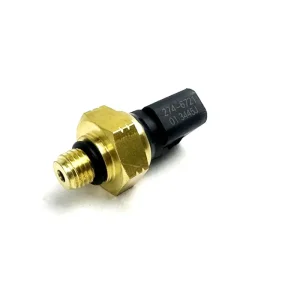
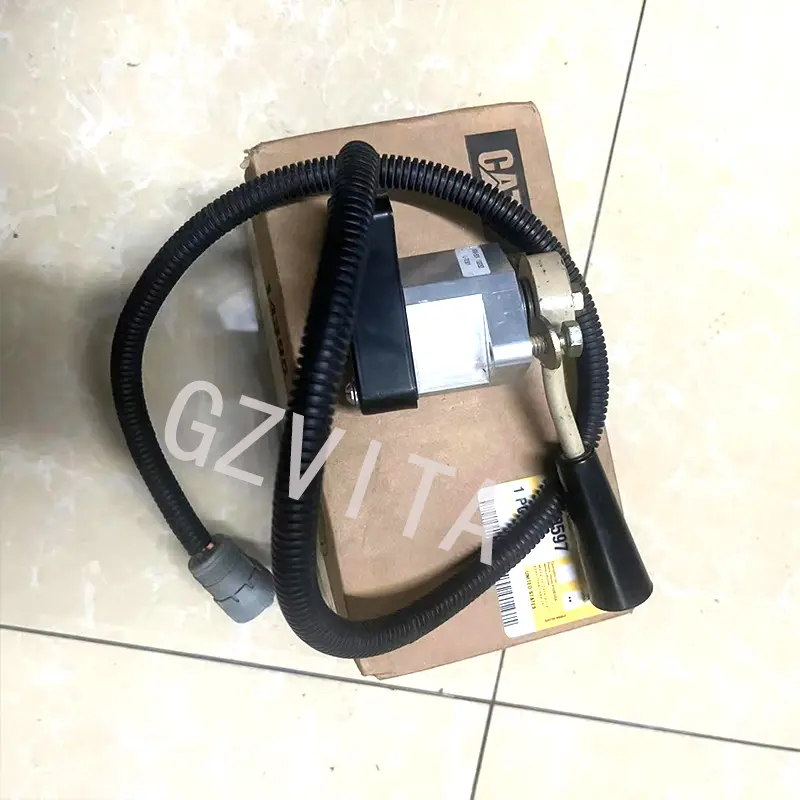
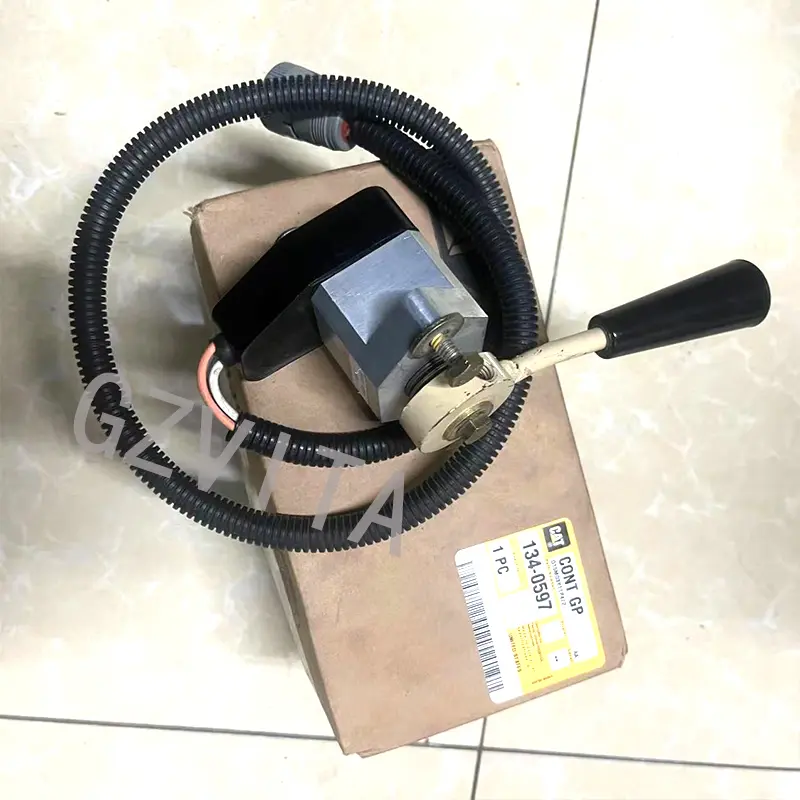
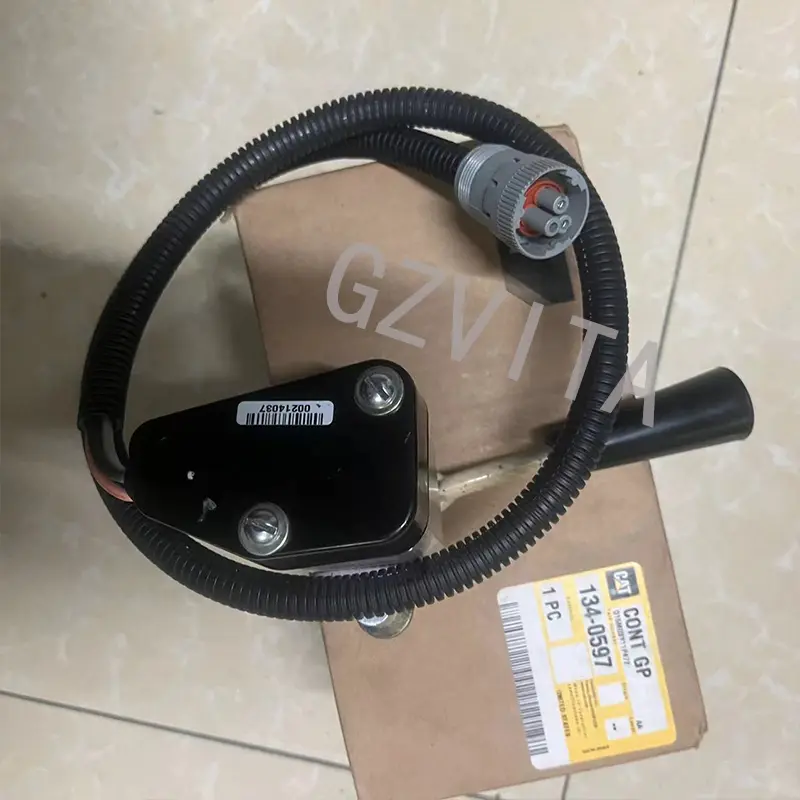
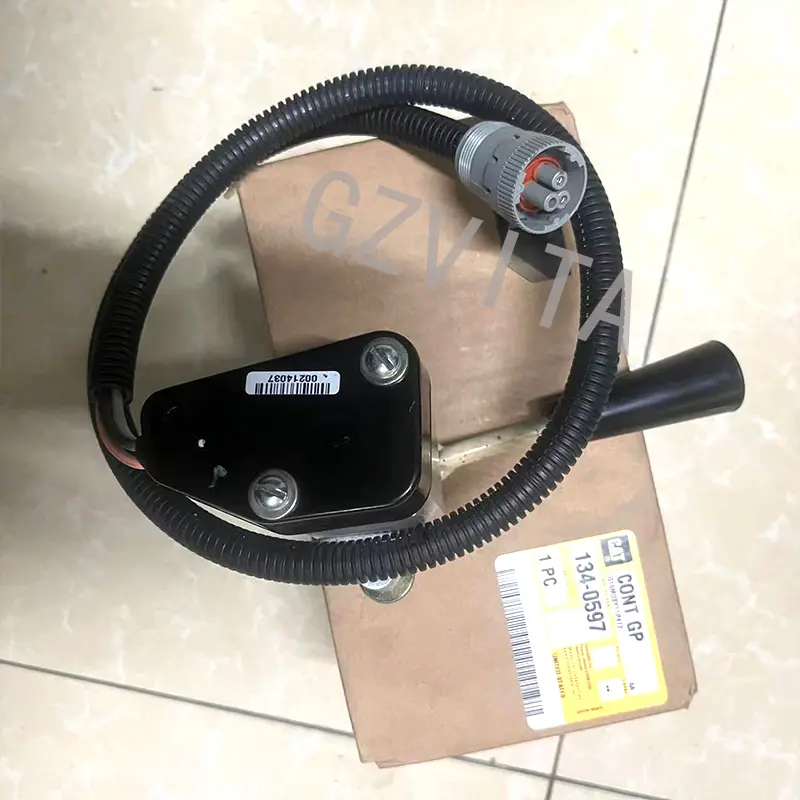
The Rotary Piston Sensor Throttle Control is a critical component in the engine management system of CAT (Caterpillar) machinery. This technology plays a vital role in regulating engine performance, enhancing fuel efficiency, and ensuring optimal power delivery in various applications, from construction to agriculture.
The Rotary Piston Sensor Throttle Control utilizes a rotary piston mechanism to measure the position of the throttle valve in the engine. This sensor provides real-time feedback to the engine control unit (ECU), allowing for precise adjustments to the air-fuel mixture and engine speed. By accurately monitoring the throttle position, the system can optimize engine performance under varying load conditions.
The rotary piston sensor accurately detects the position of the throttle valve, providing critical data to the ECU. This information is essential for adjusting fuel injection and air intake, ensuring optimal combustion.
By continuously monitoring and adjusting the throttle position, the system helps maintain optimal engine performance. This leads to improved acceleration, responsiveness, and overall power delivery.
This throttle control technology is often integrated with advanced engine management systems, including electronic control units (ECUs) and diagnostic systems, allowing for better monitoring, diagnostics, and performance tuning.
By providing accurate throttle position data, the rotary piston sensor enhances the safety and reliability of the engine. It helps prevent issues such as throttle lag or unresponsive acceleration, which can be critical in heavy machinery operations.
Regular maintenance of the Rotary Piston Sensor Throttle Control is essential to ensure its proper functioning and longevity. Key maintenance practices include:
Regularly check the sensor and associated components for signs of wear, damage, or contamination. Early detection of issues can prevent more significant problems.
Periodic calibration of the throttle control system may be necessary to ensure accurate readings and optimal performance. This process helps maintain the precision of the throttle response.
It measures the exact position of the engine's throttle valve and sends real-time feedback to the Engine Control Unit (ECU) to optimize the air-fuel mixture, engine speed, and power delivery.
CAT machinery operates under demanding conditions. This sensor ensures precise throttle measurement, which translates directly to enhanced engine responsiveness, fuel efficiency, and operational safety.
Common symptoms include throttle lag, unresponsive acceleration, inconsistent engine speeds, or diagnostic trouble codes related to the engine management system.
It should be inspected during routine machinery service cycles. Regular cleaning and checking for contamination help prevent premature failure.
Yes, periodic calibration is required to align sensor feedback with physical throttle movement, ensuring the ECU receives accurate data for optimal performance.