 Vita Construction
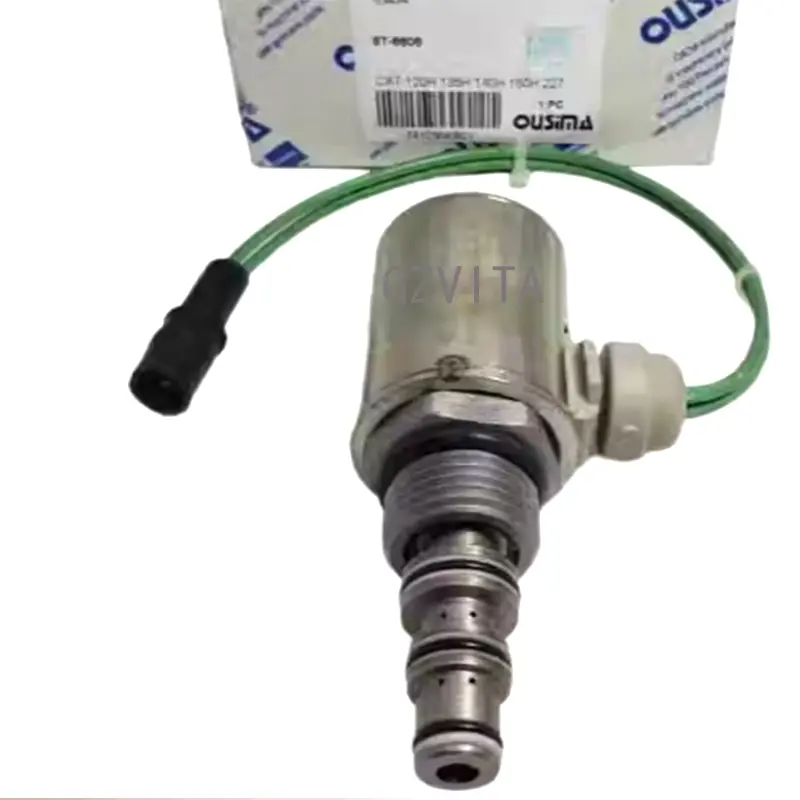
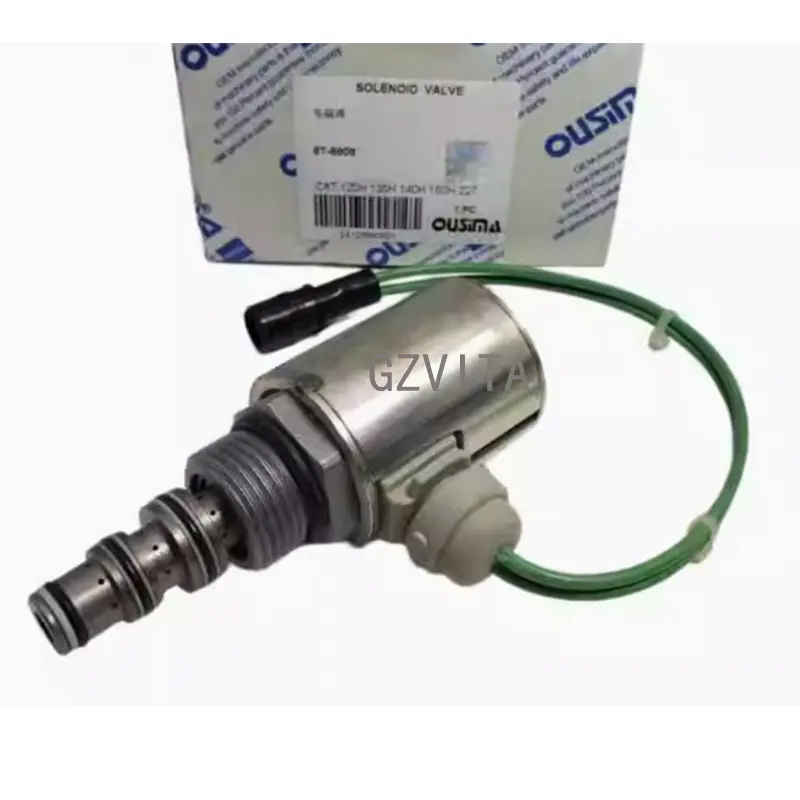
1 / 4
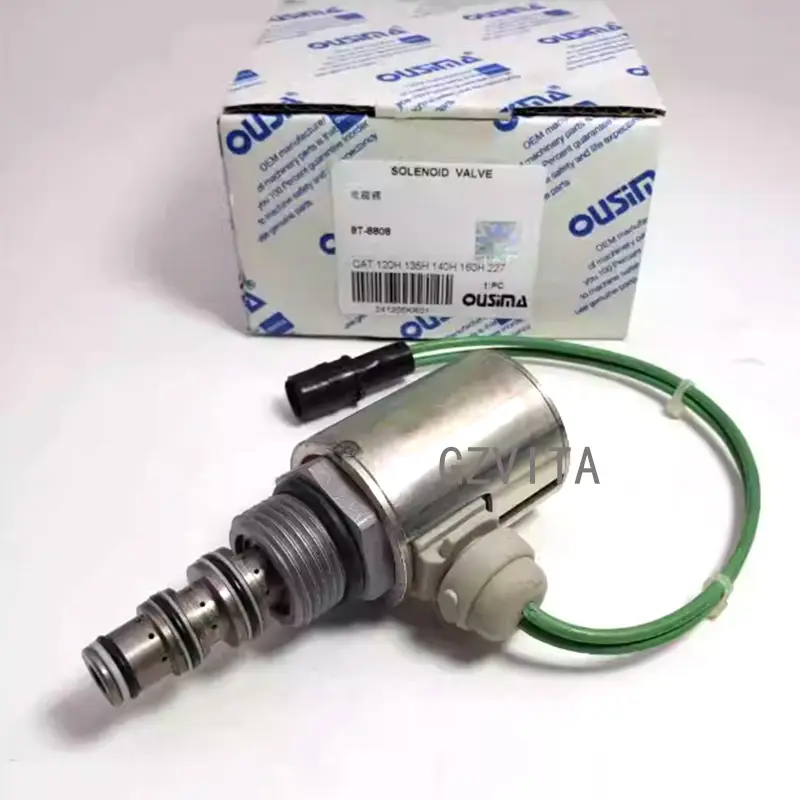
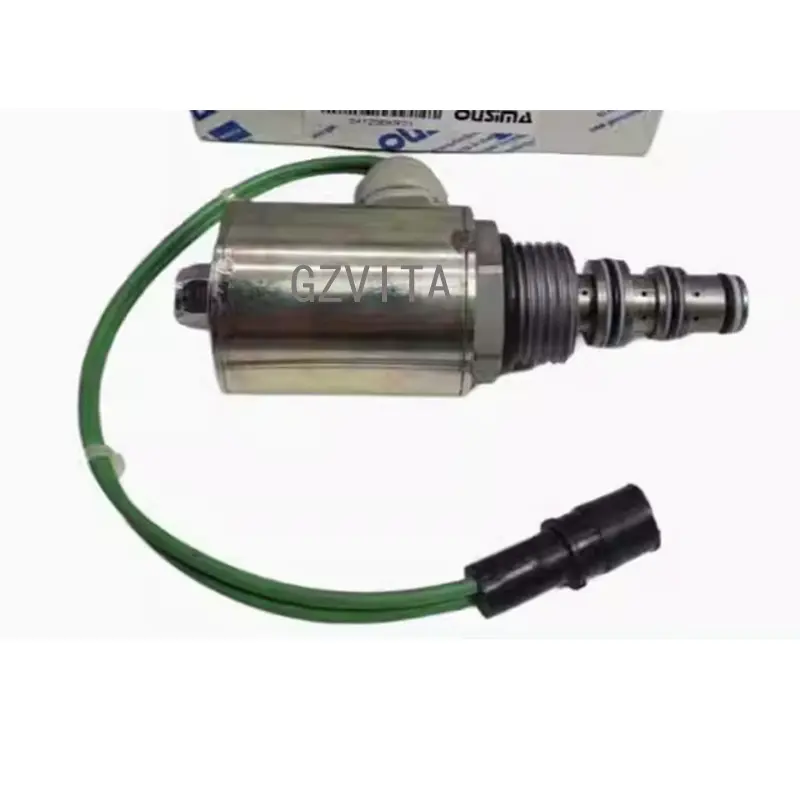
Here’s an overview of the importance of this testing and why maintaining the solenoid valve is essential for excavator performance:
The solenoid valve controls the flow of hydraulic fluid in the excavator’s hydraulic system. Testing ensures that the valve operates correctly, allowing for proper movement and function of the excavator’s components.
A malfunctioning solenoid valve can lead to hydraulic system failures, which may cause the excavator to operate inefficiently or not at all. Regular testing helps identify issues before they lead to significant breakdowns.
Hydraulic systems operate under high pressure, and a faulty solenoid valve can lead to dangerous situations, such as uncontrolled movements or leaks. Testing helps ensure that the system operates safely, protecting both the operator and the equipment.
A well-functioning solenoid valve contributes to the overall performance of the excavator. Testing can help maintain optimal performance levels, ensuring that the machine operates smoothly and efficiently.
Regular testing and maintenance of solenoid valves can help identify potential issues early, reducing the likelihood of unexpected breakdowns and minimizing downtime. This is crucial for maintaining productivity on job sites.
Identifying and addressing solenoid valve issues early can save on costly repairs and replacements. Regular testing can help extend the lifespan of the hydraulic system and its components.
Many manufacturers recommend regular testing of solenoid valves as part of routine maintenance. Adhering to these schedules helps ensure compliance with warranty requirements and operational standards.
Testing the solenoid valve can serve as a diagnostic tool to assess the health of the entire hydraulic system. It can help pinpoint issues related to pressure, flow, and overall system performance.
When testing a solenoid valve, consider the following procedures to ensure accurate results:
Check for any visible signs of damage, leaks, or corrosion on and around the valve body and connectors.
Use a multimeter to check the solenoid’s resistance and ensure it receives the correct voltage according to technical specifications.
Activate the solenoid valve and observe its operation. Ensure it opens and closes smoothly as expected under control signals.
If applicable, test the hydraulic pressure upstream and downstream to ensure the solenoid valve is regulating flow and pressure properly.
Testing the solenoid valve ensures that the hydraulic fluid flows properly, preventing system failures, improving machine performance, and ensuring operational safety on job sites.
A faulty valve can lead to sluggish hydraulic response, failure of specific excavator movements, hydraulic leaks, and in severe cases, complete system shutdowns that lead to costly downtime.
Basic testing requires a multimeter to verify electrical resistance and voltage, pressure gauges for hydraulic flow testing, and visual inspection tools to check for external damage or leaks.
Visual inspection helps quickly identify physical issues like cracked housing, rusted terminals, oil leaks, or loose wiring connections that may impair the solenoid's performance.
Yes, routine testing helps catch minor wear-and-tear issues early. Correcting these minor faults prevents larger hydraulic component failures and saves significant repair costs.
You should check for proper coil resistance using a multimeter set to Ohms and ensure that the incoming voltage matches the manufacturer’s specification when the circuit is activated.