 Vita Construction
1 / 3
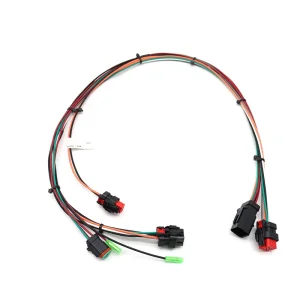
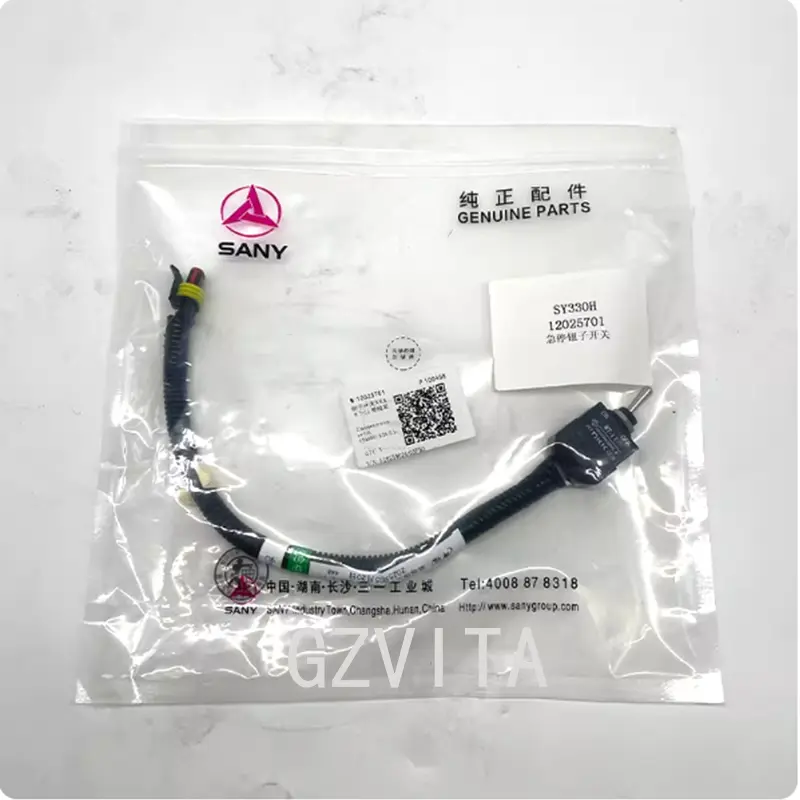
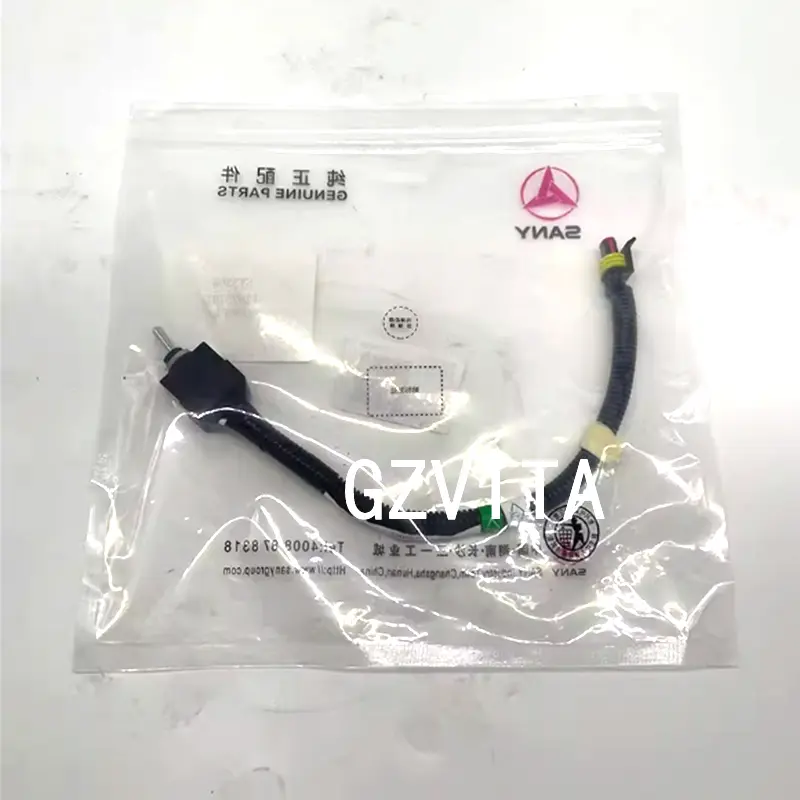
An excavator wiring harness is a crucial component of the machine's electrical system. It consists of a series of wires, connectors, and terminals that facilitate the transmission of electrical signals between various parts of the excavator, such as the engine, hydraulic system, control panel, and sensors.
The wiring harness is designed to withstand harsh operating conditions, including exposure to dirt, moisture, and extreme temperatures. It is typically encased in protective sheathing to prevent damage and ensure reliable performance. Proper installation and maintenance of the wiring harness are essential for the efficient operation of the excavator, as any faults or damage can lead to electrical failures and affect the machine's overall functionality.
In summary, the excavator wiring harness plays a vital role in ensuring the seamless operation of the machine by connecting and powering its various electrical components.
The wiring harness connects different electrical components, allowing them to communicate and function together. This includes connections to the engine control unit (ECU), hydraulic controls, and various sensors that monitor the machine's performance.
It distributes electrical power from the battery and alternator to various systems within the excavator, ensuring that all components receive the necessary voltage to operate efficiently.
The harness transmits signals from sensors to the control systems, enabling real-time monitoring and adjustments to the excavator's operations. This is crucial for maintaining optimal performance and safety.
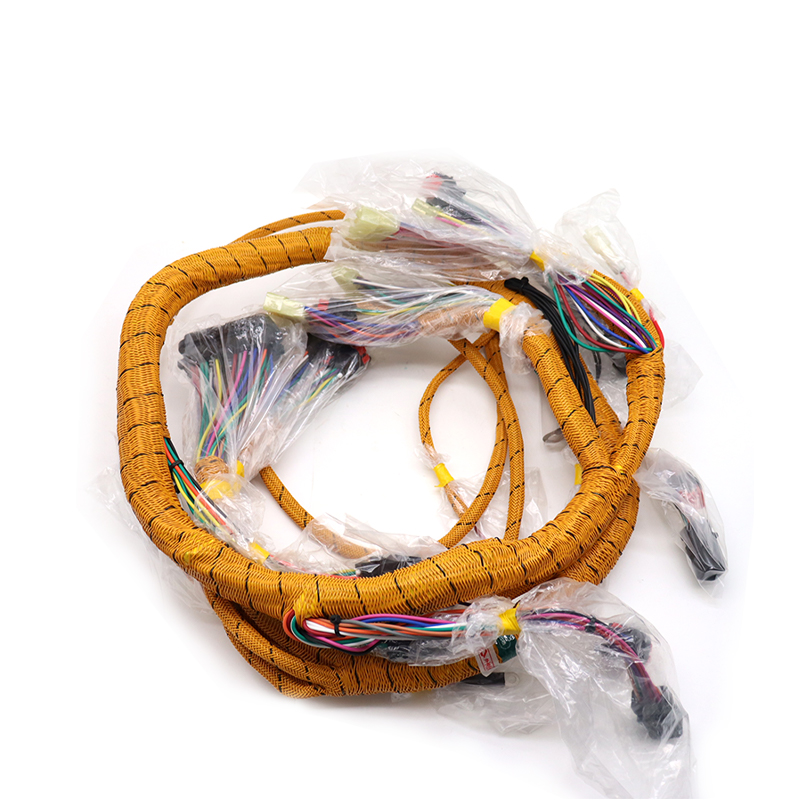
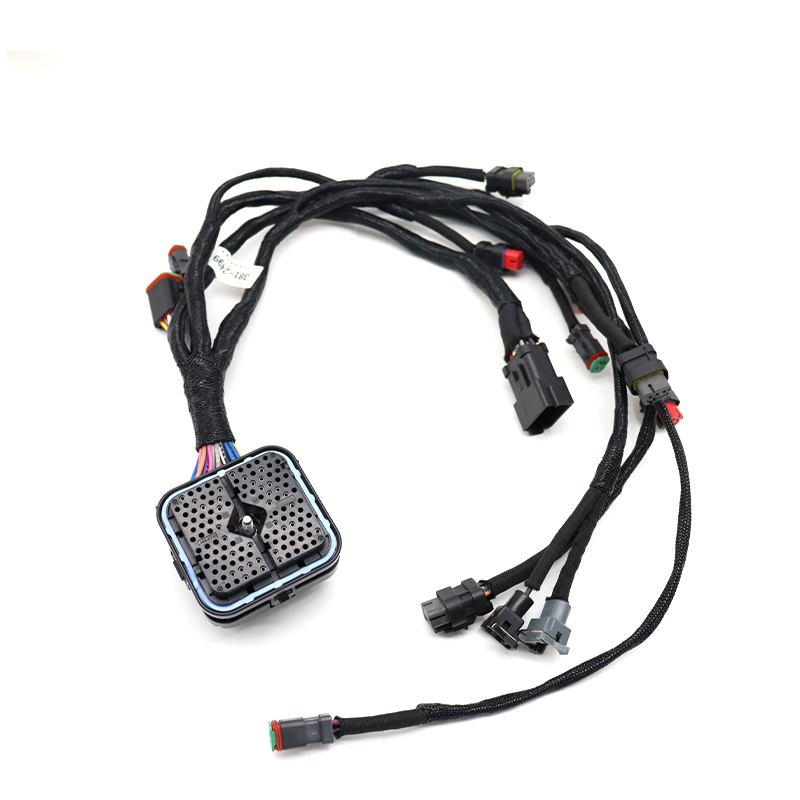
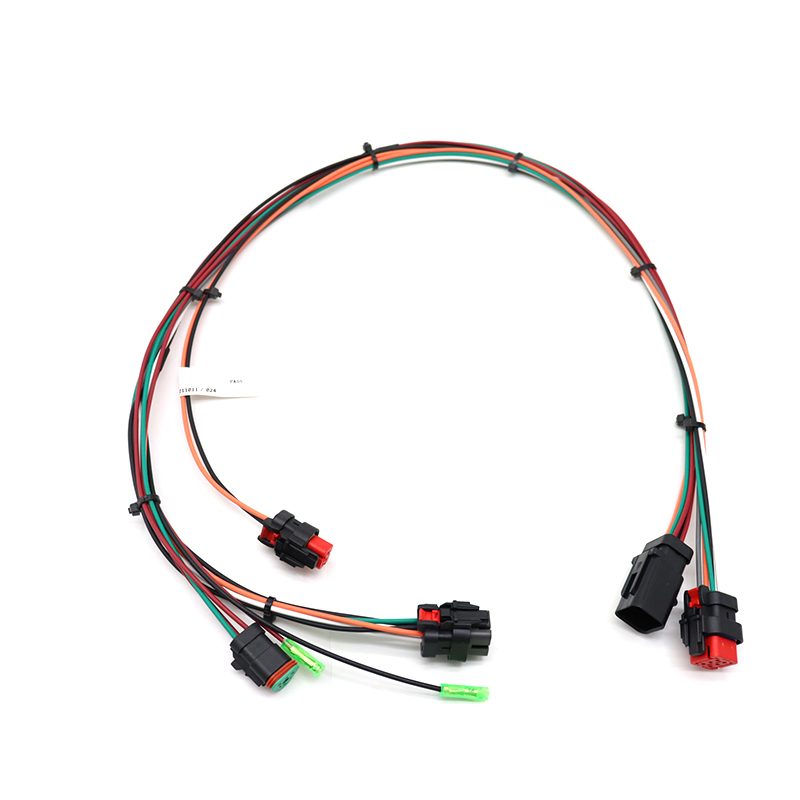
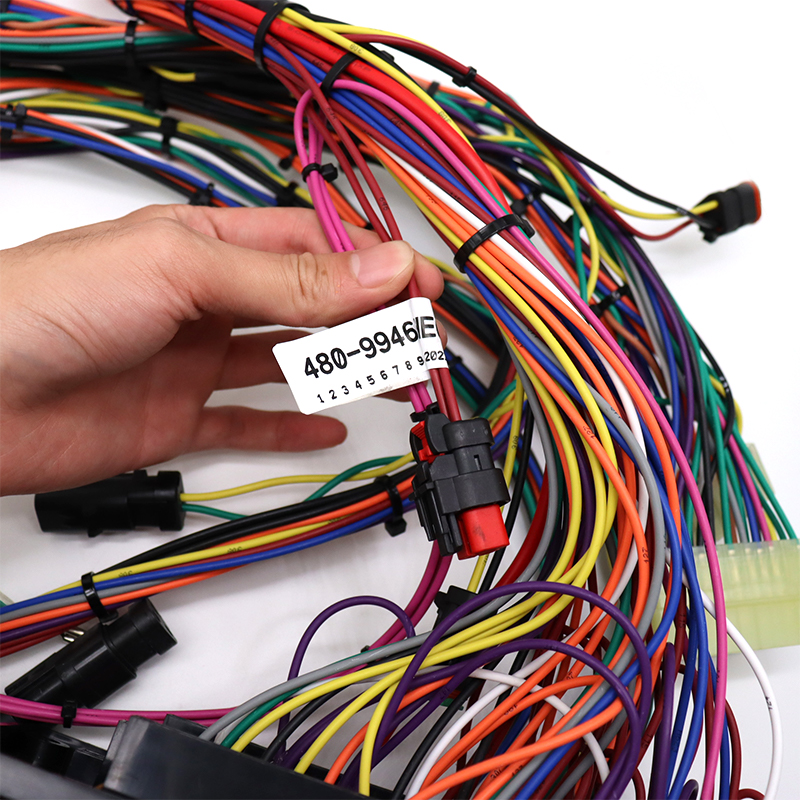
An excavator wiring harness consists of a series of wires, connectors, and terminals designed to link and transmit electrical signals between different systems of the machine.
The harness is encased in protective sheathing that allows it to withstand extreme temperatures, moisture, dirt, and other demanding operating conditions common to excavator work sites.
Its primary functions are electrical connectivity (connecting systems like the ECU and sensors), power distribution (supplying voltage from the battery and alternator), and signal transmission (sending sensor data for real-time monitoring).
Proper installation and regular maintenance ensure efficient machine operation. Any faults or physical damage within the harness can lead to complete electrical failures and severely affect overall functionality.
Yes, because the wiring harness facilitates communication between the control panel, sensors, and the hydraulic controls, any damage can disrupt signals and affect hydraulic system performance.