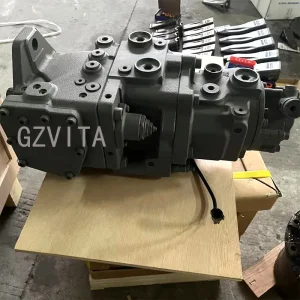
Direct Factory Procurement with Verified Operational Quality Assurance
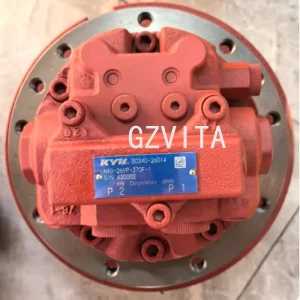
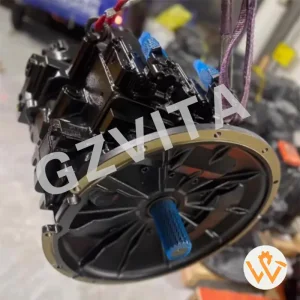
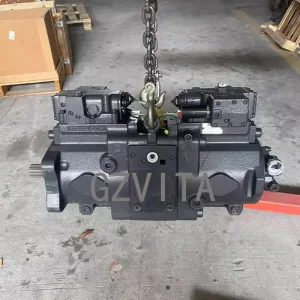
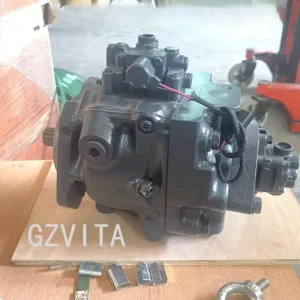
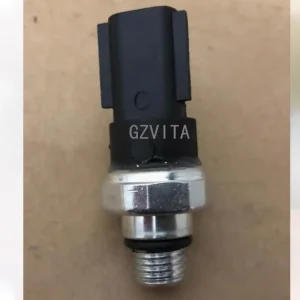
In modern extrusion and polymer processing, the dynamic measurement of melt pressure is paramount to structural consistency and system safety. Standard-setting instruments like Dynisco pressure sensors have long defined the boundary of precision. As global manufacturing transitions toward smarter, automated systems, selecting the right factory and manufacturer for these sensors is no longer just a purchasing decision—it is a critical engineering partnership.
Industrial melt pressure sensors utilize advanced strain gauge technology to translate physical forces in extremely hot polymer melts (often exceeding 400°C) into stable electrical signals. By deploying specialized diaphragms built with Inconel or Hastelloy, these sensors prevent mechanical failure and resist the abrasive chemical interactions common in plastics extrusion, recycled materials processing, and heavy industrial machinery hydraulics. For procurement managers, finding a high-quality alternative or dedicated factory partner that matches the technical precision of Dynisco standards is essential for maintaining supply chain resilience.
Information Gain Insight: The absolute correlation between thermal stability (thermal drift minimization) and final product consistency in extrusion processes is highly dependent on sensor diaphragm configuration. A minimal 0.02% FS/°C thermal drift is the benchmark standard for tier-one global suppliers.
Traditional analog outputs (4-20mA, 0-10V) are rapidly transitioning to digital interfaces like CAN Open, Modbus, and IO-Link. High-quality Dynisco pressure sensor factories are incorporating smart microprocessors into transducer housings to enable self-diagnostics, direct digital calibration, and predictive maintenance logs.
With global regulations like REACH and RoHS restricting hazardous substances, there is a major industry shift toward ecological fill materials. Factories are now utilizing oil-filled (FDA approved) or NaK (Sodium-Potassium) liquid metal fill systems that guarantee safety in food packaging extrusion and medical devices manufacturing without sacrificing accuracy.
New fluoropolymers and high-performance engineering plastics demand processing temperatures above 450°C. Modern factories are utilizing advanced laser-welding of high-nickel alloy diaphragms to ensure zero leakage and long-term durability in highly abrasive and corrosive conditions.
In the highly competitive manufacturing landscape of industrial electronics and machinery components, Guangzhou Vita Construction Machinery Co., Ltd. has established a formidable production framework. Combining a massive, centralized factory in Hubei Province with localized distribution hubs in Guangzhou, the enterprise represents the peak of Chinese high-tech manufacturing capacity. With over 18,000 square meters of production space, the facility hosts advanced machining centers, dust-free sensor calibration rooms, and rigorous stress-testing chambers.
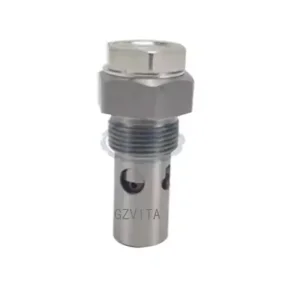
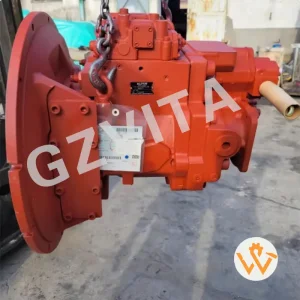
By investing heavily in automated production and retaining 8 highly experienced engineers alongside a trained force of 278 workers, our factory ensures each sensor is calibrated to exact international standards. This balance between massive volume output and high precision enables global buyers to purchase pressure sensors, hydraulic pumps, control valves, and engine replacement parts with the confidence that they will meet or exceed OEM operational parameters.
Whether processing polymer melts in chemical plants or regulating hydraulic fluid pressures in heavy construction machinery, pressure sensor reliability dictates operational uptime. Here are key practical applications:
Combining Manufacturing Infrastructure with High-End Maintenance Engineering
In the fast-paced world of construction and heavy industrial manufacturing, the reliability and efficiency of your machinery can make or break a project. We understand that high-quality parts are essential for optimal performance. We aim to provide top-notch construction machinery parts, pressure sensors, and hydraulic systems to keep customer machinery running smoothly under all conditions.
To improve our service, we set up an engine maintenance and sensor development department. In addition to providing customers with complex assemblies and industrial transducers, we help customers solve various technical problems encountered in the operation, configuration, and calibration of heavy machinery systems.
We boast our own professional maintenance and calibration team. When critical system faults occur in global processing lines or construction zones, our technical specialists can be dispatched internationally to assist customers in configuring, calibrating, and optimizing their machinery and sensor arrays.
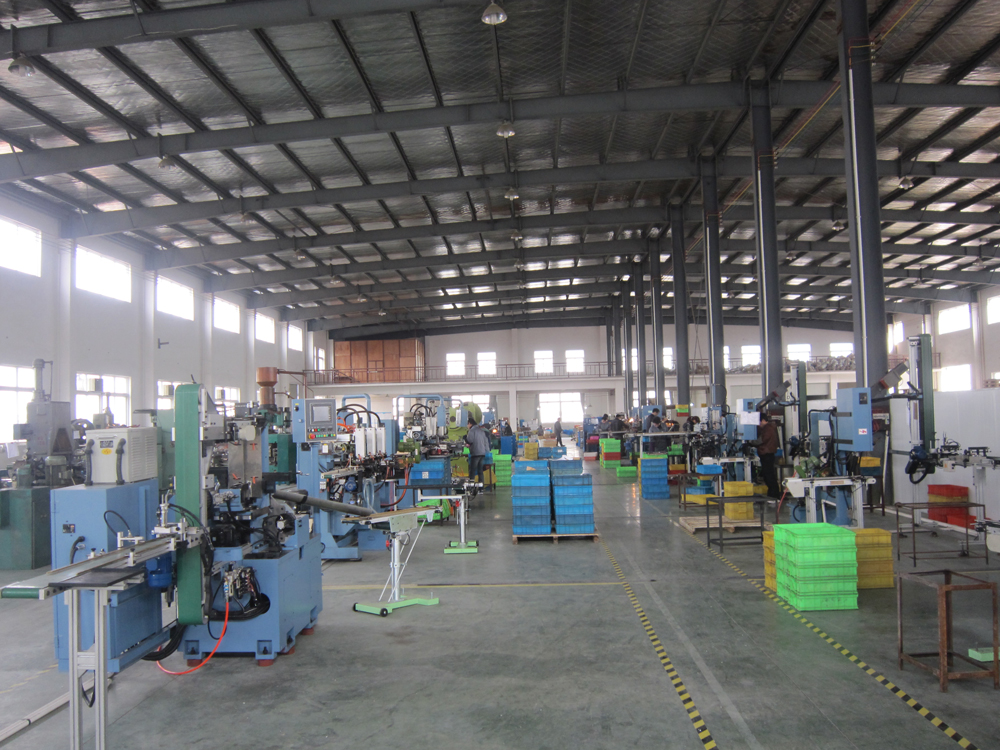
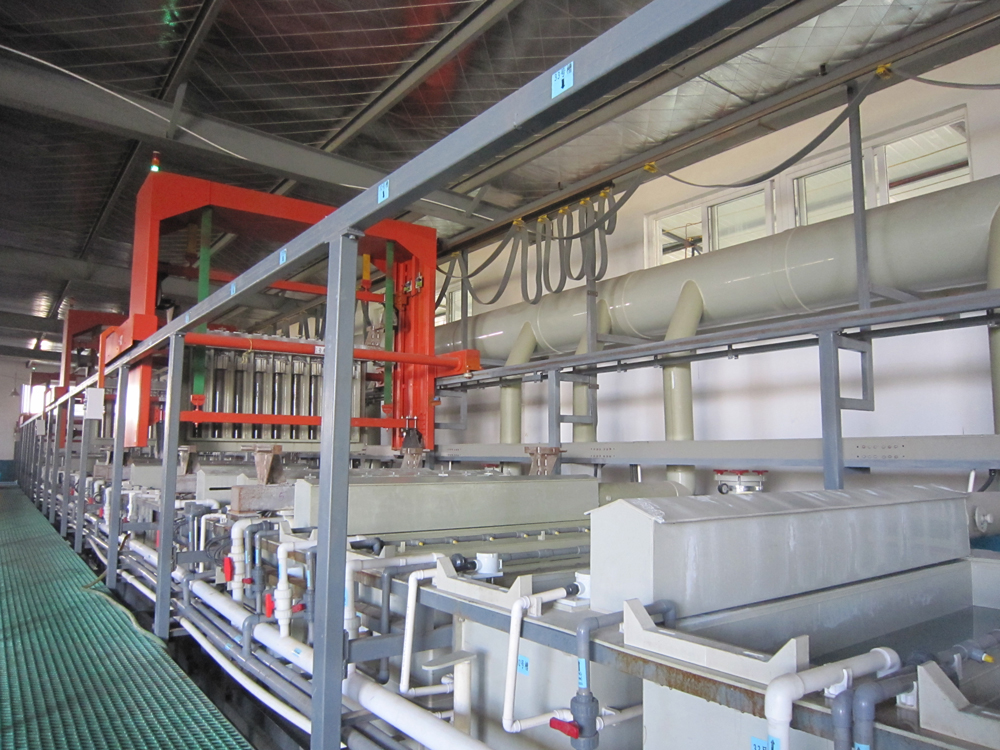
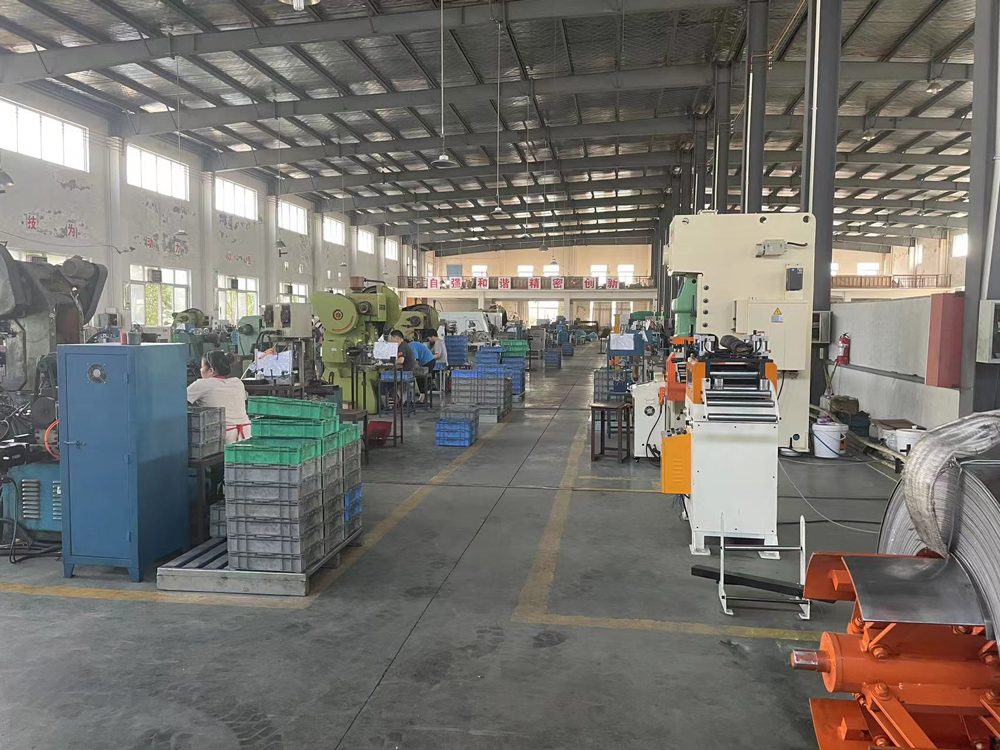
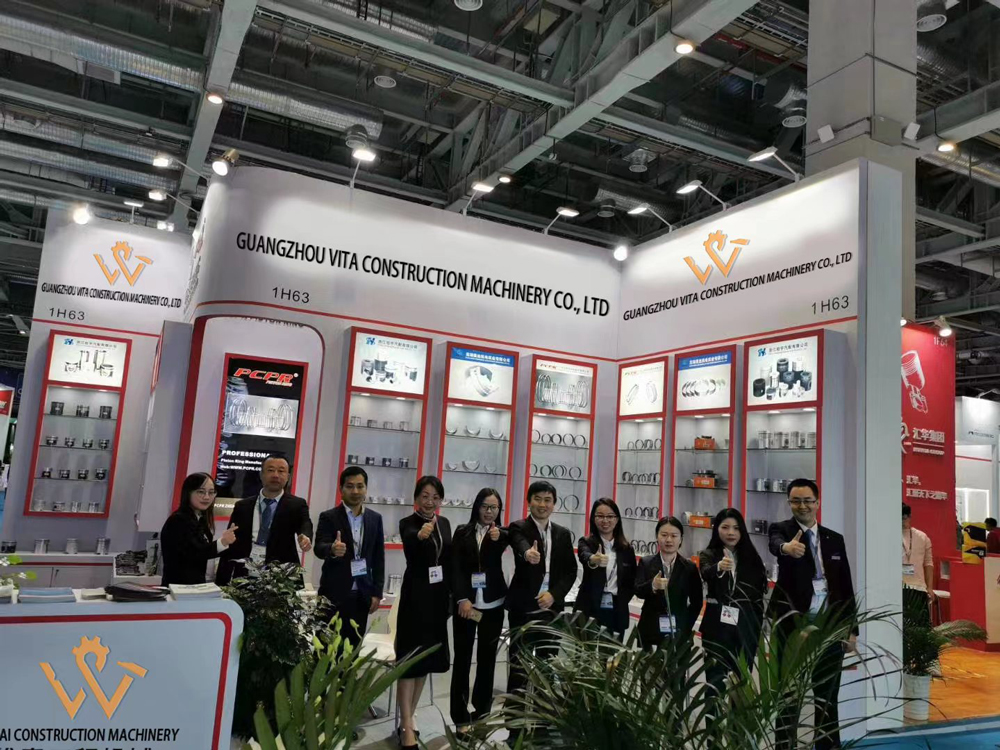
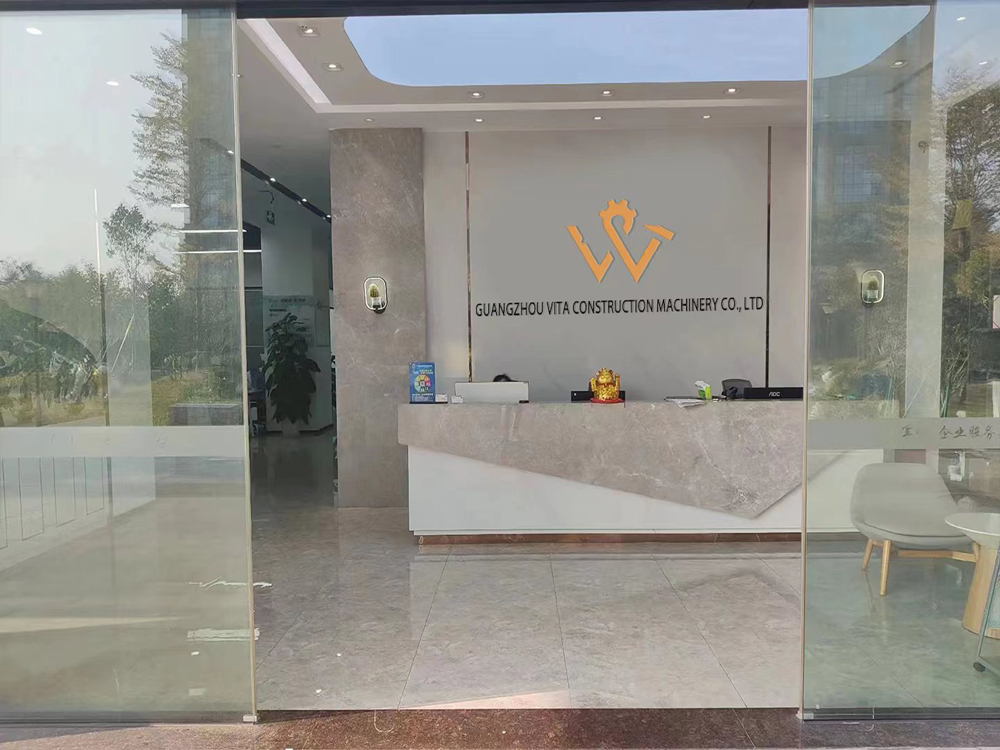
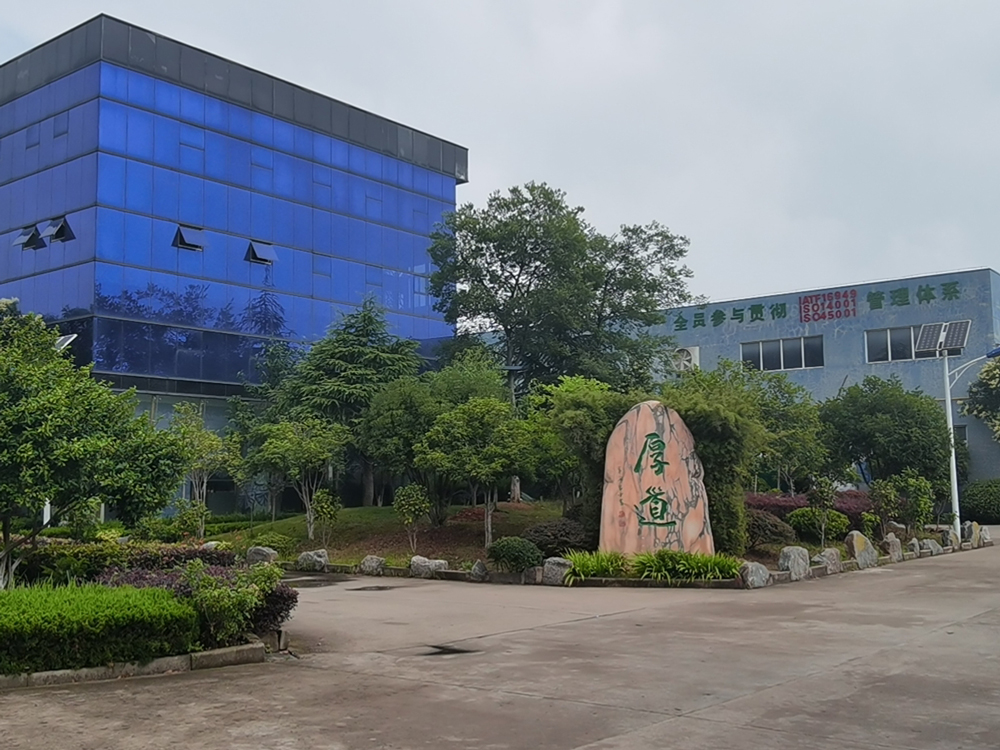
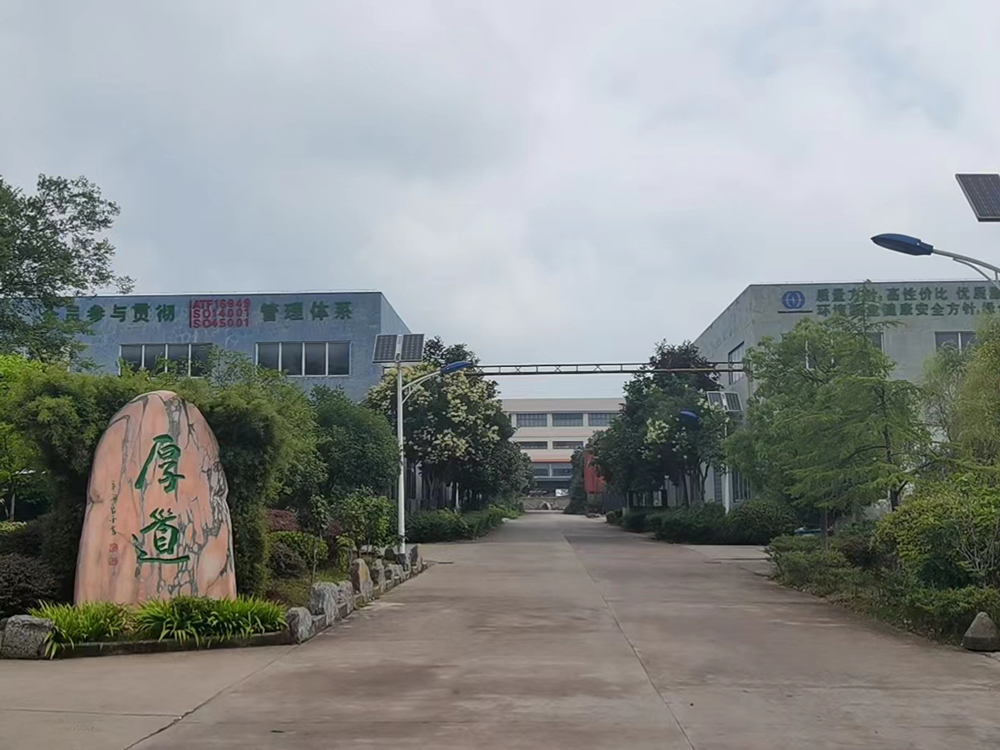
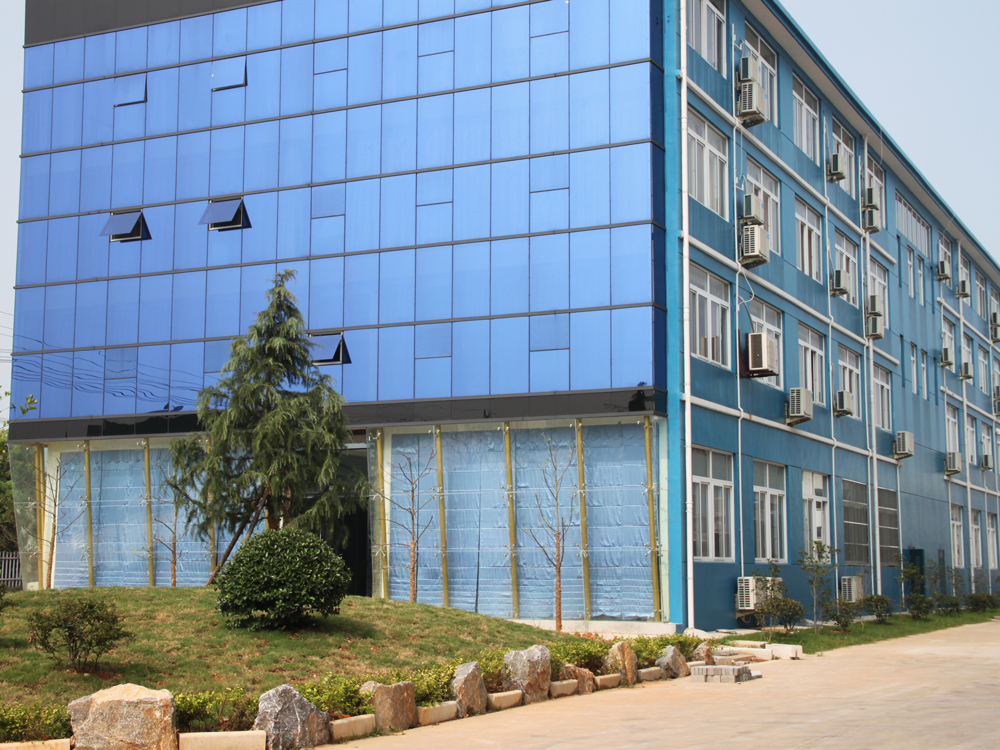
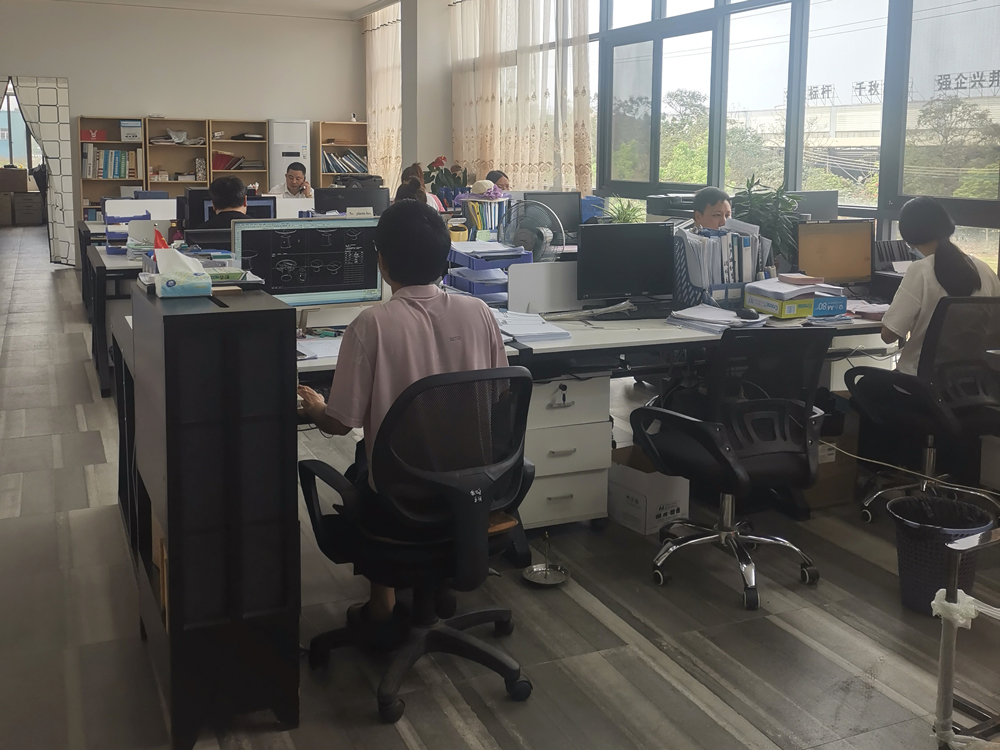
Guangzhou Vita Construction Machinery Co., Ltd. is one of the largest combined factory and foreign trade enterprises in China. The factory is located in Hubei Province, spanning a highly integrated production facility of more than 18,000 square meters. Operating with several advanced precision manufacturing machinery lines, our staff includes over 278 well-trained and skilled assembly technicians and 8 senior development engineers ensuring strict product quality control, rapid turnaround times, and highly accurate supply logistics.
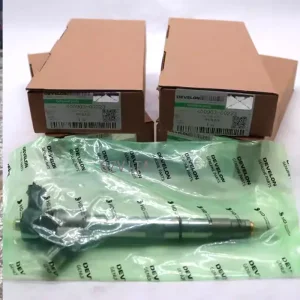
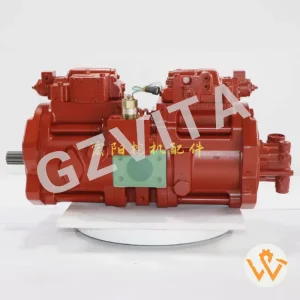
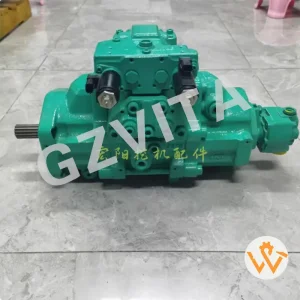
We specialize in developing, manufacturing, and supplying a comprehensive catalog of industrial and construction machinery parts. This includes engine assemblies, pressure sensors, hydraulic pumps, final drives, diesel generator sets, main and rod bearing series, crankshafts, engine valves, gear pumps, cylinders, industrial-grade filters, excavator buckets, and complex undercarriage parts for excavators and bulldozers. Our products serve as direct replacements for renowned brands including Komatsu, Volvo, Sumitomo, Caterpillar, Kubota, Hitachi, John Deere, Kobelco, Hyundai, Kato, Sany, XCMG, Sunward, and other global industrial heavyweights.
Direct Technical Answers from Our Engineering Department
High-Precision Spare Parts Manufactured to Exacting Global Standards
 Vita Construction