In modern excavation and mining industries, the excavator bucket represents the primary boundary interface with high-abrasion media. Understanding the mechanical stress fields and thermodynamic transformations during operations is critical to achieving high-quality repairs. Buckets suffer from combinations of low-stress scratching abrasion, high-stress grinding abrasion, and severe gouging impact wear. Each mechanism demands specialized metallurgical strategies to recover structural profile tolerances and load capacity.
Excavator buckets are typically fabricated using a hybrid combination of structural steel and wear-resistant steel plates. Typical high-tensile alloys include Hardox 400, Hardox 500, Weldox, and structural steel like Q355B. When repairing these plates, understanding the Carbon Equivalent (CEV) is fundamental to preventing hydrogen-induced cracking (underbead cracking). A manufacturer-level bucket repair must strictly conform to welding temperature management. Failing to preheat the wear plates prior to welding leads to brittle martensitic transformations in the Heat-Affected Zone (HAZ), reducing impact resistance and causing premature structural cracks during operation.
To combat wear, factories apply Chromium Carbide Overlay (CCO) cladding or hardfacing matrices. The hardfacing alloy chemistry typically features high-volume fraction primary M7C3 chromium carbides embedded within an austenitic matrix. This provides a hardness rating of up to 60-65 HRC. During the repair process, welding engineers determine the optimal overlay direction relative to the material flow vector: perpendicular beads for fine sand and dry abrasive soils to trap material, and parallel beads for large rock and impact conditions to facilitate sliding and reduce stress concentrations on the base structure.
Operational stakeholders often fail to distinguish between temporary field patching and systematic industrial remanufacturing. Simple patch repairs involve welding mild steel plates over worn areas, which adds weight, reduces capacity, disrupts bucket kinematics, and speeds up structural wear. True industrial repairs restore the original geometries using finite element analysis (FEA) models to evaluate stress profiles.
A professional bucket repair facility uses advanced diagnostic and fabrication steps:
This process guarantees that a repaired bucket delivers at least 90-95% of the performance life of a brand-new OEM component, significantly lowering the total cost of ownership (TCO) for fleet operators.
Key performance indicators reflecting our fabrication capacity and structural repair durability standards.
The global competitiveness of high-quality excavator bucket repairs is anchored in China's industrial clusters. In Hubei Province—a historic center for heavy metallurgical engineering and automotive manufacturing—the supply chain is highly optimized. From advanced steel rolling mills (producing high-tensile structural and alloy plates) to specialized welding consumable factories, every step of the raw material pipeline is located within a 150-kilometer radius.
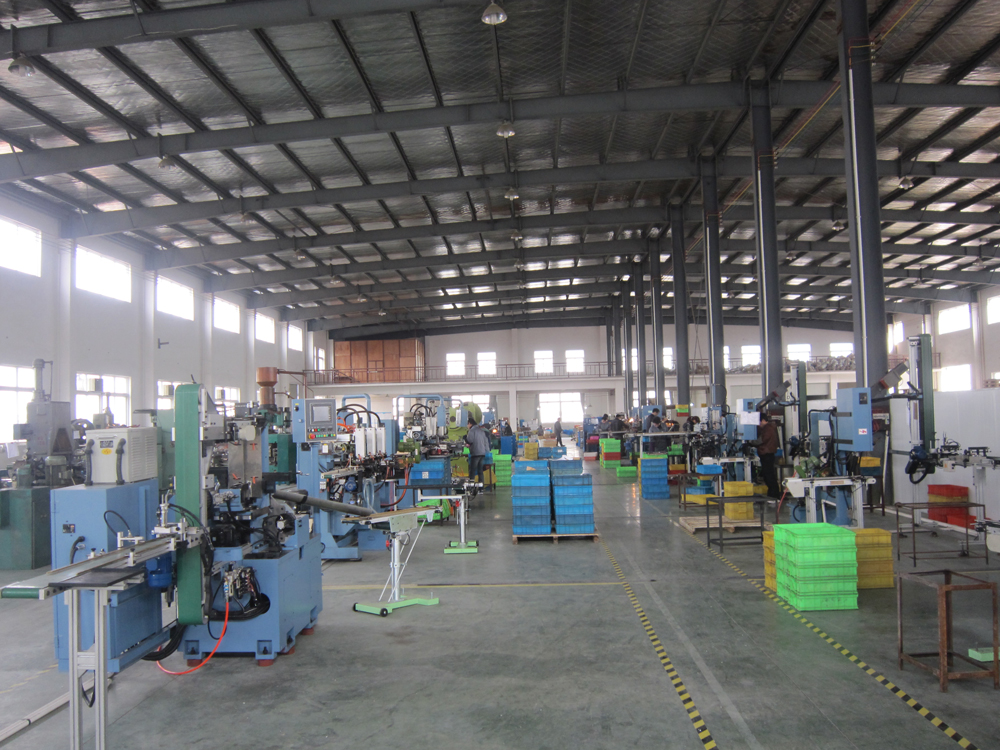
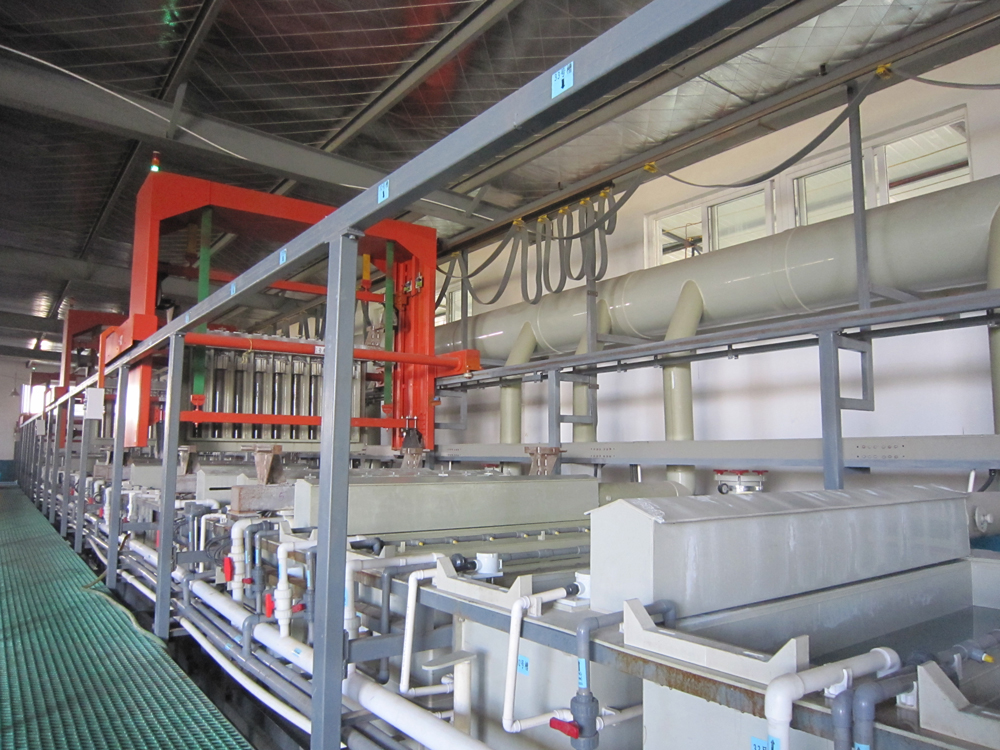
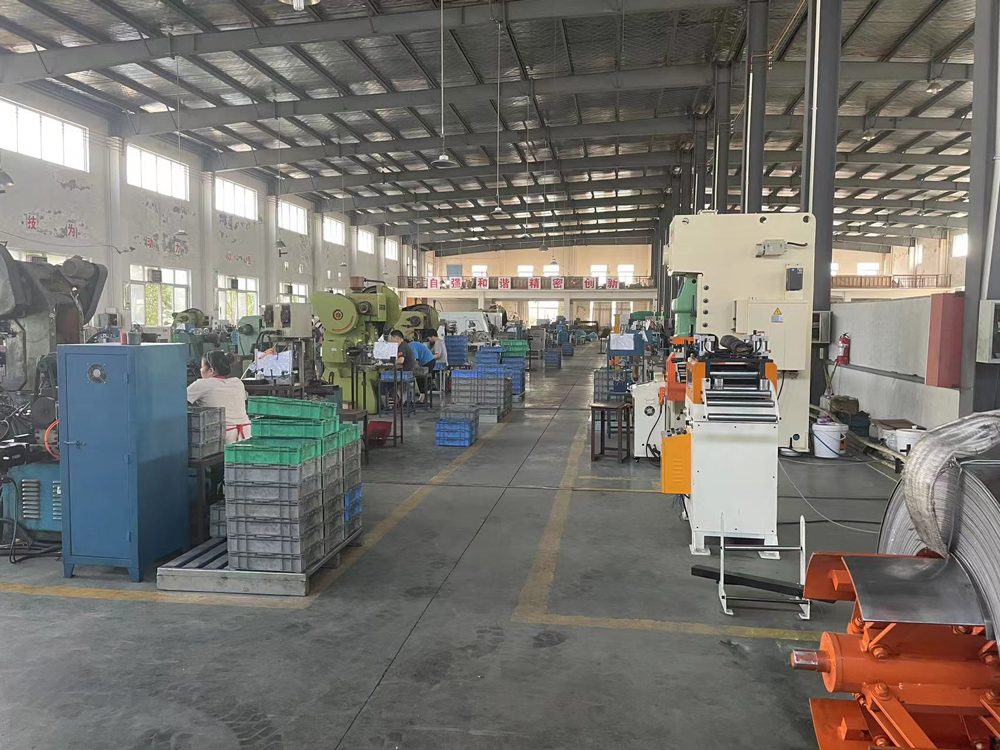
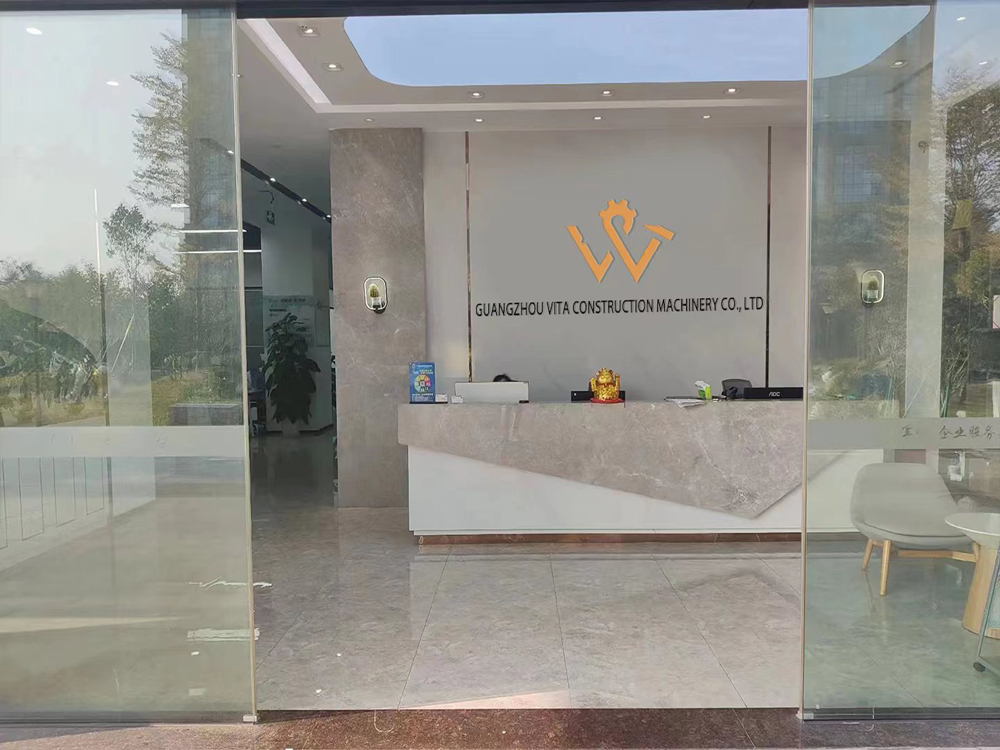
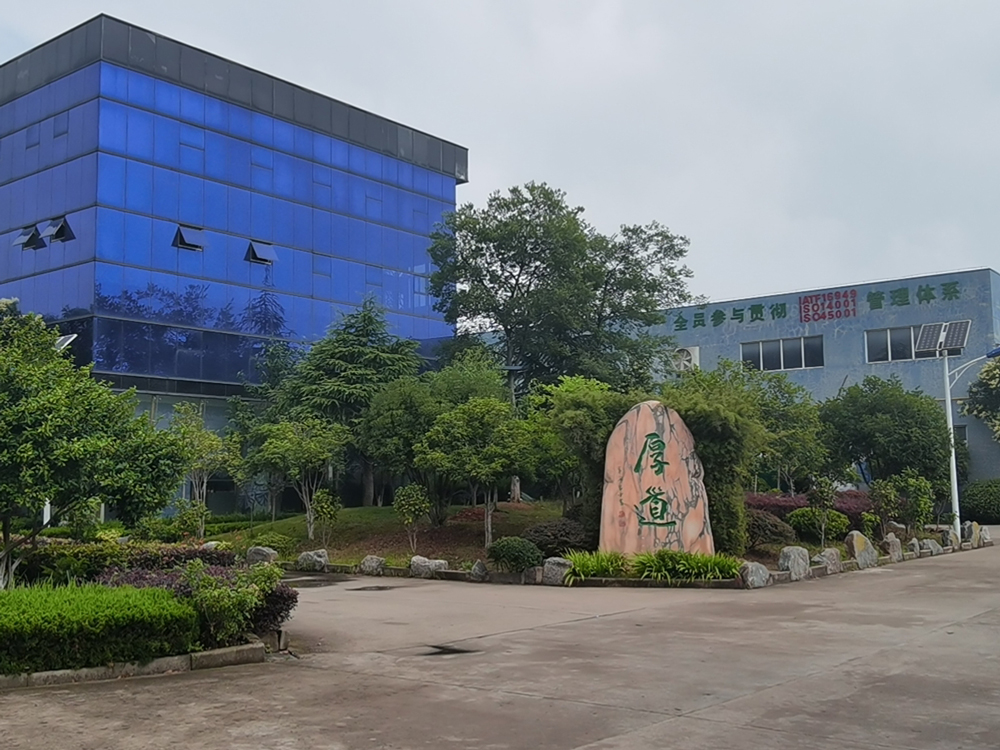
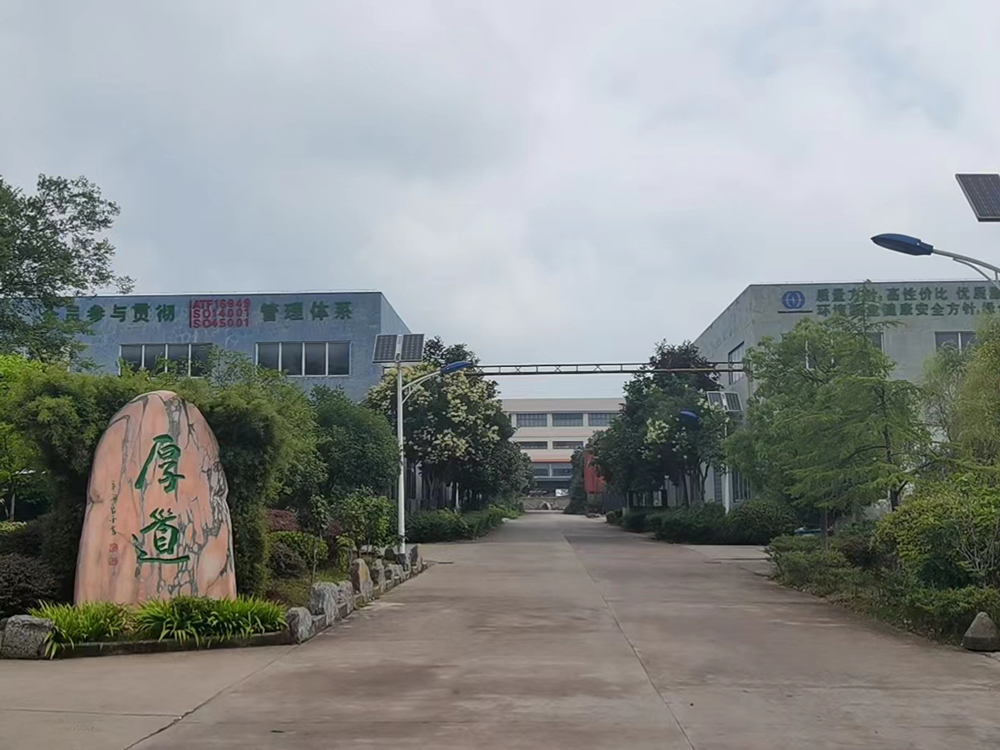
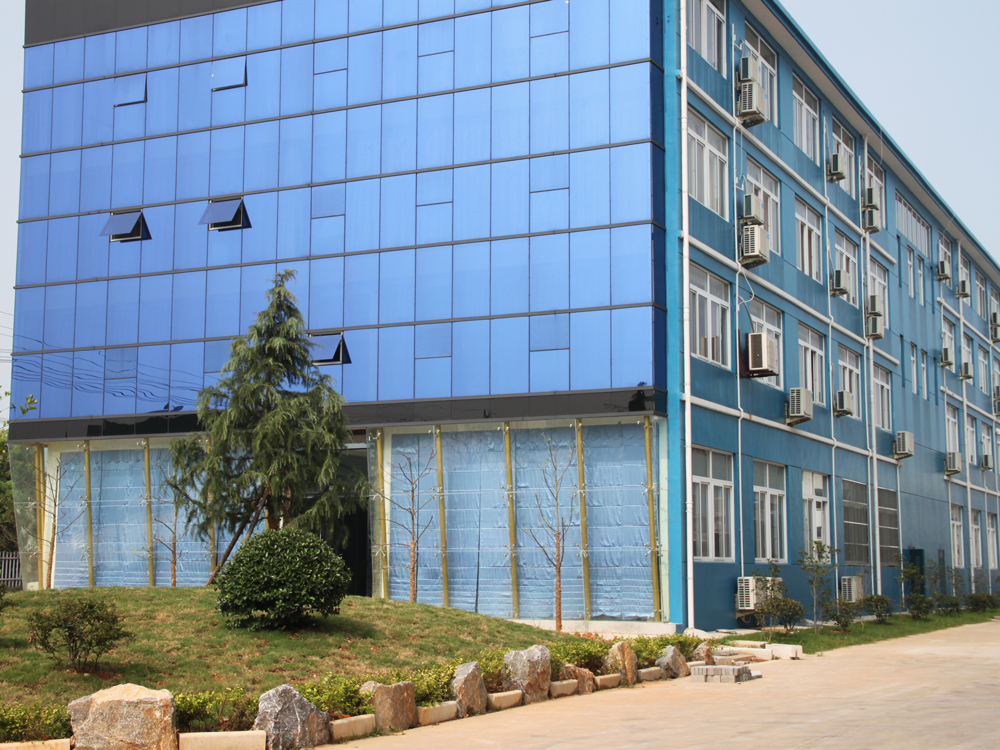
Guangzhou Vita Construction Machinery Co., Ltd. utilizes these advantages, operating an expansive 18,000 square meter workshop in Xiangyang City, Hubei Province. This facility features advanced tooling including large gantry CNC plasma cutters, 1000-ton hydraulic press brakes, automated positioning welding rotators, and multi-axis horizontal boring machines. Having access to regional metallurgical raw materials reduces material transport costs and speeds up turnaround times, enabling the company to complete complex bucket reconstructions in just a fraction of the time required by Western workshops.
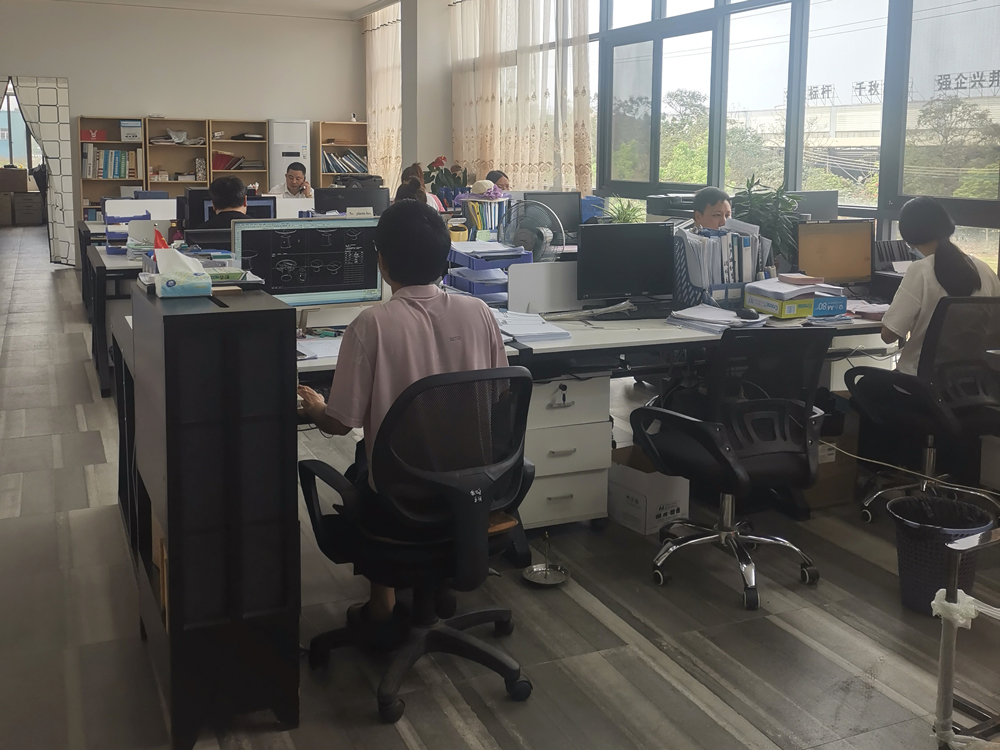
Additionally, the region’s technical colleges produce skilled machinists, structural welders, and quality control inspectors. With over 278 trained technicians and 8 experienced mechanical design engineers, our team integrates quality assurance processes throughout production—including material traceability, weld certifications, and post-repair dimensional testing.
Excavator buckets must be designed and repaired to match the specific wear patterns and geological challenges of different job sites. A repair strategy that performs well in high-impact limestone quarrying may fail prematurely in highly abrasive oil sands operations.
Requires dense hardfacing grids, Tungsten Carbide overlays, and thick shrouds to resist aggressive scratching and micro-plowing wear.
Emphasizes structural integrity, choosing high-yield steels (like Hardox 500) and impact-resistant welds to absorb constant shock without cracking.
Requires corrosion-resistant alloy overlays and specialized drainage designs to prevent moisture retention and accelerate steel corrosion.
By analyzing localized field conditions, our engineering team customizes the repair specification. This includes tailoring parameters like wear plate thickness, hardfacing chemical makeup, and the selection of Ground Engaging Tools (GET) to maximize bucket fill factors and reduce cycle times.
For multinational construction firms, mining groups, and machinery distributors, importing repaired excavator buckets or custom-engineered attachment components requires strict adherence to international regulatory standards. These regulations dictate structural welding safety, material certifications, and transport guidelines.
Compliance & Certifications: Industrial repairs must comply with the European CE mark requirements (for structural attachments) and align with ISO 3834 (Quality Requirements for Fusion Welding of Metallic Materials). All alloy plates must have certified mill test certificates (EN 10204 3.1) showing traceable heat numbers and chemical analysis reports.
Localized Support Systems: A common challenge in global sourcing is the absence of local technical support. To address this, we have developed a responsive remote assistance program. Our repair engineers can travel to client sites internationally to supervise complex, on-site bucket restorations and calibrate hydraulic systems for major attachments.
Furthermore, our technical support department provides custom repair kits. These kits contain pre-cut, CNC-profiled wear plates, custom hardfacing liners, and replacement bushings matched to the specific serial numbers of original Komatsu, CAT, Volvo, or Hitachi buckets, simplifying field repairs for remote maintenance crews.
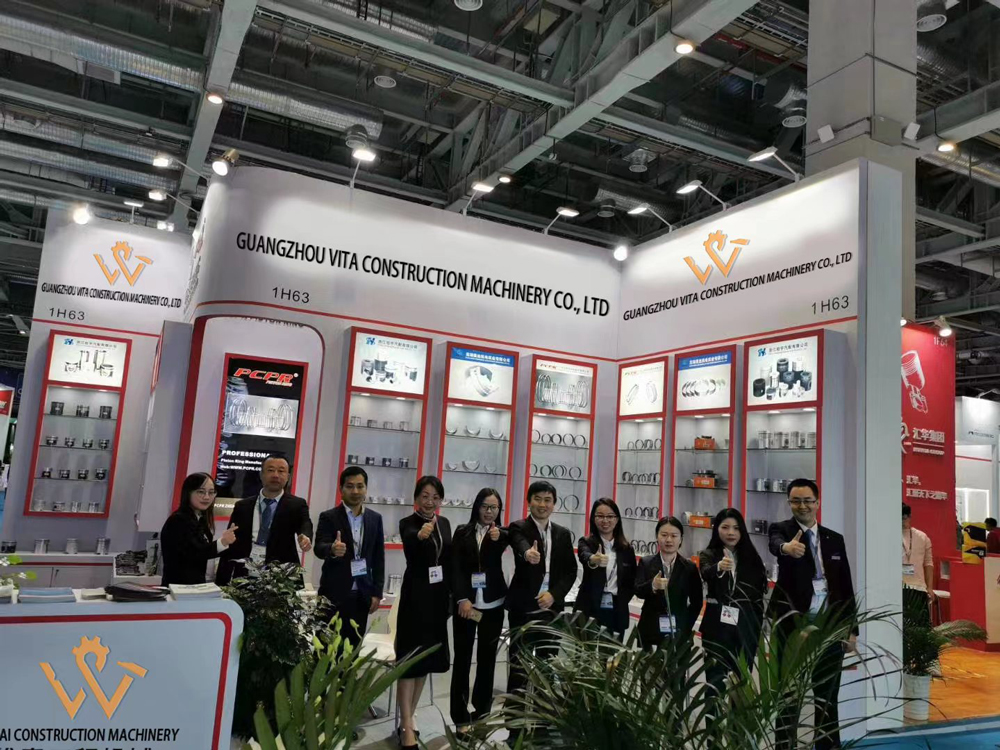
Guangzhou Vita Construction Machinery Co., Ltd. is one of the largest company that combines factory and foreign trade. The factory is located in Xiangyang City, Hubei Province, there are more than 18,000 square meters workshop with several advanced production machines, more than 278 well trained and skilled workers and around 8 experienced engineers assure the good product quality as well as fast and accurate delivery.
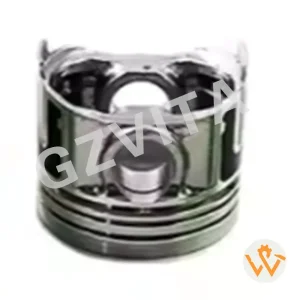
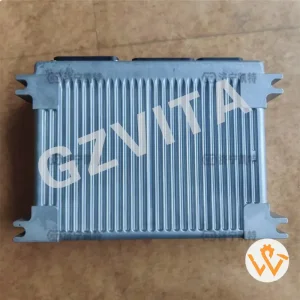
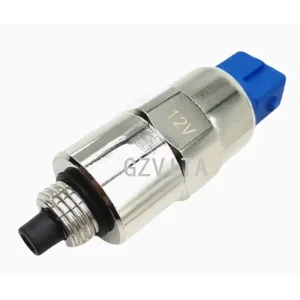
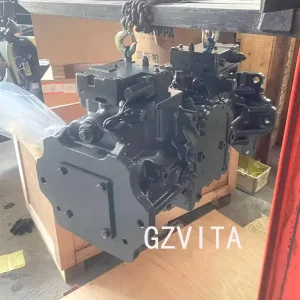
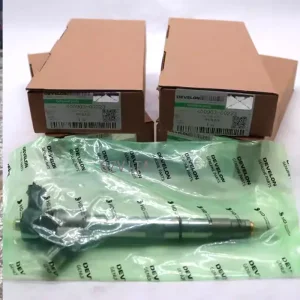
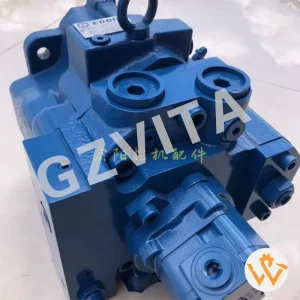
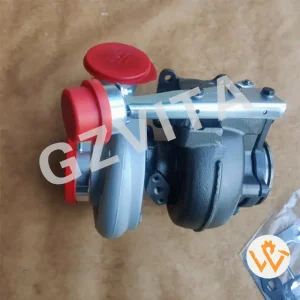
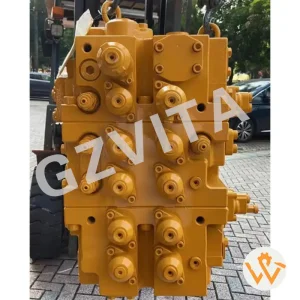
We specialize in producing, developing and selling the whole range of construction machinery parts. Such as engine assembly, hydraulic pump, final drive, electric generating set, engine bearing (Main bearings con Rod Bearing series), crankshafts, engine valves, gear pumps, cylinder, all kinds of filters, excavator bucket, undercarriage parts for excavator and bulldozer... which are used as replacement of many type of machines, the brand include Komatsu, Volvo, Sumitomo, Caterpillar, Kubota, Hitachi, John Deere, Kobelco, Hyundai, Kato, Sany, XCMG, SUNWARD, and other well-known brands.
In the fast-paced world of construction, the reliability and efficiency of your machinery can make or break a project. We understand that high-quality parts are essential for optimal performance. So we aim to provide top-notch construction machinery parts to keep our customer's machinery running smoothly.
To improve our service, we set up an engine maintenance development department. In addition to providing customers with engine assemblies, we can also help customers solve various technical problems encountered in the operation and assembly of engines.
We have our own professional maintenance team and can even be invited by customers to arrange for maintenance technicians to go abroad to help customers repair engines and complex machinery structures.
The excavation attachment industry is undergoing a significant transition driven by digital connectivity and strict carbon reduction targets. The integration of IoT (Internet of Things) wear sensors embedded directly in the bucket's heel plates and adapters represents the next step in preventative maintenance. These electronic sensors monitor structural thickness in real time, alerting maintenance managers when wear plates reach critical thresholds. This enables planned workshop visits before a catastrophic weld failure occurs.
At the same time, eco-friendly remanufacturing is growing rapidly. Salvaging a worn heavy-duty mining bucket shell rather than casting and fabricating a new unit reduces carbon emissions by approximately 75-80%. Large construction firms are increasingly prioritizing suppliers that offer certified repair and remanufacturing programs as part of their environmental, social, and governance (ESG) commitments. This shift is turning bucket repair from a simple maintenance task into a key part of corporate sustainability strategies.
Technical advice for fleet managers and procurement teams to maximize equipment uptime.
 Vita Construction