 Vita Construction
1 / 5
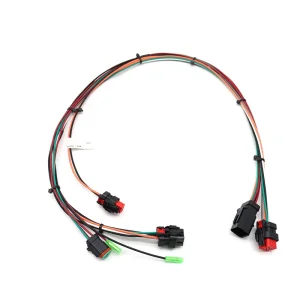
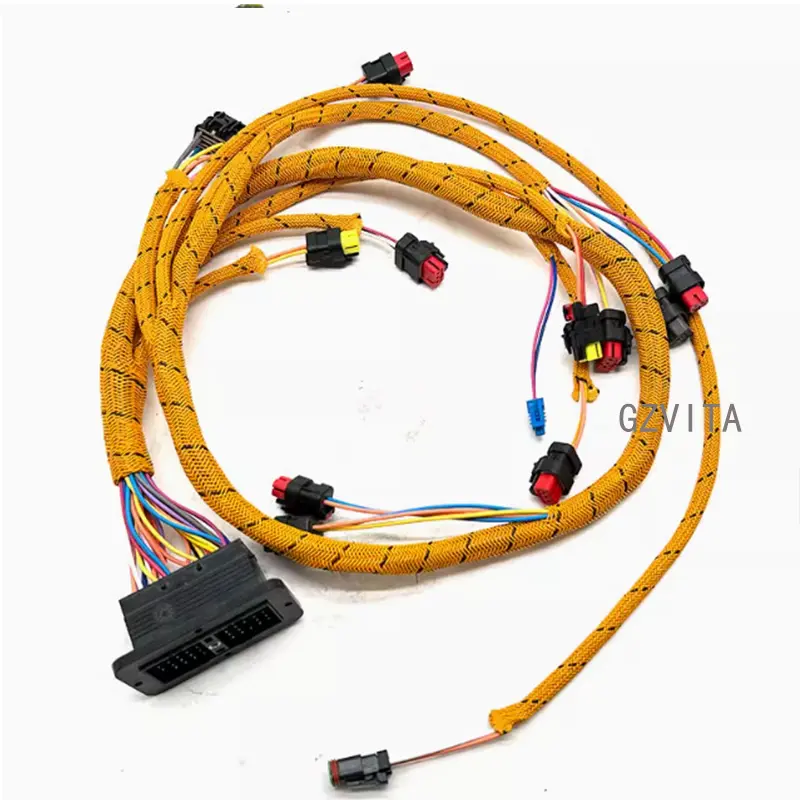
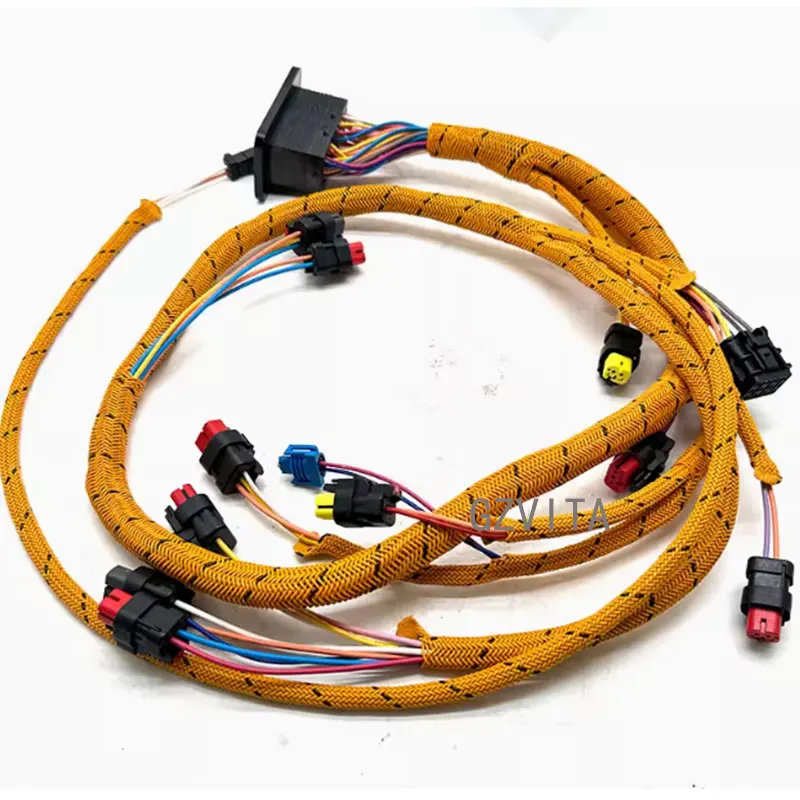
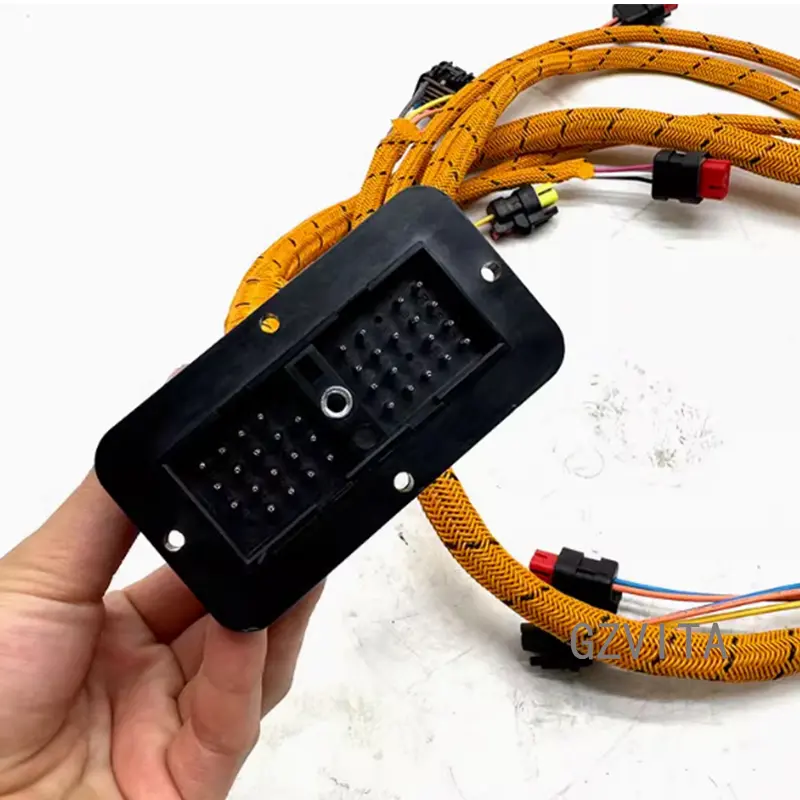
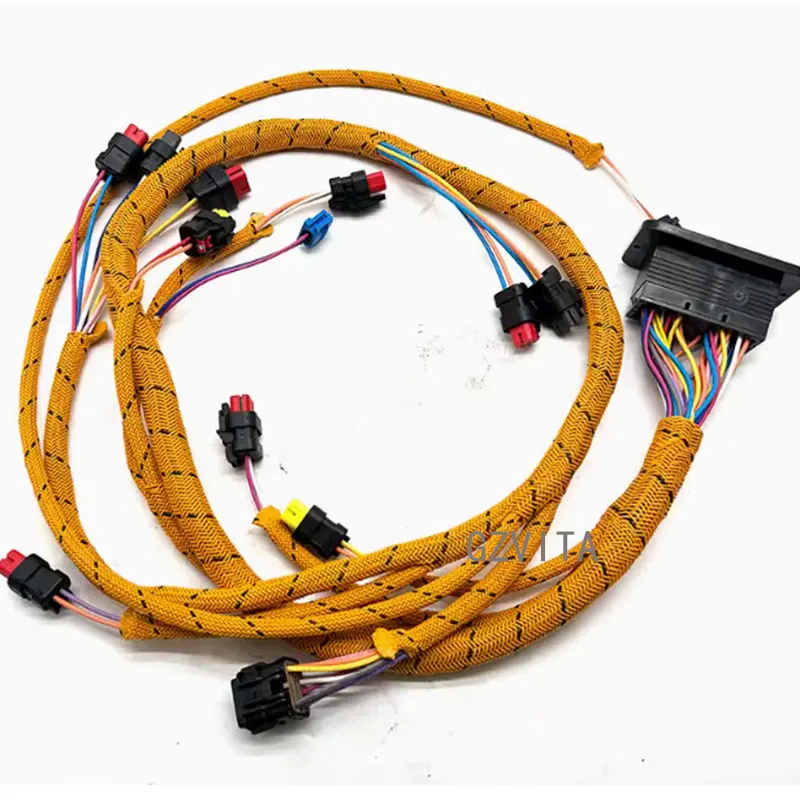
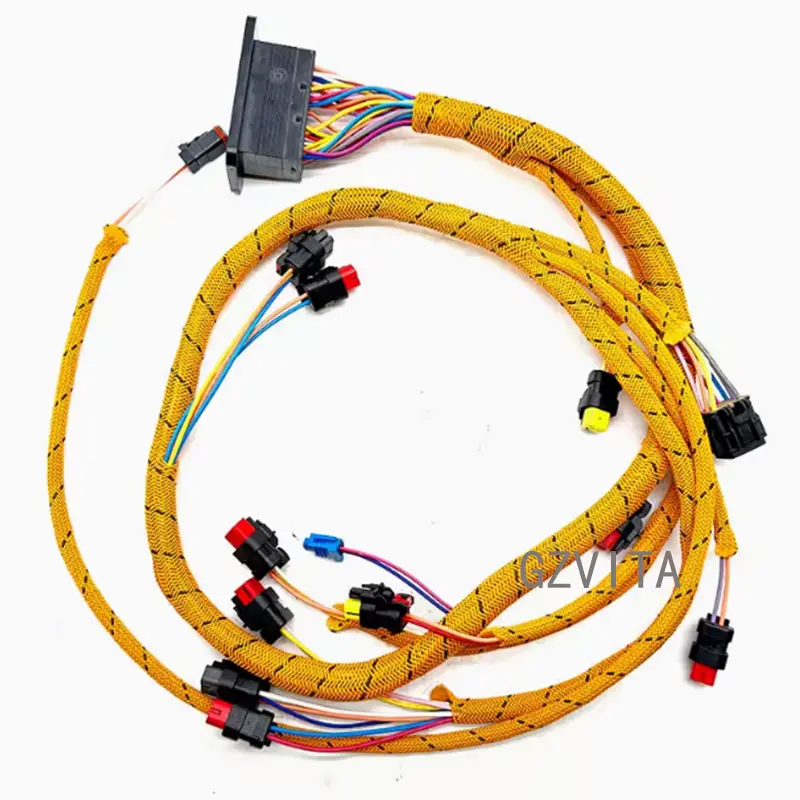
Connecting the engine wiring harness on an excavator is a critical task that requires attention to detail to ensure proper functionality. Here are some tips to help you with this process:
Always consult the excavator’s service manual for specific wiring diagrams and instructions. This will provide you with the correct pin configurations and connections for your particular model.
Before connecting, lay out the wiring harness and ensure that all connectors are accessible. This will help you avoid confusion and make the installation process smoother.
Inspect the wiring harness for any signs of wear, fraying, or damage. Replace any damaged wires or connectors before proceeding to avoid electrical issues.
Ensure that all connectors are clean and free of dirt or corrosion. Use electrical contact cleaner if necessary to ensure a good connection.
Connectors are often designed to fit only one way. Ensure that you match the connectors correctly and avoid forcing them together, as this can cause damage.
Once connected, secure the wiring harness using clips, ties, or brackets as specified in the service manual. This will prevent movement and potential wear from vibration.
Ensure that all ground connections are secure and free of corrosion. A poor ground can lead to electrical issues and erratic behavior of the engine and other components.
After connecting the wiring harness, perform a thorough check to ensure all connections are secure. If possible, use a multimeter to test for continuity and proper voltage at various points in the harness.
Always follow safety protocols when working with electrical systems. Disconnect the battery before making any connections to prevent short circuits or electrical shocks.
If you are working on a complex wiring harness, consider taking photos or making notes during the process. This can be helpful for future reference or troubleshooting. By following these tips, you can help ensure a successful connection of the engine wiring harness on an excavator, leading to reliable operation and performance.
The service manual contains excavator-specific wiring diagrams and correct pin configurations. Using it prevents incorrect connections that could damage the engine control unit or electrical system.
A damaged, frayed, or worn wiring harness can lead to short circuits, incorrect sensor readings, erratic engine performance, or even electrical fires. Damaged parts must be replaced before installation.
A poor ground connection creates electrical resistance, which can cause erratic sensor signals, starting issues, and failure of various electronic control systems on the excavator.
Excavators generate significant vibrations during operation. Securing the harness prevents it from rubbing against sharp metal components, which would otherwise wear down the insulation and cause electrical failure.
Always disconnect the excavator's battery before handling or connecting any wiring. This prevents accidental short circuits, sparks, and electrical shocks during the installation process.