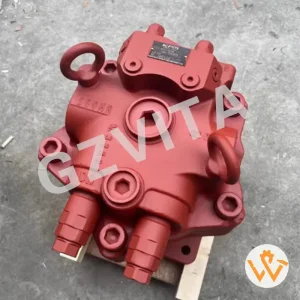
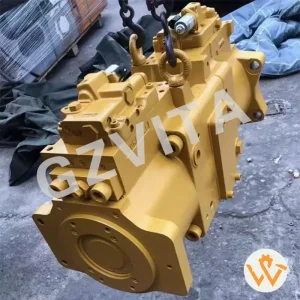
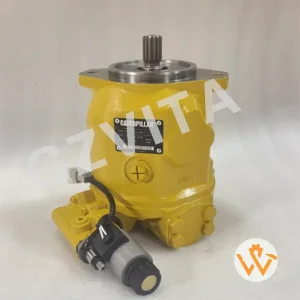
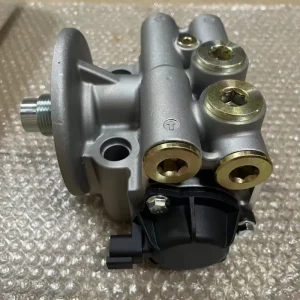
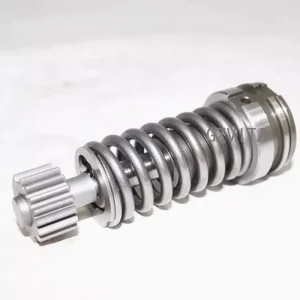
Explore our hot-selling hydraulic products, rotary components, and electrical controllers built to heavy-duty OEM specifications.
Understanding the mechanical characteristics, metallurgy, and stress parameters required for extreme digging forces.
Hitachi excavators are globally renowned for their power and efficiency, especially in high-stress quarrying and civil engineering applications. The bucket cylinder handles the direct impact of materials, requiring exceptional yield strength. In our manufacturing facility, we use high-grade 40Cr / 42CrMo alloy steel for piston rods, which undergo induction hardening followed by hard chrome plating (minimum thickness of 0.03mm to 0.05mm, with a surface hardness exceeding HRC 55). This guarantees high wear resistance, anti-corrosion, and long seal life.
The cylinder tubes are made of heavy-wall 25Mn2 or ST52 carbon steel, precision honed to a finish between Ra 0.2µm and Ra 0.4µm. This smooth bore minimizes inner wear, lowers heat generation, and ensures the dual-lip seal systems retain maximum system pressure without bypass leaks.
Under heavy digging conditions, pressure spikes within the bucket cylinder can reach up to 40 MPa. Standard seal rings will fail under such loads. We utilize premium imported seal kits (such as NOK or Hallite) engineered to withstand temperature variations from -40°C to 120°C.
Additionally, our bucket cylinders feature an integrated cushion or buffer valve system at both stroke ends. This system prevents metal-to-metal impacts during fast, repetitive cycle operations, reducing cabin vibration, structural fatigue, and noise while increasing the cylinder's service life by more than 40%.
Combining state-of-the-art manufacturing with robust foreign trade capabilities to serve customers worldwide.
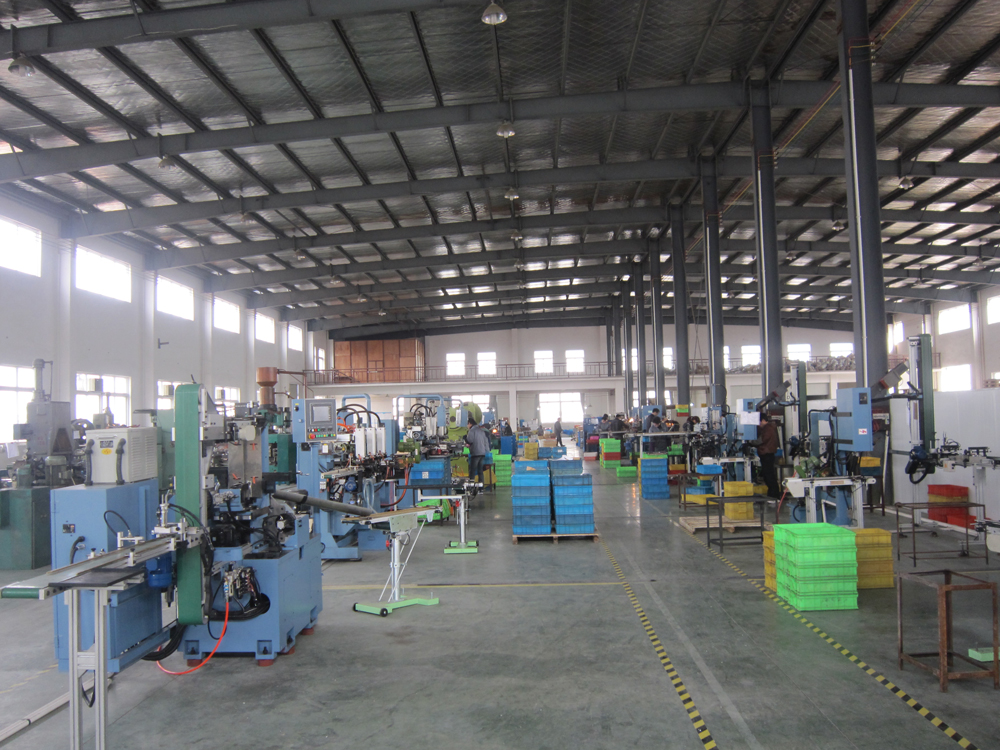
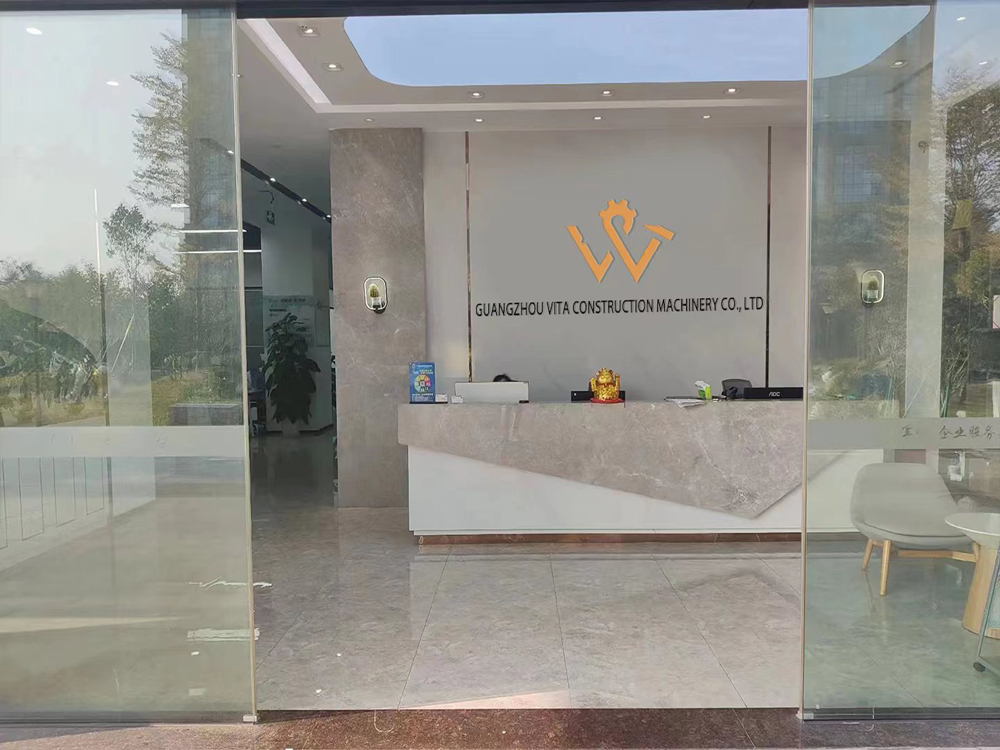
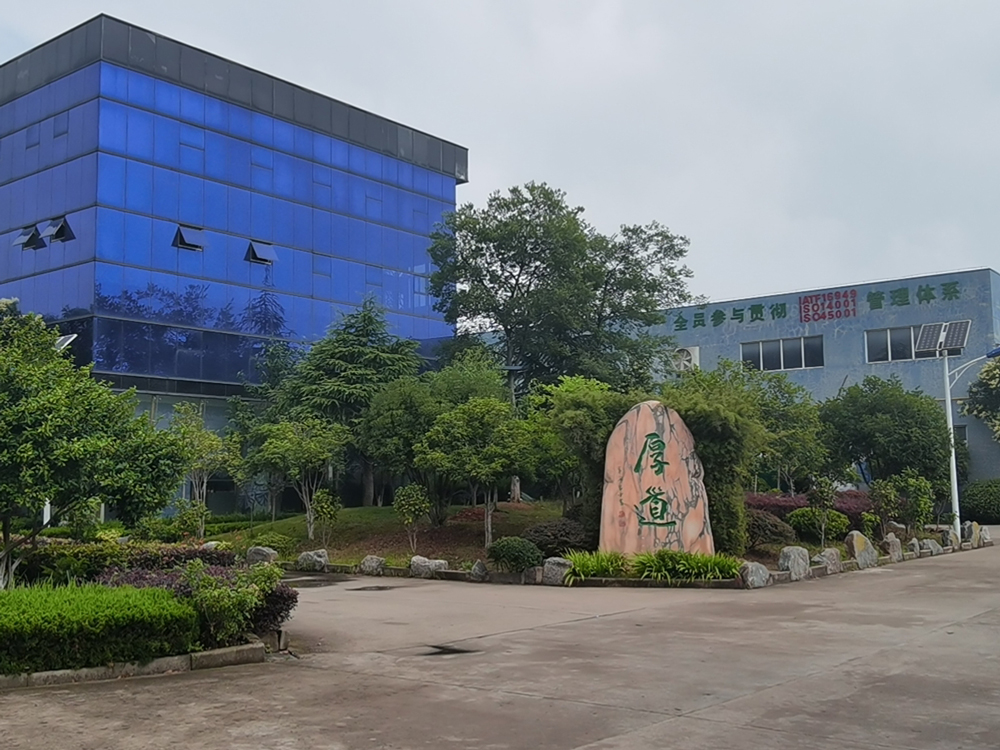
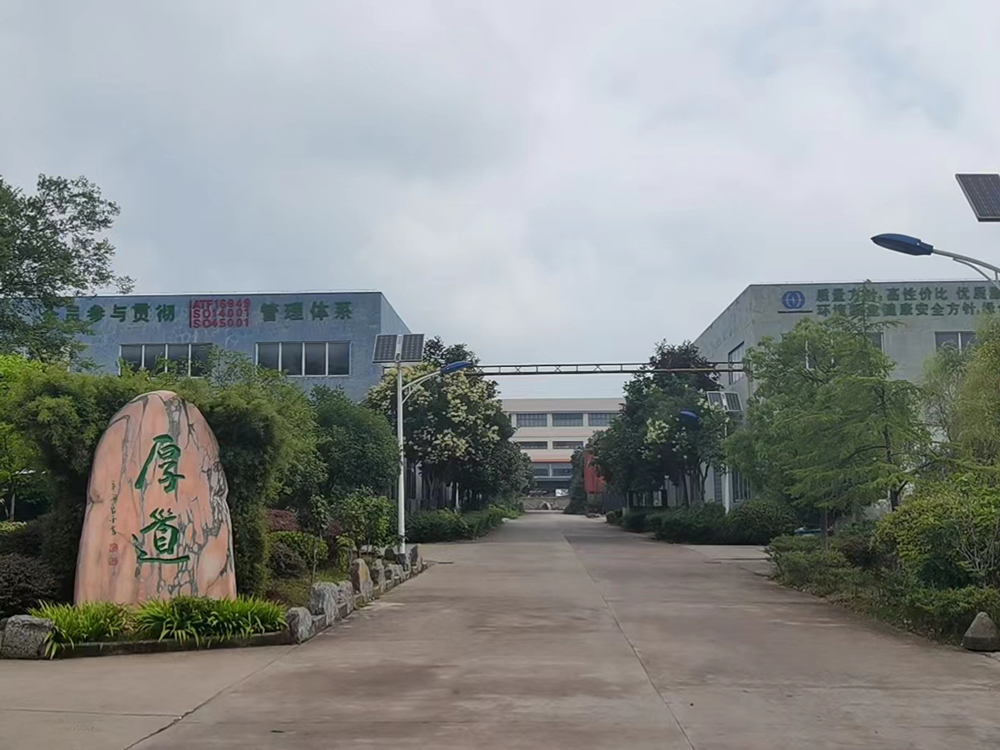
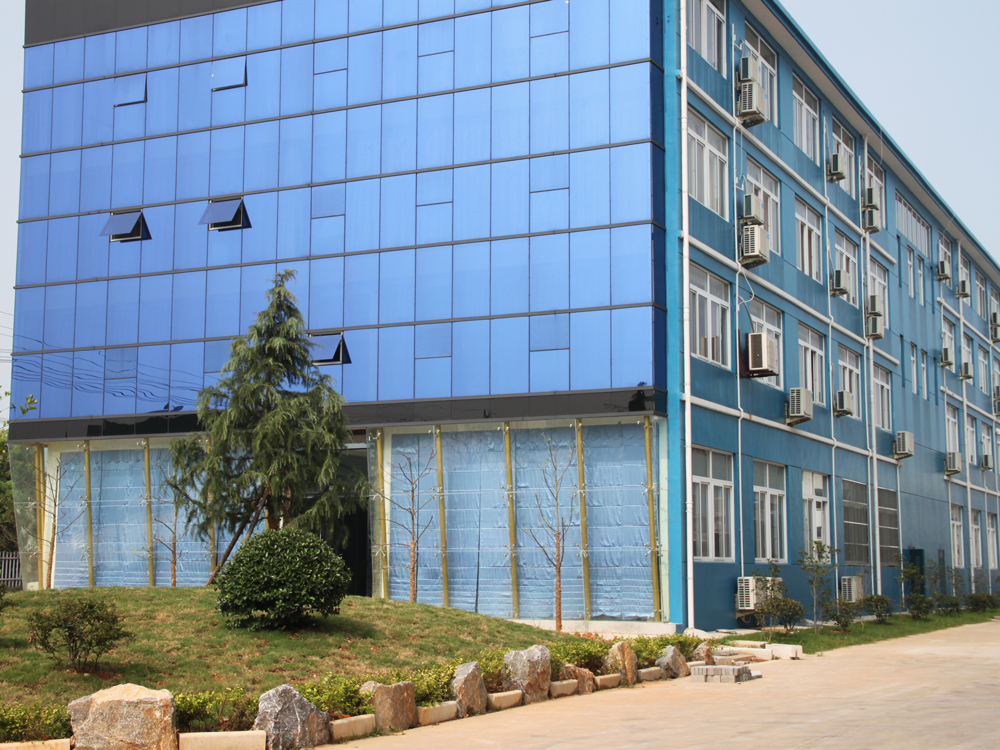
Guangzhou Vita Construction Machinery Co., Ltd. stands as a premier enterprise merging custom factory manufacturing with global export expertise. Our primary manufacturing facility is located in the industrial hub of Xiangyang City, Hubei Province. This facility spans a massive 18,000 square meters and is equipped with advanced CNC vertical machining centers, automatic cylinder welding cells, and precise dust-free assembly lines.
Our workforce features more than 278 well-trained, skilled production personnel overseen by 8 experienced heavy hydraulic engineers. We specialize in developing, manufacturing, and supplying a comprehensive catalog of machinery components. Beyond hydraulic cylinders (including boom, arm, and bucket cylinders), our product line covers diesel engine assemblies, piston pumps, final drives, electrical controllers, undercarriage wear parts, and heavy-duty bucket attachments for world-class equipment manufacturers like Komatsu, Volvo, Sumitomo, Caterpillar, Kubota, Kobelco, Hyundai, Kato, Sany, XCMG, and Sunward.
We perform 100% pressure tests (static and dynamic pressure cycle testing) on every bucket cylinder before shipment, ensuring complete reliability on the job site.
Our experienced technicians resolve integration and assembly issues, ensuring replacement cylinders fit properly and align with your system flow rates.
Our maintenance teams assist international buyers with hydraulic integration, system tuning, and overseas support.
A closer look at the raw material access, automation, and supply chain efficiencies that drive down total procurement costs.
Our proximity to major steel mills in China allows us to source premium 42CrMo and 40Cr structural alloys with certified mill test reports at lower logistics costs, saving you money on every build.
By using robotic deep-hole boring machines, automatic CNC welding lines, and advanced circular seam welding systems, we maintain consistent geometric tolerances and strong weld penetration.
Our factory operates under ISO 9001:2015 quality management guidelines. We use coordinate measuring machines (CMM) and ultrasonic testing to identify surface cracks or internal issues before assembly.
Standardized specifications for popular Hitachi excavator series models. Custom orders can be engineered to meet your exact project dimensions.
| Excavator Model | Cylinder Part Number Reference | Bore Diameter (mm) | Rod Diameter (mm) | Stroke length (mm) | Rated Operating Pressure |
|---|---|---|---|---|---|
| Hitachi ZX200-3 / ZX200-5 | 9231415 / 9256190 | 120 mm | 85 mm | 1060 mm | 34.3 MPa (350 bar) |
| Hitachi ZX330-3 / ZX330-5 | 9261220 / 9284451 | 145 mm | 100 mm | 1285 mm | 34.3 MPa (350 bar) |
| Hitachi ZX470-5 / ZX490-5 | 9298510 / 9314480 | 170 mm | 115 mm | 1410 mm | 34.3 MPa (350 bar) |
| Hitachi EX1200-6 | 9312240 / 9328450 | 230 mm | 160 mm | 1820 mm | 34.3 MPa (350 bar) |
Adapting heavy-duty component designs to meet modern engineering standards for efficiency, durability, and smart monitoring.
Modern excavators are increasingly adopting smart hydraulic systems. Integrating linear position sensors directly into the cylinder body allows real-time feedback on bucket position and stroke depth. This supports automated grade control and semi-autonomous digging features. Our engineering team can supply custom-machined cylinder heads and rods pre-configured for internal sensor installation.
Increasing environmental regulations require machinery operators to reduce hydraulic fluid spills. Modern bucket cylinders are moving toward eco-safe, bio-degradable oils. This requires specialized seal materials that resist degradation under high temperatures. We utilize advanced thermoplastic polyurethanes (TPU) and hydrogenated nitrile (HNBR) materials to ensure seal compatibility with both mineral-based and synthetic fluids.
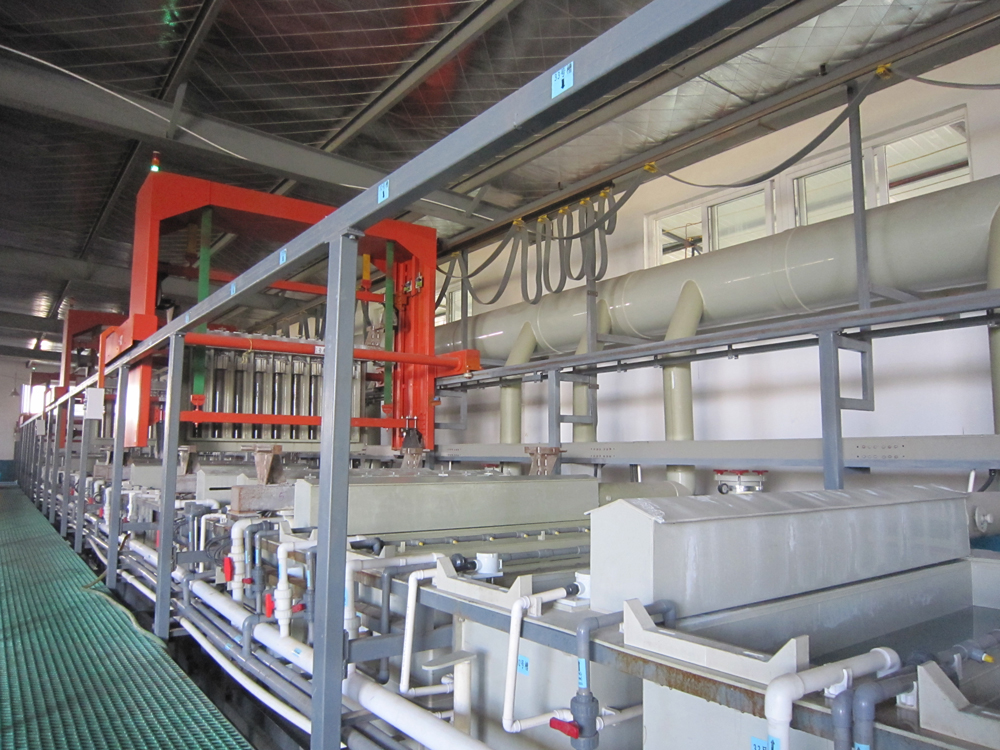
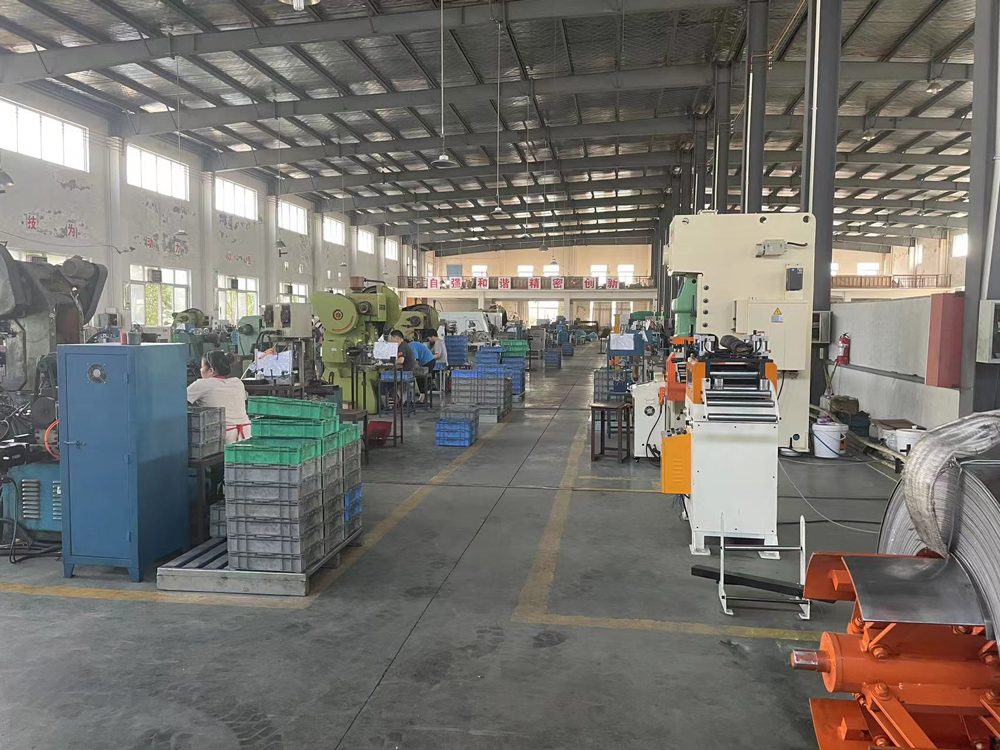
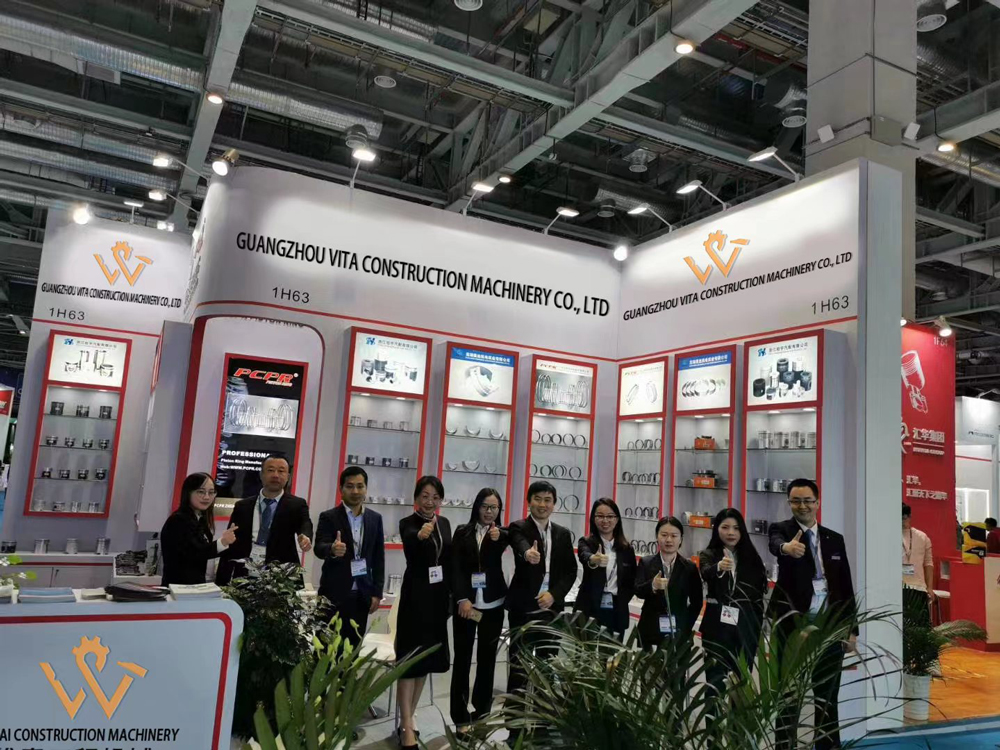
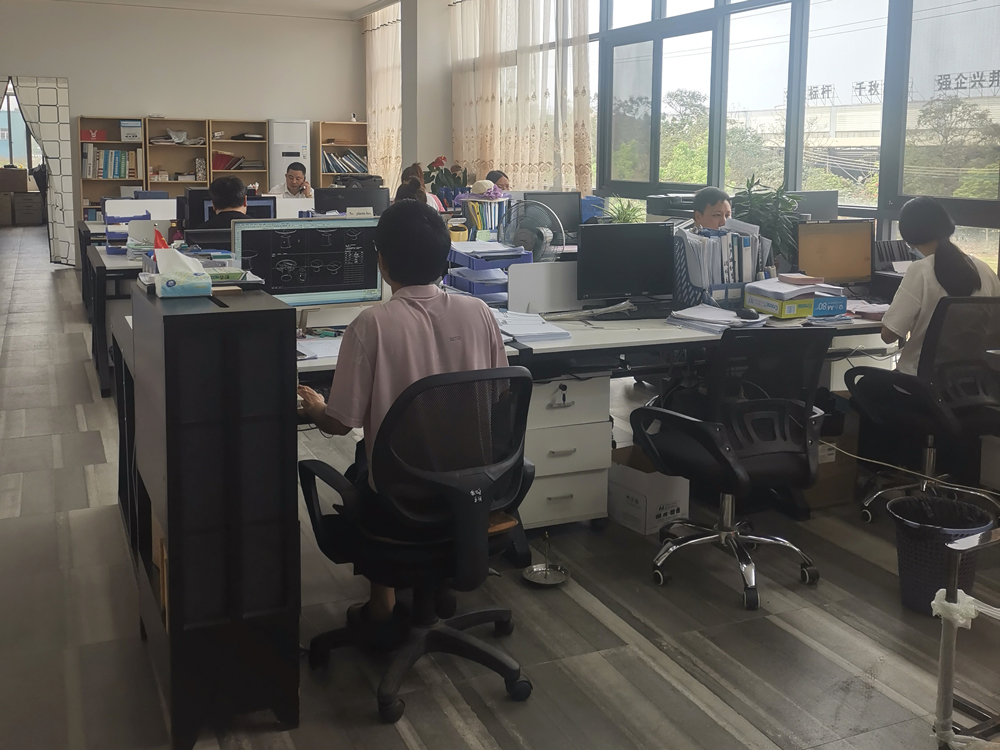
A look inside our 18,000-square-meter facility in Hubei, showing our manufacturing floor, machining setups, and inspection processes.
Get answers to common technical, logistical, and warranty questions about our replacement cylinders.
We manufacture our piston rods using high-strength 40Cr or 42CrMo steel alloy. The steel undergoes induction hardening and precision centerless grinding, followed by hard chrome plating. This process improves resistance to bending and impact damage during heavy work.
We use state-of-the-art automatic gas metal arc welding (MIG/MAG) systems. Every critical weld joint undergoes ultrasonic testing (UT) and magnetic particle testing (MT) to ensure there are no sub-surface cracks or voids, guaranteeing a solid, dependable bond.
Yes, our cylinders are designed to match the original OEM installation dimensions. The oil port connection dimensions, pinhole bushings, and total rod stroke are engineered for a direct, drop-in replacement. We also design them to accommodate standard OEM seal kits, making future field maintenance simple.
For standard cylinder models, we maintain stock for fast dispatch. For custom OEM or large distributor orders, our production lead time generally ranges from 25 to 35 days, depending on batch quantity and design requirements. We handle all export logistics from Hubei and Guangzhou ports directly to your port of choice.
Our cylinders include internal end-of-stroke cushion plungers. As the piston approaches either end, the oil outlet path narrows, creating local hydraulic resistance. This slows the rod movement just before full stroke extension or retraction, protecting the cylinder ends from mechanical impact damage.
Browse our additional range of hydraulic components, drive motors, and engine spares to keep your fleet in top working condition.
 Vita Construction