 Vita Construction
1 / 4
In the realm of construction machinery, the efficiency and reliability of fuel systems are paramount for optimal performance.
One critical component in this system is the fuel priming pump, which plays a vital role in ensuring that fuel is delivered to the engine in a timely and efficient manner.
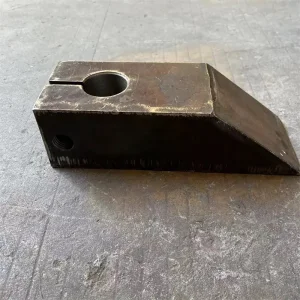
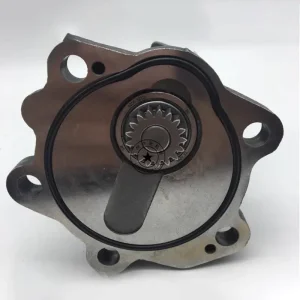
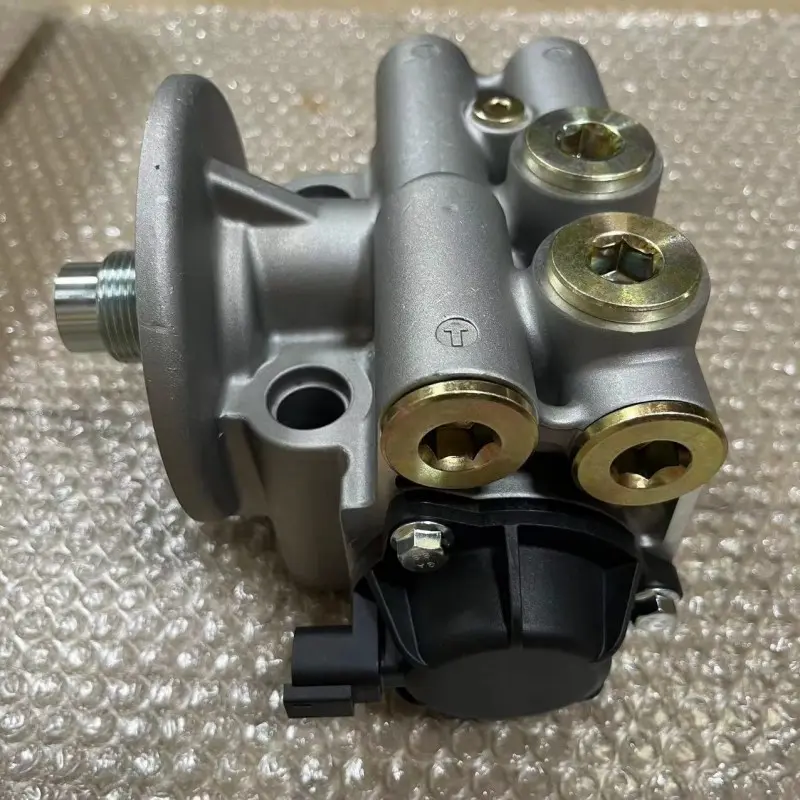
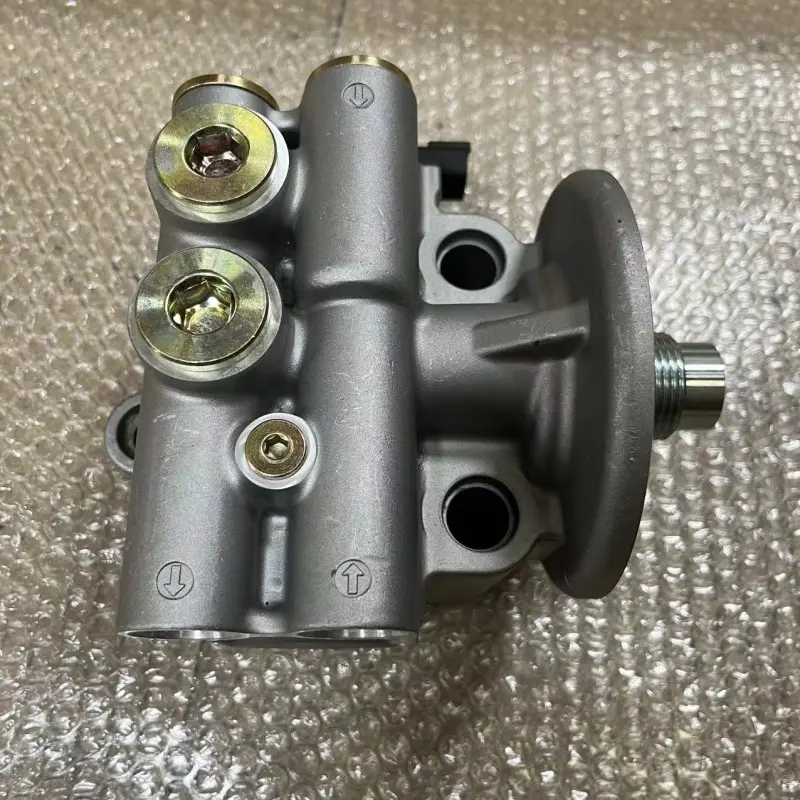
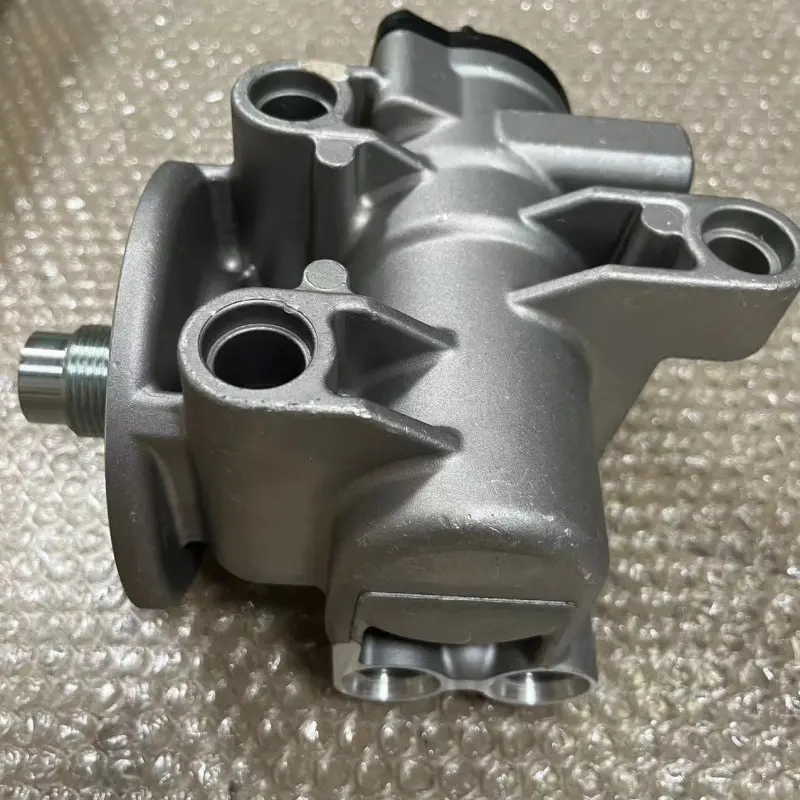
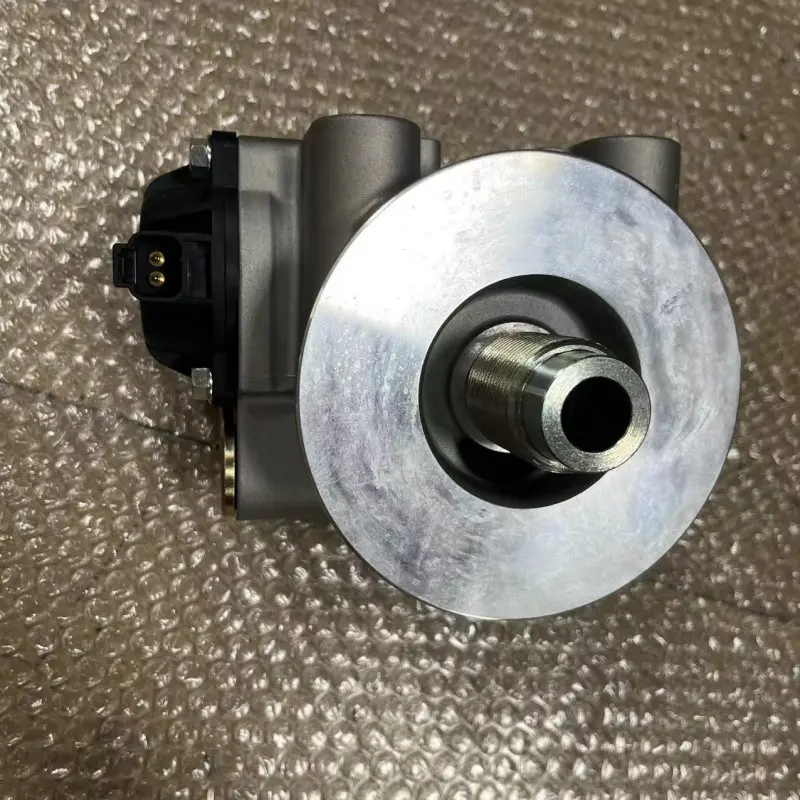
The fuel priming pump housing base serves as the foundation for this essential component, providing structural integrity and facilitating the proper functioning of the pump.
The primary function of a fuel priming pump is to remove air from the fuel lines and ensure that the engine receives a steady supply of fuel, especially during startup or after maintenance.
This is particularly important in heavy machinery, where delays in fuel delivery can lead to operational inefficiencies and increased downtime.
The design of the fuel priming pump housing base must take into account several critical factors to ensure reliable operations in the field:
The housing base is typically constructed from durable materials such as aluminum or high-strength plastics that can withstand the harsh conditions of construction sites, including exposure to fuel, oil, and varying temperatures.
The housing must be designed to fit securely with the pump and the engine, ensuring that all components are aligned correctly to prevent leaks and ensure efficient operation.
Construction machinery operates in environments with significant vibrations. The housing base must be engineered to minimize the effects of these vibrations on the pump's performance.
Accessibility for maintenance and repairs is crucial. The design should allow for easy removal and installation of the pump without requiring extensive disassembly of surrounding components.
Effective sealing mechanisms are essential to prevent fuel leaks and protect the internal components from contaminants, which can lead to pump failure.
The fuel priming pump housing base is a critical component in the fuel delivery system of construction machinery. Its design and construction directly impact the efficiency, reliability, and longevity of the machinery.
By focusing on material selection, compatibility, vibration resistance, maintenance accessibility, and sealing effectiveness, manufacturers can ensure that their fuel priming pump housing bases meet the demanding requirements of the construction industry. As technology advances, ongoing innovations in design and materials will continue to enhance the performance and reliability of these essential components.
The housing base serves as the physical foundation for the fuel priming pump, providing critical structural support and ensuring the pump functions correctly to deliver fuel to the engine efficiently.
It removes air pockets from the fuel lines, ensuring a constant fuel supply during startup and after maintenance procedures. This prevents startup delays and minimizes operational downtime.
Housing bases are commonly manufactured using lightweight, high-strength materials like aluminum or heavy-duty engineering plastics to resist chemical exposure from fuels, oil, and extreme thermal conditions.
Because construction machinery operates under high-vibration conditions, the housing base is designed to absorb and mitigate vibrations, protecting the pump from mechanical wear and preventing structural damage.
It incorporates precision-engineered sealing interfaces and gasket seats that block contaminants and prevent fuel from leaking out, ensuring environmental safety and system pressure maintenance.
Yes, design considerations place a strong emphasis on ease of maintenance. This allows technicians to install or remove the fuel priming pump quickly without disassembling other major engine parts.