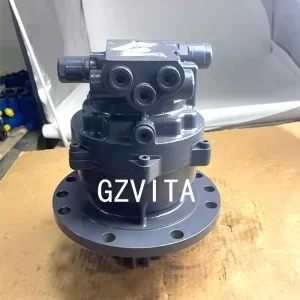
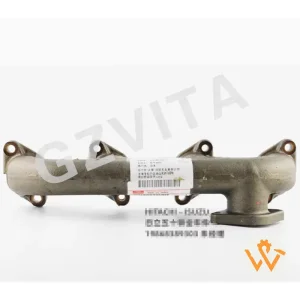
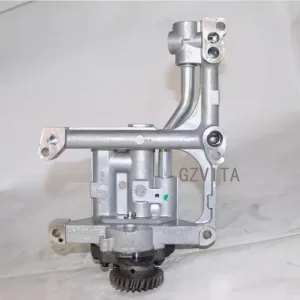
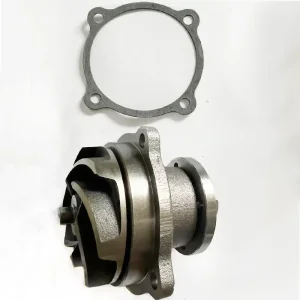
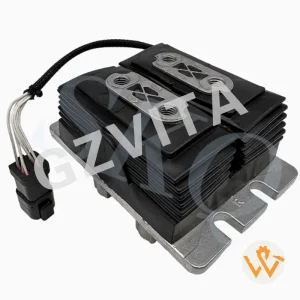
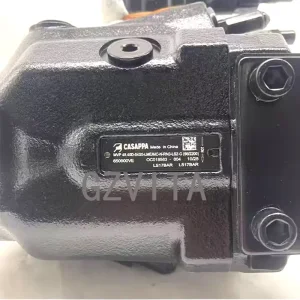
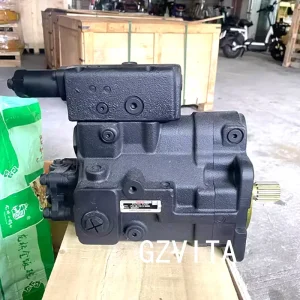
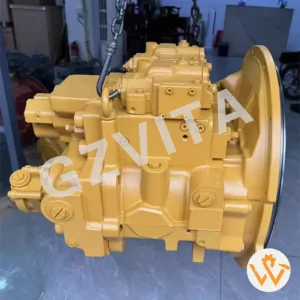
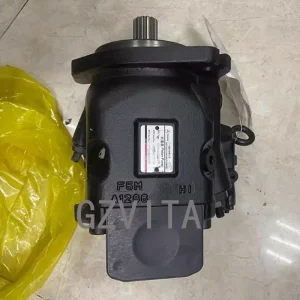
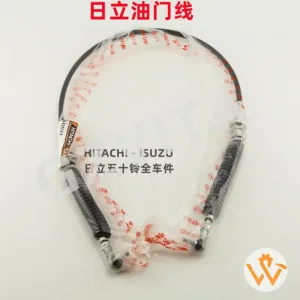
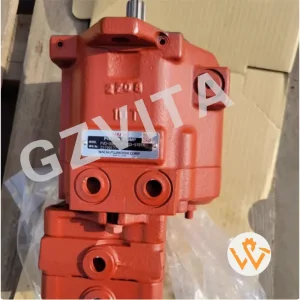
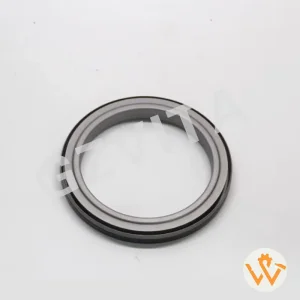
High-precision replacement components matching global dynamic standards for excavator operations and power controls.
The physics of piezoelectric transducers and their critical role in optimizing heavy industrial machinery systems.
In high-stakes industrial applications where rapid pressure changes occur within milliseconds—such as engine cylinder combustion, hydraulic pressure spikes, and mold cavity transitions—conventional piezoresistive or capacitive transmitters fail to deliver accurate real-time data. This is where piezoelectric pressure sensors, popularized by technological pioneers like Kistler, become indispensable. Operating on the principle of dynamic charge generation, these systems convert minute mechanical stress into highly measurable electrical signals, allowing systems to track pressure fluctuations at frequencies exceeding 100 kHz.
Information Gain Insight: While static transmitters measure continuous, slow-changing pressures, piezoelectric sensors detect dynamic processes. Utilizing high-quality quartz crystals (SiO2) or synthetic Piezoelectric Crystals (such as Gallium Phosphate - GaPO4), these sensors offer virtually zero displacement, meaning they do not disrupt the volumetric environment of the fluid under test.
Global engineering teams require pressure transducers that mimic the precise calibration, thermal stability, and low drift specifications of Kistler sensors. To meet these rigorous demands, Chinese manufacturing hubs have developed advanced piezoelectric manufacturing facilities that deliver top-tier compatible solutions for heavy-duty earthmoving equipment, automotive engine testing, and high-pressure hydraulic monitoring.
Within hydraulic systems of excavators (e.g., Caterpillar, Komatsu, Volvo), pressure spikes occur when control valves open or close abruptly. This phenomenon, known as "water hammer" or hydraulic shock, can reach amplitudes up to 4 to 5 times the nominal working pressure (often exceeding 1,500 bar). Without fast-response pressure sensors capable of capturing these sub-millisecond transients, hydraulic main pumps and control valves are susceptible to premature wear and catastrophic failure. Integrating high-fidelity, Kistler-equivalent transducers allows smart excavator controllers to adjust displacement pumps in real-time, drastically reducing energy losses and safeguarding the machine's structural integrity.
A deep breakdown of various pressure transduction technologies utilized in harsh environments.
How local infrastructure, advanced metrology, and manufacturing processes yield high-reliability sensors.
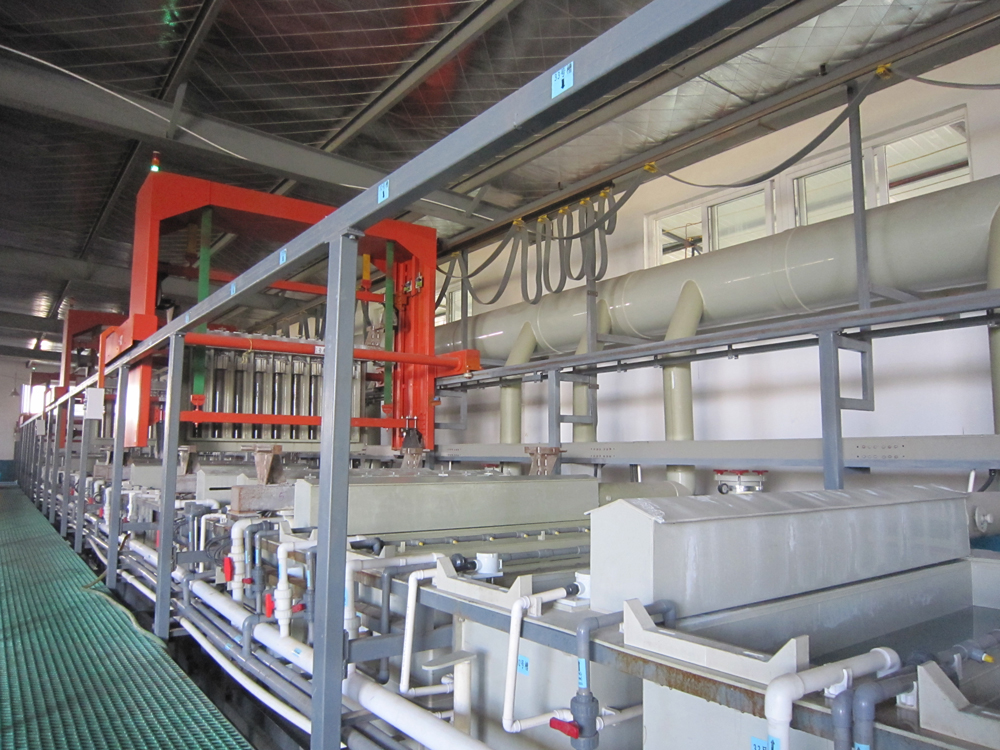
Producing sensors equivalent to the Kistler standard requires highly sophisticated technology. China's industrial upgrading has fostered advanced micro-machining and sensor production bases, notably in Hubei and Guangdong. Guangzhou Vita Construction Machinery Co., Ltd. leverages these regional manufacturing strengths to bridge the gap between affordable OEM integration and strict European metrology guidelines.
The manufacturing process in Chinese factories offers specific, structural advantages:
Deploying dynamic pressure and hydraulic sensors across complex mechanical setups to prevent downtime.
Continuous monitoring of dynamic pressure ripples at the outlet of axial piston pumps. High-speed sensors spot air bubbles (cavitation) and valve plate wear before catastrophic pump seizure occurs, saving thousands in repair costs for machinery like CAT, Kobelco, and Sany.
Mounting flush-mount piezoelectric sensors directly inside engine cylinder heads to monitor combustion pressure curves. This enables researchers and field engineers to calculate Indicating Mean Effective Pressure (IMEP), analyze engine knock, and optimize fuel injection timing in diesel power stations and marine engines.
In high-pressure plastic injection processes, sensor feedback dictates the precise moment to switch from injection velocity control to holding pressure control. Real-time pressure profiles ensure mold cavity consistency, reducing product defects and dimensional variance.
For large-scale construction enterprises and mining companies, sensor telemetry acts as the backbone of predictive maintenance systems. By feeding the dynamic frequency responses from hydraulic lines into edge computing modules, our partners analyze system health in real-time. If the dynamic peak pressure fluctuations deviate from the factory-calibrated baseline, the system alerts fleet operators. This shifts maintenance from a reactive model ("fix when broken") to a proactive, data-driven approach, maximizing the lifetime of expensive assets from Komatsu, John Deere, Hyundai, and Kato.
A practical checklist for international buyers sourcing dynamic pressure sensors and heavy machinery parts.
Sourcing replacement sensors and high-precision mechanical parts from overseas requires strict vetting. When auditing a supplier for high-pressure components, engineering teams should evaluate the following parameters:
| Parameter | Kistler/High-End Spec | Sourcing Checklist Criteria |
|---|---|---|
| Sensitivity Drift | < ± 0.5% at max temp | Verify manufacturer's thermal calibration test sheets. |
| Natural Resonance Frequency | > 120 kHz (dynamic applications) | Ensure sensor body design avoids resonance coupling with machinery. |
| Ingress Protection | IP67 / IP68 / IP69K | Hermetically sealed welded casings to resist heavy mud and grease. |
| Connector Interfaces | KIAG 10-32, M4, M5, or BNC | Match connector threads with existing high-impedance low-noise cables. |
At Guangzhou Vita, we provide comprehensive diagnostic and technical support for all of our machinery components, from hydraulic pumps to dynamic sensors. This ensures your systems are calibrated correctly, helping prevent signal drift and installation errors.
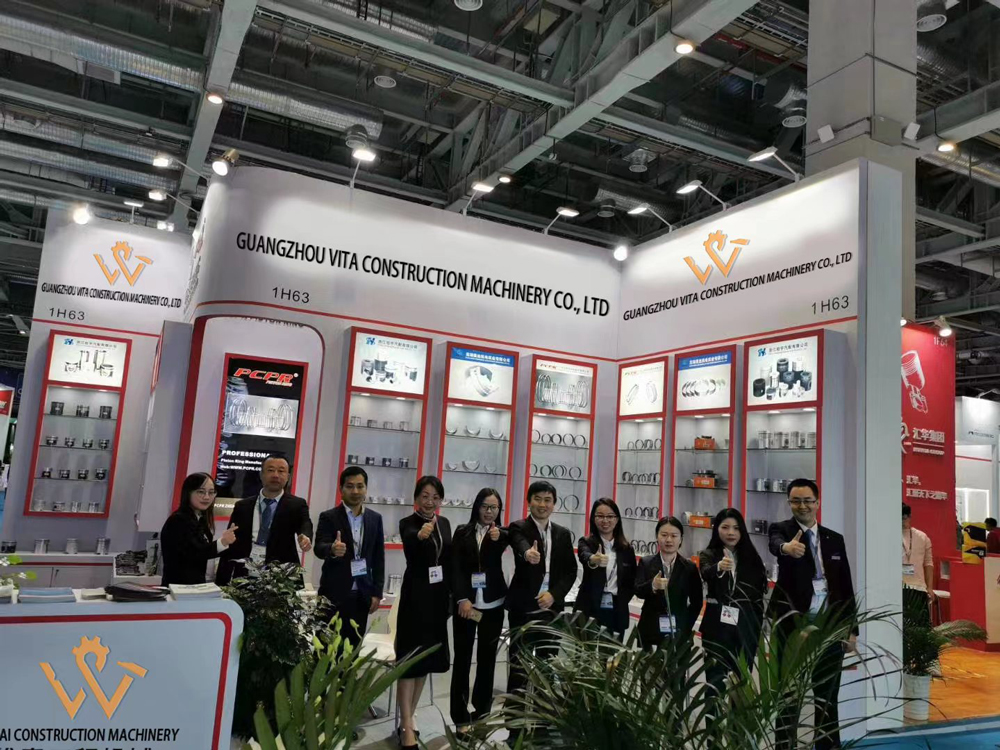
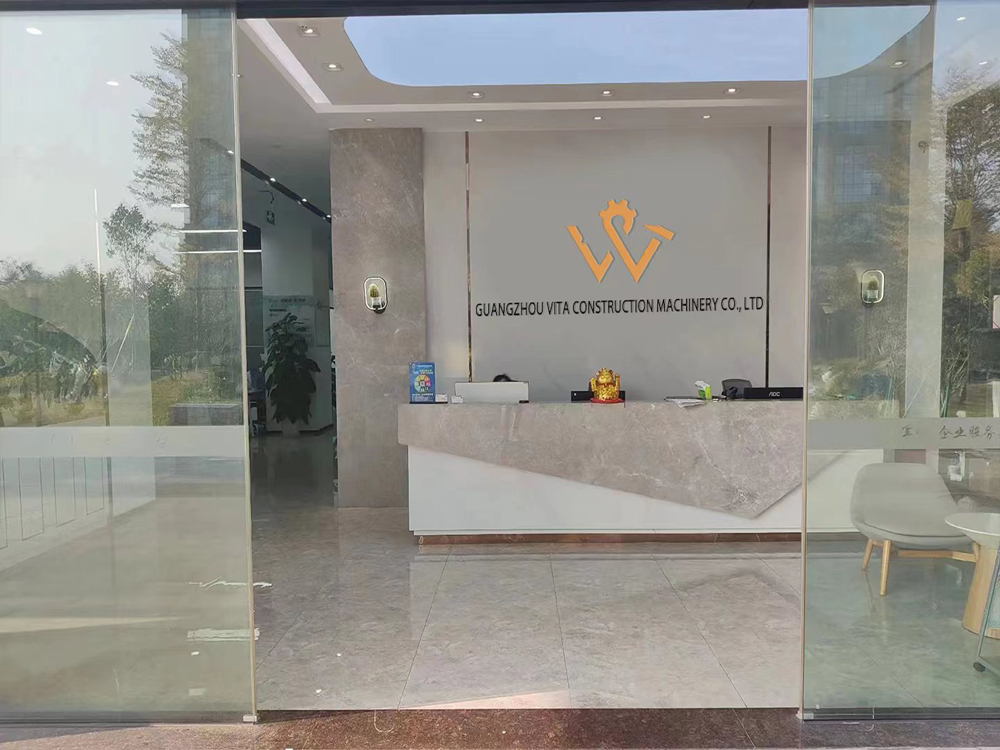
Guangzhou Vita Construction Machinery Co., Ltd.
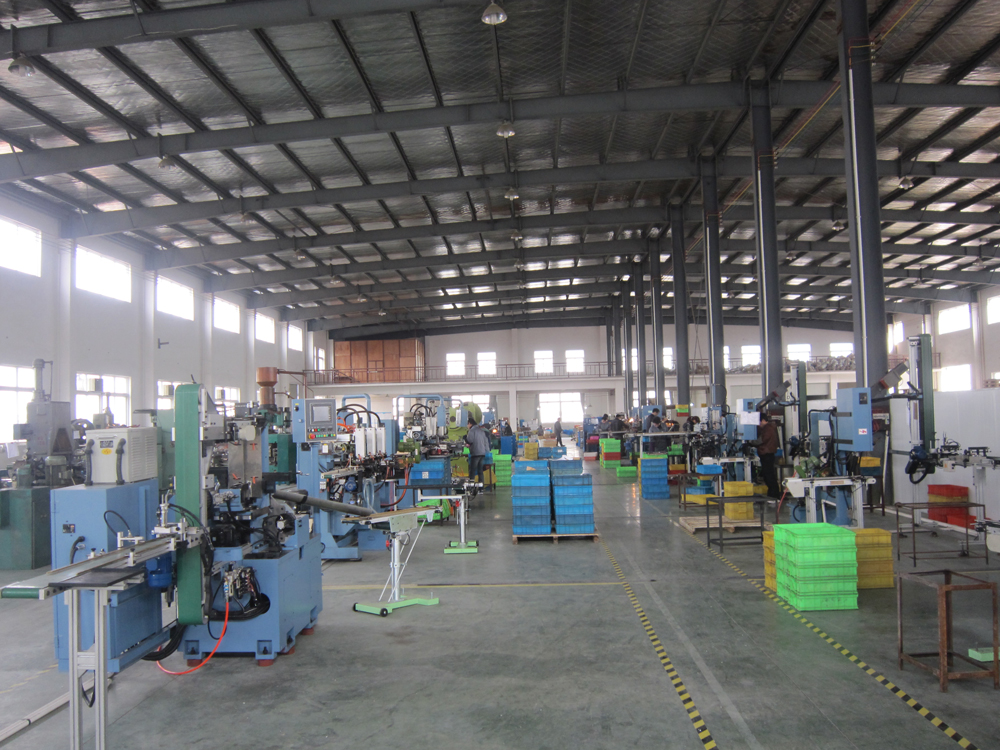
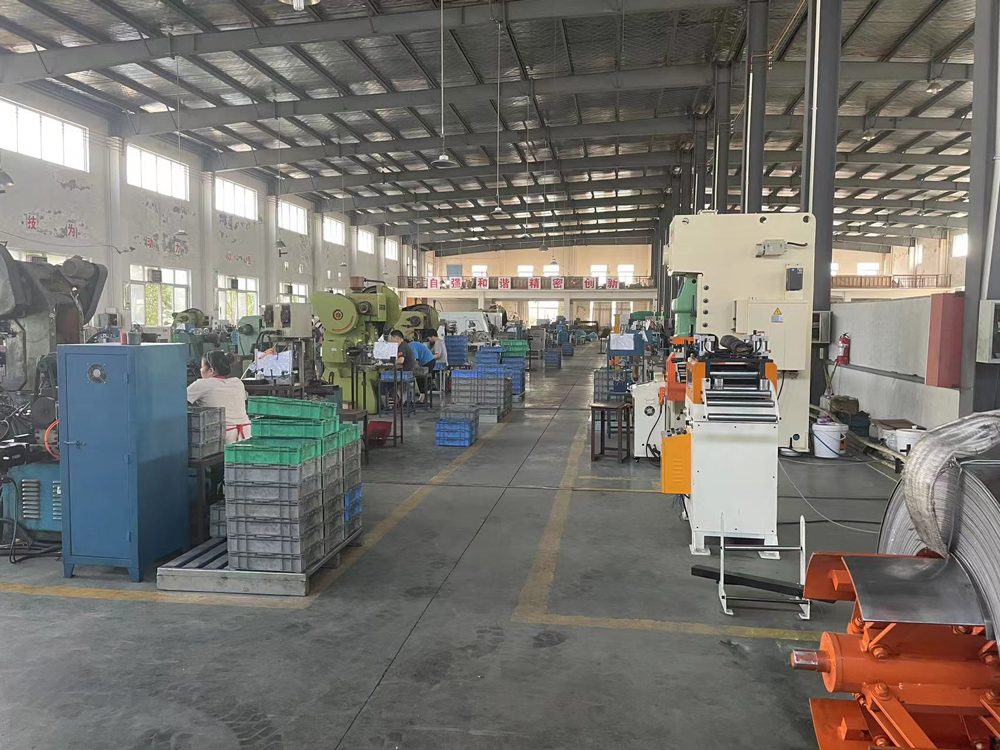
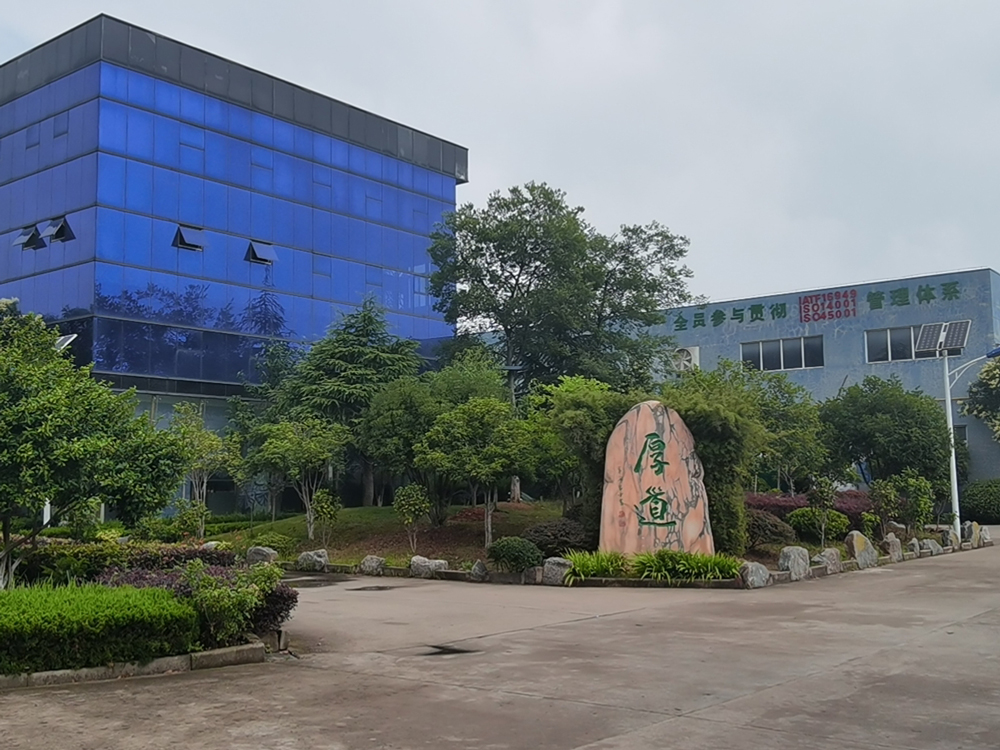
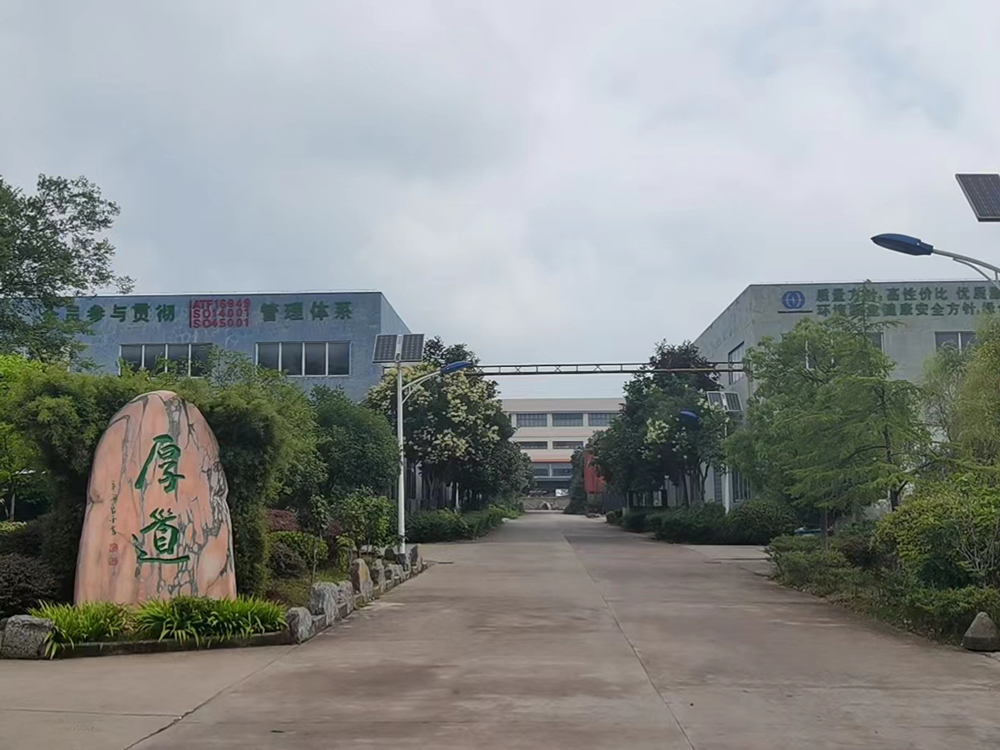
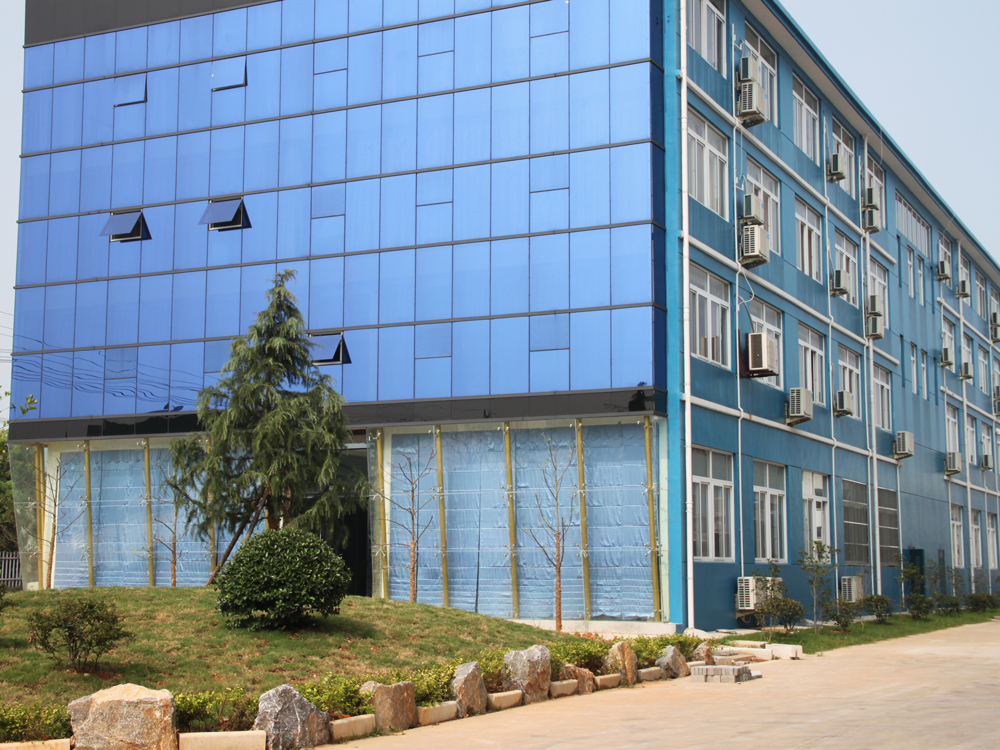
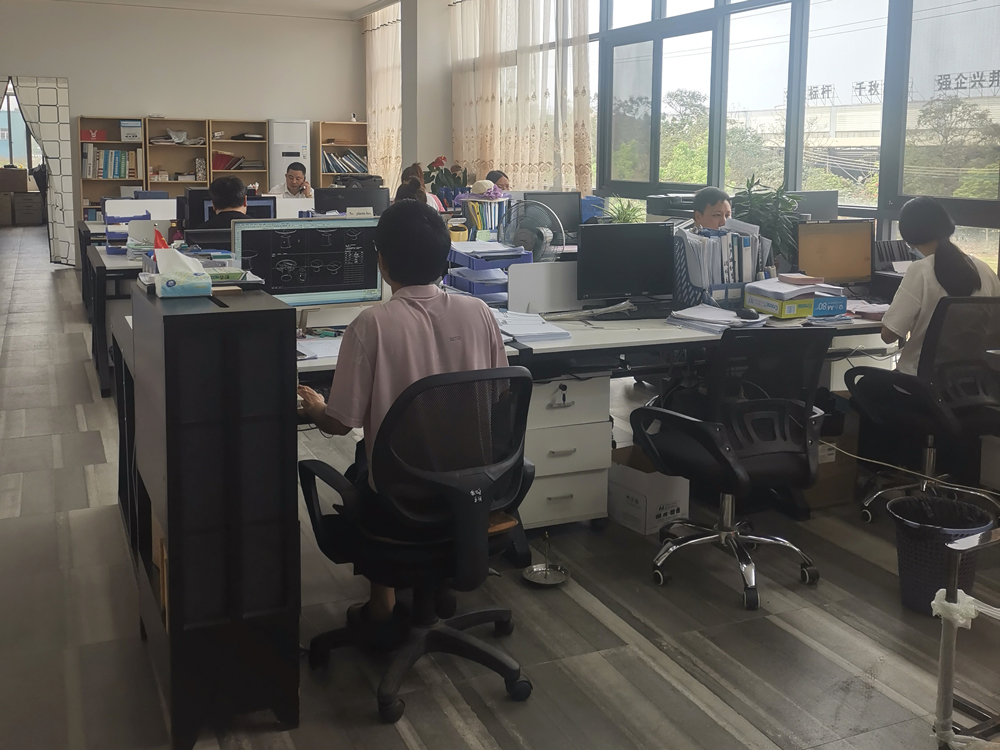
Guangzhou Vita Construction Machinery Co., Ltd. is one of the largest companies combining factory production and international trade. Our primary factory is located in Xiangyang City, Hubei Province, featuring an extensive workshop of more than 18,000 square meters. Equipped with advanced production machinery, our facility is run by more than 278 well-trained and skilled operators, along with 8 experienced engineers who ensure product quality, swift deliveries, and precise configurations.
We specialize in manufacturing, developing, and selling a comprehensive range of construction machinery parts. This includes engine assemblies, hydraulic pumps, final drives, electric generator sets, engine bearings (including Main bearings and Connecting Rod Bearing series), crankshafts, engine valves, gear pumps, cylinders, all types of filters, excavator buckets, and undercarriage components for excavators and bulldozers. These components serve as direct replacements for many leading global brands, including Komatsu, Volvo, Sumitomo, Caterpillar, Kubota, Hitachi, John Deere, Kobelco, Hyundai, Kato, Sany, XCMG, SUNWARD, and more.
In the fast-paced world of construction, the reliability and efficiency of your machinery can make or break a project. We understand that high-quality parts are essential for optimal performance, so we aim to provide top-notch parts to keep our customers' machinery running smoothly.
To improve our service, we set up an engine maintenance and development division. In addition to supplying complete engine assemblies, we help customers solve various technical challenges encountered during engine operation and assembly.
We maintain a dedicated, professional maintenance team. When requested, we can deploy senior technicians internationally to support clients with engine overhauls, sensor calibrations, and system diagnostics.
The shift toward smart sensors and industrial Internet of Things (IIoT) architectures.
As heavy machinery moves toward higher levels of automation and remote telemetry, pressure sensor technology is evolving beyond simple analog signal generation. Several key trends are shaping the future of dynamic pressure monitoring:
Technical clarifications on piezoelectric pressure sensors and construction machinery components.
A pure Piezoelectric (PE) sensor outputs a high-impedance charge signal that requires a special low-noise cable and an external charge amplifier. PE sensors are ideal for very high-temperature applications. An IEPE (Integrated Electronics Piezo-Electric) sensor includes a miniature internal charge-to-voltage converter, which outputs a low-impedance voltage signal using standard coaxial cables. IEPE is limited to lower temperatures (typically under 120°C to 150°C) due to its internal electronics.
Our technical engineering team cross-references all OEM tolerances, thread sizes, electrical connection styles, and pressure limits. All components are tested on dedicated test benches, verifying that replacement parts operate seamlessly with original control units from manufacturers like Volvo, Caterpillar, and Komatsu.
Quartz exhibits extremely high stiffness, excellent linearity over a wide dynamic range, and high stability. While alternative materials like gallium phosphate offer higher thermal limits, quartz remains the standard for cost-effective, high-frequency dynamic sensing under standard industrial operations.
Standard replacement components are dispatched directly from our warehouses. For customized manufacturing runs—leveraging our 18,000 square meter Hubei facility and our team of 8 design engineers—lead times range from 15 to 30 days, depending on materials and technical requirements.
We use specialized mechanical designs, such as isolating diaphragms and internal cooling passages. In addition, our manufacturing process utilizes crystal cuts optimized to minimize the temperature coefficient across target operating ranges.
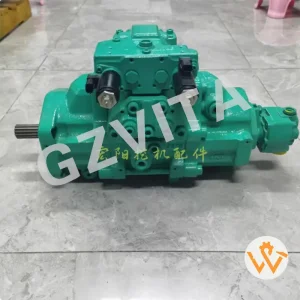
High-end main pumps and travel valves engineered to withstand dynamic pressure fluctuations in heavy environments.
 Vita Construction