 Vita Construction
1 / 4
Always refer to the manufacturer’s assembly manual for specific instructions related to the foot pedal valve. This will provide detailed guidance tailored to the specific model.
Before starting the assembly, verify that all components are present and in good condition. This includes the foot pedal, valve body, seals, springs, and any necessary fasteners.
Ensure that the assembly area is clean and free of debris. Contaminants can affect the performance of the valve and lead to malfunctions.
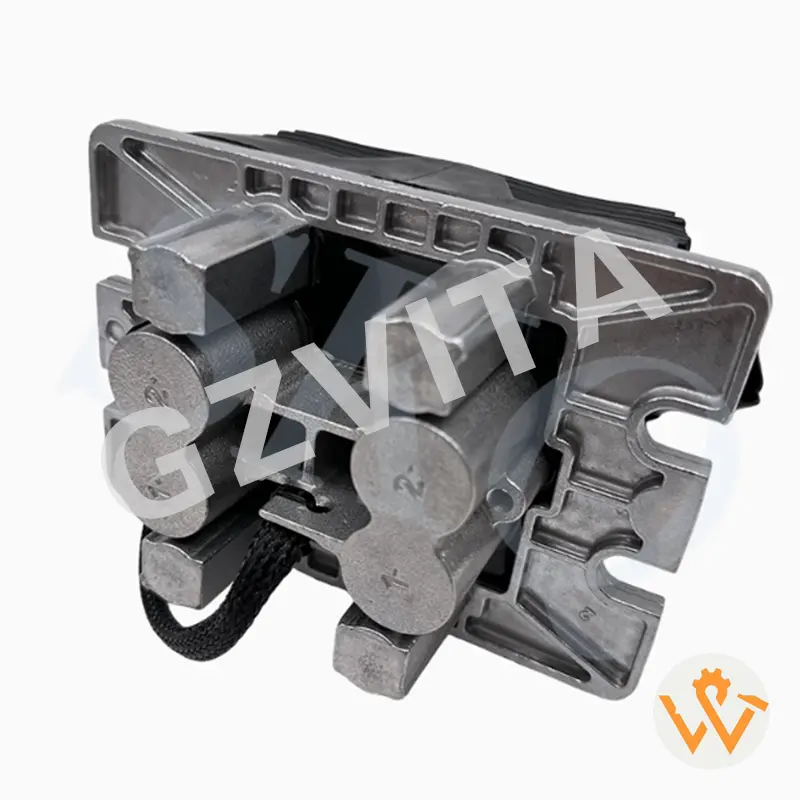
Pay attention to the orientation of the foot pedal valve during assembly. Incorrect positioning can lead to improper operation or damage to the components.
Apply appropriate lubrication to moving parts as specified in the manual. This helps reduce friction and wear during operation.
Follow the recommended torque specifications for tightening bolts and screws. Over-tightening can damage components, while under-tightening can lead to leaks or operational issues.
Ensure that all seals and O-rings are properly installed to prevent hydraulic fluid leaks. Check for any signs of wear or damage before installation.
After assembly, conduct a thorough test of the foot pedal valve to ensure it operates smoothly and responds correctly. Check for any leaks or unusual noises.
Always wear appropriate personal protective equipment (PPE) during assembly. Be cautious of sharp edges and moving parts.
Keep a record of the assembly process, including any issues encountered and how they were resolved. This can be helpful for future reference or troubleshooting.
Checking the manufacturer's manual is crucial because it contains specific, model-tailored assembly instructions and safety guidance required for a correct installation.
To prevent leaks, verify that all seals and O-rings are inspected for damage, properly lubricated, and correctly aligned and installed during the assembly process.
Overtightening bolts can cause physical structural damage to the valve components, while under-tightening can result in system leaks or performance instabilities during operation.
A clean work area prevents dust, dirt, and external debris from entering the internal assembly. Contaminants can damage seals and moving parts, leading to hydraulic failures.
Once assembled, test the foot pedal to ensure smooth mechanical movement, confirm immediate hydraulic response, and inspect closely for any unusual noises or fluid leaks.