Explore our premium selection of engine, electrical, and hydraulic components engineered for continuous operation under harsh environments.


Analyzing market demand, micro-lubrication physics, and supply dynamics in the heavy-duty machinery sector.
The M11 diesel engine series is a global industry benchmark for heavy-duty industrial machinery, marine auxiliary units, commercial trucking, and prime power generation systems. The heart of this internal combustion system lies in its tribological configuration, where M11 engine bearings (both main bearings and connecting rod bearings) mitigate friction, absorb shock loads, and maintain clean oil lubrication films under intense pressures. In today’s B2B supply chains, sourcing components that match the geometric and metallurgical configurations required by high-output engines is vital for reducing fleet downtime.
Globally, industrial engines operate under extreme thermal conditions and duty cycles. The demand for heavy-duty M11 bearings is driven by logistics networks, infrastructure projects, and mining operations. As engines are pushed to run longer service intervals (often exceeding 500 operating hours between oil drains), the bearings face increased threats from acidic oil breakdown, soot aggregation, and abrasive micro-particles. High-quality replacement bearings must display excellent fatigue limits and dirt embeddability to prevent sudden engine failures.
"Tribological reliability in commercial diesel engines relies on sub-micron alignment. Even a 2-micron deviation in shell thickness or a minor change in the copper-lead alloy ratios can shorten bearing lifecycle by 60%, resulting in massive crankshaft wear."
Premium M11 bearings utilize a multi-layer structure (steel back, copper-lead intermediate layer, and thin Babbitt overlay) designed to withstand combustion pressures exceeding 120 MPa.
Modern engine oil pumps generate high velocity fluid patterns. Precision-engineered groove paths and chamfers prevent oil cavitation that can pit and erode the overlay surface.
Engine bearings must transfer localized heat away from the spinning crankshaft journal back into the engine block and oil channels. High-purity copper matrices ensure rapid thermal dispersion.
How material sciences and global environmental standards are shifting bearing manufacturing toward sustainable high-performance materials.
The global heavy machinery sector is moving away from traditional leaded bronze formulations due to environmental policies like REACH and RoHS. The technical roadmap for M11 engine bearings focuses on lead-free aluminum-tin (Al-Sn) alloys and advanced polymeric coatings. Polymeric coatings (containing polyamide-imide resins and friction modifiers like molybdenum disulfide) provide protection during dry-start conditions and low viscosity oil operation.
Additionally, physical vapor deposition (PVD) sputtering technology has emerged. Sputtered bearings show significantly higher wear resistance, allowing engines to run at higher pressures while reducing the thickness of the bearing shell. The transition to smart bearings with integrated micro-sensors is also being researched to monitor real-time wear and temperature profiles.
Analyzing bearing demands across various environments, from extreme heat to offshore operations.
Heavy excavators and haul trucks face fine silica dust intrusion and continuous high-torque operations. In these environments, M11 bearings require high embeddability to trap abrasive particles in the soft overlay, preventing damage to the crankshaft.
Industrial generator sets sit idle for long periods and must ramp up to full load in seconds. Polymeric-coated and pre-lubricated bearings protect the engine from dry-start wear during critical startup phases.
Marine applications run continuously in humid, high-salinity air. Bearings must resist moisture-induced corrosion. Specialized lead-free alloys prevent electrochemical degradation when water traces enter the oil supply.
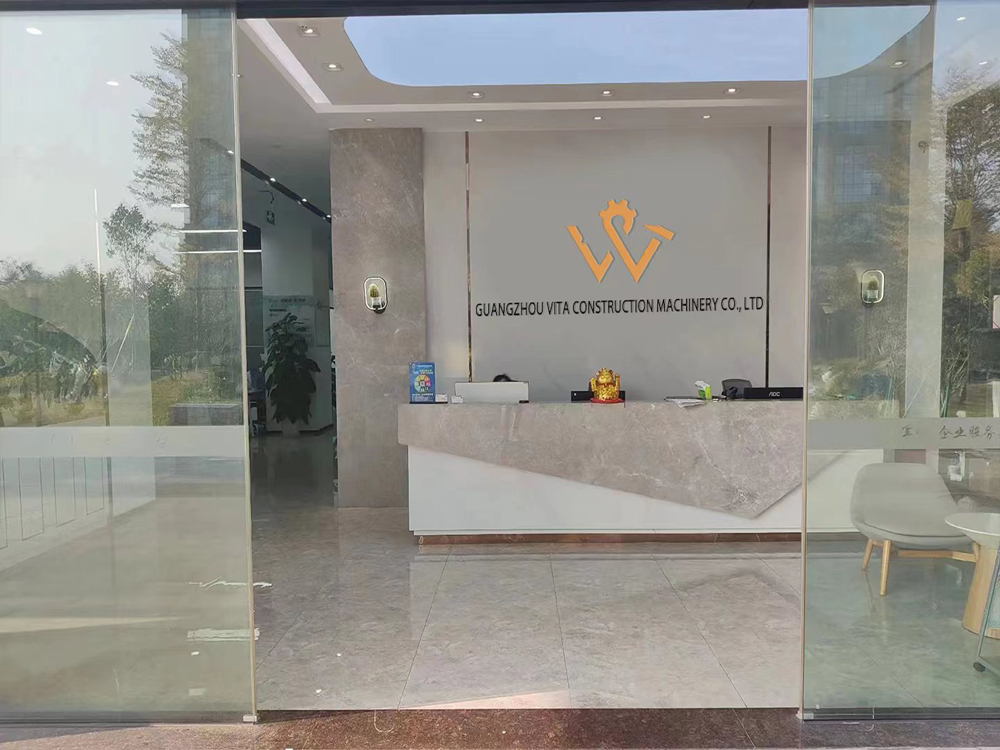
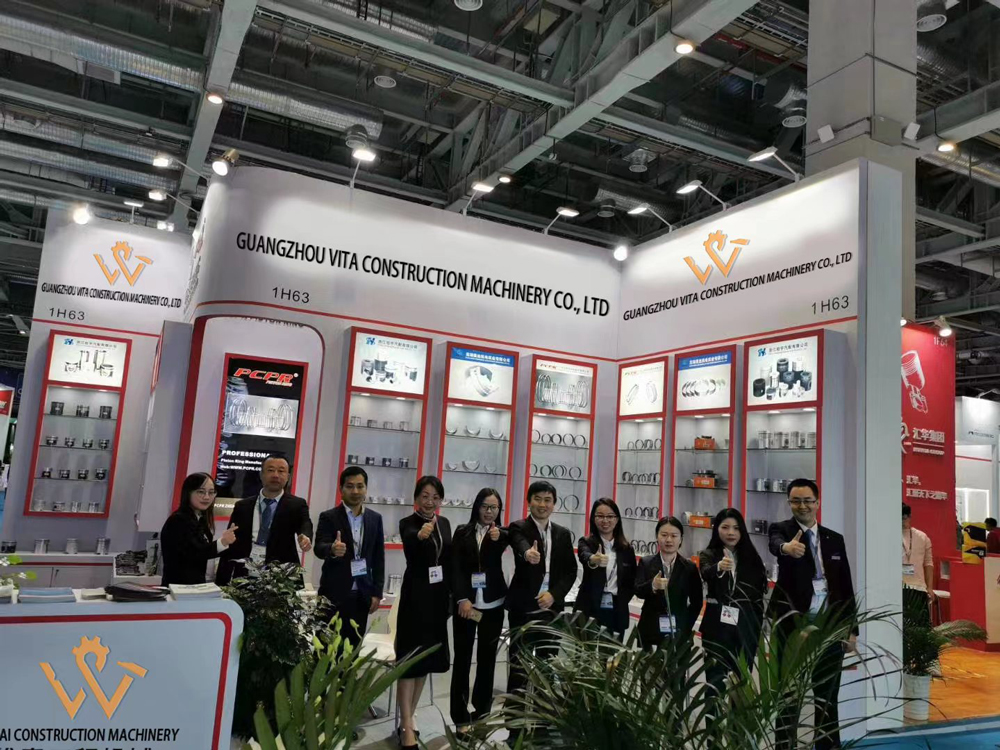
Guangzhou Vita Construction Machinery Co., Ltd. — Delivering high-quality machinery parts to global fleets.
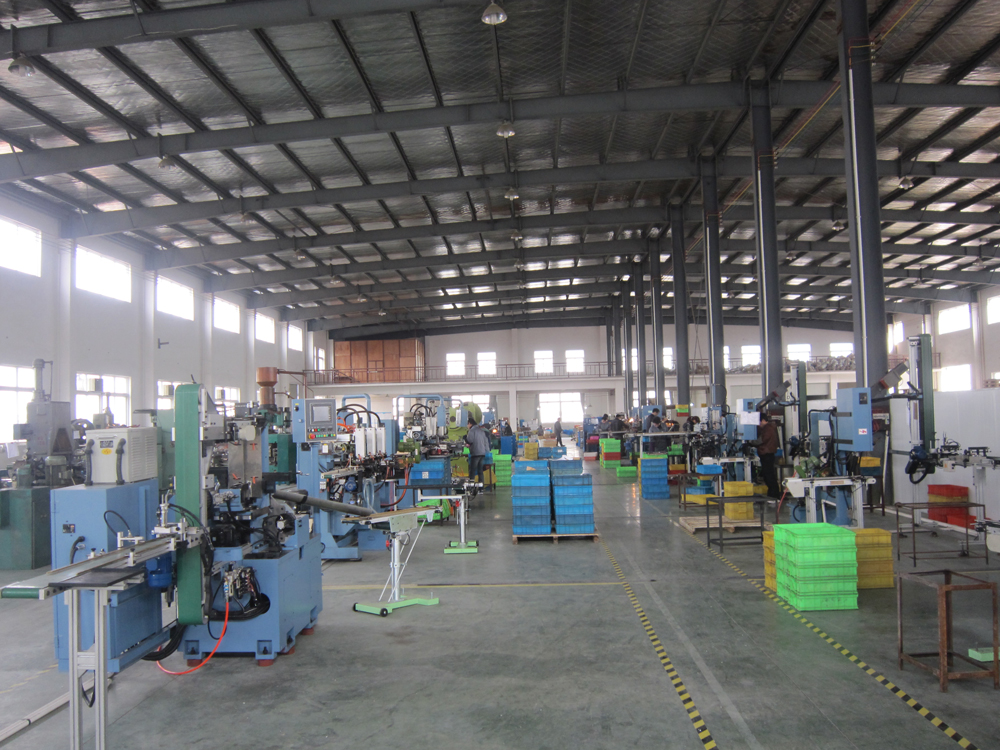
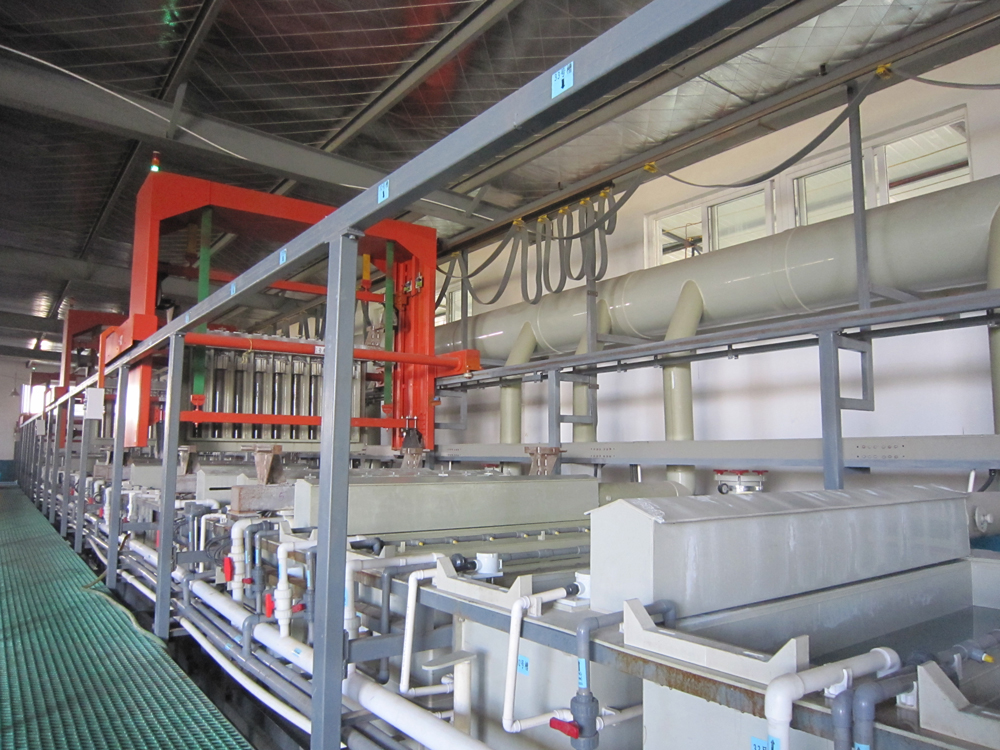
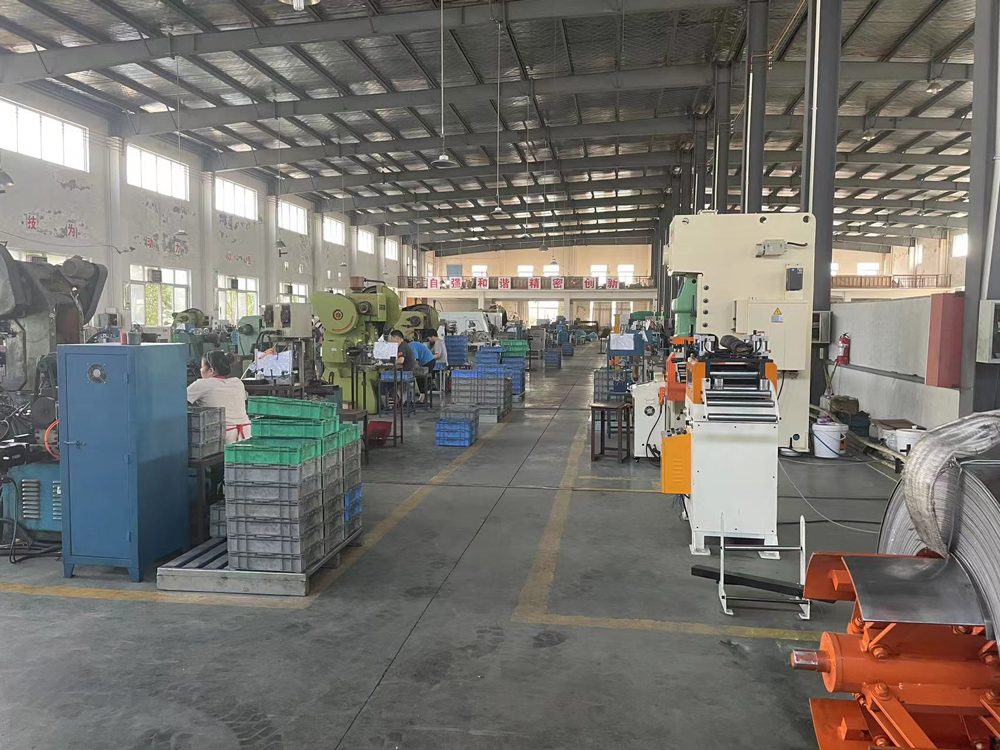
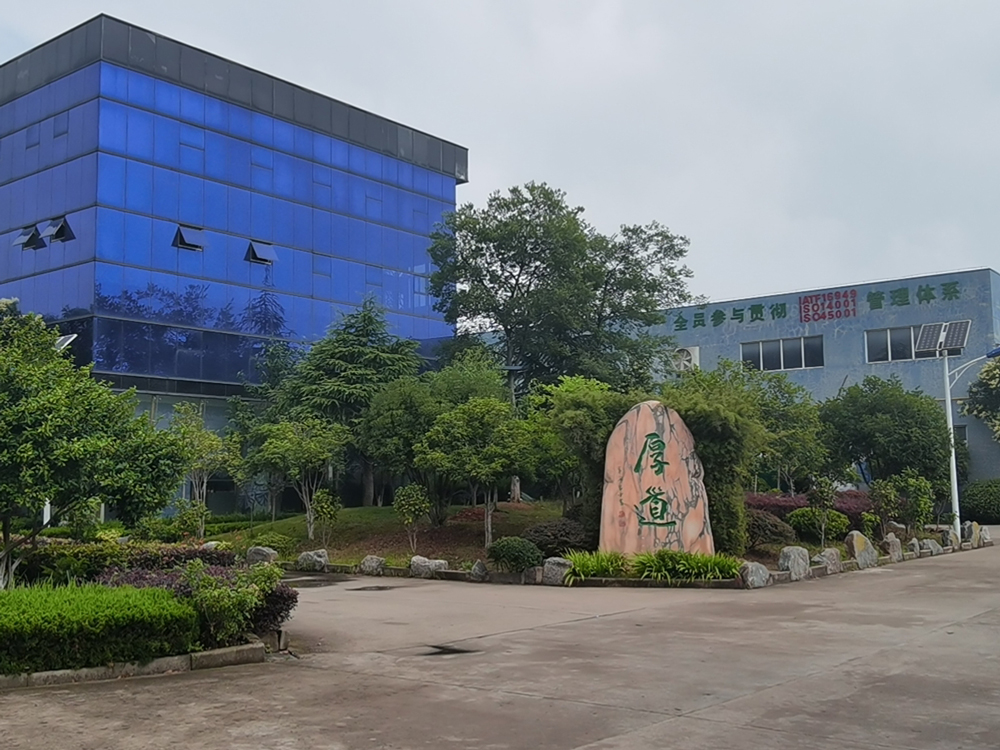
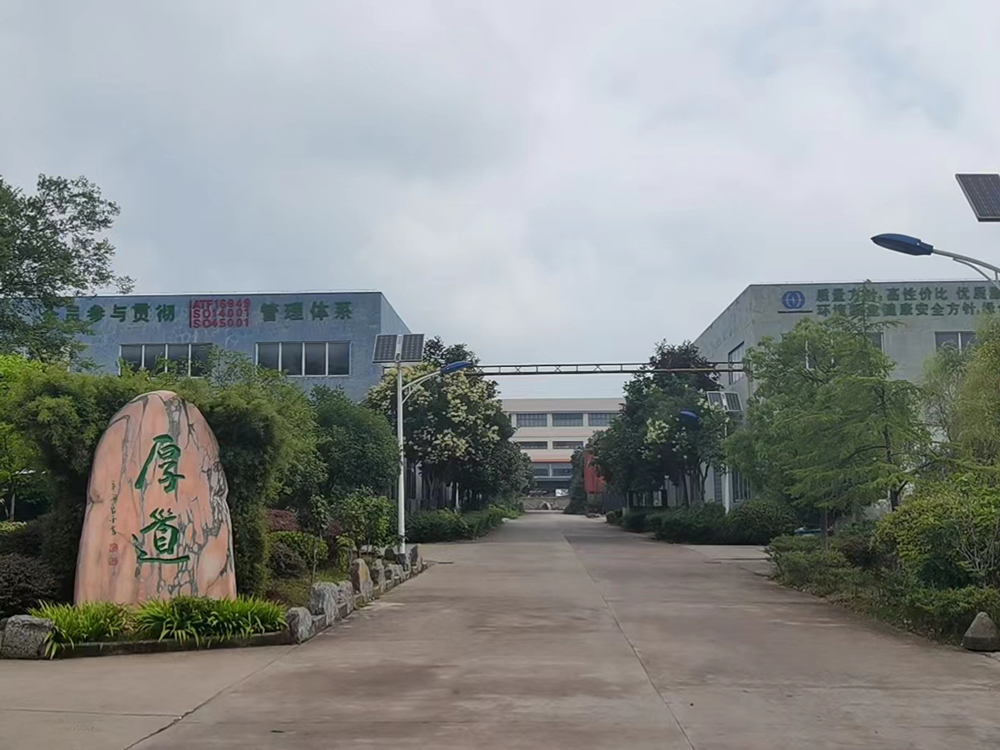
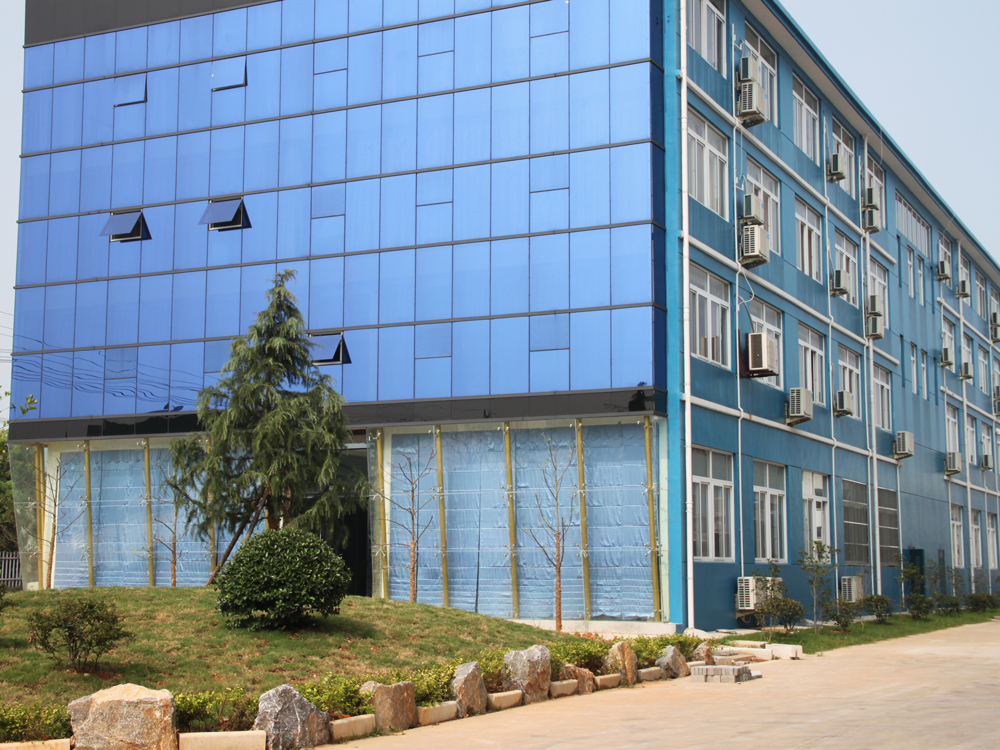
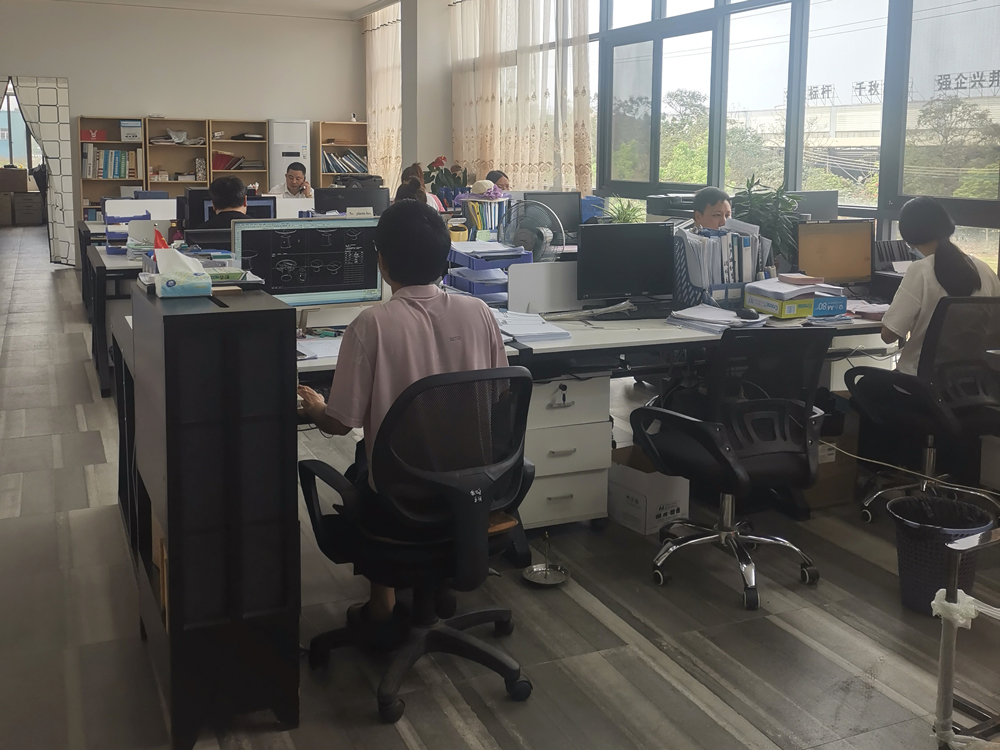
Guangzhou Vita Construction Machinery Co., Ltd. is a large-scale manufacturer combining factory production and international trade. Our manufacturing facility in Xiangyang City, Hubei Province, spans over 18,000 square meters. The plant is equipped with advanced machinery and staffed by 278 skilled workers, supported by 8 experienced engineers. This setup ensures consistent product quality and reliable delivery timelines.
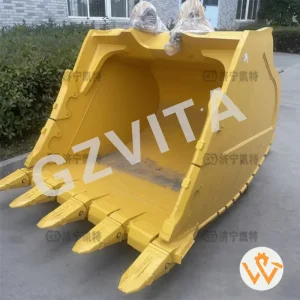
We specialize in manufacturing, developing, and supplying a comprehensive range of construction machinery parts. This includes engine assemblies, hydraulic pumps, final drives, diesel generators, engine bearings (main bearings & connecting rod bearing series), crankshafts, engine valves, gear pumps, cylinders, filtration systems, excavator buckets, and undercarriage components. Our products serve as replacements for brands such as Komatsu, Volvo, Sumitomo, Caterpillar, Kubota, Hitachi, John Deere, Kobelco, Hyundai, Kato, Sany, XCMG, and SUNWARD.
In the construction sector, machinery reliability is essential. We produce components designed to maintain smooth operations and minimize downtime.
Alongside parts supply, our engine maintenance division helps clients resolve technical issues related to engine operation and assembly.
Our dedicated technical team provides on-site assistance and repair services internationally when requested.
Expert technical answers to common queries regarding bearing selection, installation, and troubleshooting.
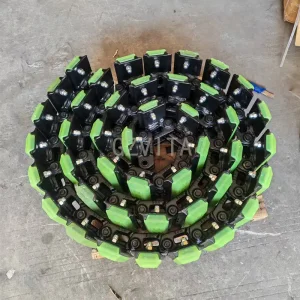
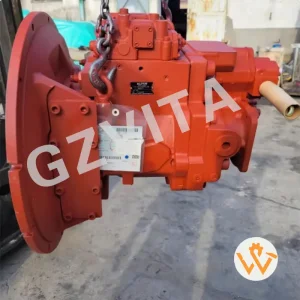
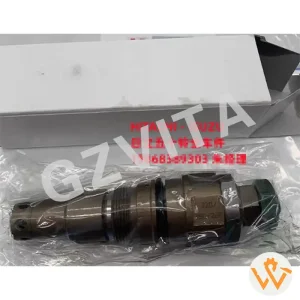
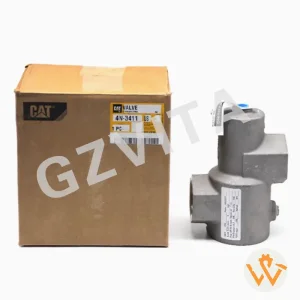
Explore our wider catalog of excavator, bulldozer, and engine replacement parts sourced directly from our factory.
 Vita Construction