 Vita Construction
1 / 3
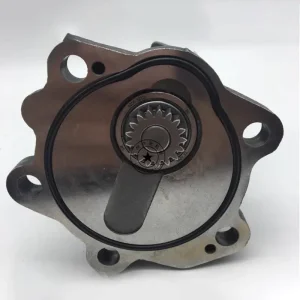
The fuel priming pump base assembly is an essential component in the fuel system of various engines, including those used in heavy machinery, vehicles, and equipment like CAT tractors. Its primary function is to ensure that fuel is delivered to the engine efficiently, especially during the initial startup phase or after maintenance procedures. Here's an overview of the key aspects of the fuel priming pump base assembly:
The primary purpose of the fuel priming pump is to draw fuel from the tank and deliver it to the engine's fuel injection system. This is particularly important in diesel engines, where fuel needs to be primed to eliminate air from the fuel lines.
The priming pump helps remove air from the fuel system, which can cause starting difficulties or engine performance issues. By ensuring a continuous flow of fuel, it helps maintain the engine's efficiency and reliability.
The housing contains the internal components of the pump and is typically made from durable materials to withstand the harsh conditions of the engine environment.
Depending on the design, the pump may use a diaphragm or piston mechanism to create suction and push fuel into the system.
These ports allow fuel to enter and exit the pump. The inlet port connects to the fuel tank, while the outlet port connects to the fuel lines leading to the engine.
These valves prevent backflow of fuel, ensuring that the fuel remains in the lines and is readily available for the engine when needed.
When the engine is cranked, the fuel priming pump activates, creating a vacuum that draws fuel from the tank through the inlet port.
As the pump operates, it pushes the fuel through the outlet port and into the fuel lines, ensuring that the fuel injection system is primed and ready for operation.
In some systems, the priming pump may be manually operated, allowing the operator to prime the system before starting the engine, especially after fuel system maintenance or repairs.
A properly functioning fuel priming pump is crucial for reliable engine starting, particularly in cold weather or after the engine has been idle for an extended period.
By ensuring that the fuel system is primed, the pump helps prevent fuel starvation, which can lead to engine stalling or poor performance.
Regular checks and maintenance of the fuel priming pump base assembly can help identify potential issues before they lead to more significant problems in the fuel system.
Its primary purpose is to draw fuel from the tank and deliver it efficiently to the engine's fuel injection system while removing trapped air from the lines, ensuring reliable starting and operation.
Air in the fuel lines of diesel engines can cause starting difficulties, engine stalling, or overall poor performance. The priming pump clears this air to maintain continuous fuel flow.
The assembly typically consists of a durable pump housing, a diaphragm or piston mechanism to create suction, inlet and outlet ports for fuel flow, and check valves to prevent fuel backflow.
Yes, in many engine configurations, the priming pump can be manually operated by the user, which is especially useful to prime the fuel system after maintenance or repairs.
A failing priming pump can lead to fuel starvation, resulting in hard starts (particularly in cold weather), engine misfires, rough idling, or complete engine stalling.