 Vita Construction
1 / 3
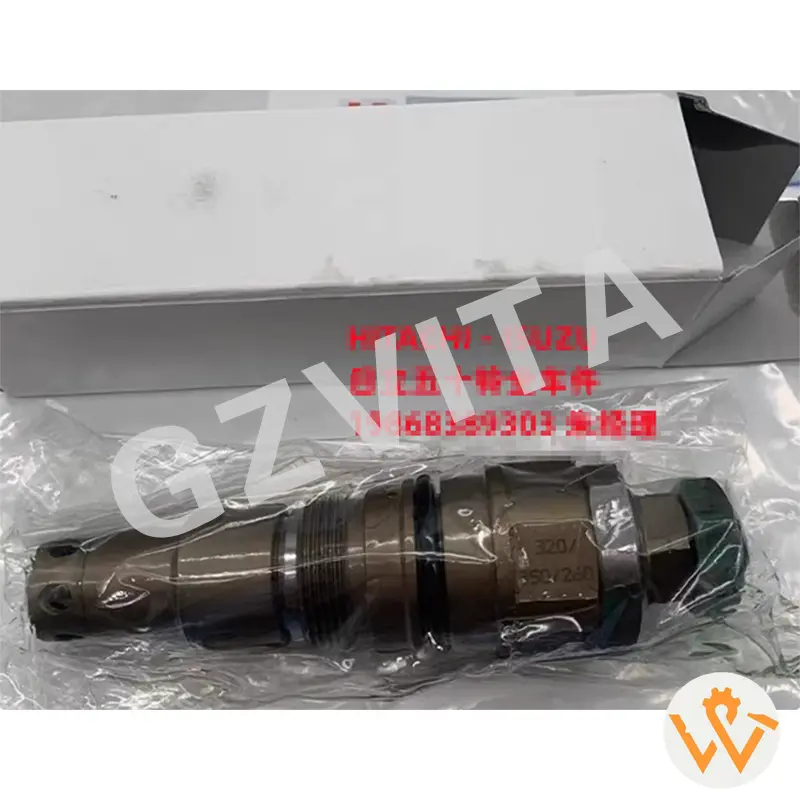
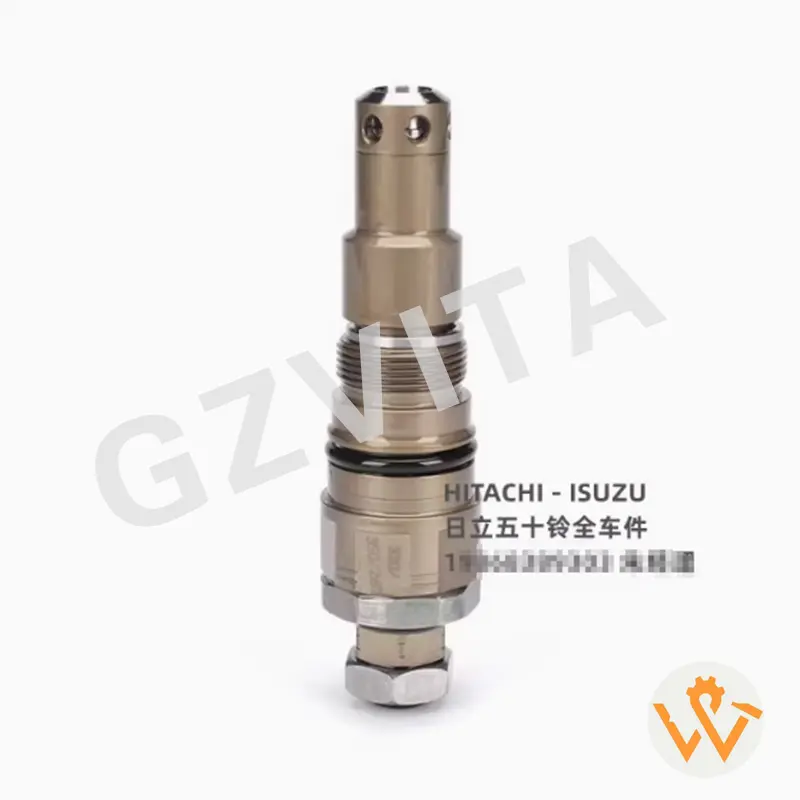
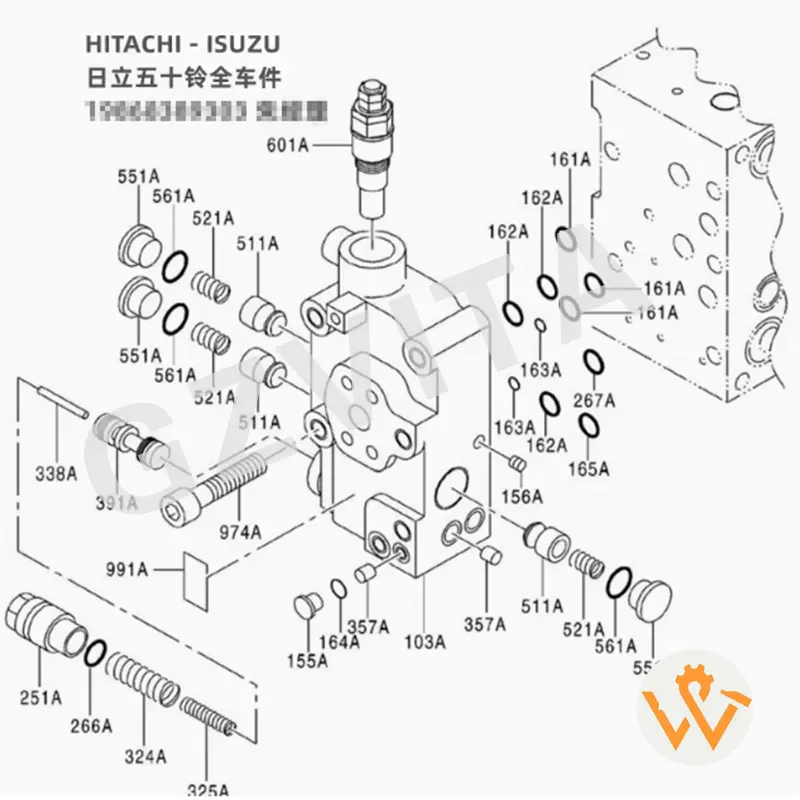
Choosing the correct Main Control Relief Valve for an excavator involves several important considerations to ensure optimal performance and safety. Here are the key factors to consider:
Determine the maximum operating pressure of the hydraulic system in the excavator. The relief valve should be rated to handle this pressure, typically with a margin for safety. Check the manufacturer's specifications for the recommended pressure settings.
Assess the flow rate requirements of the hydraulic system. The relief valve must be able to handle the maximum flow rate without causing excessive pressure drop or cavitation. This is usually measured in liters per minute (L/min) or gallons per minute (GPM).
There are different types of relief valves, such as direct-acting, pilot-operated, and adjustable relief valves. Choose the type that best suits the application and the control system of the excavator.
The valve should have a quick response time to ensure that it can react to changes in pressure promptly. This is crucial for maintaining system stability and preventing damage.
Consider the operating temperature range of the hydraulic fluid. Ensure that the relief valve can operate effectively within this range without degradation of performance.
Ensure that the materials used in the valve are compatible with the hydraulic fluid being used in the excavator. This includes checking for resistance to corrosion and wear.
Verify that the physical size of the valve fits within the available space in the hydraulic system. Also, check the mounting options to ensure proper installation.
Consult the excavator's manufacturer specifications or service manual for recommendations on the appropriate relief valve. This can provide guidance on the correct model and settings.
If the application requires varying pressure settings, consider a relief valve that allows for easy adjustment. This can be beneficial for different operating conditions.
Look for additional safety features such as built-in pressure gauges or indicators that can help monitor the system's performance.
Choose a valve from a reputable manufacturer known for producing high-quality hydraulic components. Reliability is crucial to prevent failures that could lead to costly downtime or safety hazards.
The main control relief valve acts as a safety limit by regulating and restricting the maximum pressure within the hydraulic circuit, protecting pumps, hoses, and cylinders from overpressurization damage.
Common indicators of a failing relief valve include a significant loss of hydraulic power, sluggish operating speeds, excessive hydraulic oil overheating, or visible signs of fluid leakage around the valve body.
It is not recommended. Installing a valve with a pressure rating higher than specified can strain other system components, leading to premature hose bursts, seal damage, or pump failures.
Direct-acting valves open immediately when system pressure exceeds spring force, suitable for lower flow rates. Pilot-operated valves use a smaller pilot flow to control the main valve opening, offering more stable control at higher pressures and flow rates.
Pressure settings should be verified during regular preventive maintenance intervals, typically every 500 to 1,000 operating hours, or immediately after replacing major hydraulic components.
Yes, extreme temperatures affect the viscosity of the hydraulic fluid. If the fluid is too hot or cold, it can alter the valve's response time and pressure control accuracy, making temperature compatibility crucial.