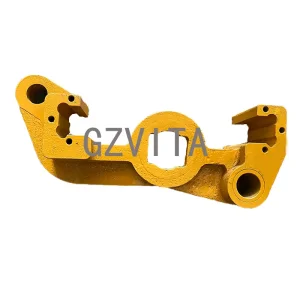
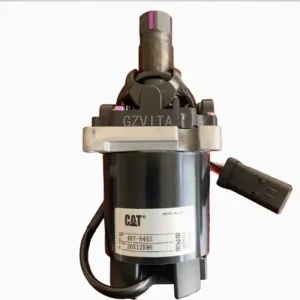
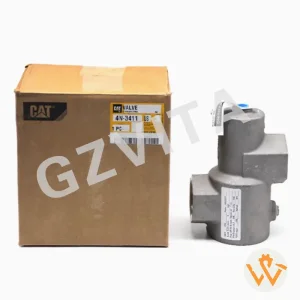
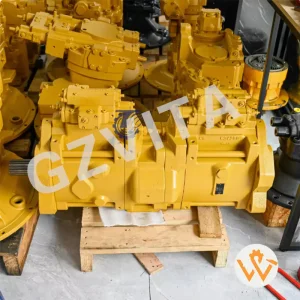
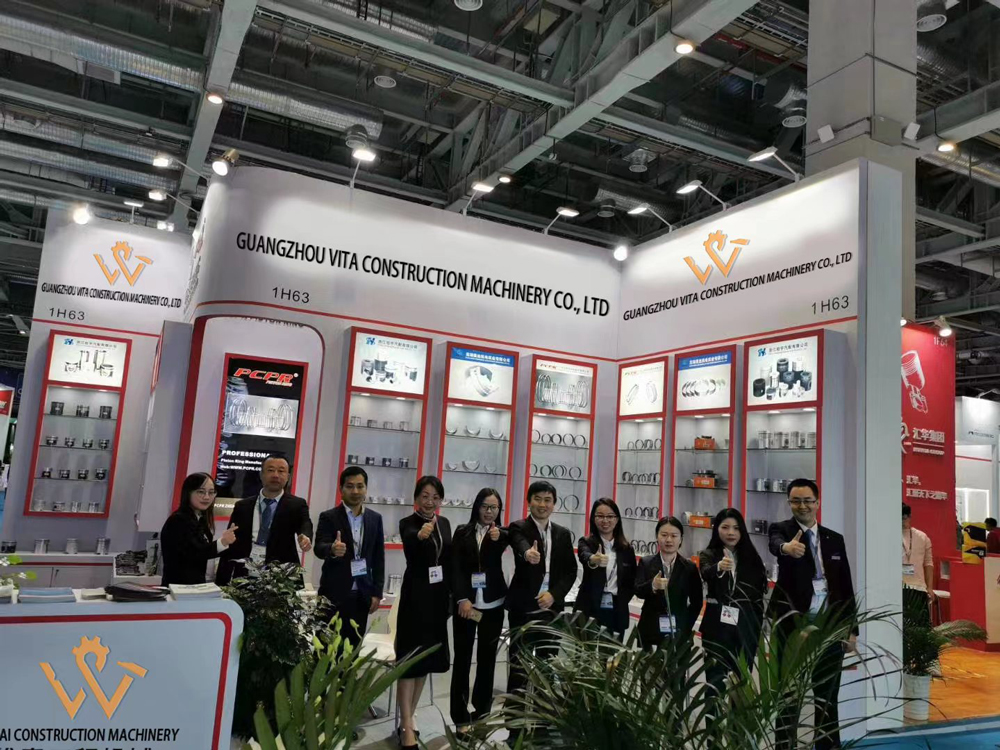
In modern high-pressure hydraulic circuits, structural lubrication pathways, and heavy machinery drivetrains, the presence of sub-micron particulates is the single leading cause of premature component failure. Global industrial environments demand filtration systems that offer uncompromising reliability, structural integrity, and superior dirt-holding capacity. As a premier destination for heavy machinery components and precision filtration replacements, Guangzhou Vita Construction Machinery Co., Ltd. has consolidated its manufacturing capability in Hubei Province to meet these stringent requirements.
Parker Hannifin has long established itself as the global gold standard for motion and control technologies. Their advanced filtration media—incorporating proprietary microglass layers, polymer formulations, and pleated geometries—protect critical components like hydraulic main pumps, pilot control valves, and engine fuel rails from fluid-borne contamination. A reliable supplier and factory setup ensures that end users in sectors such as mining, deep-earth excavating, infrastructure development, and marine operations get access to filtration units engineered to prevent bypass-valve leakages and minimize wear.
To understand why Parker Hannifin style microglass filters outperform standard aftermarket cellulose alternatives, it is necessary to examine their microstructure. Standard cellulose filters rely on organic wood fibers, which are irregular in shape and size, yielding a wide range of pore openings. Microglass, by contrast, utilizes synthetic inorganic fibers that are significantly thinner and more uniform.
| Performance Metric | Standard Cellulose Elements | Premium Parker Hannifin Microglass (Vita Grade) |
|---|---|---|
| Beta Ratio ($\beta_x(c)$) | $\beta_x \approx 2$ to $75$ (Low Efficiency) | $\beta_x \ge 1000$ (High Efficiency) |
| Dirt Holding Capacity (DHC) | Baseline (1x) | Up to 4x higher capacity |
| Pressure Drop ($\Delta P$) | High initial restriction | Very low initial restriction |
| Fluid Compatibility | Mineral oils only | Synthetic, water-glycols, bio-oils, and petroleum |
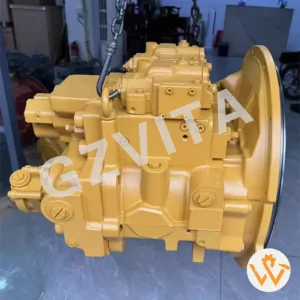
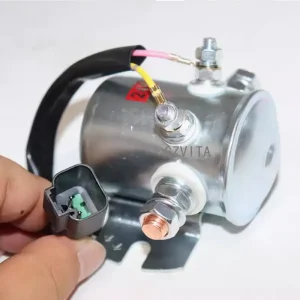
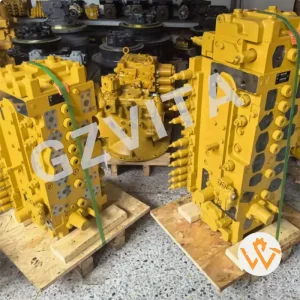
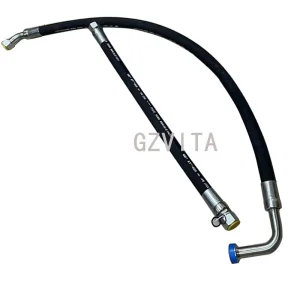
Filtration is not an isolated component; it is the vital organ of multi-system integration. Modern earthmoving machines, such as the Caterpillar 336D2 or 320D, rely on highly sophisticated components that operate under intense pressures and tight clearances:
In the fast-paced world of construction, the reliability and efficiency of your machinery can make or break a project. We understand that high-quality parts are essential for optimal performance. So we aim to provide top-notch construction machinery parts to keep customers' machinery running smoothly.
To improve our service, we set up an engine maintenance development division. In addition to providing customers with engine assemblies, we can also help customers solve various technical problems encountered in the operation and assembly of engines.
We have our own professional maintenance team and can even be invited by customers to arrange for maintenance technicians to go abroad to help customers repair and service engines and hydraulic power packs.
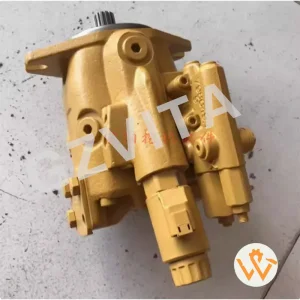
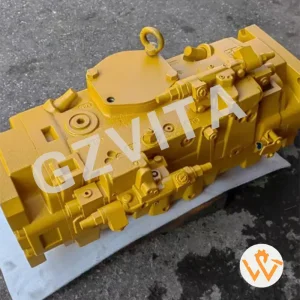
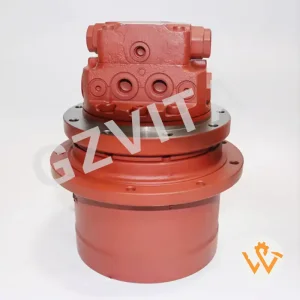
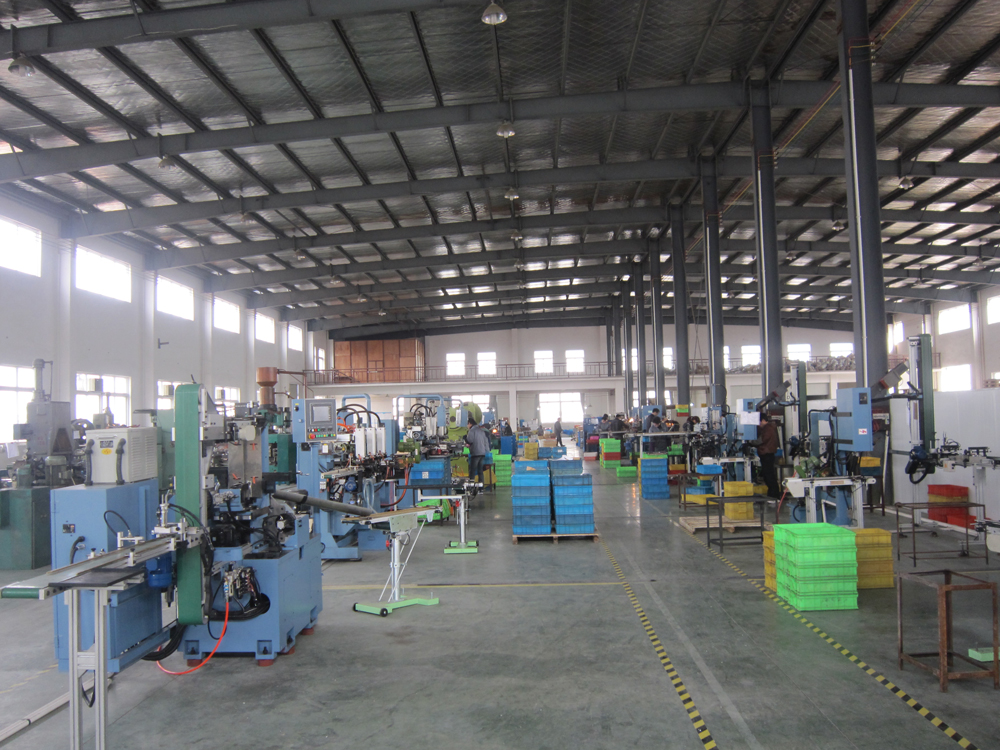
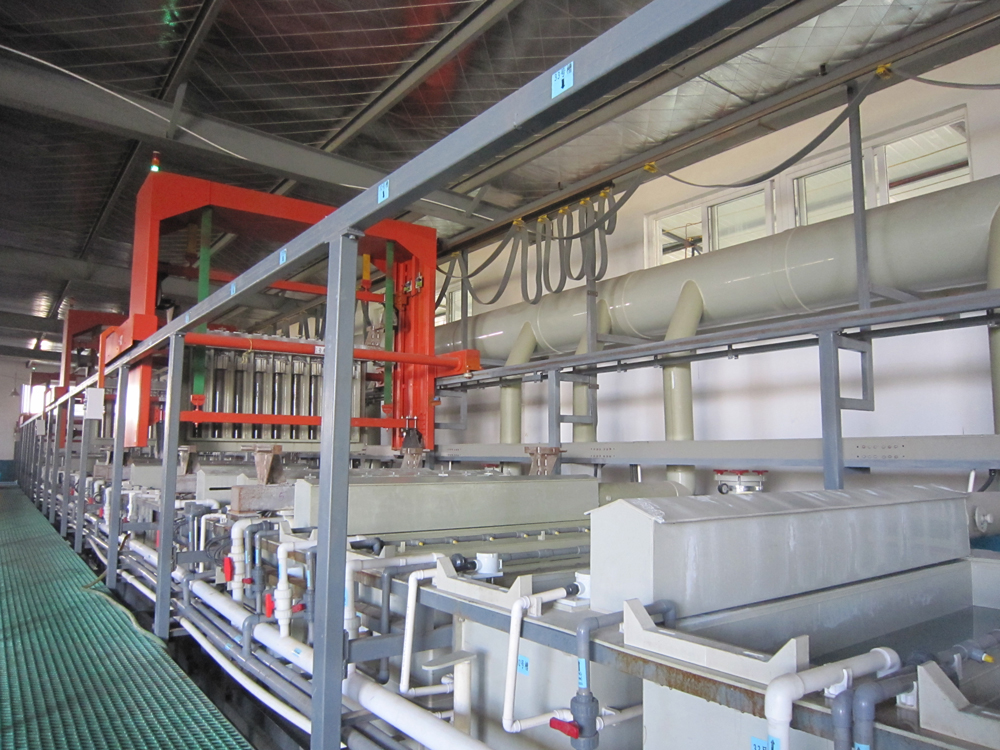
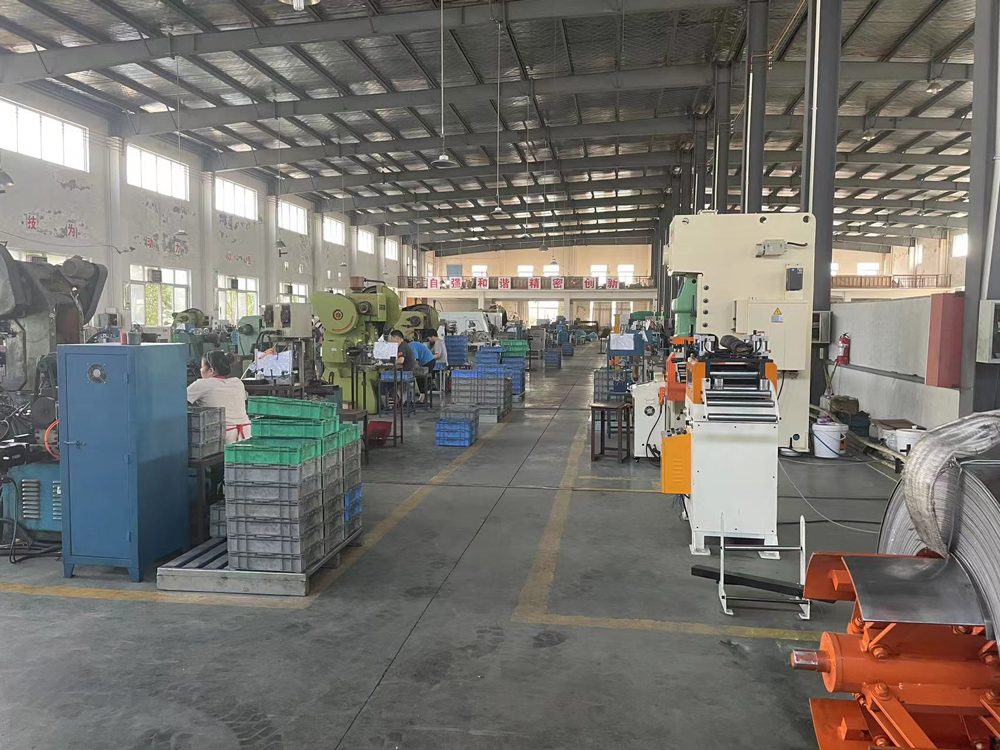
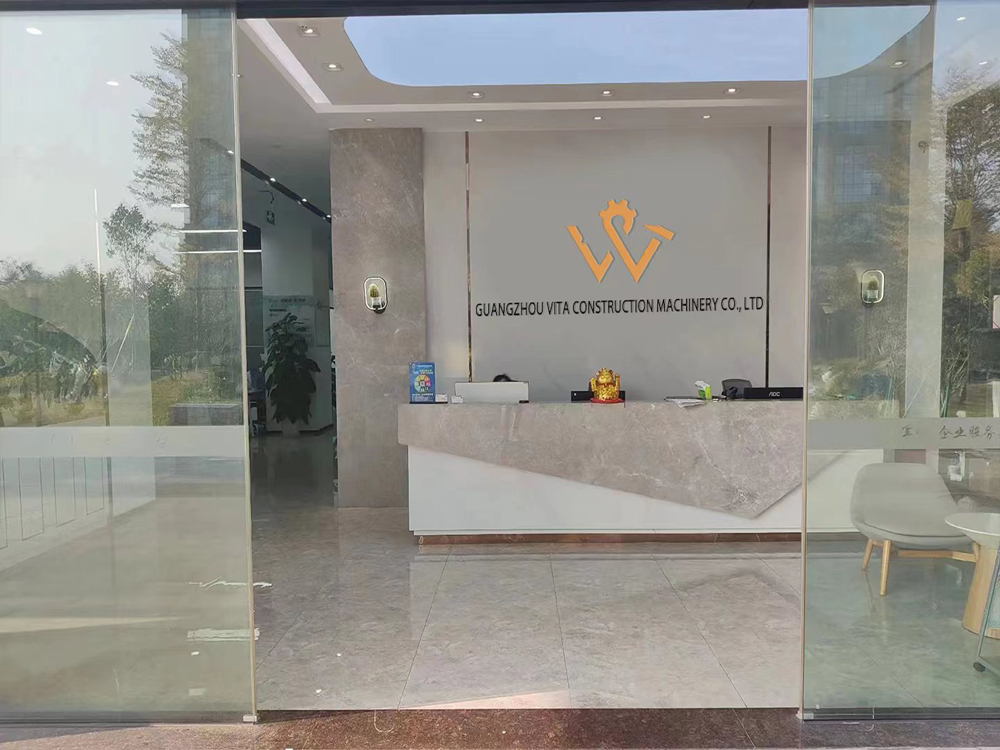
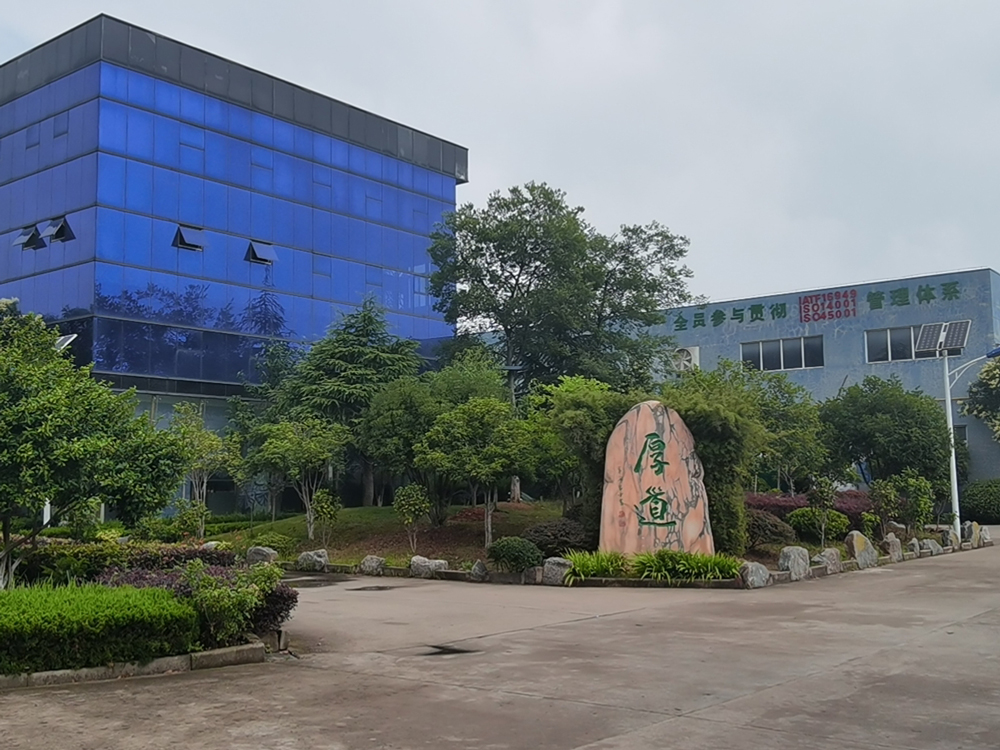
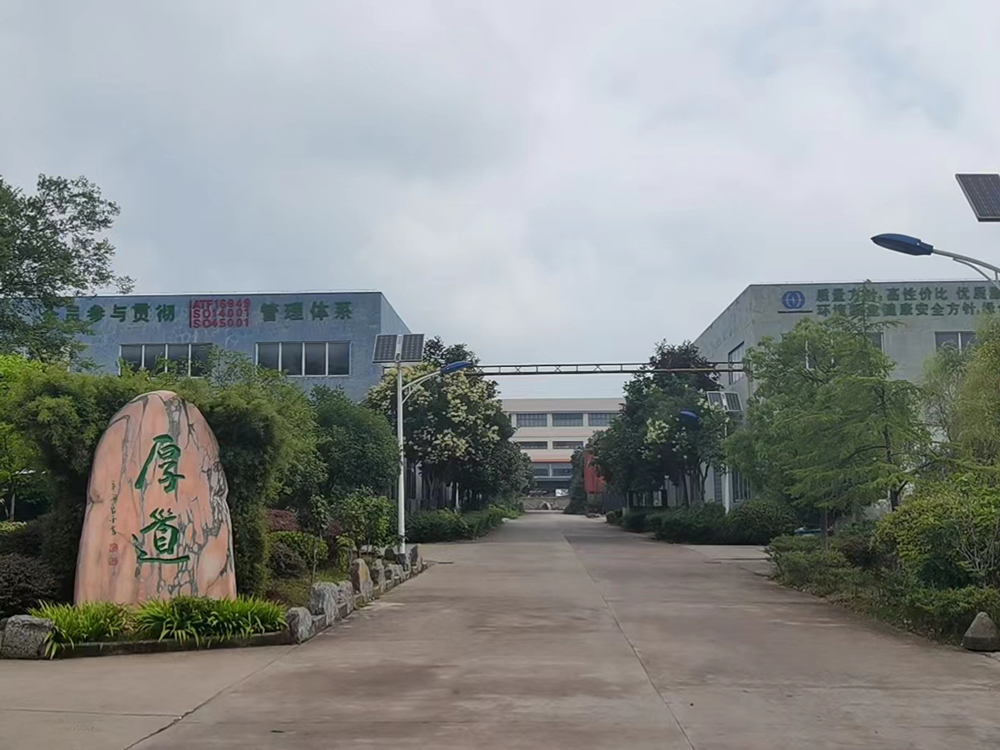
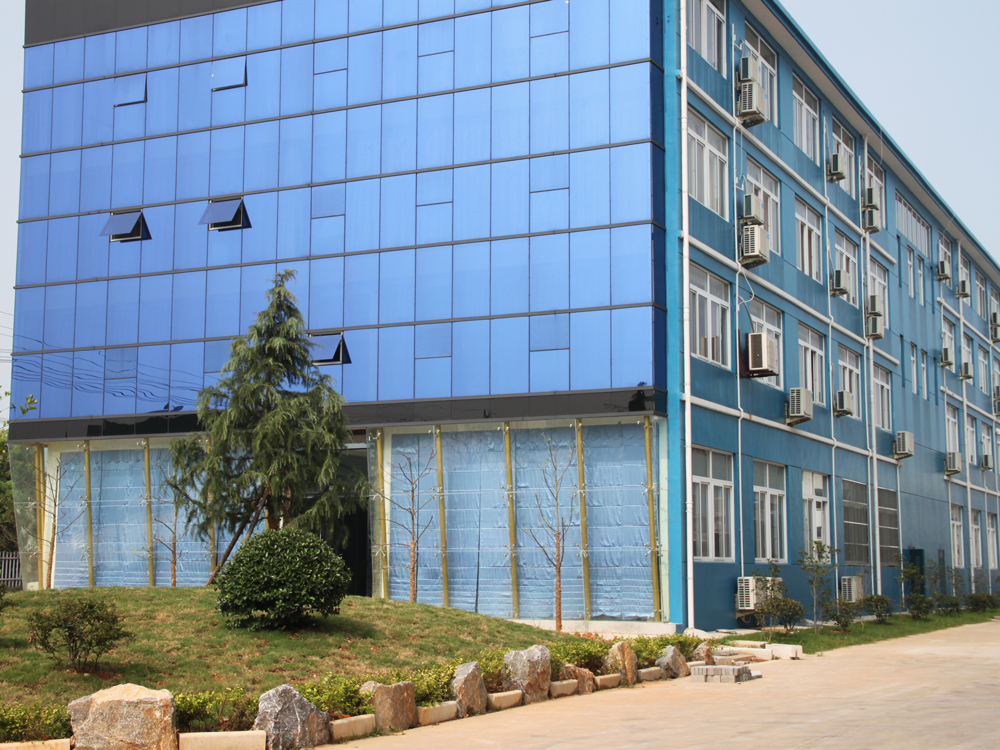
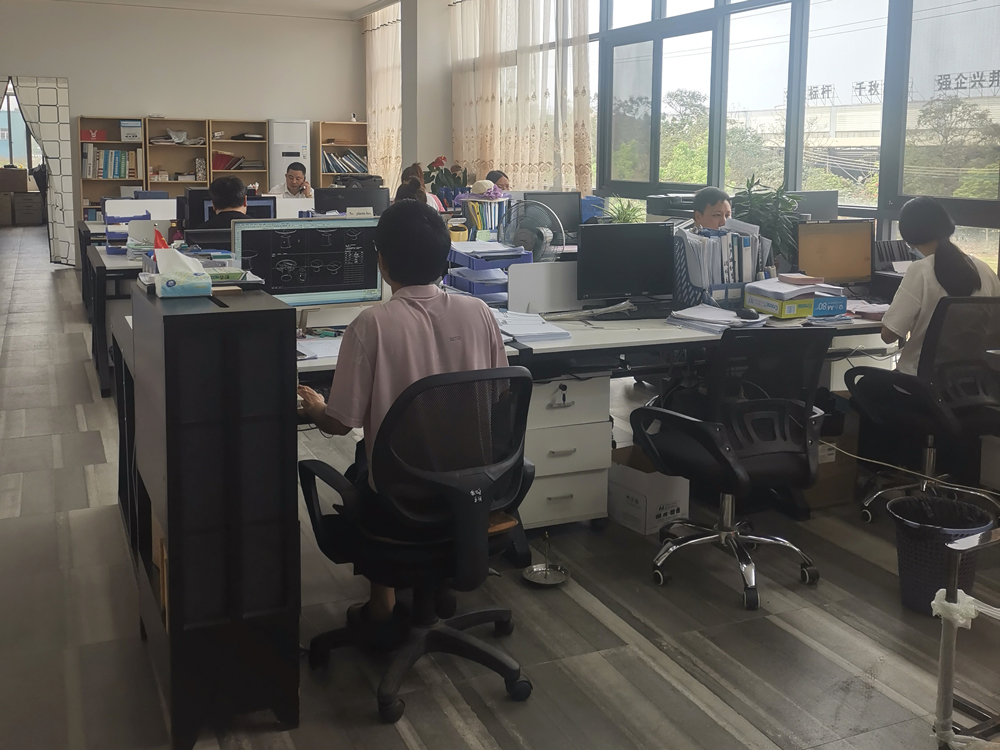
Guangzhou Vita Construction Machinery Co., Ltd. combines advanced manufacturing facilities with foreign trade expertise. Our primary factory is situated in Xiangyang City, Hubei Province, where our team operates state-of-the-art production machinery to manufacture undercarriage parts, hydraulic pump replacements, gear pumps, cylinder assemblies, and a comprehensive line of replacement industrial filters.
The industrial filtration market has experienced a significant paradigm shift driven by the rise of green technologies, stringent environmental regulations, and the necessity of high-pressure fluid power designs. Machinery brands such as Komatsu, Volvo, Sumitomo, Caterpillar, Kubota, Hitachi, Kobelco, Sany, and XCMG are modifying engine and hydraulic architectures. Systems that historically ran at pressures of 250 bar are now operating at 350 to 420 bar to squeeze out maximum fuel efficiency and hydraulic force.
At these elevated pressures, the size of the critical fluid film inside hydraulic pumps and control spools decreases. Silt particles in the 2 to 5-micron range—which once passed harmlessly through looser systems—now trigger abrasive wear, causing internal slip, loss of efficiency, and structural failure. The shift toward modern microglass filters is no longer optional; it is essential to prevent operational downtime.
Our research and development team, in partnership with industrial engineering leaders, has mapped out the technological trajectory for heavy-duty filtration. The goal is to evolve from passive scheduled replacement schemes to proactive, condition-based scheduling.
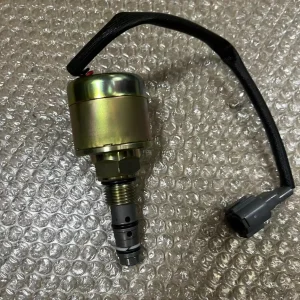
Integrating differential pressure sensors (like the 9101532 series) into the hydraulic manifold. By tracking changes in pressure drop ($\Delta P$) across the filtration element in real-time, operators can predict the exact point of media saturation before a bypass event occurs.
Implementing nested pleating geometries where a pre-filter layer captures large, coarse debris, while the inner microglass layer focuses on trapping sub-micron particles. This increases overall element lifespan by up to 50%.
Moving toward element-only replacement designs where the steel support core is integrated directly into the filter housing rather than the disposable cartridge. This reduces hazardous waste disposal volume and matches corporate green initiative goals.
 Vita Construction