 Vita Construction
1 / 4
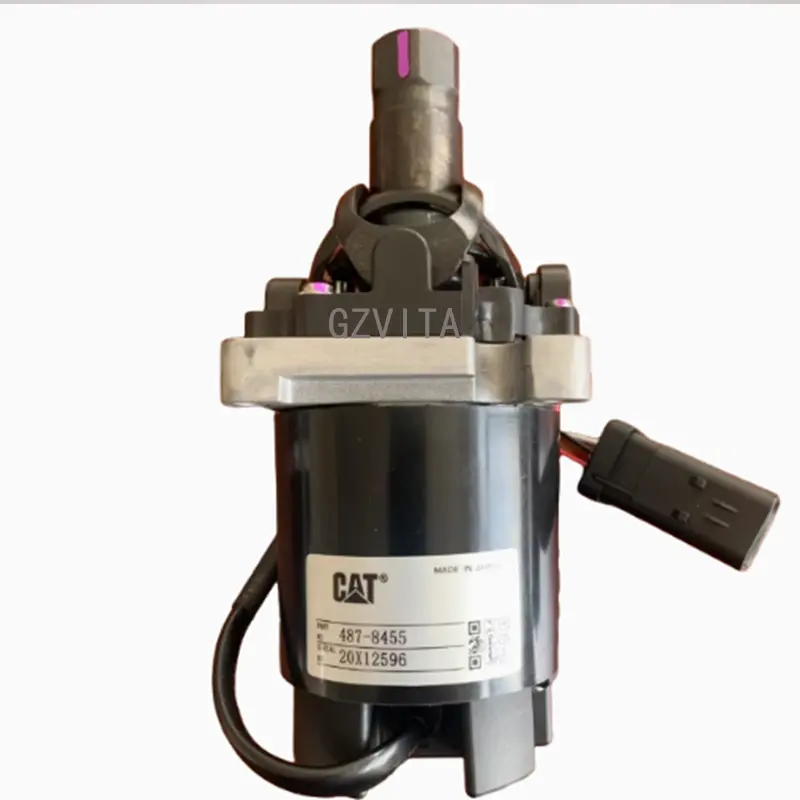
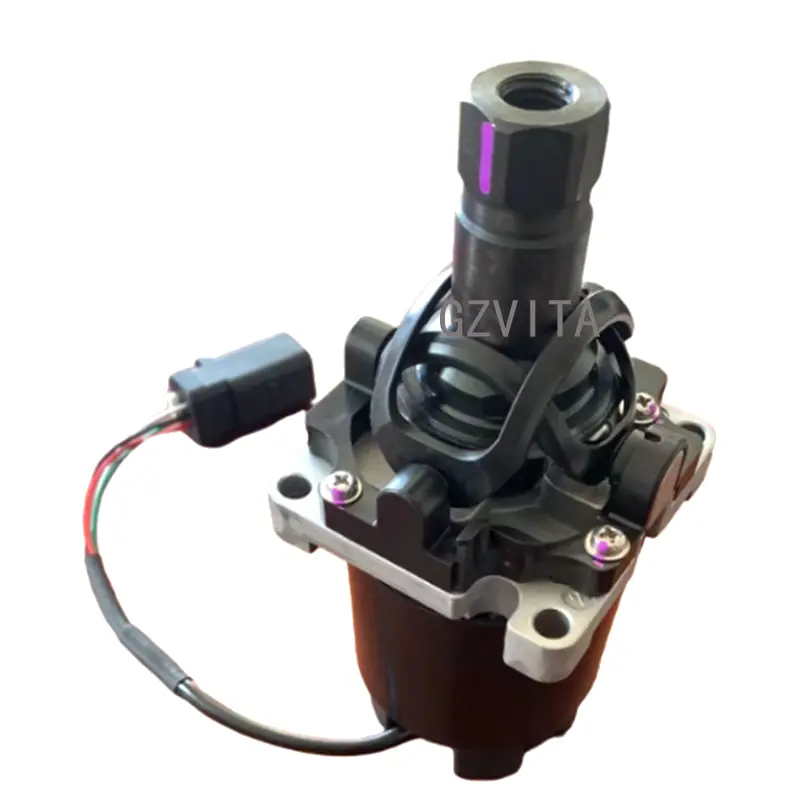
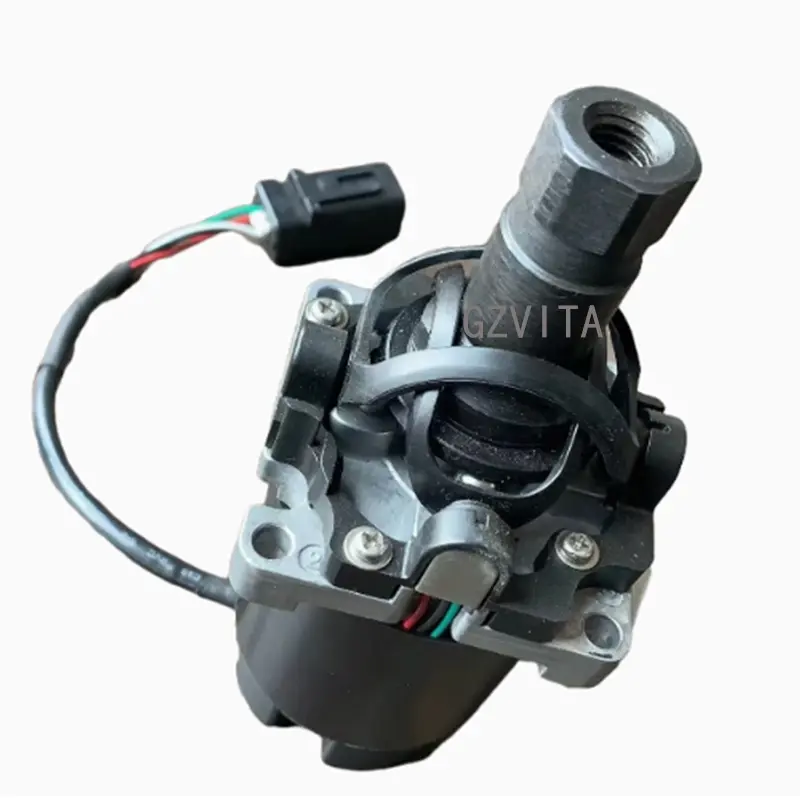
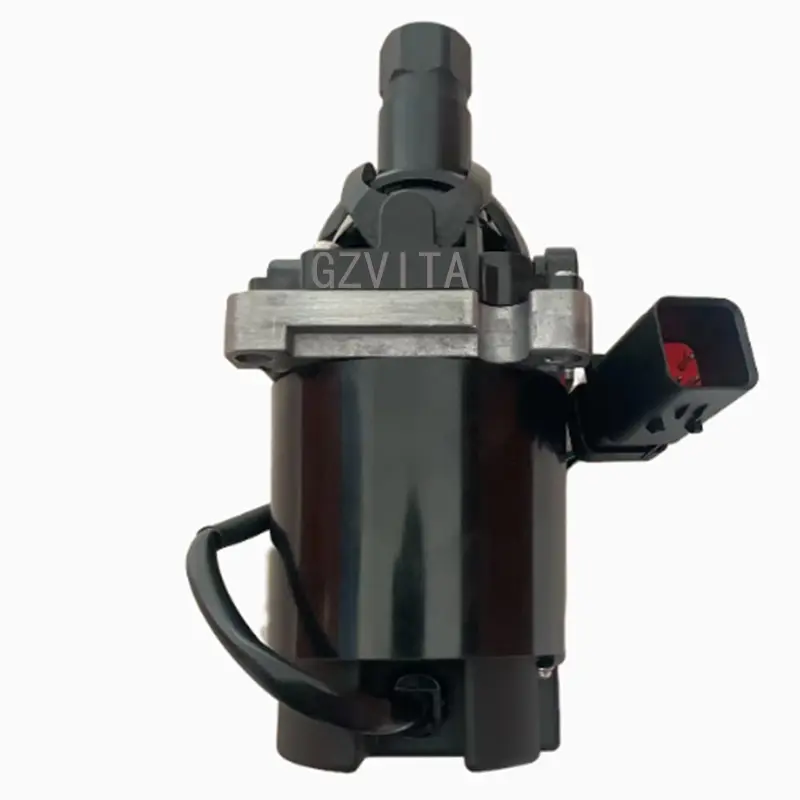
The joystick control base is a critical component in the operation of Caterpillar excavators, as it directly influences the machine's performance, operator efficiency, and overall safety. Here are several key points highlighting its importance:
The joystick control base allows operators to maneuver the excavator with precision. It translates the operator's movements into hydraulic actions, enabling fine control over the boom, arm, and bucket. This precision is essential for tasks such as digging, grading, and lifting.
Modern joystick control systems are designed with ergonomics in mind, reducing operator fatigue during long hours of operation. A well-designed joystick base allows for comfortable hand positioning and minimizes strain, which can enhance productivity and reduce the risk of injury.
Joystick controls are generally more intuitive than traditional lever systems. Operators can quickly learn to use them, which reduces training time and increases efficiency on the job site. This is particularly beneficial in industries where operators may need to switch between different types of machinery.
Joystick controls provide immediate feedback and responsiveness, allowing operators to react quickly to changing conditions on the job site. This responsiveness is crucial for maintaining safety and efficiency, especially in complex or tight working environments.
Many modern Caterpillar excavators come equipped with advanced technologies such as GPS, telematics, and automation systems. The joystick control base often integrates seamlessly with these technologies, allowing for enhanced functionality, such as automated digging or real-time data monitoring.
Joystick control systems often include safety features that help prevent accidents. For example, they may have built-in deadman switches or require specific sequences of movements to engage certain functions, ensuring that the operator maintains control at all times.
Some joystick control systems allow for customization based on the operator's preferences or specific job requirements. This adaptability can improve efficiency and comfort, as operators can set up the controls in a way that feels most natural to them.
It directly impacts the excavator's overall performance, operator efficiency, and safety by enabling precise communication between the operator and the hydraulic systems.
The base translates the physical movements of the operator's hands directly into hydraulic actions, allowing for fluid and fine adjustments of the boom, arm, and bucket.
Designed to match natural hand positioning, it reduces operator fatigue, limits physical strain over long shifts, and decreases the risk of repetitive strain injuries.
Yes, it is designed to integrate seamlessly with advanced excavator technologies, including GPS navigation, telematics, and automated functions like automatic digging.
The system features built-in safety controls, such as deadman switches and required initiation sequences, to prevent unintended movements and maintain safe operation.