 Vita Construction
1 / 5
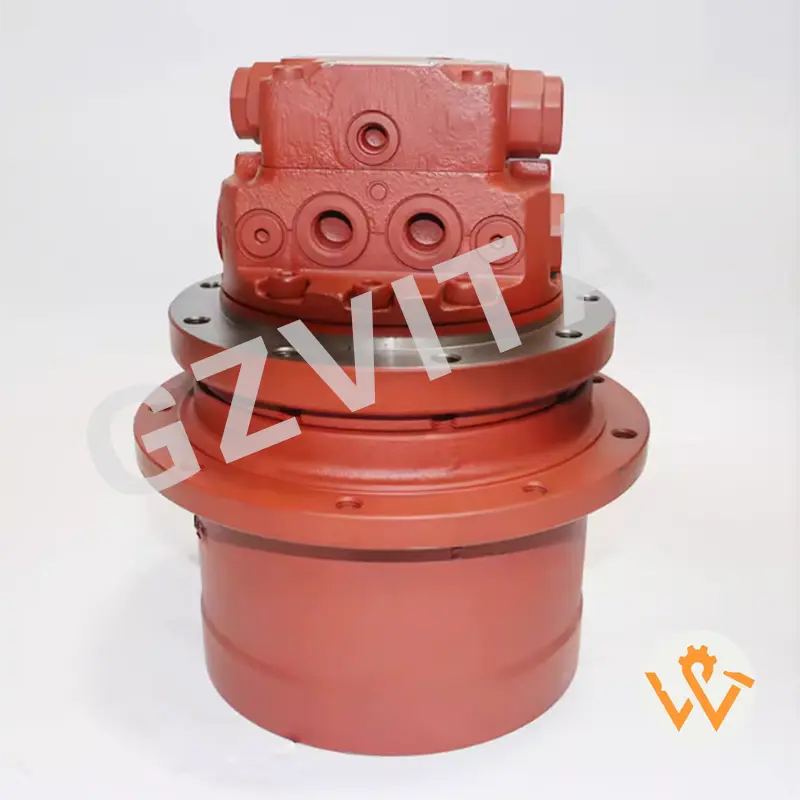
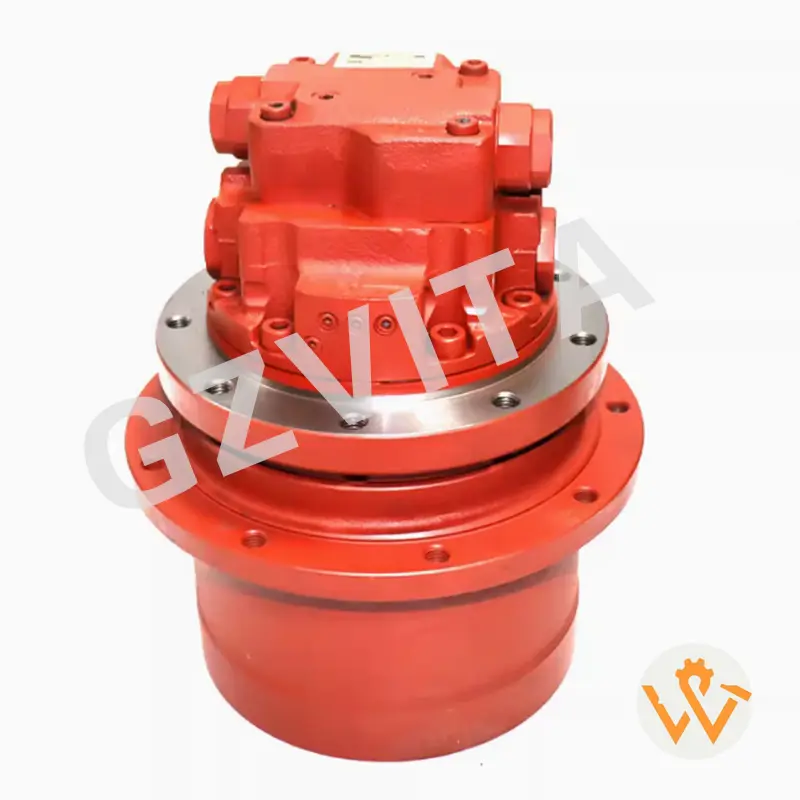
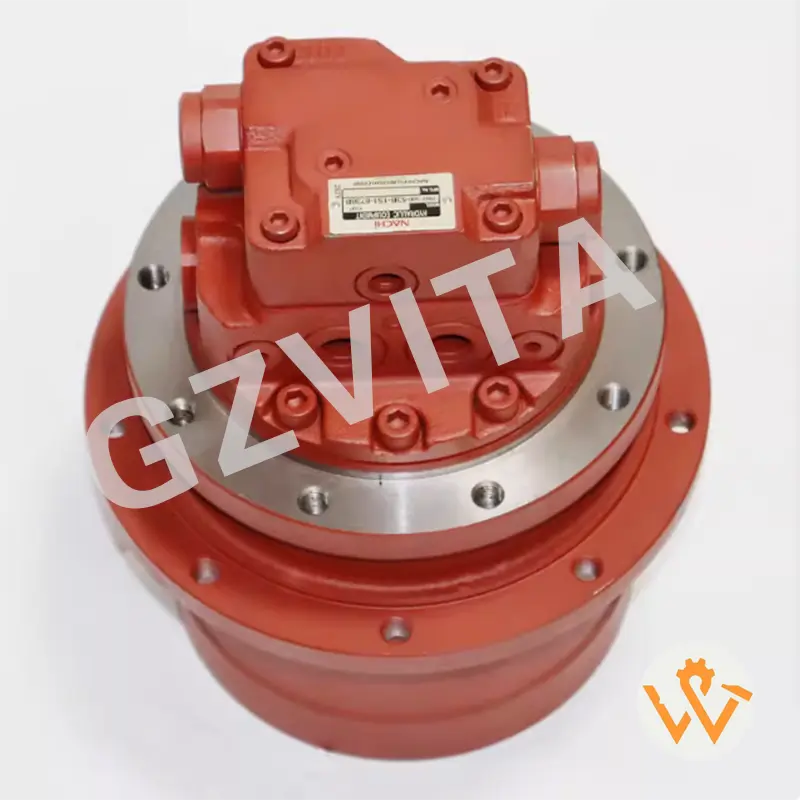
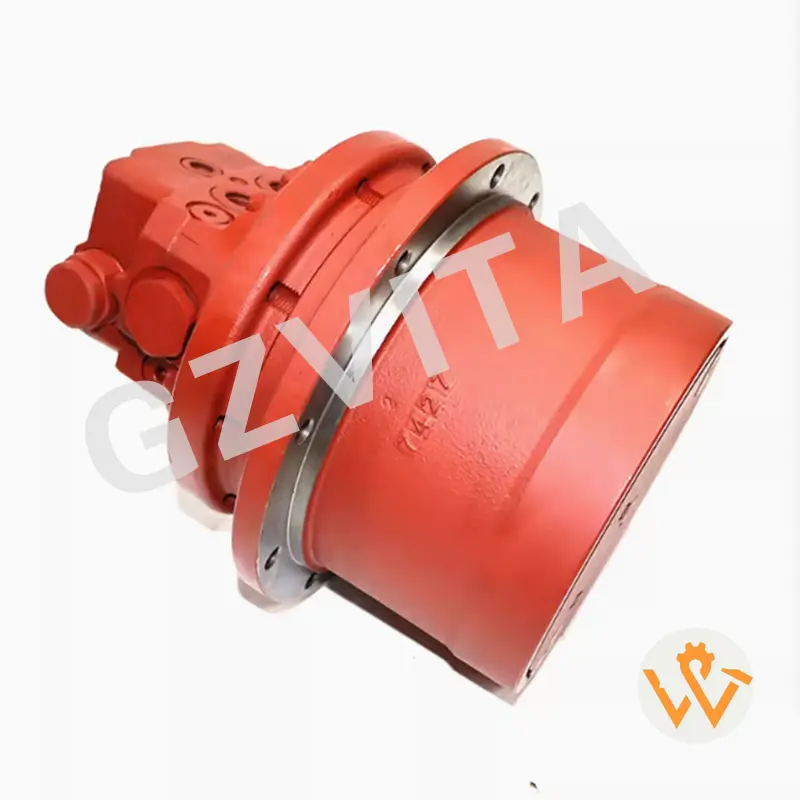
The final drive is a critical component in excavators, responsible for transmitting power from the hydraulic motor to the tracks or wheels, enabling movement and operation. Proper installation of the final drive is essential for optimal performance and longevity of the excavator. Here are key considerations and data related to the installation of the final drive in excavators:
The installation of the final drive in excavators is a critical process that requires attention to detail and adherence to manufacturer specifications. Proper installation ensures the efficient operation of the excavator, contributing to its overall performance and longevity. By following the outlined steps and maintaining regular inspections, operators can maximize the effectiveness of their excavators and minimize downtime.
Proper alignment ensures that the mounting surfaces mate cleanly and prevents uneven force distribution, which could otherwise cause premature wear, vibration, or mechanical failure during excavator operation.
Under-tightening can cause the bolts to work loose under heavy operational loads, leading to severe component damage. Over-tightening can stretch or snap the bolts and distort the mounting threads.
Always use high-quality, manufacturer-recommended fittings and seals. Inspect the hydraulic lines for grit or damage before connecting, and ensure connections are secure but not over-tightened.
Listen closely for grinding, whining, or clicking noises. These unusual sounds typically indicate misaligned gears, lack of fluid, or loose internal components that need immediate correction.
Detailed documentation provides a diagnostic baseline for future maintenance. If issues arise later, technicians can refer to past torque configurations, adjustments, and hydraulic settings to quickly resolve problems.