A professional analysis of design parameters, reliability engineering, and system deployment in heavy equipment and automation.
In heavy industries and hydraulic fluid power management, Pressure Switch Tubing functions as the neurological pathway for control signals. Pressure switches rely on stable fluid dynamics and structural integrity to read precise PSI levels. If the tubing suffers from volumetric expansion, chemical degradation, or mechanical wear, the pressure sensor receives an inaccurate signal, potentially inducing systematic failure or safety shutdowns. Selecting a reliable pressure switch tubing supplier is not merely about sourcing hoses; it is an engineering decision directly impacting overall system reliability.
Whether in compact construction equipment like Kubota V2607 series power cultivators or massive Earthmoving excavators like the Komatsu PC300-8M0, pressure transmission lines must withstand fluctuating pressure spikes (transients), heavy external vibration, and corrosive hydraulic oils. To achieve optimal performance, industrial developers specify precise durometers, reinforcement layers, and tight-radius bend radii to maintain laminar flow profiles directly up to the switch transducer interface.
Modern pressure switch tubing is engineered using advanced elastomers, fluoropolymers, or seamless metallic alloys depending on the severity of the operational environment. We look closely at three main categories:
As an industry-leading supplier, we analyze each physical constraint to matching the right tubing class with the targeted hydraulic control loop, ensuring your system runs at peak performance and remains compliant with global SAE and ISO safety standards.
Understanding supply chains, regulatory frameworks, and regional demands shaping the modern pressure switch tubing market.
The global demand for high-performance pressure control lines is surging, driven by the expansion of automation, modern infrastructure construction, and green emission regulations. In North America and Europe, stringent EPA and Euro Stage V regulations require heavy equipment to integrate precise electro-hydraulic control loops. These control loops utilize pressure switch tubing to deliver instantaneous signal feedback to the engine control unit (ECU). Any minor pressure leak or signal lag results in suboptimal combustion or hydraulic inefficiencies, causing failure to pass strict environmental standards.
Detailed physical properties, application ranges, and raw performance thresholds for premium industrial-grade pressure switch tubing.
A critical challenge in pressure switch systems is understanding the correlation between temperature and working pressure. As temperature rises, thermoplastic materials soften, lowering their ultimate burst strength. System designers must refer to the temperature correction factors to determine safe working margins. Below is our baseline technical specification map for industrial pressure switch tubing:
| Material Grade | Standard Outer Diameter (OD) | Wall Thickness | Max Working Pressure (at 23°C) | Burst Pressure Minimum | Temperature Range | Primary Field Application |
|---|---|---|---|---|---|---|
| PA 12 (Polyamide) | 6.0 mm / 0.250 in | 1.0 mm | 28 Bar / 406 PSI | 85 Bar / 1232 PSI | -40°C to +100°C | Heavy Truck Systems & Excavator Pilot Controls |
| PTFE (Fluoropolymer) | 8.0 mm / 0.312 in | 1.2 mm | 35 Bar / 507 PSI | 105 Bar / 1522 PSI | -70°C to +260°C | High-Temp Exhaust Controls & Corrosive Media |
| PU (Polyurethane 98A) | 4.0 mm / 0.156 in | 0.75 mm | 12 Bar / 174 PSI | 36 Bar / 522 PSI | -20°C to +60°C | Pneumatic Logic Gates & Low-pressure Manifolds |
| Reinforced Elastomeric | 10.0 mm / 0.393 in | 2.0 mm | 80 Bar / 1160 PSI | 240 Bar / 3480 PSI | -40°C to +125°C | Hydraulic Boost Circuits & Heavy Excavator Mainlines |
When routing tubing from the main pressure port to the pressure switch, engineering teams must observe several structural guidelines to prevent premature wear. First, the Minimum Bend Radius must not be breached. Bending thermoplastic tubing too sharply introduces mechanical strain on the outer wall while constricting the inner path, leading to localized pressure drops. Second, dynamic systems require a loose routing layout with a 5% to 10% slack margin to accommodate vibration, pressure surges, and component shifts without putting tension on the end connectors.
Guangzhou Vita Construction Machinery Co., Ltd. — Your Trusted Manufacturing & Technical Integration Partner
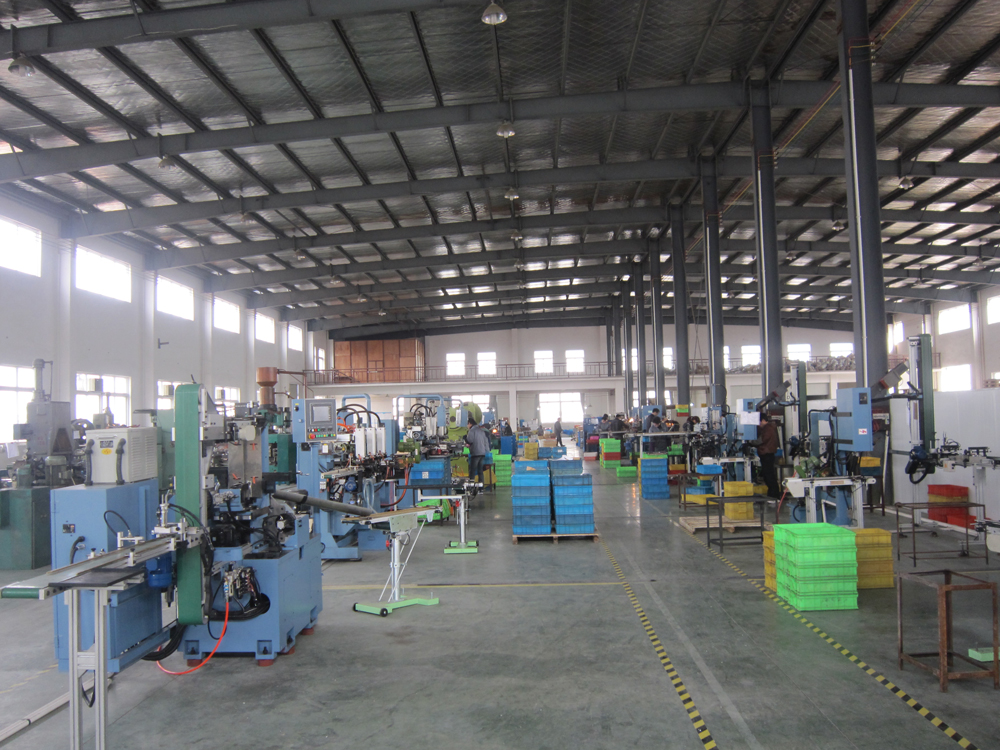
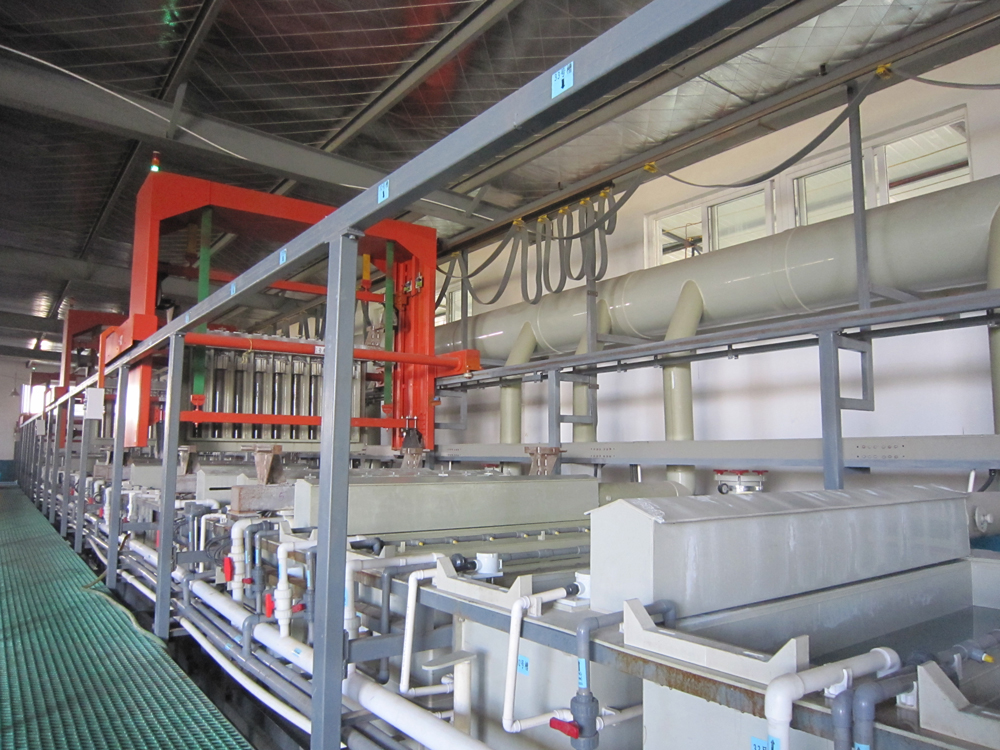
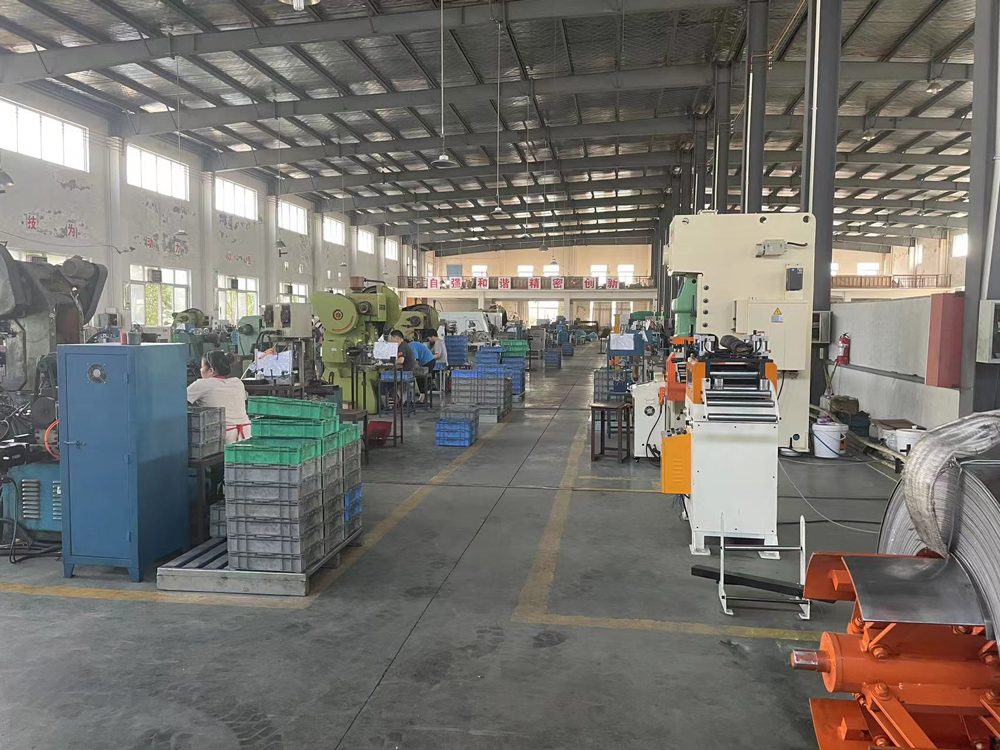
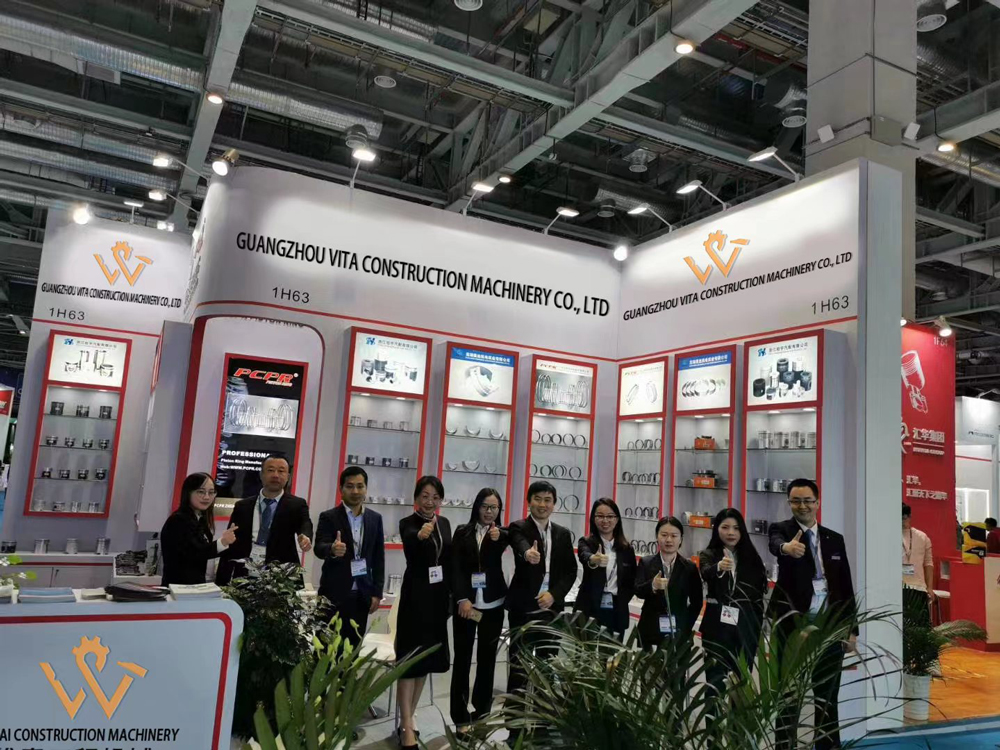
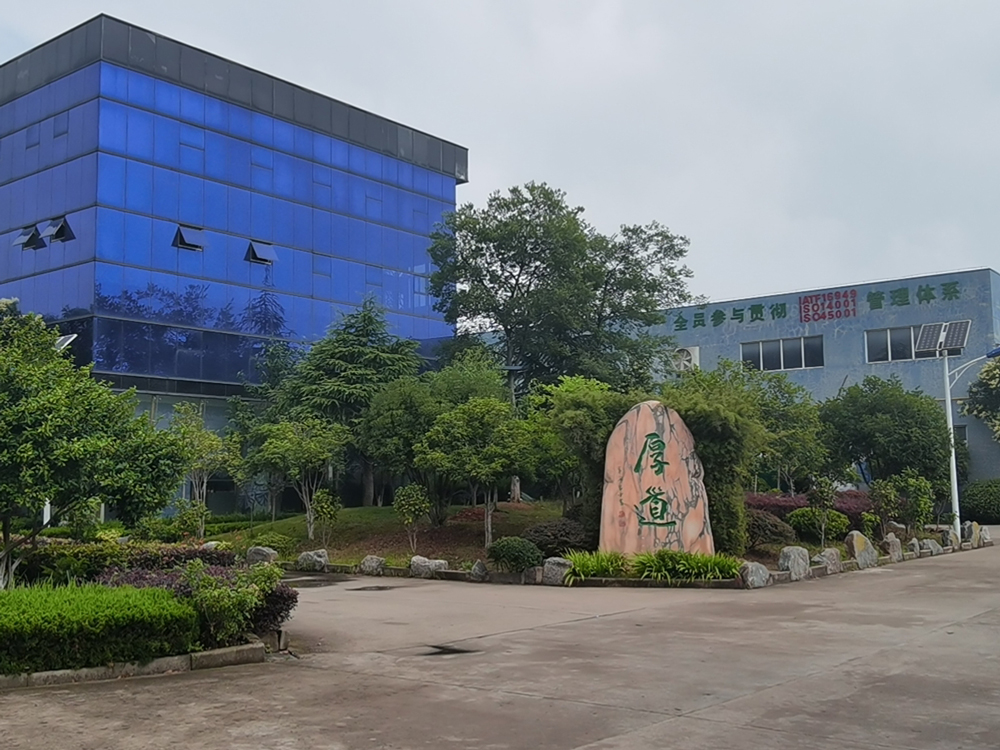
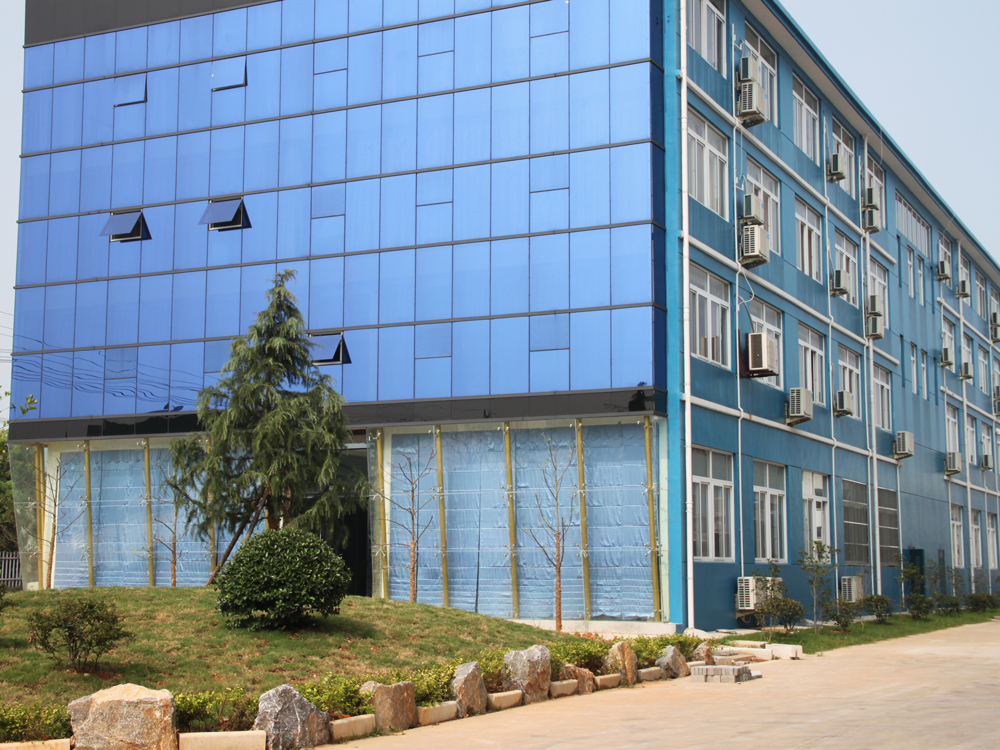
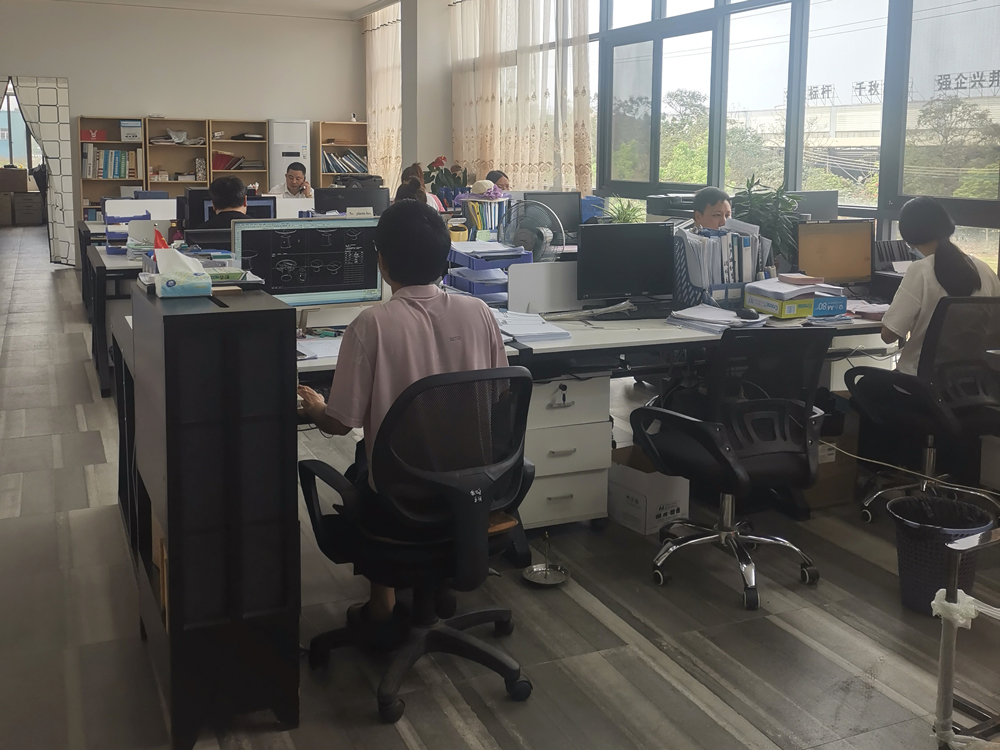
Guangzhou Vita Construction Machinery Co., Ltd. is one of the largest companies combining factory operations and foreign trade. Our production plant is based in Xiangyang City, Hubei Province, featuring a massive, state-of-the-art workshop spanning over 18,000 square meters. Outfitted with advanced, automated manufacturing machinery, our facility operates with a team of more than 278 well-trained and skilled workers, overseen by 8 experienced engineers. This structure ensures strict quality control, fast manufacturing cycles, and on-time global logistics.
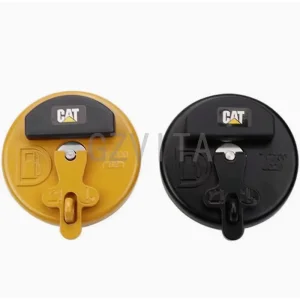
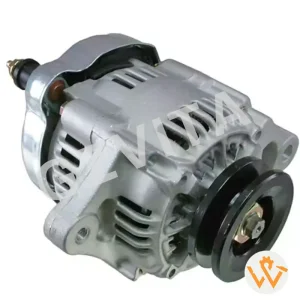
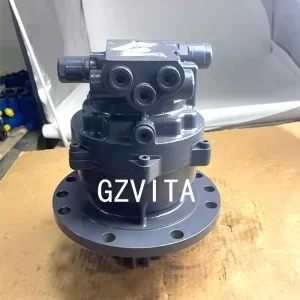
We specialize in developing, manufacturing, and distributing a comprehensive catalog of construction machinery parts. Our product line includes engine assemblies, hydraulic main pumps, final drives, electric generating sets, high-precision engine bearings (Main bearings and con Rod Bearing series), crankshafts, engine valves, gear pumps, cylinders, specialized filters, excavator buckets, and robust undercarriage systems for bulldozers and excavators. These components serve as direct OEM-grade replacements for top-tier machinery brands, including Komatsu, Volvo, Sumitomo, Caterpillar, Kubota, Hitachi, John Deere, Kobelco, Hyundai, Kato, Sany, XCMG, SUNWARD, and other globally respected marques.

Exploring the integration of IoT sensors, smart diagnostic systems, and sustainable materials in next-generation hydraulic infrastructure.
As heavy machinery makes the transition toward autonomous operation, fluid power systems are changing in tandem. The future of Pressure Switch Tubing lies in the integration of diagnostic capabilities. Traditional tubing acts purely as a passive conduit. Next-generation systems feature embedded sensor arrays capable of measuring pressure drops, temperature changes, and wall-thickness wear in real-time. This concept, known as "Smart Tubing," will allow predictive maintenance algorithms to flag potential line ruptures before a failure occurs.
At the same time, material formulations are adapting to support bio-degradable hydraulic fluids. Traditional nitrile and standard polyurethanes decompose rapidly when exposed to modern synthetic esters and vegetable-based fluids. To prevent this, chemical engineers are formulating co-extruded tubing designs: a highly chemically resistant inner liner (such as PVDF or specialized Polyamides) bonded to a robust outer elastomer cover. This co-extrusion method provides chemical resistance on the inside and abrasion protection on the outside.
A key focus area in high-stress machinery applications is structural strain. Constant pressure cycling causes tubing to expand and contract, generating internal stresses at the fittings. By designing custom-molded, pre-bent thermoplastic lines, engineers can direct stress concentration points away from critical connections, reducing the risk of fatigue failures at the pressure switch connection.
In aggressive working environments, such as open-pit mining or forestry, pressure switch tubing is exposed to falling debris, weld splatter, and direct ozone degradation. Using secondary defense systems like braided steel wraps, silica fiberglass fire sleeves, and spiral heat guards helps shield the main pressure line. This keeps the pilot signal clear and accurate, even under severe environmental stress.
Technical answers to key questions regarding material selection, installation guidelines, and system diagnostics.
 Vita Construction