Engineered OEM replacement parts precision-built to reduce downtime and withstand heavy cyclic loads in high-stress environments.
In modern industrial earthmoving, heavy excavation, and geological mining operations, the efficiency of hydraulic machinery is intrinsically linked to its direct interface with the earth: the Ground Engaging Tools (GET). Excavator buckets equipped with heavy-duty teeth serve as the primary point of force transmission. They convert massive hydraulic energy into penetration pressure, fracturing consolidated rock, high-density shale, and abrasive gravel deposits.
Globally, infrastructure growth, high-output mining, and deep utility operations demand machinery that runs without unplanned outages. Every hour an excavator remains idle due to a fractured bucket tooth or failure in the undercarriage track assembly incurs severe downstream financial losses. This reality has transitioned the procurement of teeth buckets and wear-resistant accessories from simple purchasing into a critical metallurgical engineering strategy.
“Ground Engaging Tools represent only a minor fraction of an excavator's capitalization, yet they dictate over 80% of its operating efficiency. Optimal structural geometry, metallurgical composition, and lock-pin reliability are non-negotiable standards for large-scale operations.”
Different geologic profiles dictate the material requirements of GET. A standard bucket teeth configuration suited for loose soil will fail catastrophically within hours under high-impact mining conditions. Below are the key environments where specialized teeth bucket excavators and related assemblies display their engineering superiority:
In open-pit quarries and mines (extracting iron, copper, gold, or granite), the material profile is highly consolidated. Excavation requires teeth with high fracture toughness and a self-sharpening profile. High-carbon alloy steels tempered with chromium, nickel, and molybdenum are utilized here. These elements provide high hardness (typically 48–54 HRC) while preserving core ductility, preventing internal stress fractures under cyclic impact loads.
In extreme northern latitudes (such as mining operations in northern Canada or Siberian infrastructure projects), low temperatures induce acute embrittlement in standard structural steel. Ground engaging tools must display excellent low-temperature impact energy ratings (measured by Charpy V-Notch tests). Standard cast steels will fracture easily in temperatures below -20°C. Our specialized metallurgical paths ensure that our structures retain high fracture toughness even in deep winter conditions.
Marine dredging, desert soil moving, and sandy aggregate handling subject bucket teeth to severe abrasive sliding wear. Under these conditions, the dominant wear mechanism is abrasive scratching. To extend operational lifespan, parts require higher concentrations of hard carbide structures. Specialized overlay coatings (Hardfacing) or titanium-injected steel alloys are deployed to counter rapid abrasive erosion.
| Operational Environment | Dominant Wear Mechanism | Recommended Metallurgy | Target Hardness (HRC) | Key Mechanical Performance Index |
|---|---|---|---|---|
| Open-Pit Rock Mining | High-Impact / Fracturing | Low-Alloy Steel (Cr-Ni-Mo) | 48 - 52 | High Fracture & Core Toughness |
| Sandy Soil / Dredging | Extreme Sliding Abrasion | High-Carbon Alloy / Titanium Overlaid | 52 - 56 | Surface Microhardness & Wear Index |
| Arctic Excavation (-40°C) | Low-Temp Embrittlement | Quenched & Tempered Ni-Alloy Steel | 45 - 48 | Excellent Charpy V-Notch Impact Value |
| Urban Civil Trenching | Moderate Abrasive Impact | Standard Carbon-Manganese Steel | 40 - 45 | Structural Elasticity & Yield Strength |
The manufacturing technology of teeth buckets and excavation components is shifting from historical static casting toward intelligent, multi-material components. The engineering roadmap is defined by three major trends:
Historically, casting was the primary method of bucket teeth fabrication. Modern facilities utilize vacuum casting and precision lost-wax casting methods to achieve tight tolerances and defect-free internal grain structures. However, for extreme applications, hot forging has taken precedence. Forged bucket teeth are manufactured by crushing the steel grain structure into the desired geometry under massive hydraulic presses. This aligns the grain flow lines with the structural shape, increasing tensile strength and structural integrity.
As heavy machinery moves toward automation and autonomous operation, manual inspections are being replaced by predictive maintenance systems. The future of teeth bucket components lies in integrated smart wear sensors. By embedding RFID chips or micro-wear indicator circuits into the core of the bucket tooth, fleet operators receive real-time warnings when wear reaches 90%. This prevents the loss of teeth during operation, which can enter processing crushers and cause massive equipment damage.
Traditional pin-and-washer configurations required heavy sledgehammers for replacement, posing safety risks and causing operational delays. Modern GET systems utilize hammerless locking designs. These locks use standard socket drives to rotate and lock pins securely in place. This cuts replacement times down from hours to minutes, keeping machines active in the field.
Integrating Precision Manufacturing, Advanced Metallurgy, and Global Supply Chain Excellence
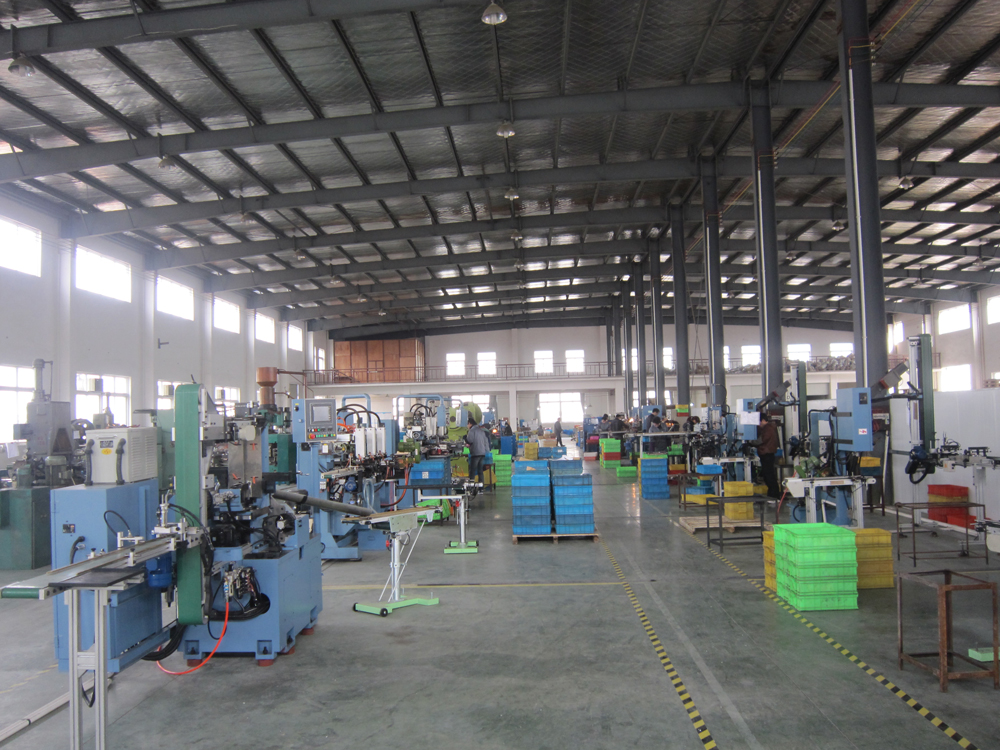
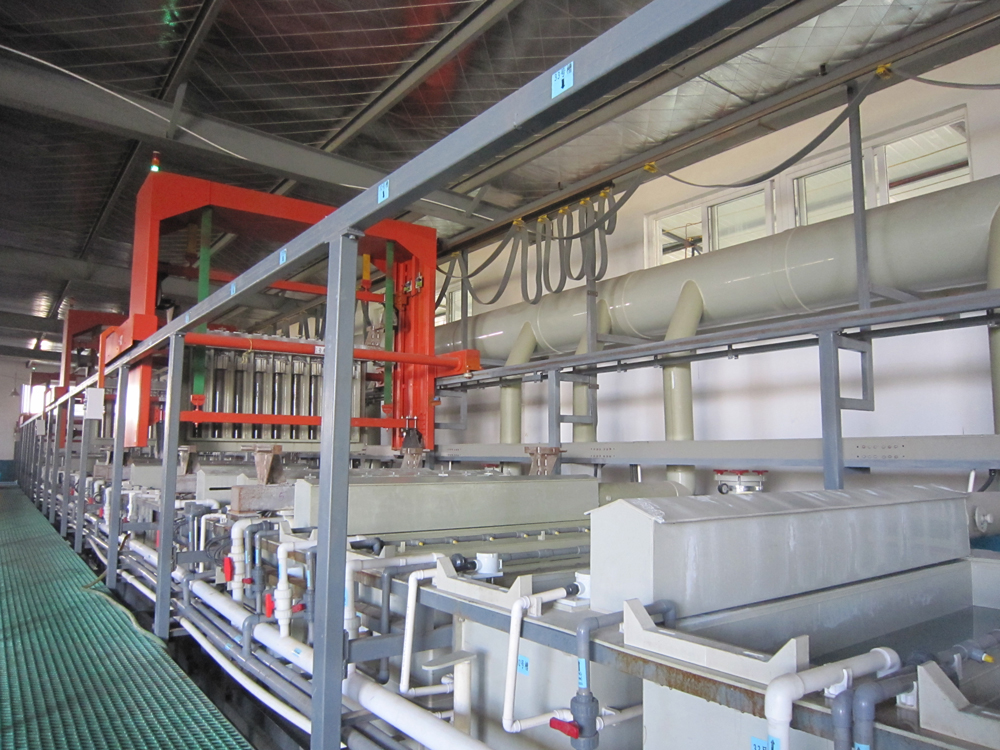
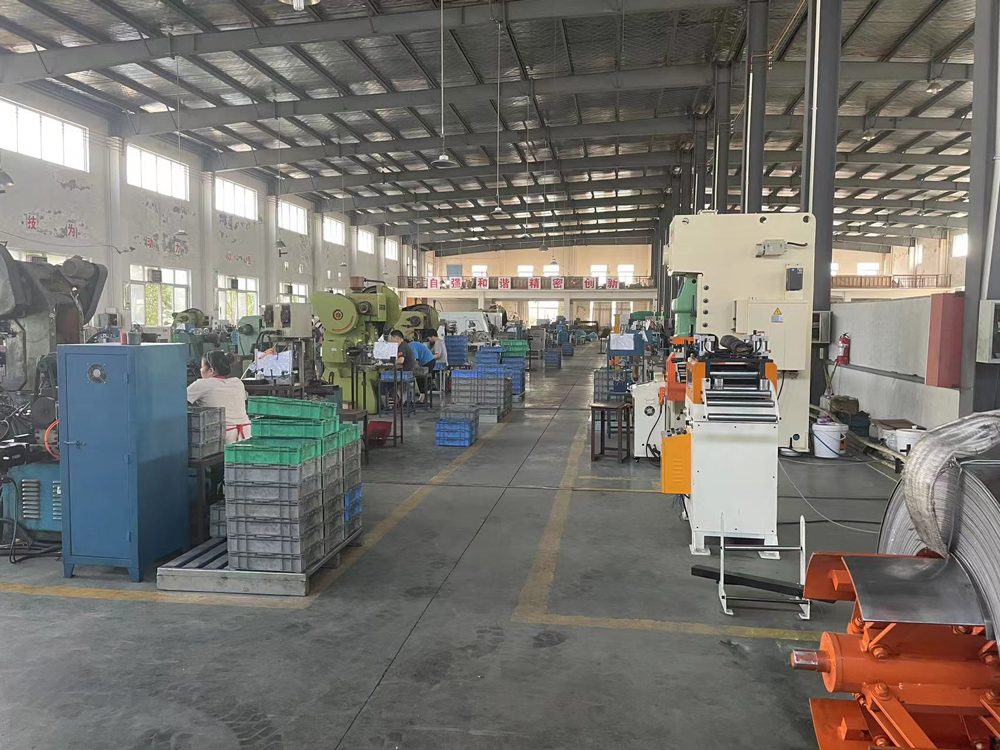
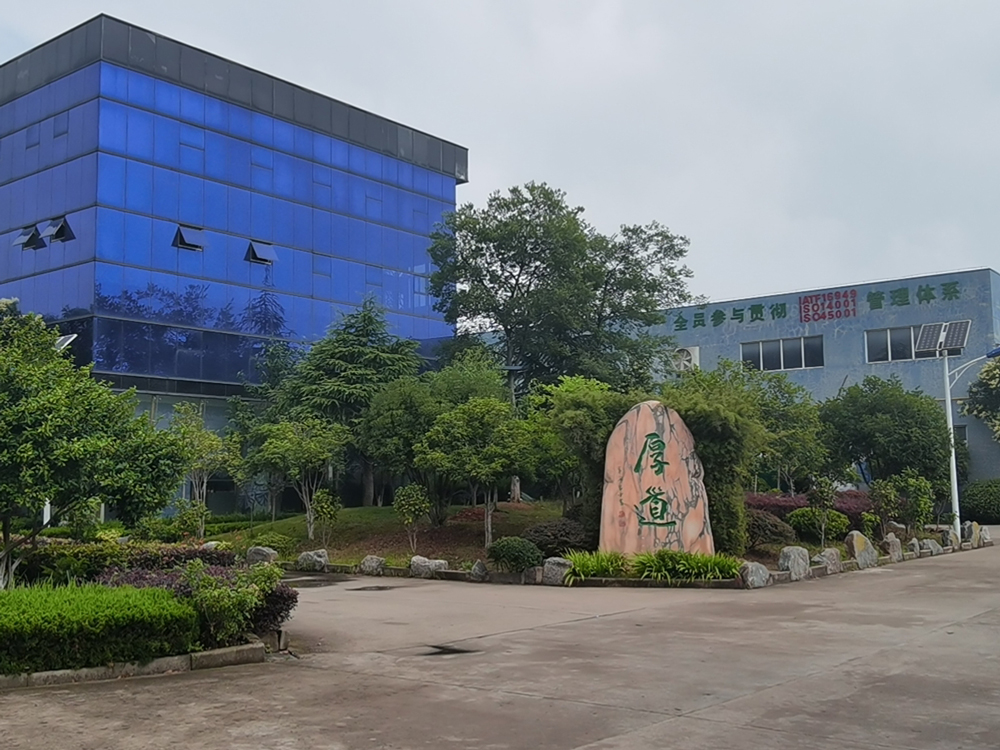
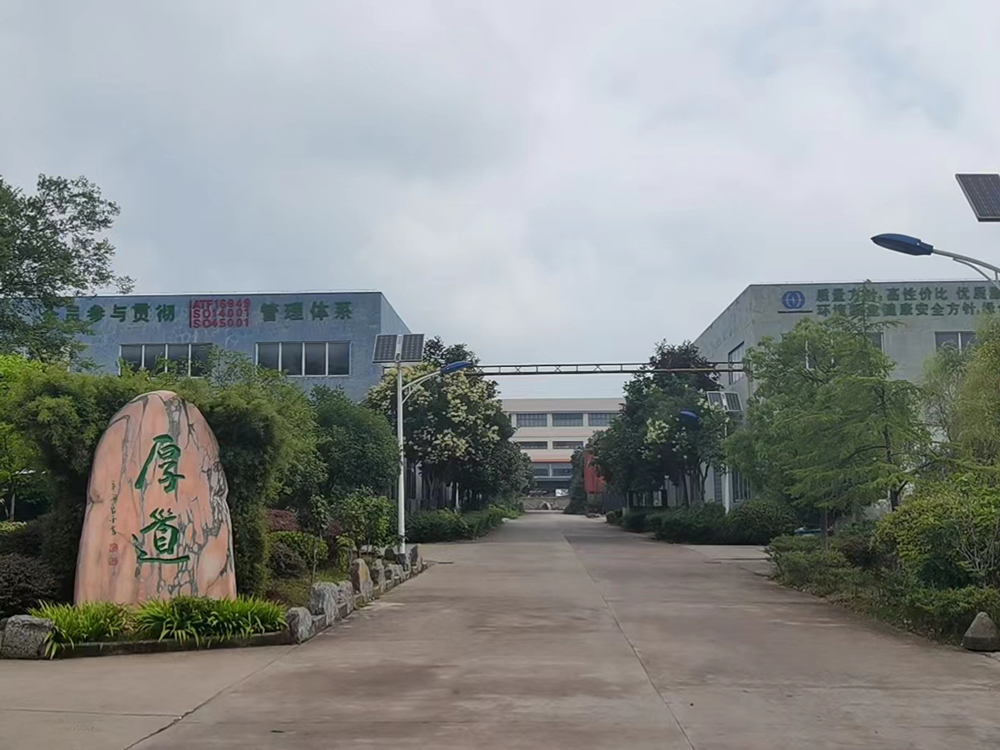
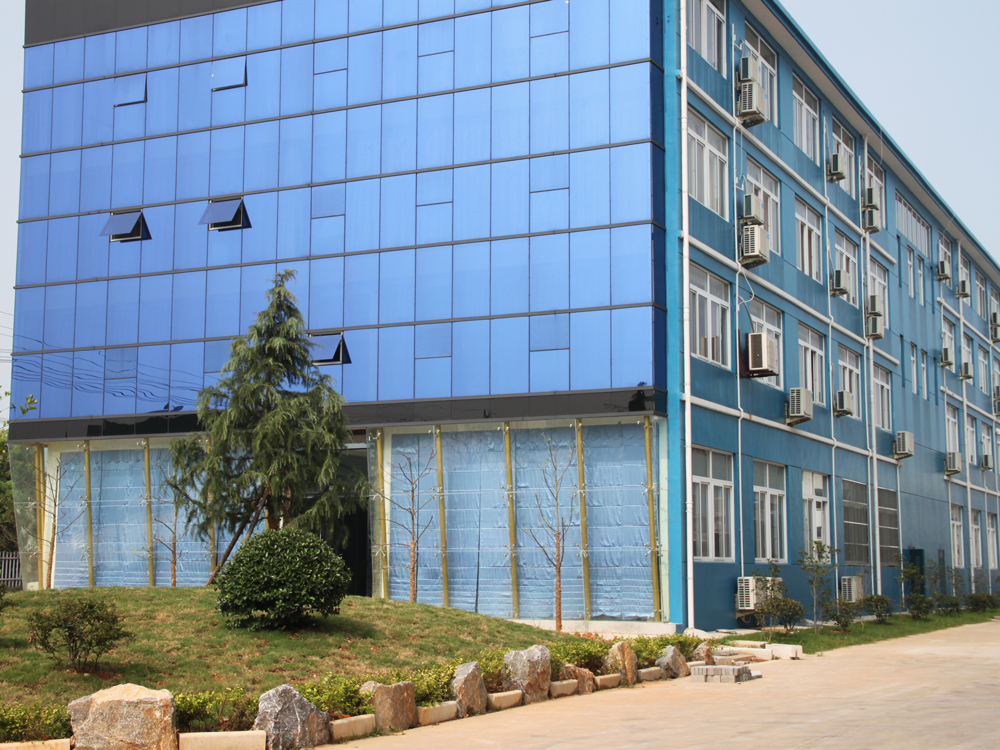
Our primary manufacturing facility in Xiangyang City, Hubei Province features an expansive 18,000 square meter workshop. Equipped with state-of-the-art casting, forging, and CNC machining systems, we ensure rigorous quality control from raw material to finished product.
Backed by 8 experienced engineers and 278 skilled workers, we specialize in high-durability GET systems, final drives, hydraulic pumps, and undercarriage components. We offer tailored design solutions to match specific geographic and geological challenges.
We supply replacement parts compatible with major global machinery brands, including Komatsu, Volvo, Sumitomo, Caterpillar, Kubota, Hitachi, John Deere, Kobelco, Hyundai, Kato, Sany, XCMG, and SUNWARD.
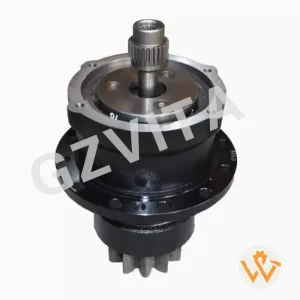
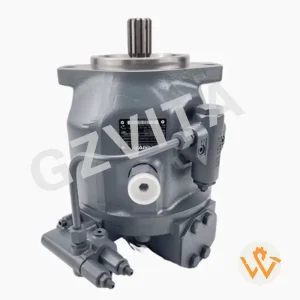
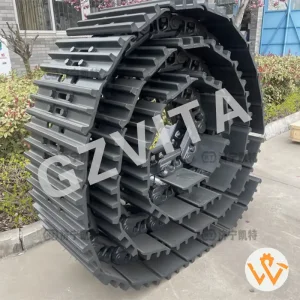
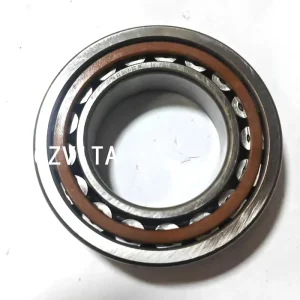
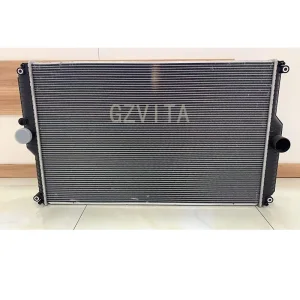
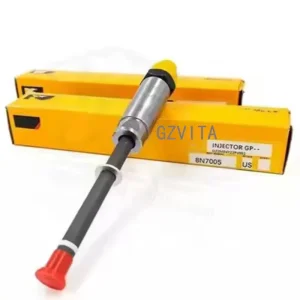
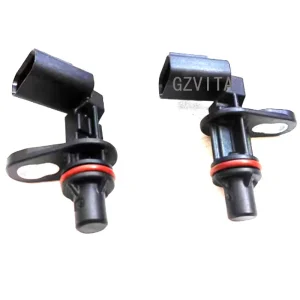
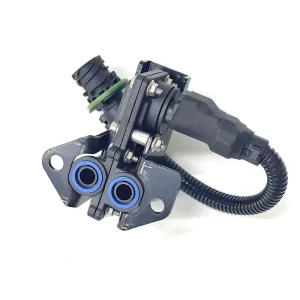
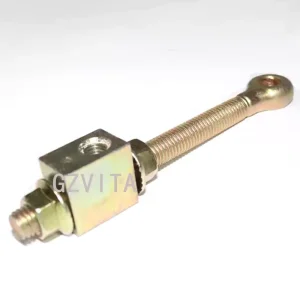
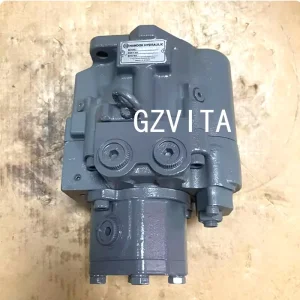
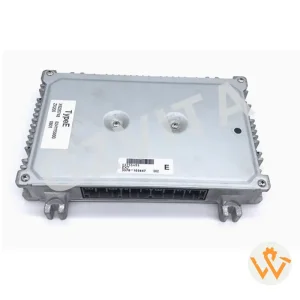
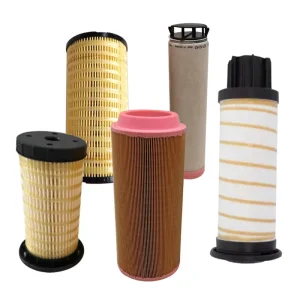
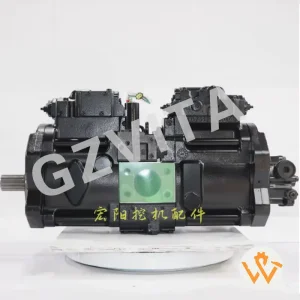
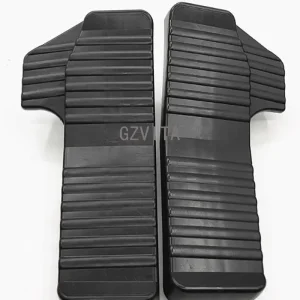
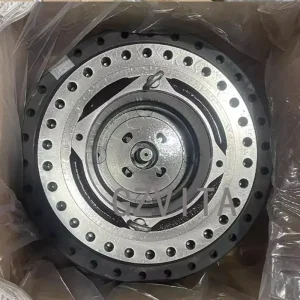
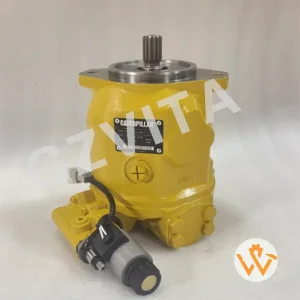
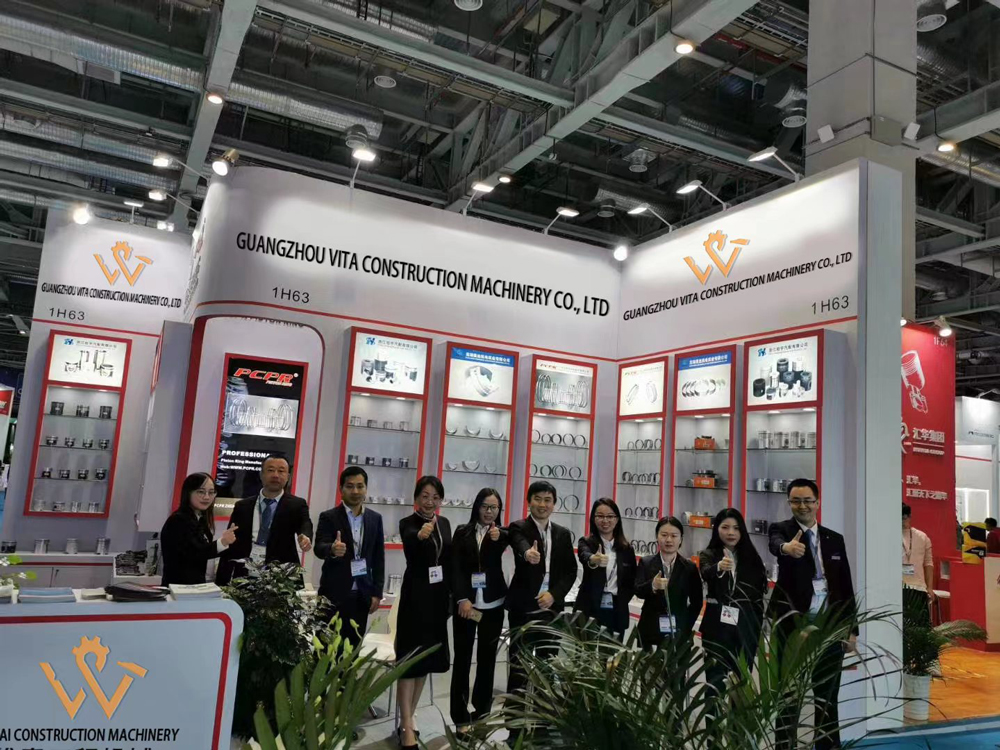
Beyond our heavy-duty wear-resistant bucket assemblies, Guangzhou Vita Construction Machinery Co., Ltd. provides a complete range of heavy machinery replacement components. Our catalog includes full engine assemblies, precision hydraulic piston pumps, high-ratio final drives, diesel generators, engine bearings (main bearings and connecting rod bearing series), forged crankshafts, intake/exhaust valves, gear pumps, cylinders, oil and air filtration systems, and robust undercarriage assemblies for both excavators and bulldozers.
By offering an integrated product catalog, we help clients simplify their supply chain. Our engineering team assists operators in diagnosing hydraulic anomalies, engine performance declines, and tracking issues, ensuring that new components interface cleanly with existing systems.
How China's leading heavy machinery clusters deliver cost efficiency and rapid prototyping without sacrificing quality.
Our primary production facility in Hubei is supported by a robust local network of raw material refiners, tool-and-die shops, and metallurgical testing laboratories. This localized ecosystem cuts transportation delays, stabilizes material costs, and secures our production schedules.
Equipped with 3D CAD modeling and Finite Element Analysis (FEA), our design office quickly translates client requests into test patterns. We easily accommodate custom width requirements, reinforced side cutters, and specific adapter angles for unique excavator applications.
By pairing Hubei's raw manufacturing scale with Guangzhou's export infrastructure, we streamline global distribution. We handle export documentation, customs clearances, and multi-modal logistics, ensuring safe and timely delivery to international job sites.
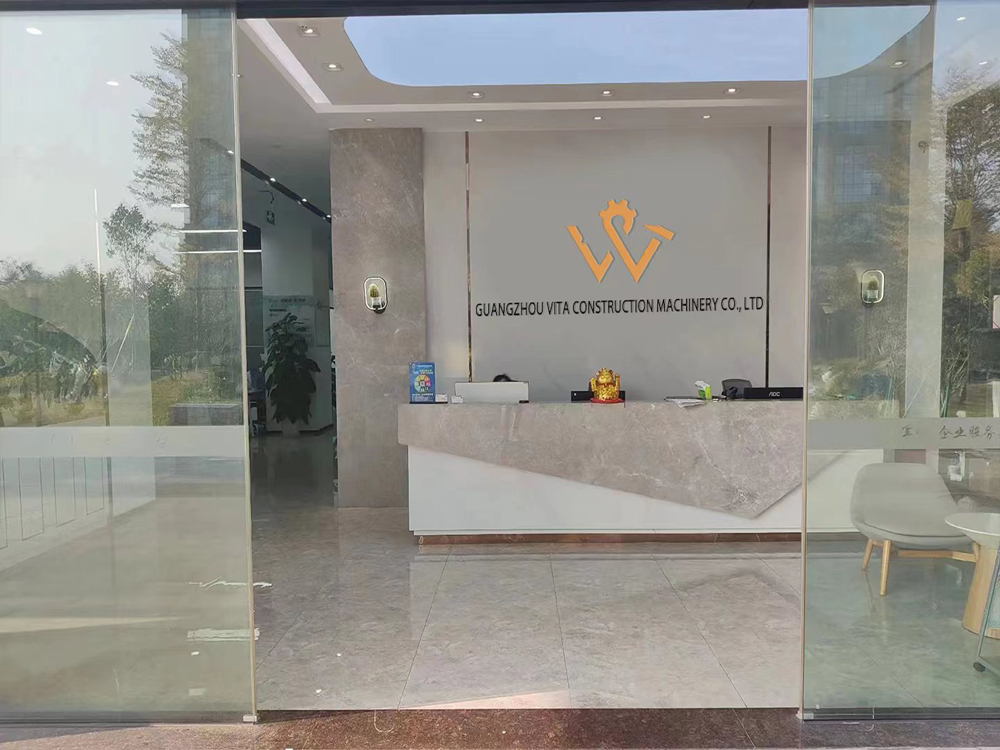
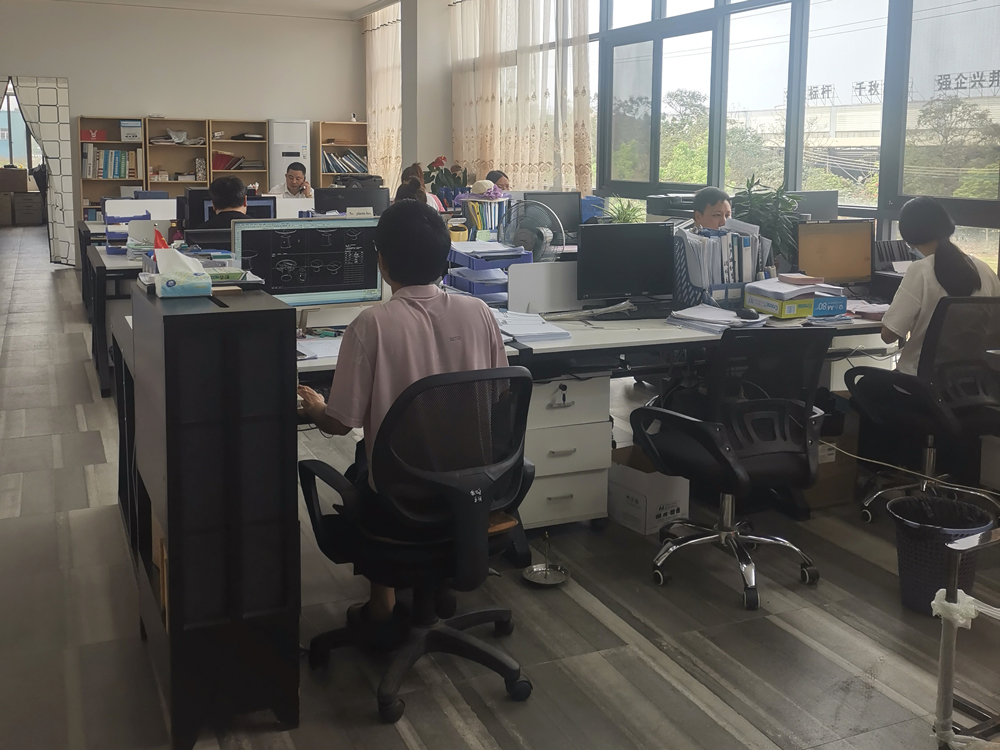
A transparent look inside our production spaces, highlighting our strict testing protocols and facility layout.
Our commitment to reliable performance is backed by structured quality control. We subject raw steel shipments to spectrometer analysis to verify elemental composition. Once cast or forged, each production run undergoes non-destructive ultrasonic testing (NDT) to identify hidden internal voids. Finally, destructive testing is performed on select samples to evaluate yield strength, impact energy, and rockwell hardness values.
Minimizing overseas operational risks through responsive technical assistance and clear warranty policies.
We ensure all replacement components conform to international quality and environmental standards. Our structural elements match CE specifications, and our raw castings follow ISO 9001:2015 frameworks.
We maintain an in-house engineering support desk to help operators with troubleshooting and installation queries. If required, we can coordinate technical service visits to assist in resolving complex mechanical challenges on-site.
Every shipment is tracked from our warehouse loading docks to destination ports. Using specialized crating techniques, we prevent moisture damage and surface corrosion during ocean freight transit.
Common questions regarding wear characteristics, material specifications, and product selection.
Heavy-duty replacement parts compatible with leading excavator models, ensuring reliable operation under high stress.
 Vita Construction