 Vita Construction
1 / 4
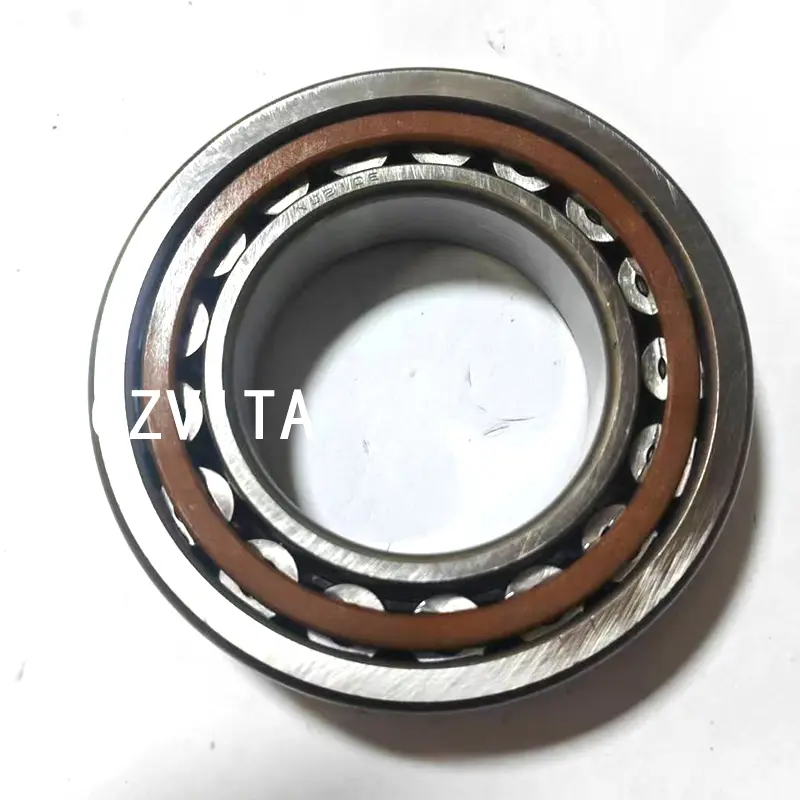
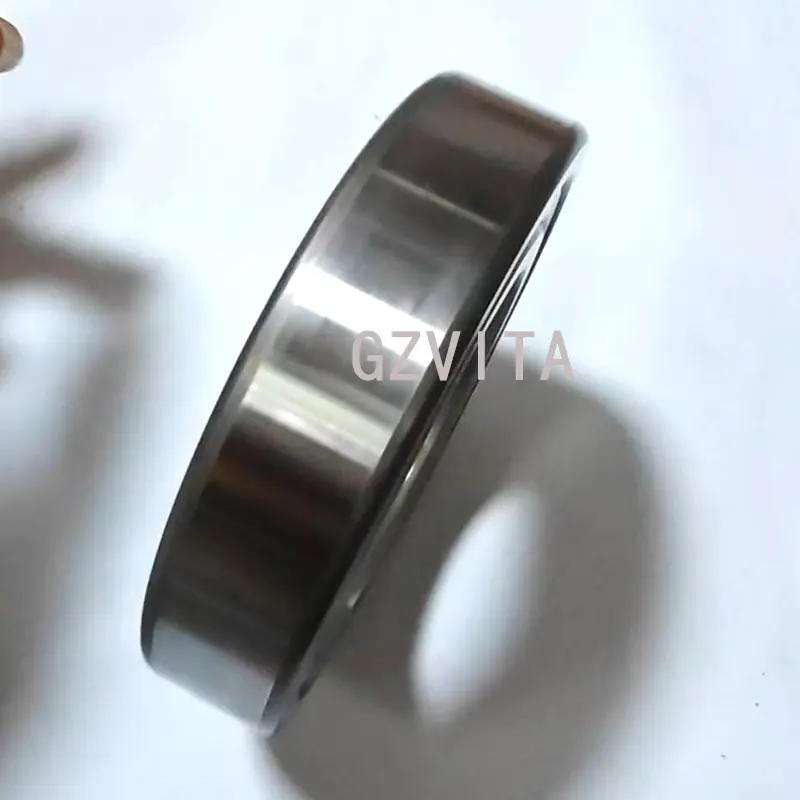
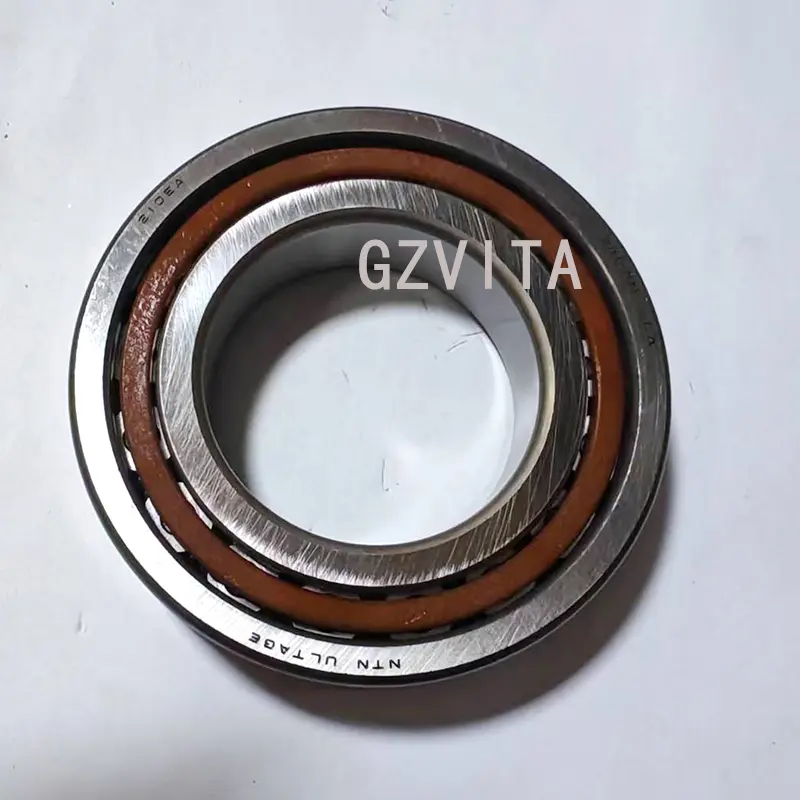
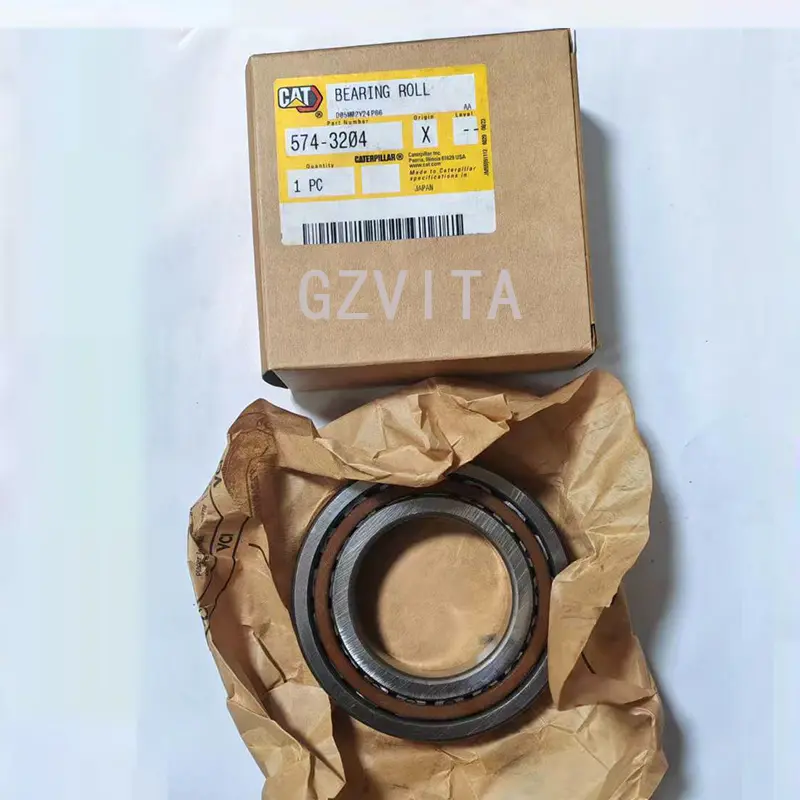
Overview: Transmission motor roller bearings are critical components in various machinery, including vehicles, industrial equipment, and heavy machinery. They facilitate smooth rotational movement and support axial and radial loads, ensuring efficient power transmission and reducing friction between moving parts.
Designed to handle high radial loads and moderate axial loads. Commonly used in applications where high-speed rotation is required.
Capable of accommodating misalignment and can handle both radial and axial loads. Often used in heavy machinery and applications with high load variations.
Designed to handle both radial and axial loads, making them suitable for applications with combined loading. Commonly used in automotive transmissions and wheel hubs.
A type of cylindrical roller bearing with a small diameter, allowing for compact designs. Ideal for applications with limited space and high load capacity.
Used in gearboxes to facilitate smooth gear shifting and power transfer.
Found in conveyor systems, pumps, and motors to support rotating shafts and reduce friction.
Used in excavators, cranes, and other heavy machinery to support various moving parts.
Proper lubrication is essential to reduce friction and wear. Regularly check and replenish lubricant levels.
Periodically inspect bearings for signs of wear, damage, or misalignment. Replace bearings as needed to prevent failure.
Monitor operating temperatures, as excessive heat can indicate lubrication issues or bearing wear.
Their main functions are to support axial and radial loads, minimize friction between moving parts, maintain proper shaft alignment, and absorb vibrations to ensure smooth mechanical operation.
Choose cylindrical roller bearings for applications requiring high-speed rotation and high radial loads. Opt for spherical roller bearings when you need to accommodate shaft misalignment and handle heavy combined loads.
Tapered roller bearings are designed to manage both radial and axial loads simultaneously, making them ideal for automotive transmissions, wheel hubs, and other combined load applications.
Needle roller bearings have small-diameter rollers, which allows them to offer a high load-carrying capacity while occupying minimal physical space in tight setups.
Regular maintenance practices include maintaining proper lubrication levels, conducting periodic inspections for wear and misalignment, and monitoring operating temperatures to detect overheating early.