 Vita Construction
1 / 5
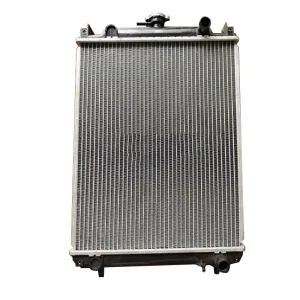
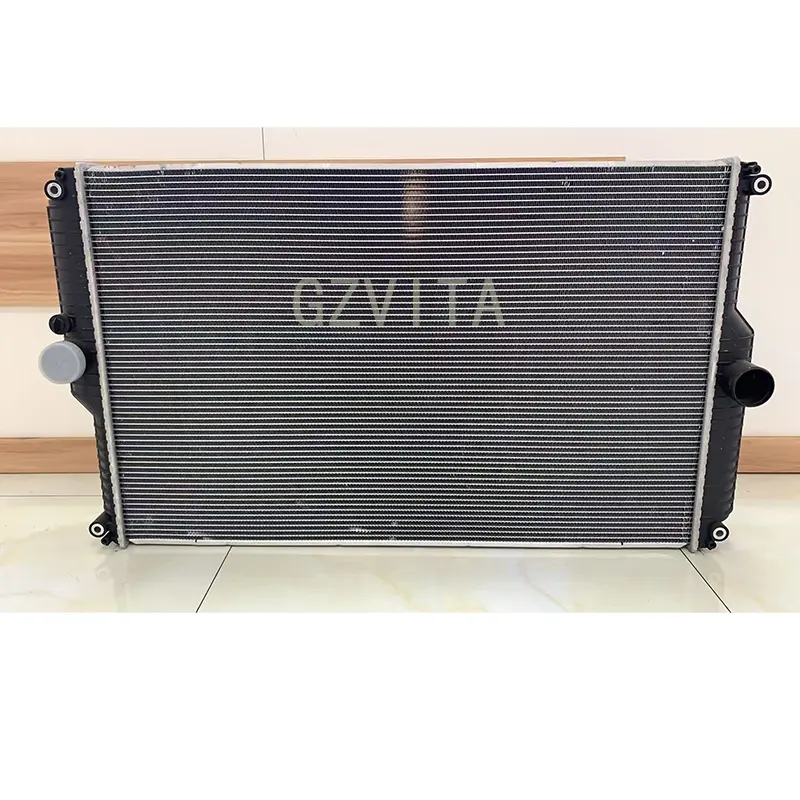
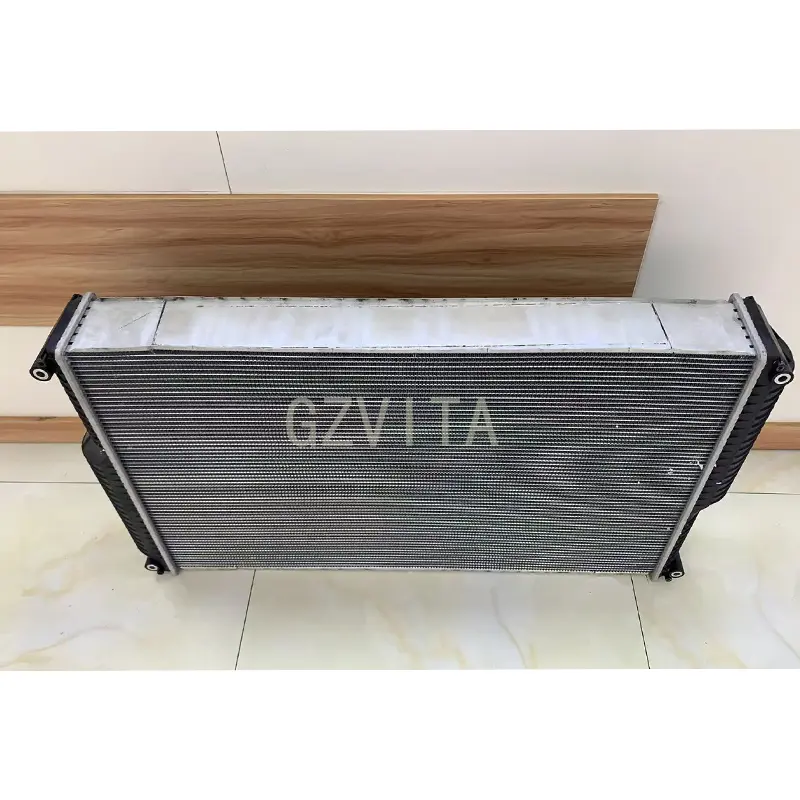
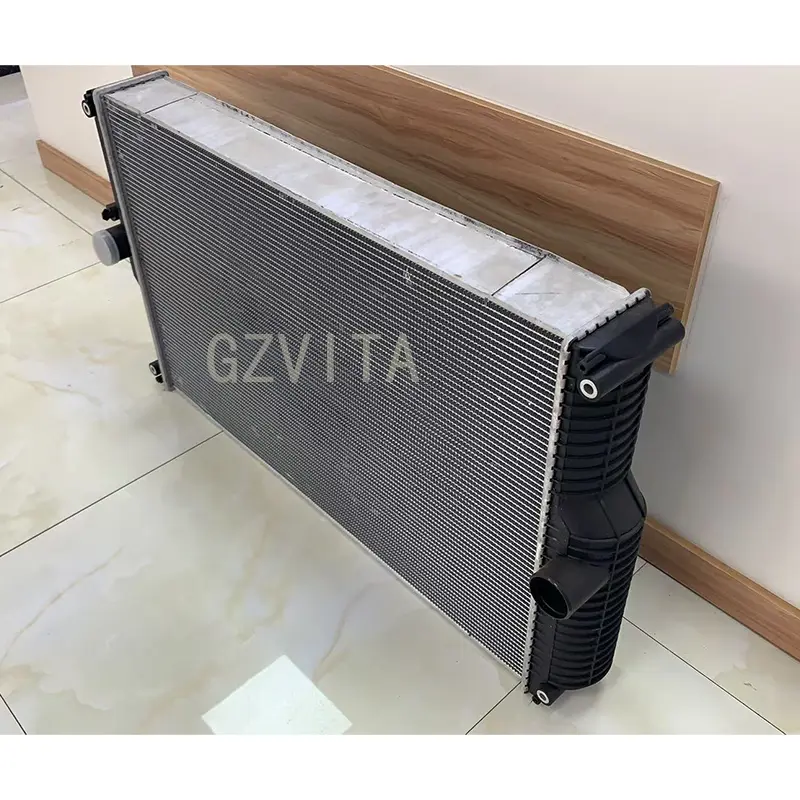
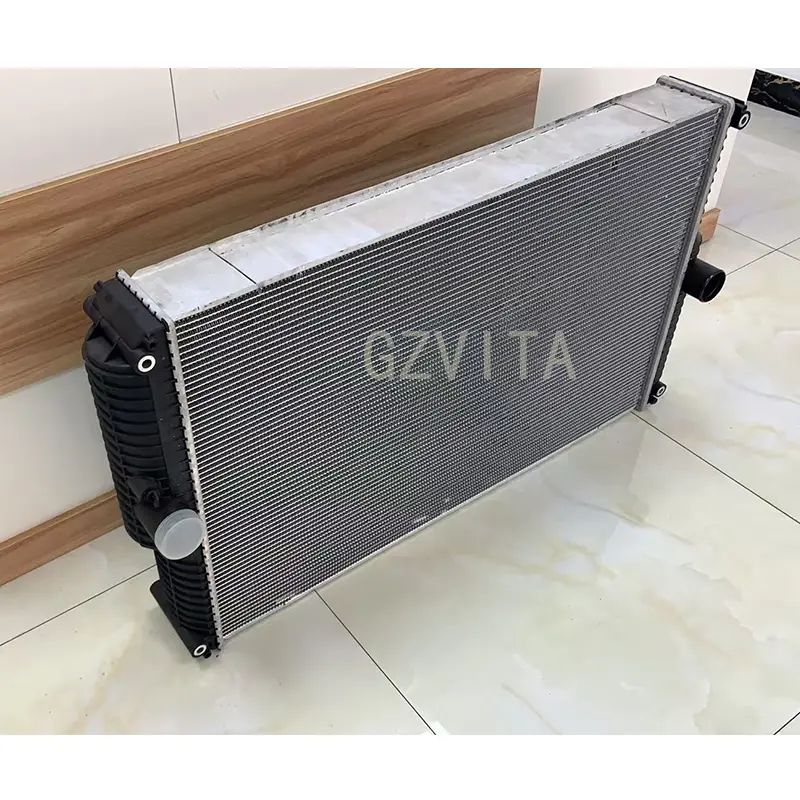
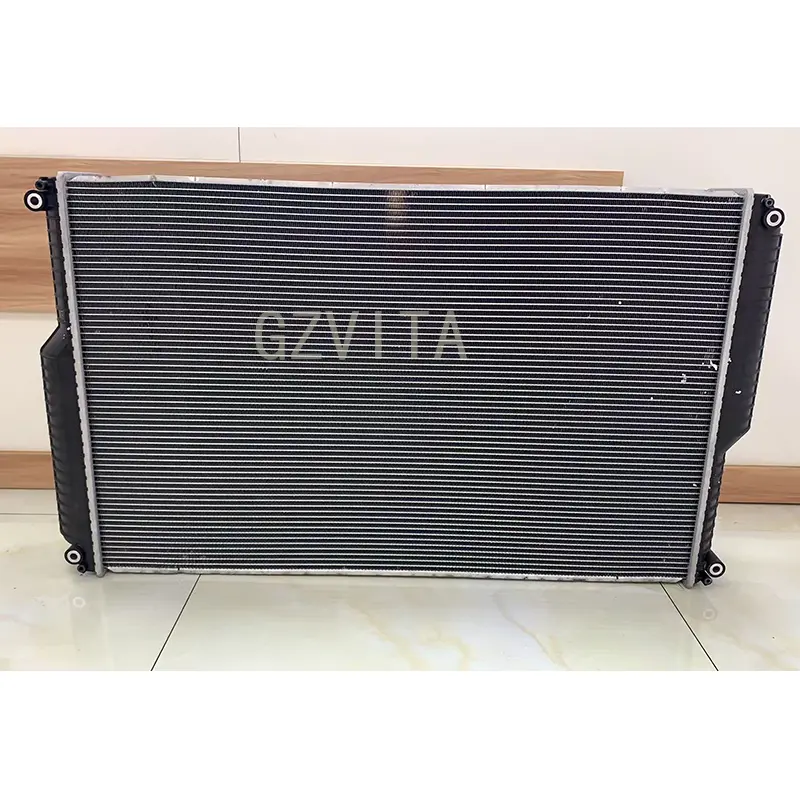
The radiator core is a vital component of the cooling system in a wheel loader, playing a crucial role in maintaining optimal engine temperatures. It is responsible for dissipating heat generated by the engine during operation, ensuring that the engine runs efficiently and preventing overheating. Understanding the function and importance of the radiator core can help operators and maintenance personnel ensure the longevity and performance of the wheel loader.
The primary function of the radiator core is to facilitate the transfer of heat from the engine coolant to the surrounding air. As the engine operates, it generates heat, which is absorbed by the coolant circulating through the engine. The heated coolant then flows into the radiator core, where it is cooled by airflow.
The design of the radiator core allows for maximum airflow through its fins and tubes. As the wheel loader moves, air is drawn through the radiator, enhancing the cooling process. Additionally, the fan may assist in drawing air through the radiator when the vehicle is stationary or moving slowly.
The radiator core is designed to maximize the surface area for heat exchange, which improves cooling efficiency. The more effective the radiator core is at dissipating heat, the better the engine can maintain its optimal operating temperature.
The core consists of a series of tubes through which the hot coolant flows. These tubes are typically made of aluminum or copper, materials known for their excellent thermal conductivity.
Attached to the tubes are thin metal fins that increase the surface area for heat dissipation. The fins help transfer heat from the coolant to the air more effectively.
The radiator core is usually connected to end tanks that hold the coolant. These tanks are designed to direct the flow of coolant into and out of the core.
The radiator cap maintains pressure within the cooling system, allowing the coolant to reach higher temperatures without boiling. It also provides a seal to prevent coolant loss.
A properly functioning radiator core is essential for preventing engine overheating, which can lead to severe damage and costly repairs. Maintaining optimal engine temperatures ensures reliability and longevity.
An engine that operates at the correct temperature runs more efficiently, which can lead to improved fuel economy. Overheating can cause the engine to work harder, increasing fuel consumption.
Maintaining the engine at the right temperature helps in achieving better combustion, which can reduce harmful emissions. This is increasingly important due to stringent environmental regulations.
A well-functioning cooling system, including the radiator core, allows the wheel loader to perform at its best, especially during heavy-duty operations. It ensures that the machine can handle demanding tasks without overheating.
The main function of the radiator core is heat exchange. It transfers the heat absorbed by the engine coolant from the running engine to the surrounding air, helping keep the engine at a safe operating temperature.
The tubes are typically constructed from aluminum or copper. These materials are chosen because they possess high thermal conductivity, which allows them to transfer heat quickly and efficiently.
Fins are thin metal sheets attached to the tubes that increase the overall surface area of the radiator core. This larger surface area allows more air to interact with the core, resulting in faster and more effective heat dissipation.
When the radiator core functions correctly, the engine operates within its optimal temperature range. If the engine overheats, it has to work harder to perform, which significantly increases fuel consumption.
The radiator cap seals the system and maintains pressure. This pressure raises the boiling point of the coolant, preventing it from boiling over at high operational temperatures, and prevents coolant loss.
By keeping the engine at its optimal operating temperature, the radiator core helps the engine achieve more complete combustion. Better combustion efficiency reduces the amount of harmful emissions released by the machine.