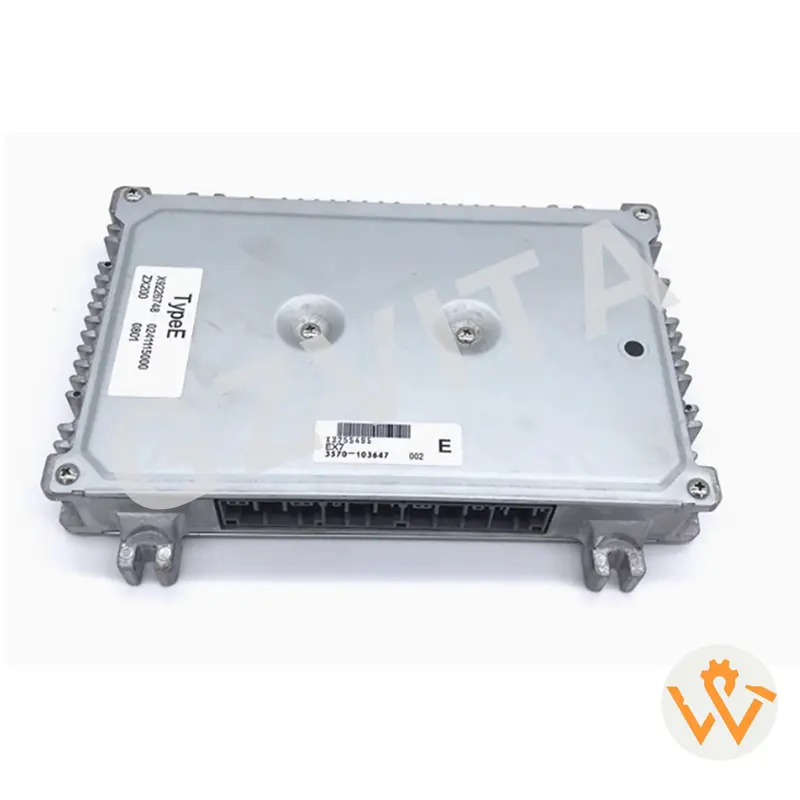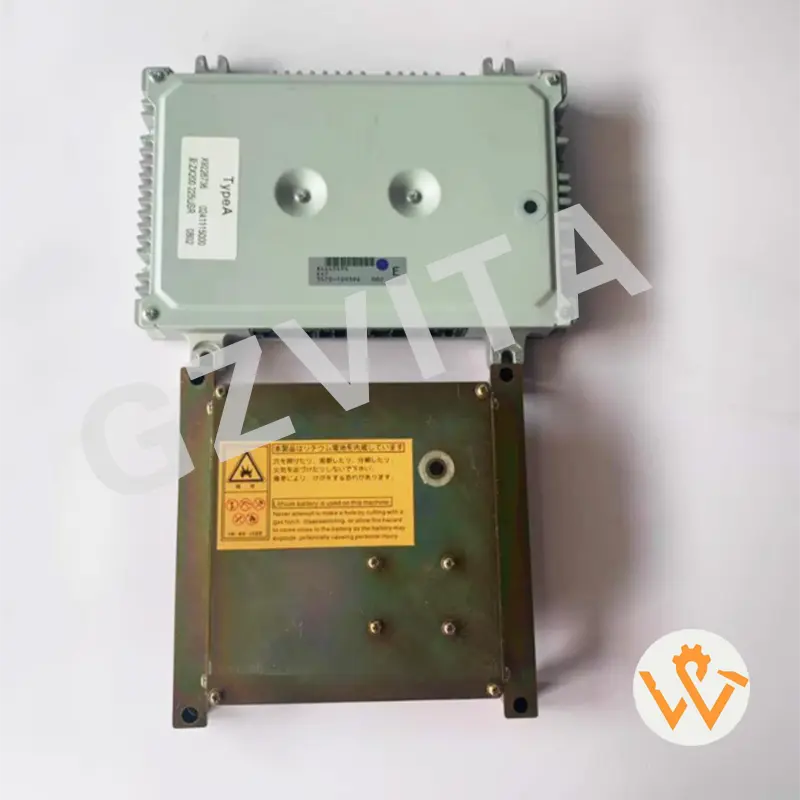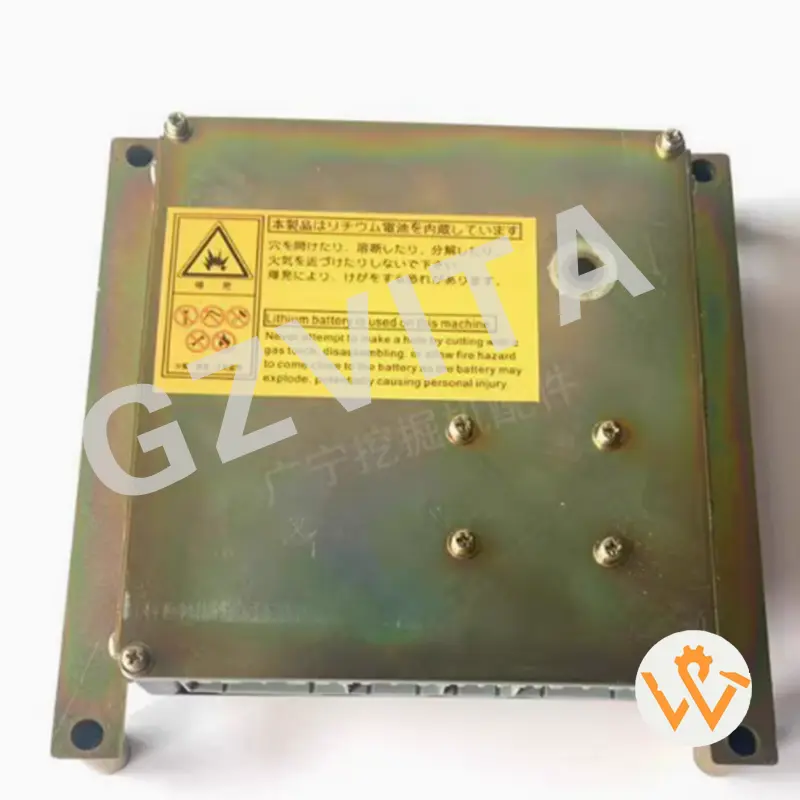
High-Quality ZX200 ZX225USR ZX240-3G ZAX230 ZAX240 ECU Computer Board 3570-103647 9322519 4445494 9226752 Suppliers, Factories

E01 - Engine overspeed (RPM exceeds maximum limit).

E02 - Engine underspeed (RPM below minimum threshold).

E03 - Engine speed sensor malfunction (signal abnormal).

E04 - ECU communication error (communication with engine module lost).

E05 - ECU internal error (processor or memory fault).

E11 - Fuel rail pressure sensor fault (signal out of range).

E12 - Common rail pressure abnormal (too high or too low).

E13 - Injector circuit error (open or short circuit detected).

E14 - Fuel temperature sensor malfunction.

E15 - Intake air temperature sensor fault.

E16 - Coolant temperature sensor error.

E17 - Atmospheric pressure sensor fault.

E18 - Boost pressure sensor error (turbocharger related).

E21 - Camshaft position sensor malfunction.

E22 - Crankshaft position sensor malfunction.

E23 - Timing miscalculation error (cam/crank correlation).

E24 - Glow plug relay control circuit error.

E25 - Fan clutch control circuit fault.

E31 - Battery voltage abnormal (too high or too low).

E32 - Charging system malfunction (alternator fault).

E33 - Power supply circuit error (to ECU or sensors).

E41 - Throttle position sensor fault.

E42 - Accelerator pedal sensor malfunction.

E43 - Throttle actuator (motor) drive error.

E44 - Throttle control system mismatch.

E51 - CAN bus communication failure (network error).

E52 - Display unit communication error.

E53 - Pump controller communication loss.

E54 - Valve controller communication loss.

E55 - Sensor power supply voltage fault (5V reference).

Product Description

Introduction to Control GP for CAT Tractor

The Control GP (Control Group) in CAT (Caterpillar) tractors is a vital component of the machine's hydraulic and control systems. It plays a crucial role in managing various functions and ensuring optimal performance during operation. Here's an overview of its functions, importance, and applications:

1. Functionality

Hydraulic Control

The Control GP is responsible for regulating the flow and pressure of hydraulic fluid within the tractor's hydraulic system. This control is essential for operating hydraulic implements, such as loaders, backhoes, and other attachments.

Multi-Function Operation

It allows for the simultaneous operation of multiple hydraulic functions, enabling operators to perform complex tasks efficiently. For example, an operator can lift, tilt, and rotate an attachment all at once.

Feedback Mechanism

The Control GP often includes sensors and feedback mechanisms that provide real-time data to the operator and the tractor's control system, ensuring precise control over hydraulic functions.

2. Importance

Enhanced Performance

By optimizing hydraulic flow and pressure, the Control GP enhances the overall performance of the tractor, allowing for smoother operation and improved responsiveness.

Versatility

The Control GP enables the tractor to adapt to various tasks and attachments, making it a versatile tool for different agricultural and construction applications.

Safety Features

Many Control GPs are designed with safety features that prevent overloading and ensure that hydraulic systems operate within safe limits, protecting both the operator and the equipment.

3. Applications

Agricultural Operations

In farming, the Control GP is used to operate various implements, such as plows, seeders, and harvesters, allowing for efficient land preparation and crop management.

Construction and Earthmoving

In construction, the Control GP is essential for operating excavators, bulldozers, and other heavy machinery, facilitating tasks such as digging, grading, and material handling.

Material Handling

The Control GP is also used in material handling applications, where precise control over hydraulic functions is necessary for lifting and moving heavy loads.

4. Maintenance and Considerations

Regular Maintenance

To ensure optimal performance, the Control GP should be regularly inspected and maintained. This includes checking for leaks, ensuring proper fluid levels, and verifying the functionality of hydraulic components.

Calibration

Proper calibration of the Control GP is essential for accurate operation and to prevent potential issues during use.
Frequently Asked Questions (FAQ)
What is the primary role of the Control GP in a CAT tractor?
The Control GP manages and regulates the flow and pressure of hydraulic fluid within the tractor's hydraulic system, which is crucial for operating various attachments and implements.
How does multi-function operation benefit the operator?
It allows the simultaneous use of multiple hydraulic functions, enabling the operator to perform complex tasks like lifting, tilting, and rotating attachments at the same time for higher efficiency.
What safety features does the Control GP offer?
Many Control GPs feature built-in systems to prevent hydraulic system overloading, ensuring that operations remain within safe performance limits to protect both the operator and the machinery.
In which industries is the Control GP most commonly applied?
It is widely used in agricultural operations (for plows, seeders, and harvesters), construction and earthmoving (for excavators and bulldozers), and heavy material handling applications.
How do you maintain a CAT tractor Control GP?
Regular maintenance involves checking for fluid leaks, maintaining proper hydraulic fluid levels, inspecting components for wear, and performing routine calibrations.

Related Products