In global utility, municipal engineering, and heavy construction sectors, the 8-ton (80-class) mini excavator serves as the primary workhorse. Achieving peak structural performance and minimizing the Total Cost of Ownership (TCO) for these fleets requires attachments that go beyond generic specifications. Guangzhou Vita Construction Machinery Co., Ltd. delivers engineered solutions specifically tailored to the unique kinematic forces and structural demands of 8-ton excavators.
Our buckets are designed using Finite Element Analysis (FEA) to align with the specific breakout force envelopes of leading 8-ton excavators. This ensures the bucket's torsional rigidity matches the boom arm's cylinder thrust, minimizing stress concentration at the weld joints and protecting the excavator's hydraulic systems from unnecessary strain.
An excavator bucket is only as good as the steel from which it is forged. Our standard heavy-duty and rock buckets utilize premium Chinese structural steels alongside international alternatives to provide an optimal balance between wear resistance and structural ductility:
By strategically utilizing high-hardness alloys on high-wear surfaces and high-tensile structural steel on load-bearing components, we reduce the total weight of the bucket. This structural optimization maximizes payload capacity without exceeding the machine's tipping weight guidelines.
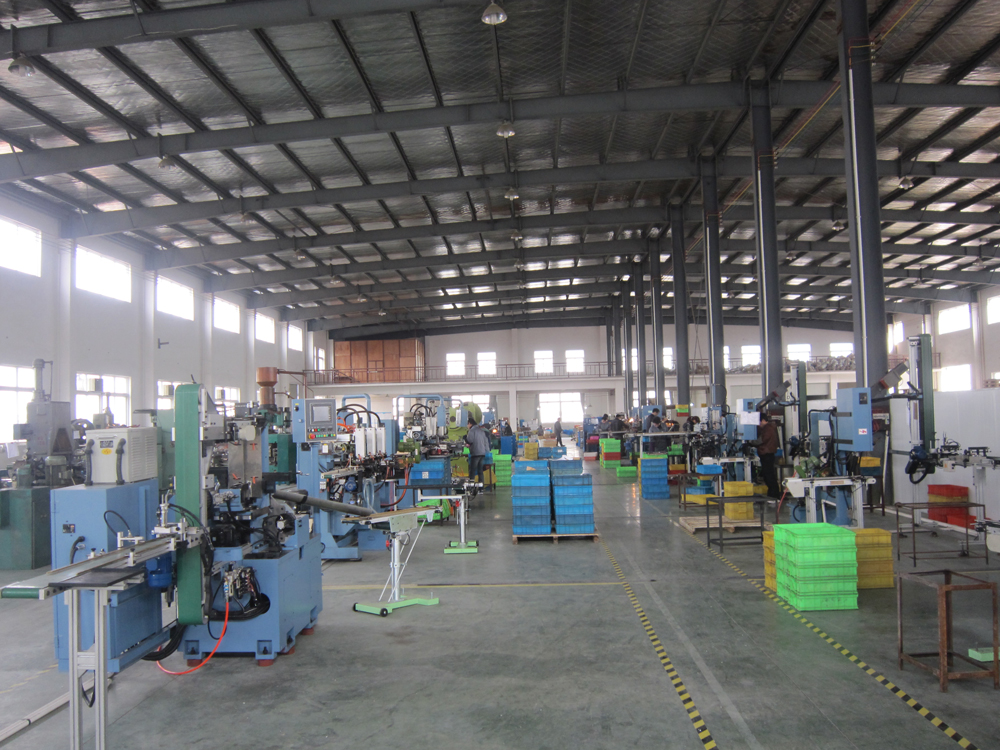
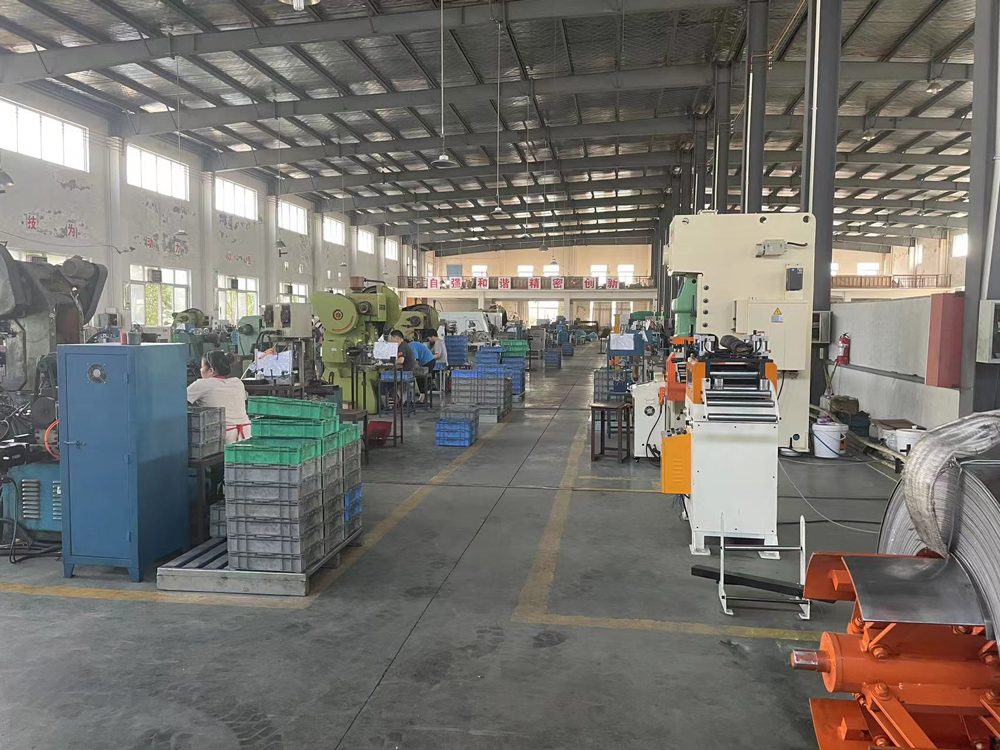
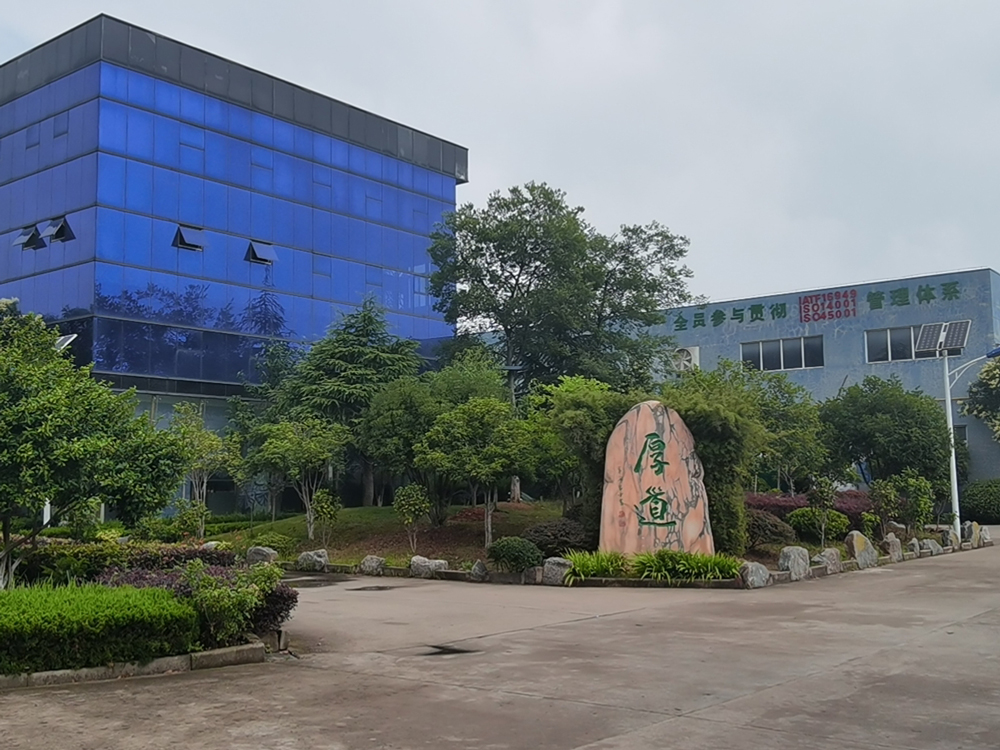
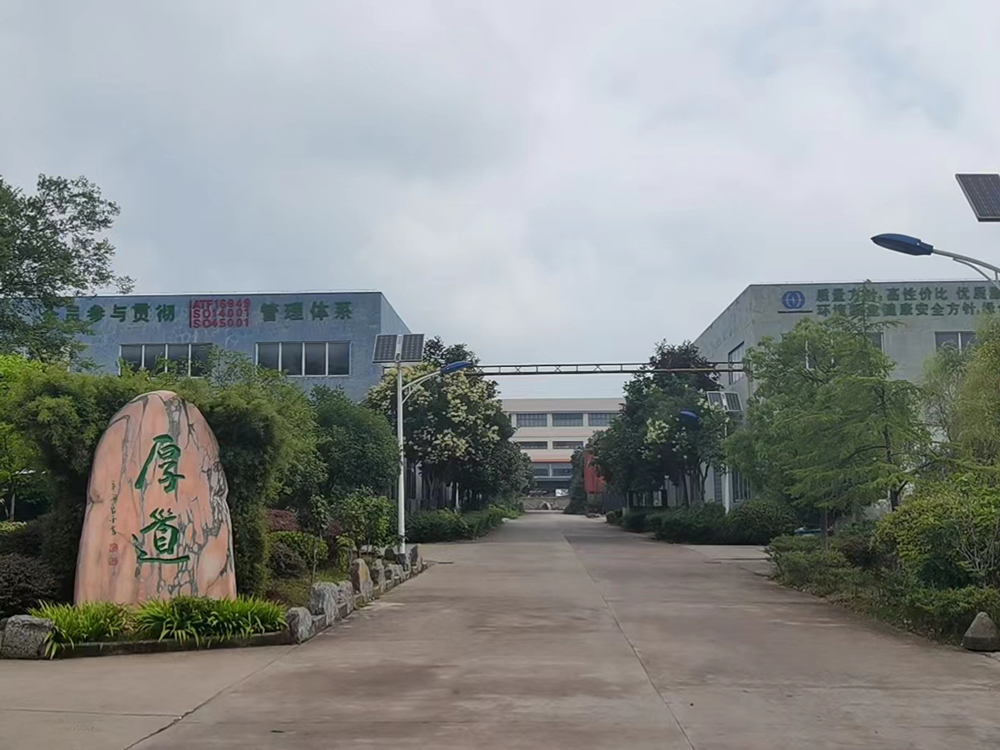
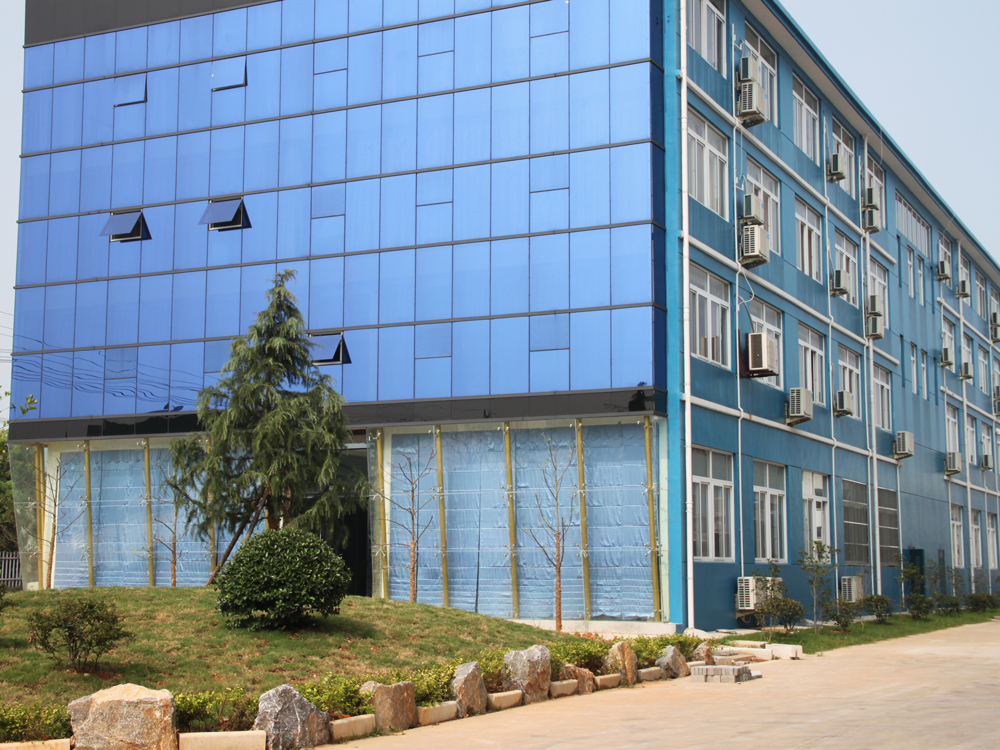
Our primary manufacturing plant in Xiangyang, Hubei Province features advanced robotic MIG/MAG welding lines, CNC plasma cutting tables, and heavy-duty plate rolling machines to ensure consistent fabrication quality.
Every bucket undergoes dimensional verification, ultrasonic weld testing, and stress relief processes. This ensures they stand up to the high breakout forces generated by modern 8-ton excavators.
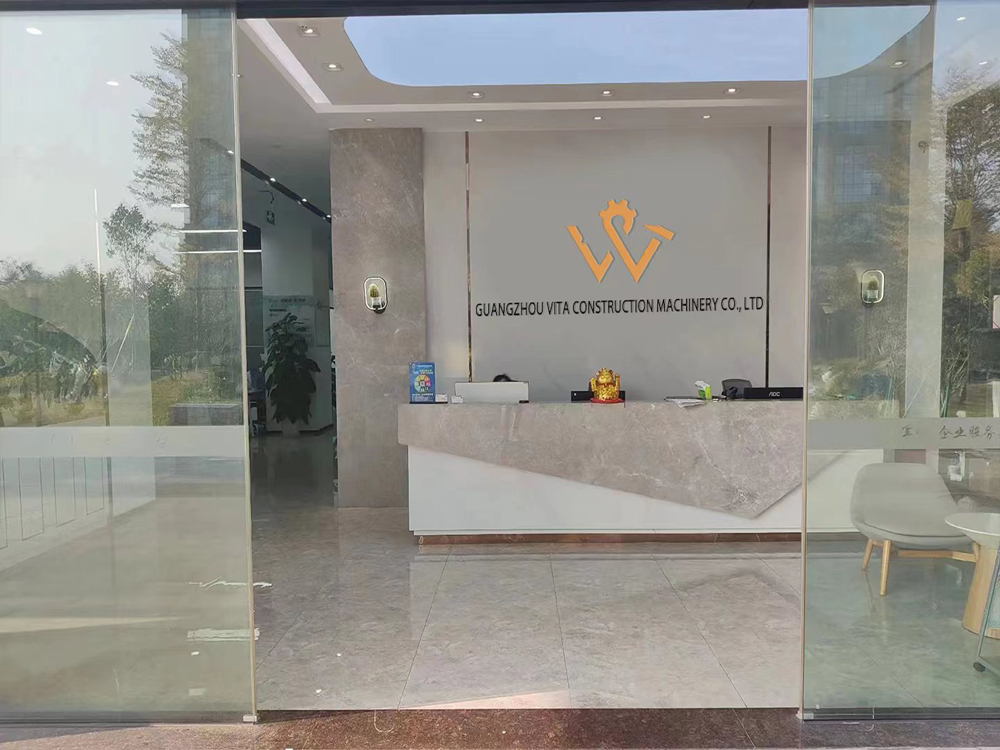
Headquartered in Guangzhou, our export team coordinates customs, inland freight, and international shipping. We deliver directly to distributors, dealers, and fleet managers worldwide.
The primary failure point of aftermarket attachments is in the heat-affected zone (HAZ) adjacent to the weld seams. To prevent cracking under structural stress, Guangzhou Vita employs pre-heating protocols before welding high-thickness steel sheets. Our certified weld technicians utilize a blend of Argon/CO2 gas shielded arc welding to reduce weld porosity and improve deposit metal properties. Furthermore, critical stress concentration areas are hand-ground to transition smoothly to the parent metal, reducing the potential for structural fatigue.
An 8-ton excavator operates in diverse environments, each requiring tailored bucket geometries and localized compliance setups. Choosing the right design configurations ensures optimal productivity across various regions:
Often paired with standard thumbs and hydraulic quick couplers. These applications typically demand heavy-duty trenching buckets with Esco-style or CAT-style J-Series teeth, alongside wide grading buckets for clean finish work.
Frequently requires tilt-rotator compatibility (e.g., Steelwrist, Engcon). Structural designs must meet strict CE certification and safety requirements, often utilizing bolt-on cutting edges instead of welded teeth to prevent damage to buried utilities.
Requires heavy-duty, abrasion-resistant buckets designed to handle hard clay and rocky soil. These setups feature comprehensive wear protection, including heel shrouds and side-cutter wear plates.
Our design database contains exact hanger geometries for all major excavator brands, ensuring a precise fit with your existing fleet's quick coupler or direct-pin setups:
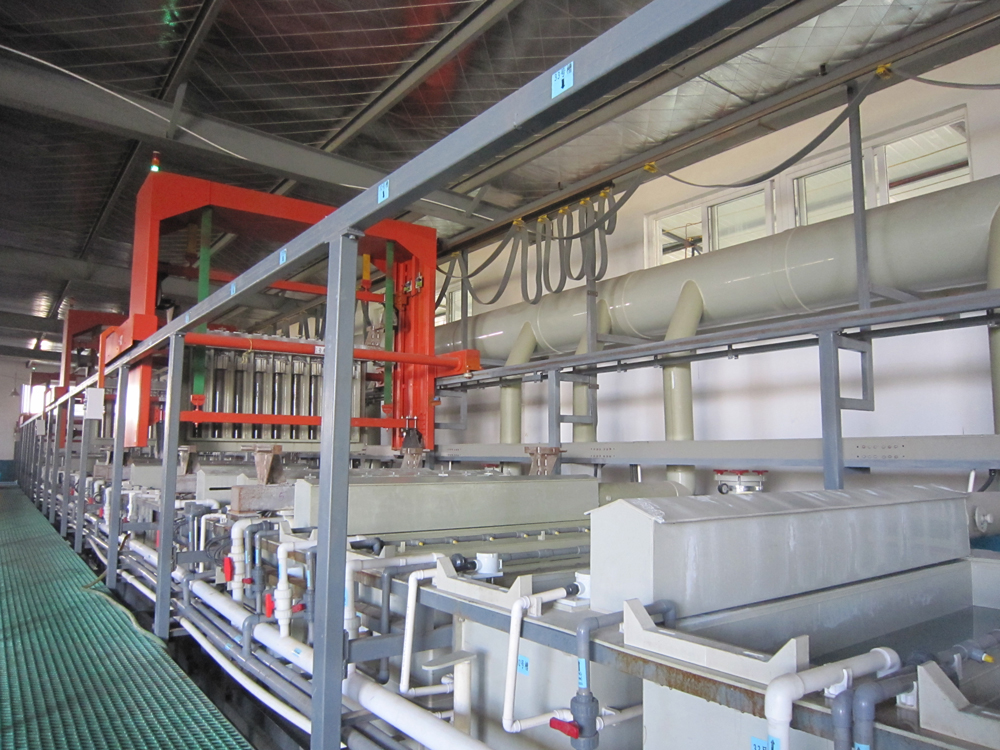
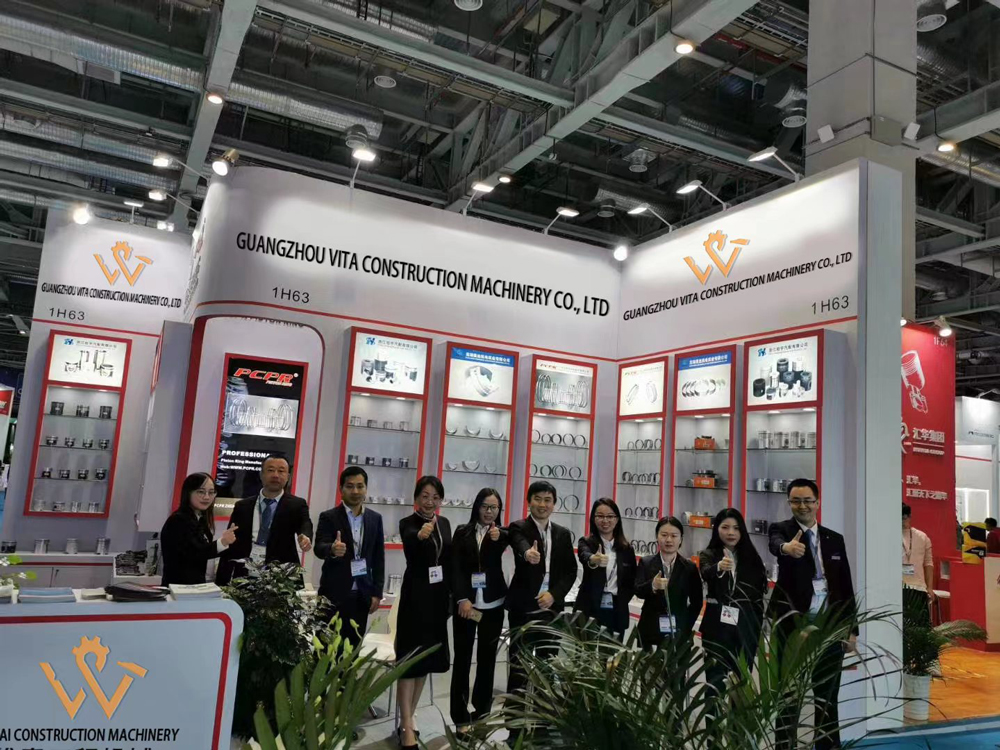
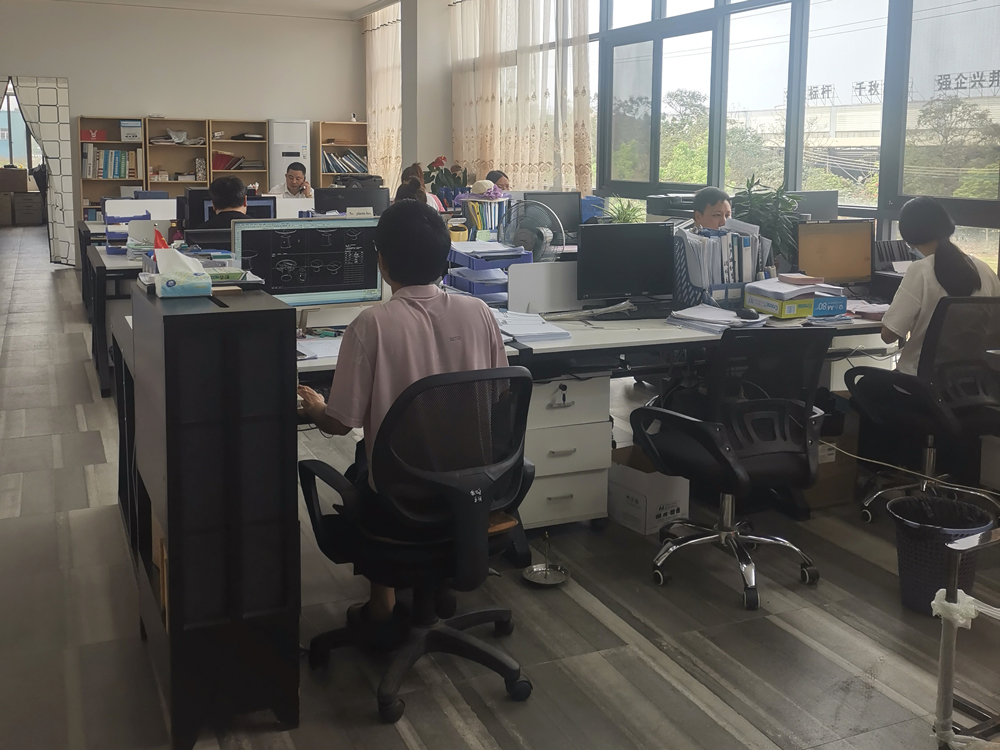
Tour our Hubei factory and广州 administrative hub, where advanced machinery meets master fabrication.
The mini excavator attachment sector is evolving rapidly, driven by technological advancements and the changing requirements of modern construction sites. We monitor these trends closely to ensure our manufacturing lines deliver next-generation performance:
As electric 8-ton mini excavators become more common in zero-emission municipal projects, energy conservation is key. Standard diesel-powered machines have power reserves that can offset poorly designed attachments, but electric models require optimal efficiency. Our low-drag, dual-radius bucket profiles minimize ground resistance, reducing the energy needed per cycle and helping to extend battery life.
Modern job sites rely heavily on 2D and 3D grading systems. Excavator attachments must be built to precise tolerances to align with tilt-rotator sensors and GPS systems. Guangzhou Vita ensures that every bucket's dimensions are carefully controlled during manufacturing, allowing for quick calibration and accurate grade readings.
Down-time costs money on construction projects. The industry is moving away from traditional pin-on teeth toward hammerless, wedge-locking tooth systems that allow operators to swap teeth quickly on-site. We offer customizable adapter configurations, allowing fleet owners to standardize their tooth replacement systems and simplify inventory management.
The choice depends on the ground conditions and structural demands of your application. Standard buckets are designed for low-abrasion soils and typical dirt-moving projects, offering maximum capacity and lower weight. Heavy-duty buckets are built with thicker side plates, bottom wear strips, and hard-facing, making them ideal for rocky soils, demolition debris, and dense clay.
Typically, bucket capacities for 8-ton excavators range from 0.18 m³ (6.35 ft³) to 0.35 m³ (12.36 ft³), depending on the bucket width (usually between 18 inches and 36 inches). Heavy-duty or rock configurations may have slightly less volume capacity due to the added weight and thickness of the wear plates.
We collect the coupler's specific pin diameters, center-to-center distances, and ear width specifications. Our engineering team designs the hookups in CAD and runs them through FEA stress checks before starting production, ensuring a drop-in fit with systems like Wedgelock, Pin Grabber, S-Type, or tilt-rotators.
Our manufacturing processes follow ISO 9001:2015 standards. Weld structures are subject to visual inspects, ultrasonic testing, and weld thickness audits. Pin holes are line-bored after welding to ensure precise alignment and prevent early wear on the excavator pins.
 Vita Construction