Understanding the critical failure points in high-demand cooling loops
A collapsed radiator hose is more than just a minor mechanical inconvenience; it is a symptom of severe pressure imbalances and material fatigue within heavy-duty engine cooling systems. Typically affecting the lower (suction side) radiator hose, this phenomenon occurs when the pressure inside the hose falls significantly below atmospheric pressure, causing the hose wall to cave inward. This restricts coolant circulation, leading to localized thermal spikes, engine overheating, and catastrophic component failure.
Two primary mechanisms drive radiator hose collapse:
For industrial operators, procuring radiator hoses is not simply about dimensions. It requires deep engineering expertise to select materials with appropriate vacuum ratings, wall-thickness tolerances, and reinforcement matrices capable of operating from -40°C to 150°C under continuous vacuum cycles.
| Failure Mechanism | Primary Cause | Engineering Mitigation |
|---|---|---|
| Thermal Vacuum | Cap Valve Malfunction | System Pressure Tuning & Resilient Elastomers |
| Suction Collapse | High Flow Rate & Weak Walls | Stainless Steel Spiral Inserts / Aramid Braiding |
| Electrochemical Degradation | Stray Electrical Currents | ECD-Resistant Synthetic Rubber Compounds |
Bridging the gap between heavy machinery requirements and global component manufacturing
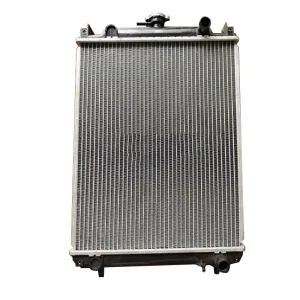
Across construction, mining, agricultural, and logistics fleets, downtime is the single largest cost driver. Large machinery, such as hydraulic excavators, track bulldozers, and prime movers, rely on complex cooling circuits to manage heat generated by high-power diesel engines. In these extreme environments, radiator hose failure can instantly freeze work sites, leading to thousands of dollars in lost productivity hourly.
Hoses configured with internal stainless steel support coils prevent radial constriction even under maximum pump intake speed. Designed for earthmoving machines from Komatsu, Volvo, and Caterpillar.
Integrating EPDM (Ethylene Propylene Diene Monomer) with Kevlar or Aramid reinforcement layers raises the pressure thresholds of modern cooling systems, eliminating traditional collapse points.
By moving to high-spec silicone and reinforced rubber, fleet managers reduce preventative maintenance intervals, resulting in lower TCO and increased long-term operational margin.
Your premier manufacturing partner for heavy equipment engine, hydraulic, and cooling system components
Guangzhou Vita Construction Machinery Co., Ltd. stands as an industry leader that seamlessly integrates advanced manufacturing capabilities with comprehensive global trade services. With our manufacturing facility located in Xiangyang City, Hubei Province, our production capacity spans a state-of-the-art 18,000+ square meter workshop. Powered by advanced automated production systems, a dedicated force of 278 skilled workers, and a core R&D team of 8 experienced engineers, we ensure unmatched dimensional precision, structural durability, and rapid order fulfillment.
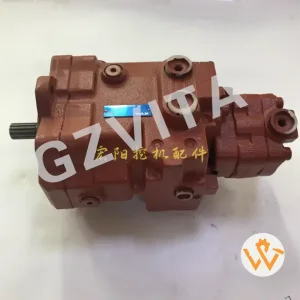
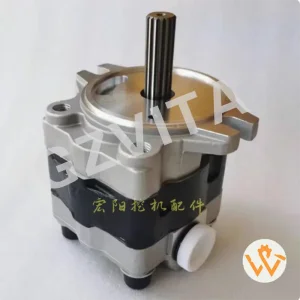
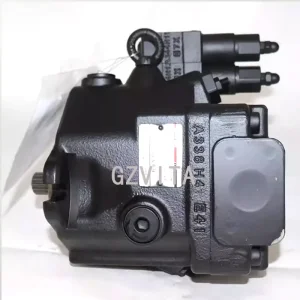
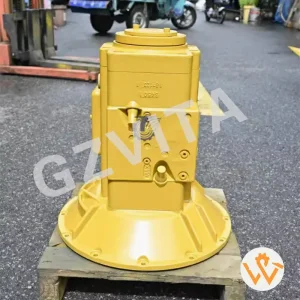
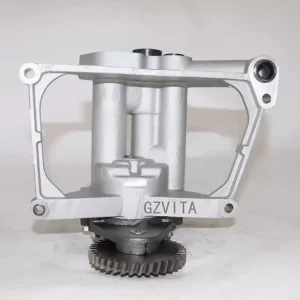
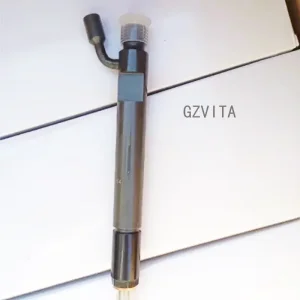
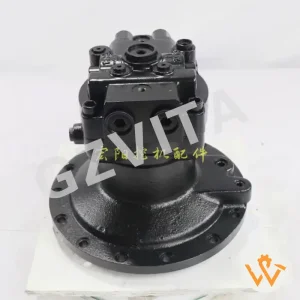
We specialize in the engineering, synthesis, and distribution of a comprehensive portfolio of construction machinery parts. Our core offerings include high-performance engine assemblies, hydraulic piston pumps, final drives, electric generator sets, precision engine bearings (Main and Con Rod bearings), robust crankshafts, engine valves, heavy-duty gear pumps, cylinders, industrial filtration media, excavator buckets, and robust undercarriage components for both excavators and bulldozers.
Our replacement parts are designed and manufactured to meet or exceed OEM standards for major global brands, including: Komatsu, Volvo, Sumitomo, Caterpillar, Kubota, Hitachi, John Deere, Kobelco, Hyundai, Kato, Sany, XCMG, Sunward, and other leading heavy machinery manufacturers.
In the high-intensity construction arena, machine reliability determines project profitability. We deploy rigorous multi-stage pressure testing, heat-aging assessments, and structural fatigue testing to guarantee every cooling line, hydraulic pump, and engine part functions flawlessly under stress.
We do more than distribute components. We operate an in-house Engine Maintenance and Engineering Development Wing. If your team faces assembly issues, pressure imbalances, or system architecture challenges, our technical support engineers provide immediate troubleshooting and diagnostic guidance.
 Vita Construction