 Vita Construction
1 / 4
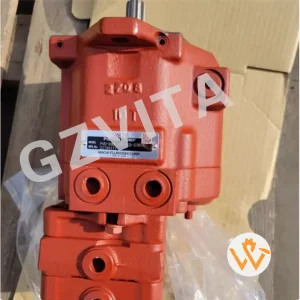
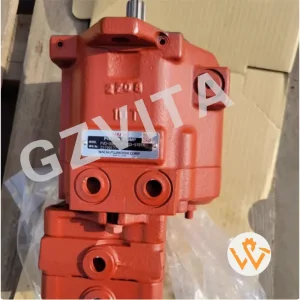
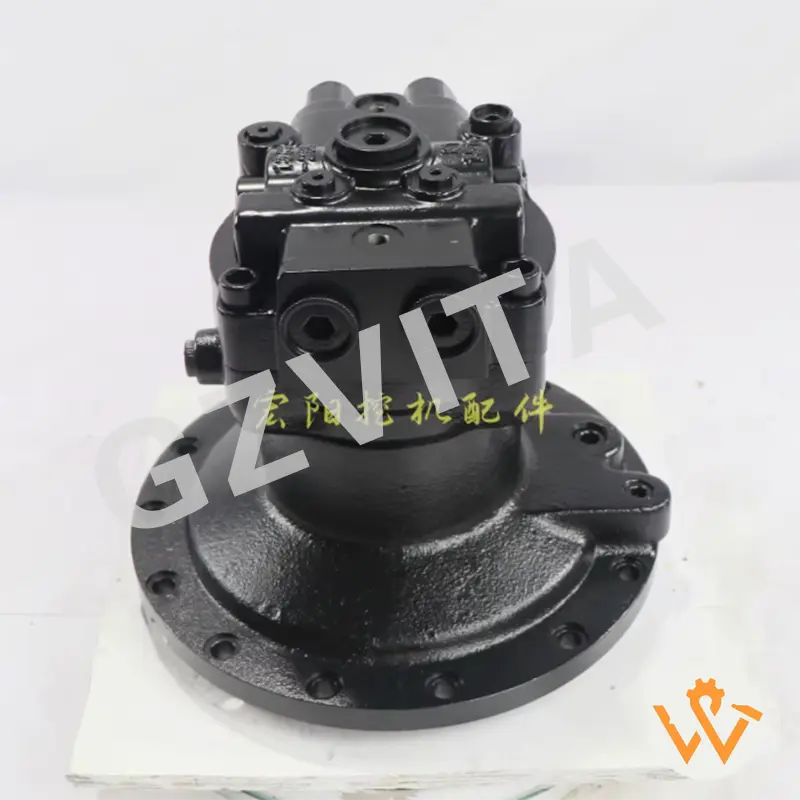
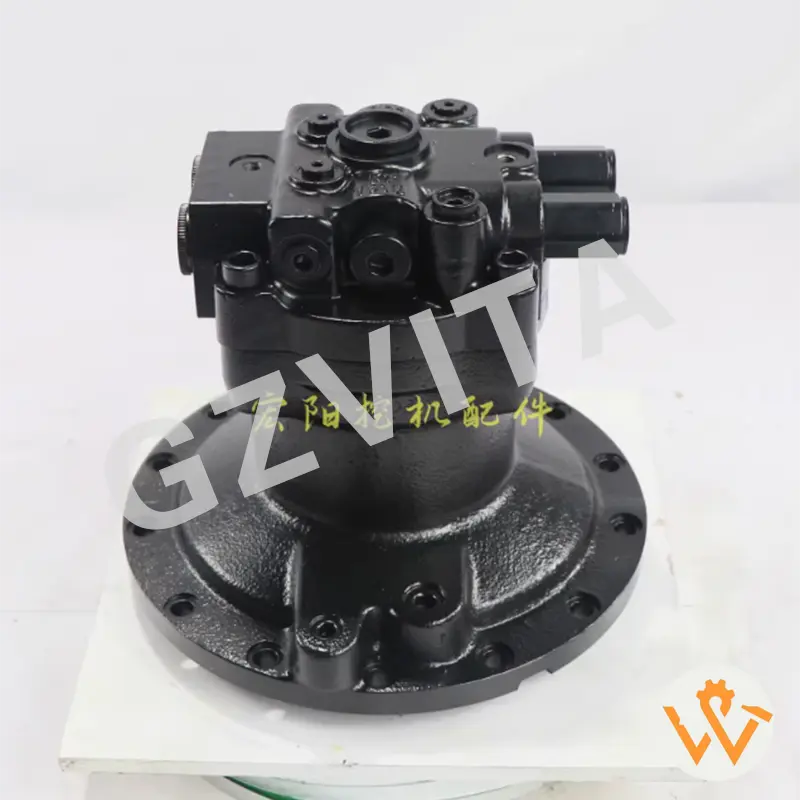
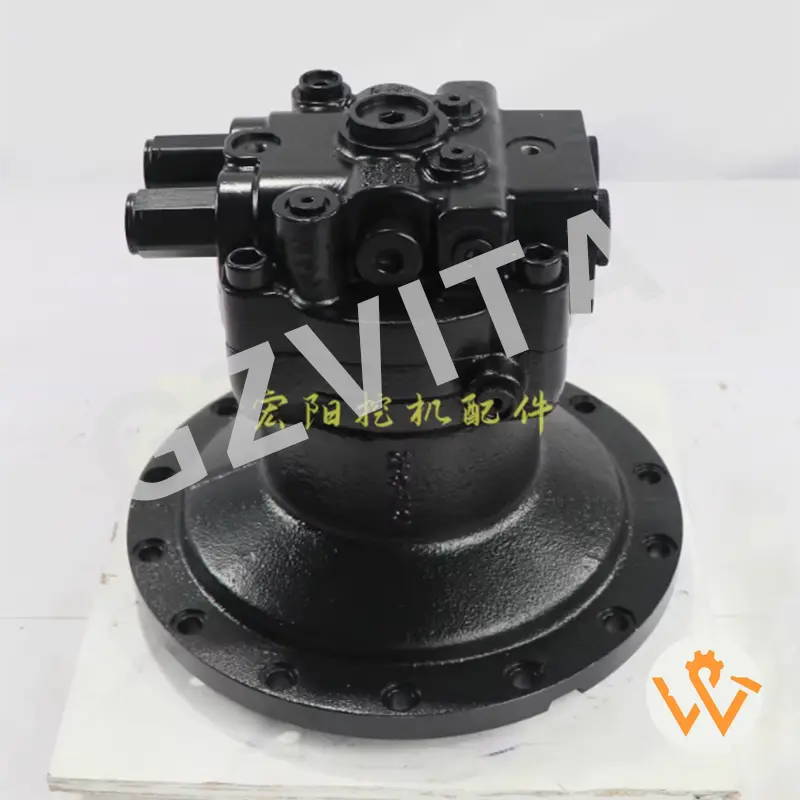
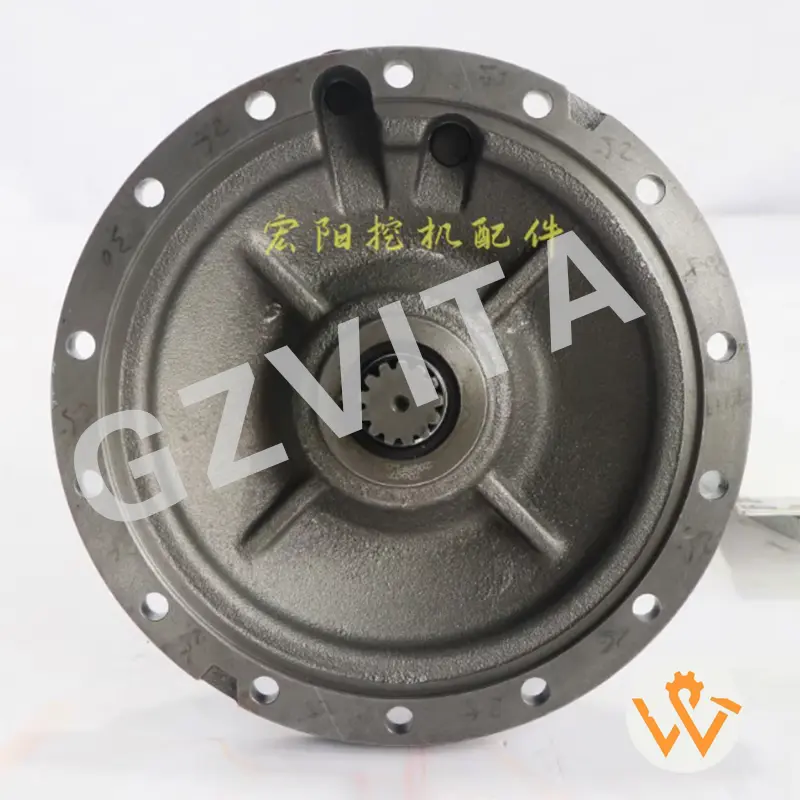
The primary function of hydraulic pumps in mini excavators is to provide the necessary power to move the machine's components. When the operator activates a control, the hydraulic pump sends pressurized fluid to the corresponding actuator, allowing for smooth and precise movements.
A hydraulic pump is a mechanical device that converts mechanical energy into hydraulic energy by moving fluid through the hydraulic system. In mini excavators, hydraulic pumps are responsible for generating the hydraulic pressure needed to operate various attachments and functions, such as the boom, arm, bucket, and swing mechanisms.
Hydraulic pumps are vital components of hydraulic systems, providing the necessary power to perform a wide range of tasks across various industries. Understanding the different types of hydraulic pumps and their applications can help you choose the right pump for your specific needs. Whether you are in construction, manufacturing, or any other field that relies on hydraulic systems, knowing how hydraulic pumps work will enhance your ability to maintain and optimize these essential machines.
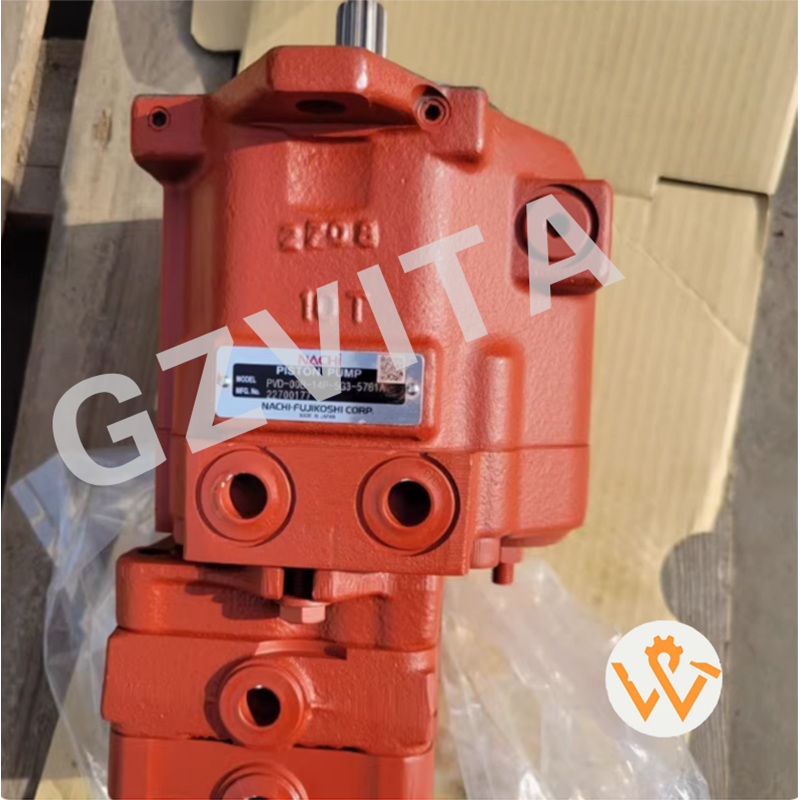
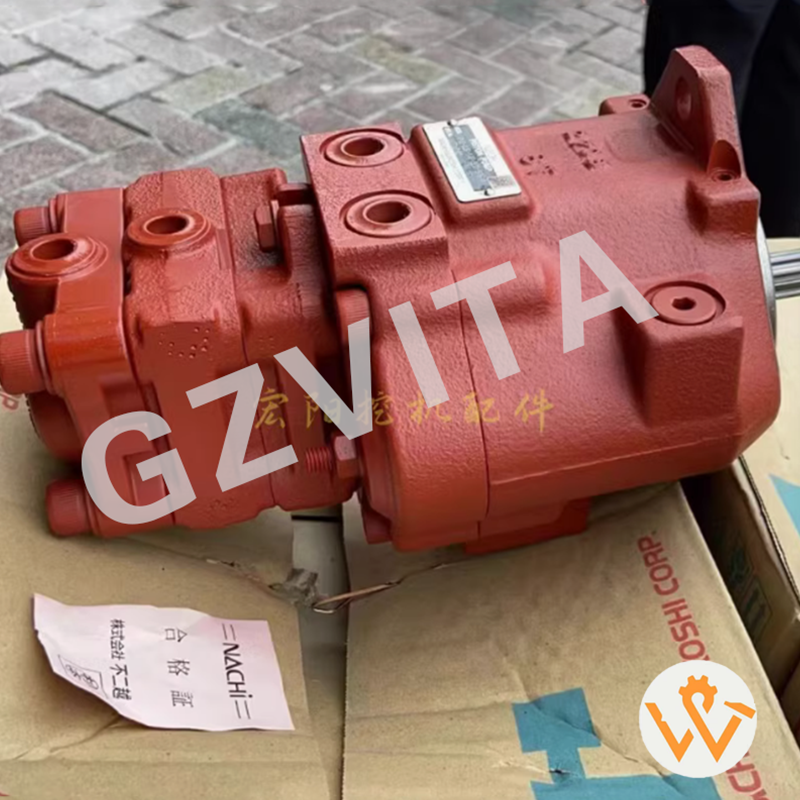
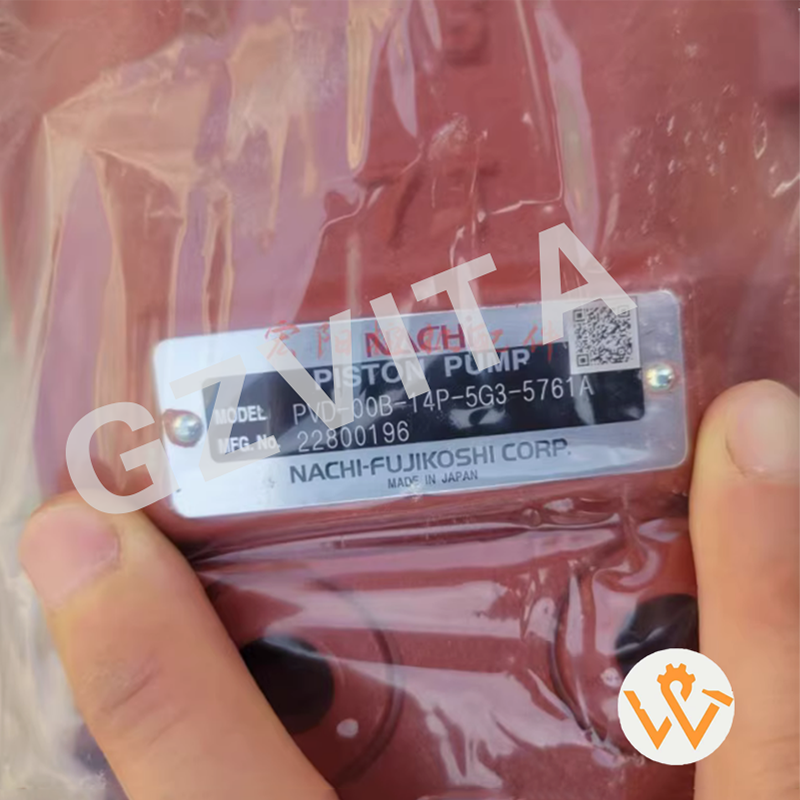
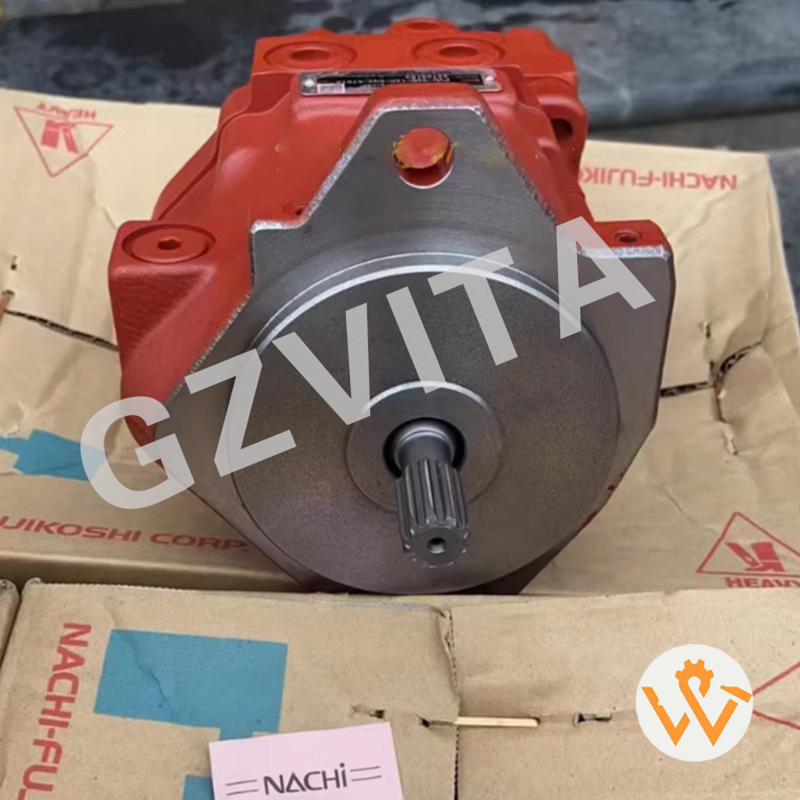
The primary function of a hydraulic pump in a mini excavator is to convert mechanical energy into hydraulic energy. It forces hydraulic fluid through the system to generate the high pressure needed to power movements in the boom, arm, bucket, and swing mechanisms.
When the operator uses the controls, the hydraulic pump sends highly pressurized fluid to specific actuators (cylinders or motors). This fluid pressure forces the actuators to move, translating into the physical actions of the excavator's components.
Understanding how hydraulic pumps function allows operators and maintenance technicians to identify potential issues early, choose the correct replacement parts, perform proper maintenance, and ultimately maximize the service life and efficiency of the machinery.
Common warning signs include unusual noises (like whining or knocking), sluggish performance of excavator attachments, drop in operating power, increased hydraulic oil temperatures, and visible oil leaks around the pump unit.
Regularly checking hydraulic fluid levels, keeping the fluid clean and free of contaminants, replacing hydraulic filters on time, and avoiding operation beyond the manufacturer's specified pressure thresholds are key practices to ensure a long pump lifespan.