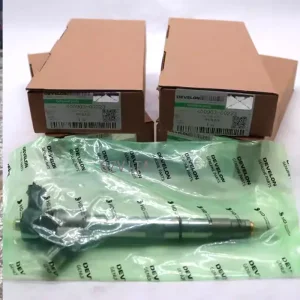
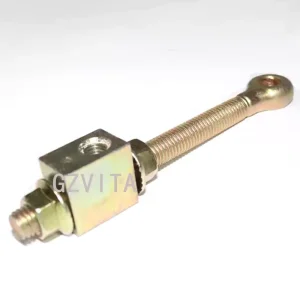
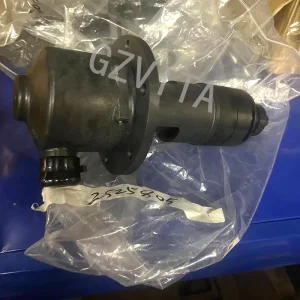
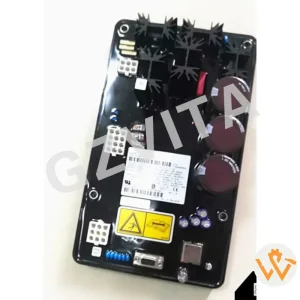
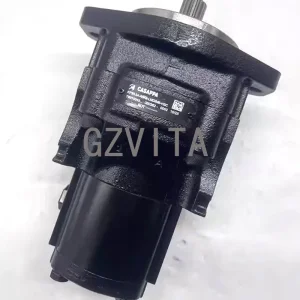
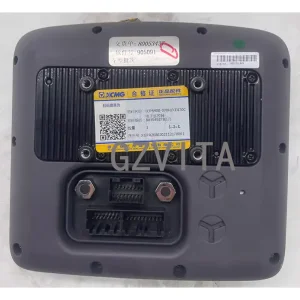
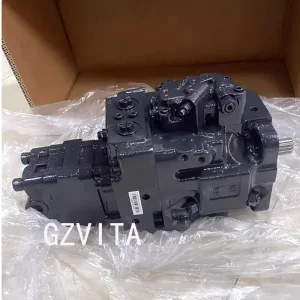
Continuous operational health in industrial operations requires highly reliable sensing systems. Below are our key products designed for heavy equipment electrical systems, generators, and starter controls compatible with Caterpillar, Volvo, and Doosan.
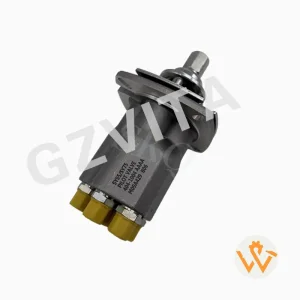
A current transducer is an advanced electrical instrument that monitors electrical currents flowing through a conductor and transforms them into precise output signals (typically 0-5V, 0-10V, or 4-20mA). By isolating the measuring circuit from the high-voltage system under test, these sensors protect sensitive electronics such as Engine Control Units (ECUs), monitoring displays, and telemetry systems. Within heavy-duty construction machinery and generator sets, this galvanic isolation is essential for safe operation.
When selecting industrial-grade current transducers, sourcing professionals must prioritize understanding the active sensing technologies:
These devices measure magnetic flux density around a conductor. Open-loop sensors are cost-efficient and lightweight, while closed-loop systems use dynamic magnetic balancing to provide superior accuracy, thermal stability, and high noise immunity in rugged workspaces.
Utilizing a high-precision, low-resistance resistor in the current path, shunt-based transducers measure voltage drop. While highly accurate for DC measurements, they do not offer natural galvanic isolation and require additional isolating amplifiers.
Designed for high-accuracy and precision laboratory/industrial applications, Fluxgate sensors measure sub-milliamp leakages and high transient currents with exceptional resolution and minimal thermal drift.
| Transducer Technology | Measurement Type | Galvanic Isolation | Thermal Drift (Typical) | Ideal Application Scenario |
|---|---|---|---|---|
| Closed-Loop Hall Effect | AC / DC / Pulsed | Excellent (Up to 5kV) | Low (< 0.1% / °C) | Excavator ECU, Inverters, Battery Management |
| Open-Loop Hall Effect | AC / DC | Good (Up to 3.5kV) | Moderate (< 0.3% / °C) | Starter motor telemetry, low-cost monitoring |
| Fluxgate | AC / DC / Ultra-precise | Excellent | Minimal (< 0.02% / °C) | Smart-grid infrastructure, calibration benches |
| Shunt-Resistor Type | DC Only | None (Requires isolation) | Variable (Temp-dependent) | Battery state-of-charge tracking, simple alternators |
In modern industrial applications, electric control systems have largely superseded mechanical assemblies. Procurement teams targeting heavy construction, mining, and power generation must evaluate how sensor technology impacts daily machinery performance. For example, a heavy duty excavator (such as the Komatsu PC400 or XCMG XE470) uses current transducers within its primary ECU and display monitor circuits to continuously verify operational health and safety.
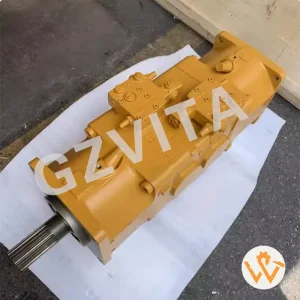
Current transducers monitor proportional solenoid valve control current, ensuring hydraulic pump regulators (such as the Sany or Komatsu hydraulic pumps) operate within target parameters. Accurate sensor feedback prevents catastrophic hydraulic pump seizures and optimizes fuel efficiency.
Within large-scale generators (such as the Caterpillar 3512/3516 series), voltage regulators (like the 314-7755 voltage regulator) rely on precise AC/DC current feedback to govern alternator excitation levels, securing grid output stability and protecting against over-current scenarios.
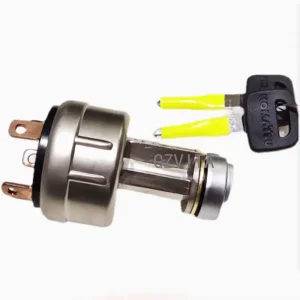
Starting switches and starter motor relays experience massive in-rush currents (often exceeding 1000A) during engine ignition. Closed-loop current sensors detect spikes in real time to prevent starter coil failure and relay contacts from fusing.
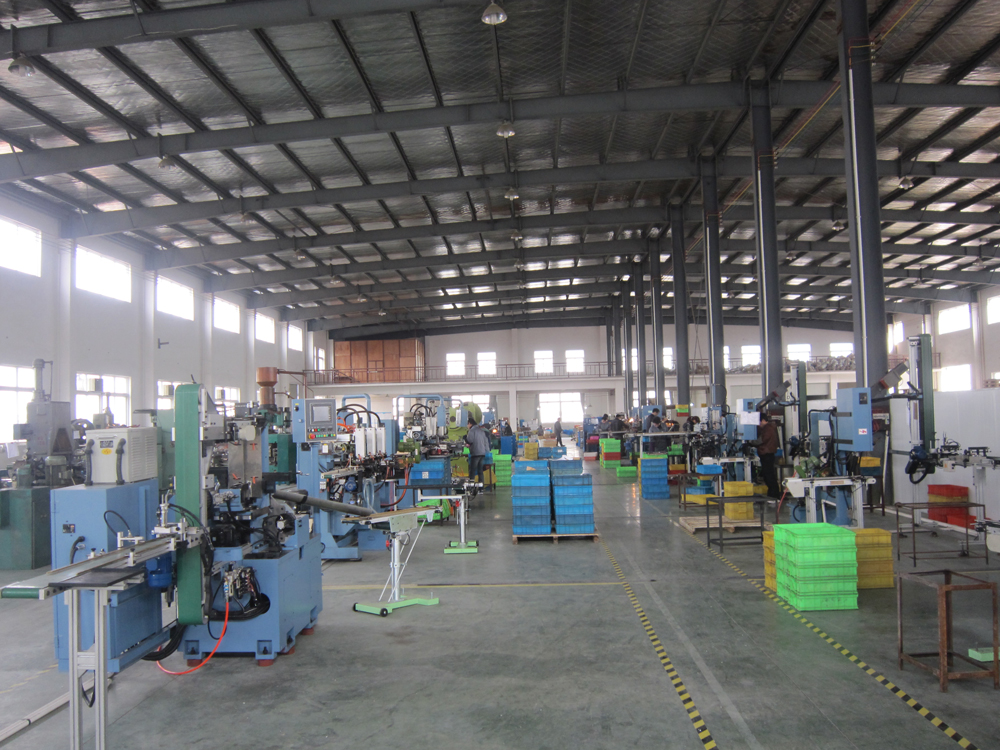
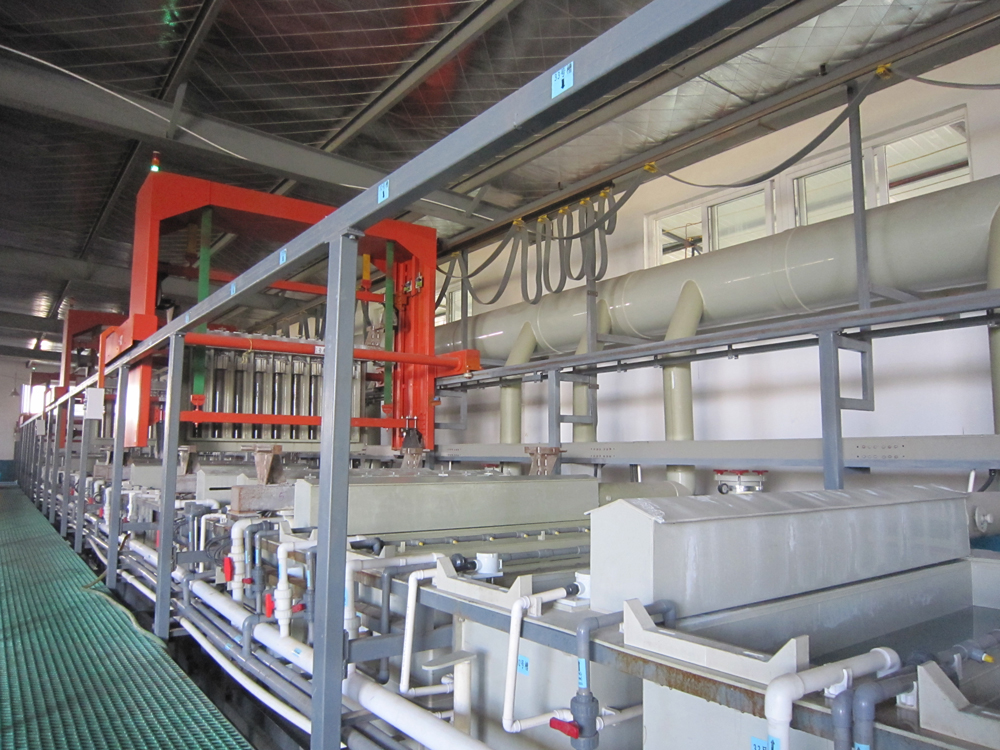
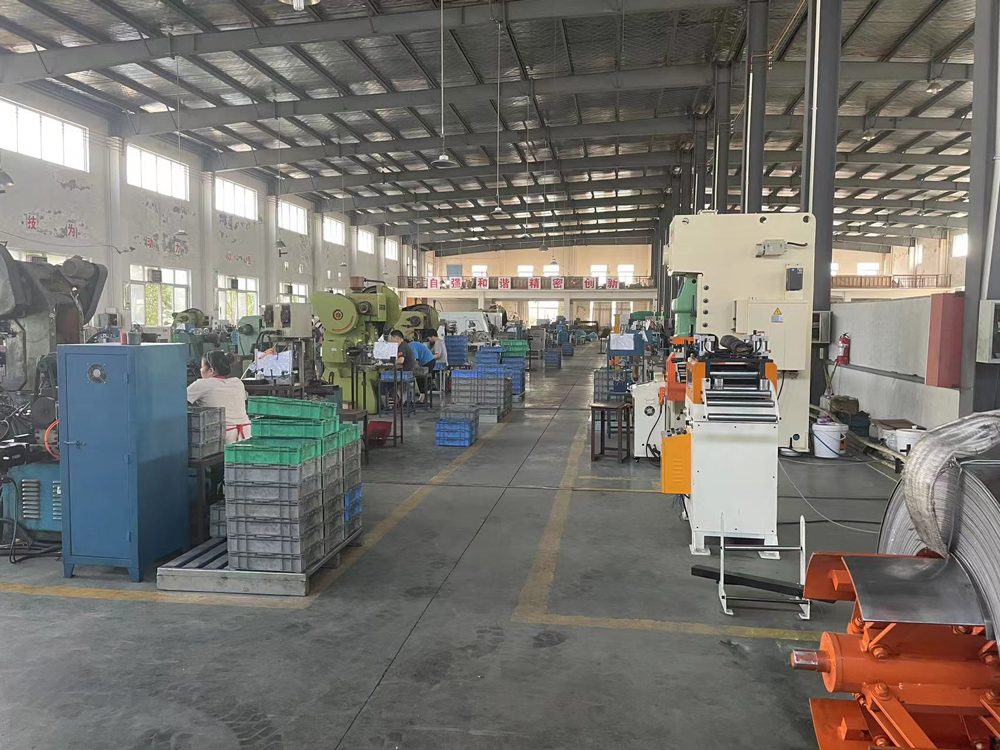
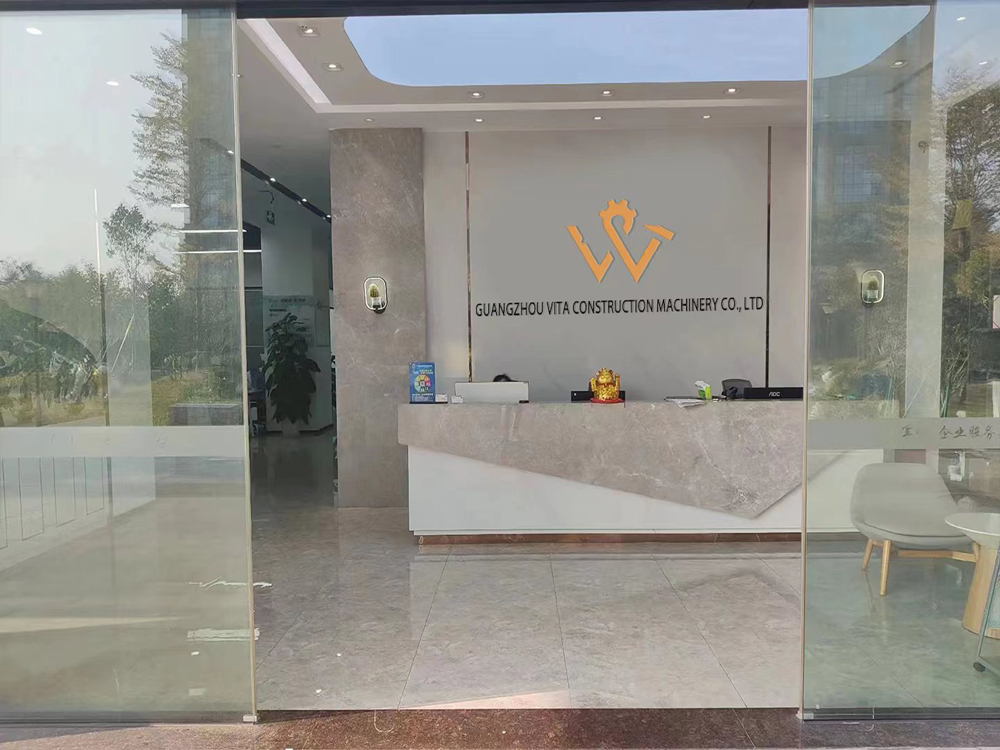
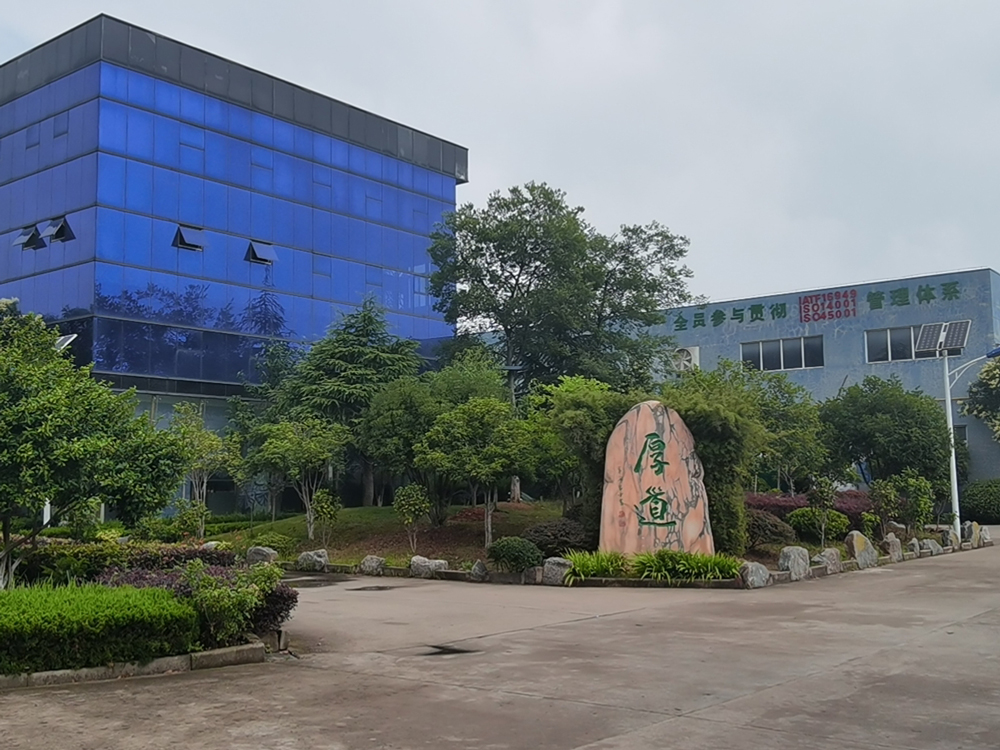
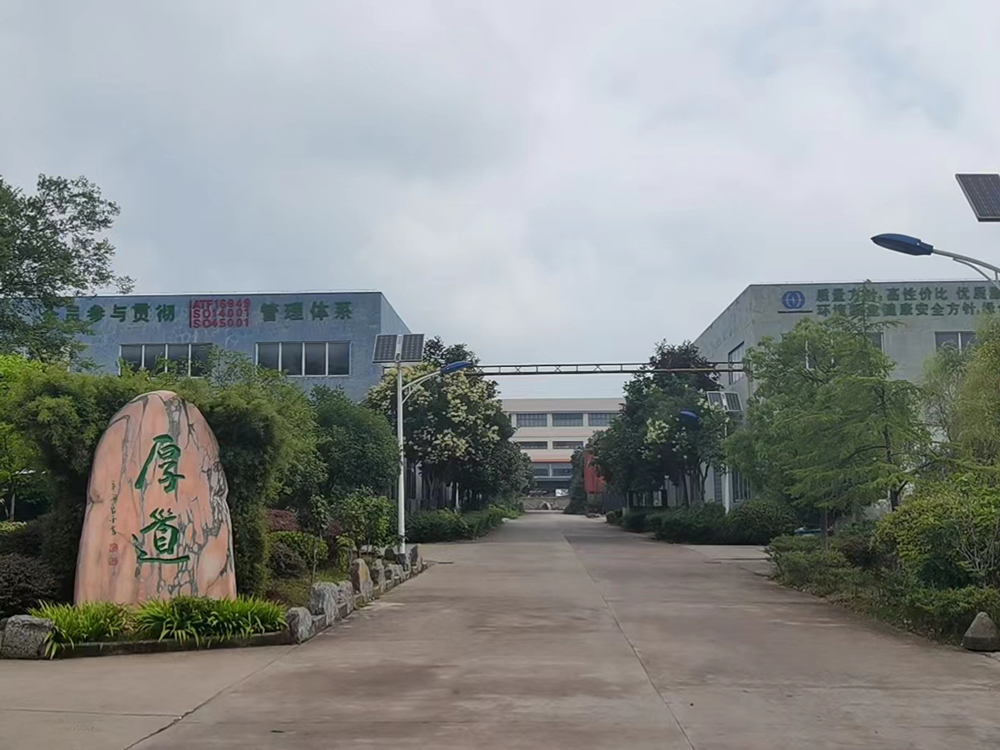
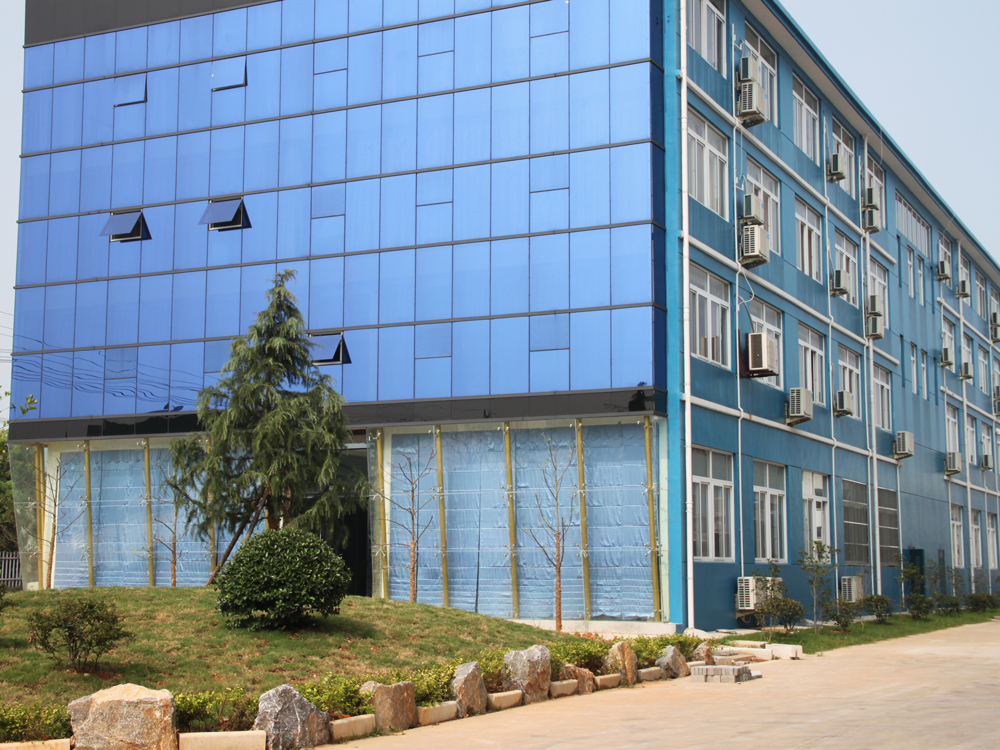
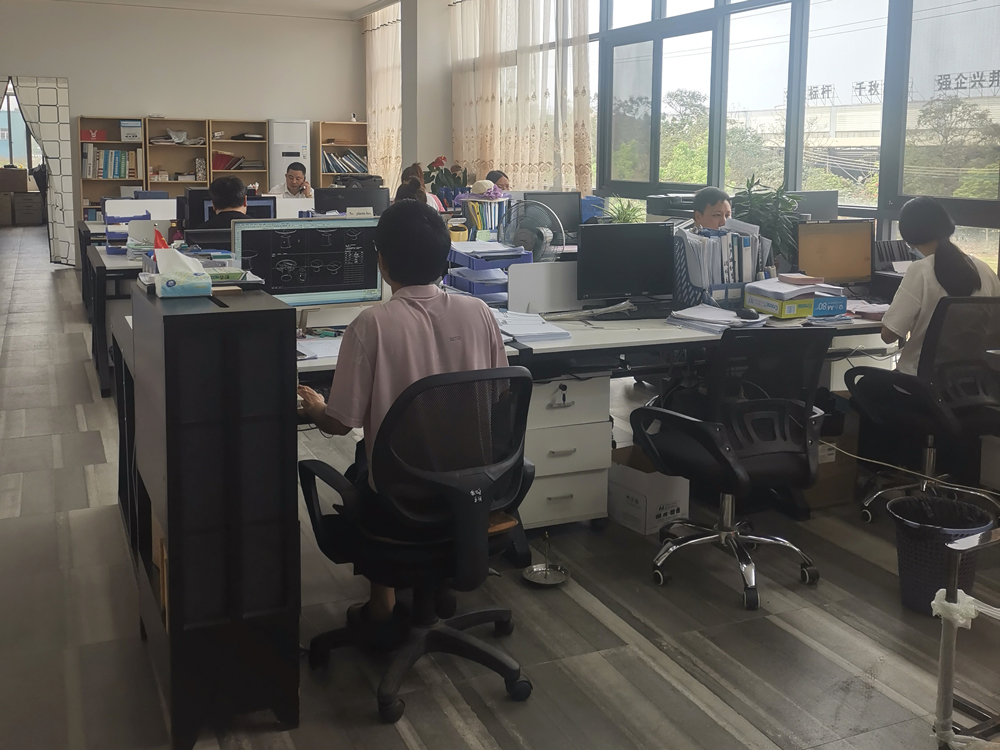
Industrial components rely heavily on cost-efficiency, robust quality management, and secure supply chains. Guangzhou Vita Construction Machinery Co., Ltd. integrates local Chinese production capabilities with global trade and distribution networks. Our primary factory in Xiangyang, Hubei Province, features advanced design, engineering, and manufacturing setups tailored for high-reliability heavy equipment parts and sensor sub-assemblies.
Our Hubei-based factory utilizes precision CNC machines, automatic testing chambers, and calibration benches to ensure every component, from hydraulic main pump parts to high-current electrical switches, meets or exceeds OEM specifications. Our engineering team designs custom alternatives for components compatible with Komatsu, Volvo, Sumitomo, Caterpillar, Kobelco, Hyundai, Kato, Sany, and XCMG, ensuring seamless field integration.
Sourcing electronic components requires navigating various international safety and performance regulations. Transducers used in smart grids, industrial automation, and construction machinery must comply with global standards:
To reduce downtime, Guangzhou Vita offers comprehensive technical support. We maintain a professional maintenance team capable of traveling internationally to assist customers with system integration, machinery engine diagnostics, and custom sensor calibrations. Whether replacing an alternator voltage regulator on a remote mining site or debugging an excavator ECU display monitor, our team ensures rapid support.
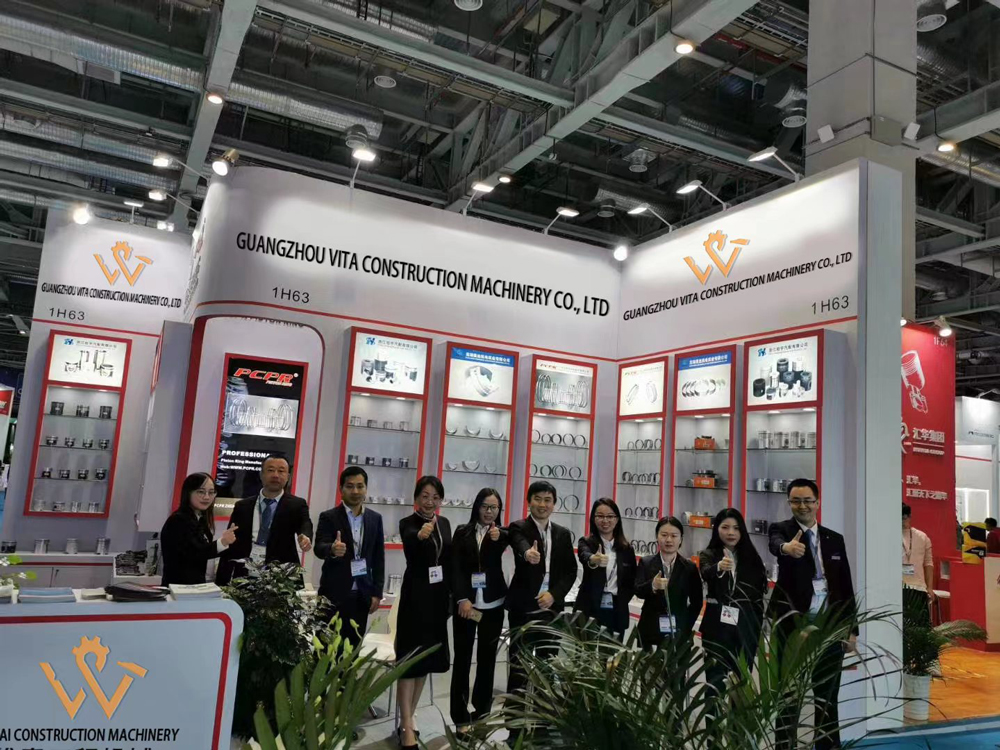
Guangzhou Vita Construction Machinery Co., Ltd. is one of the largest companies that combines factory and foreign trade. The factory is located in Xiangyang City, Hubei Province. There are more than 18,000 square meters of workshop space equipped with several advanced production machines, staffed by more than 278 well-trained and skilled workers, and supported by around 8 experienced engineers who assure reliable product quality alongside fast and accurate delivery.
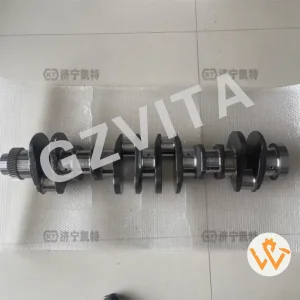
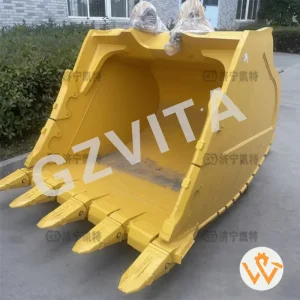
We specialize in producing, developing, and selling a comprehensive range of construction machinery parts, including engine assemblies, hydraulic pumps, final drives, electric generating sets, engine bearings (Main bearings and Con Rod Bearing series), crankshafts, engine valves, gear pumps, cylinders, all kinds of filters, excavator buckets, and undercarriage parts for excavators and bulldozers. Our products are used as replacements for major equipment brands, including Komatsu, Volvo, Sumitomo, Caterpillar, Kubota, Hitachi, John Deere, Kobelco, Hyundai, Kato, Sany, XCMG, SUNWARD, and other well-known brands.
In the fast-paced world of construction, the reliability and efficiency of your machinery can make or break a project. We understand that high-quality parts are essential for optimal performance. Our goal is to provide top-notch construction machinery parts that keep our customers' equipment running smoothly.
To improve our service, we set up an engine maintenance development division. In addition to providing customers with engine assemblies, we help solve various technical problems encountered in the operation and assembly of industrial engines.
We have our own professional maintenance team and can be invited by customers to arrange for maintenance technicians to travel abroad to help repair and commission engines and electrical systems.
Find answers to common technical queries about industrial current transducers, installation best practices, and integration support below.
Explore our heavy-duty product offerings. We ensure high-quality manufacturing and compatibility with major global machinery brands.
 Vita Construction