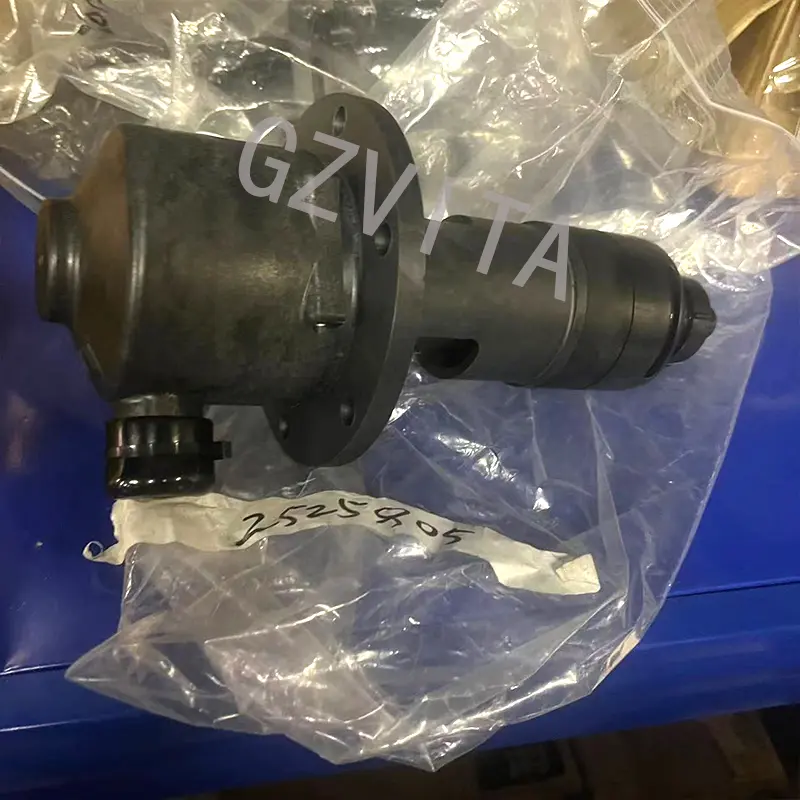
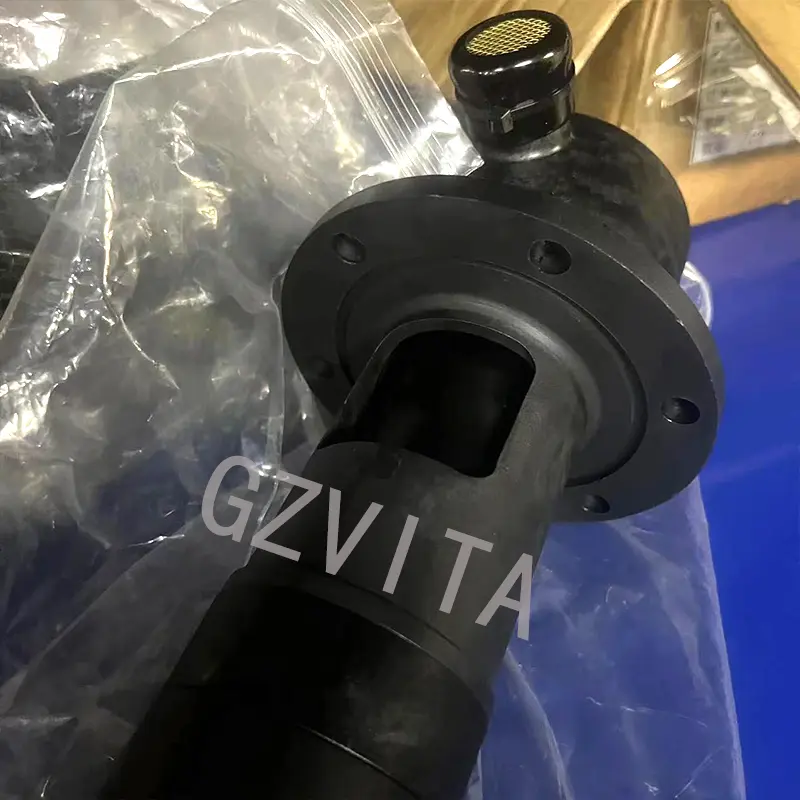
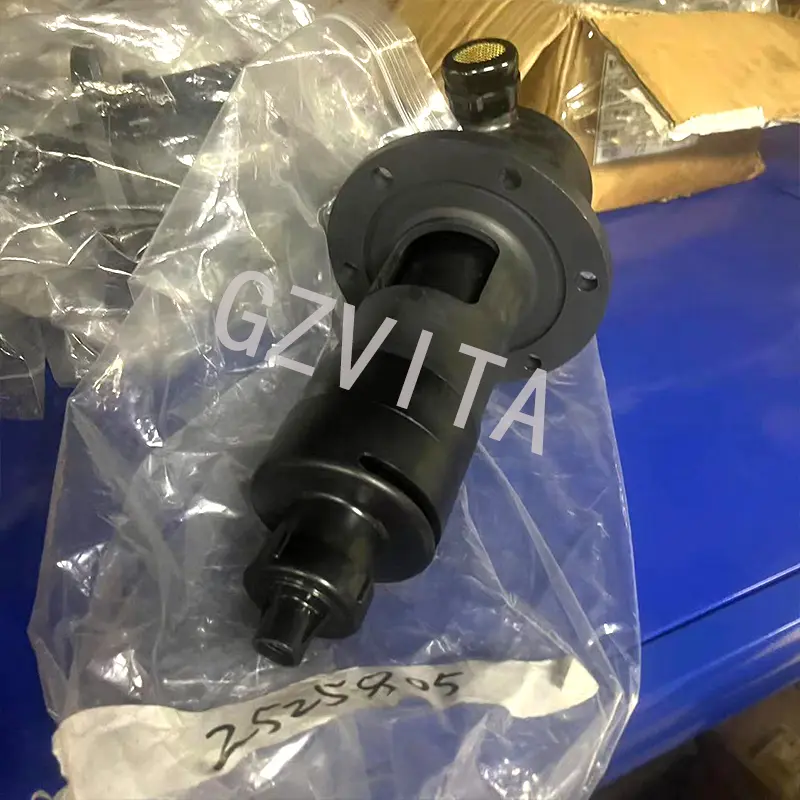
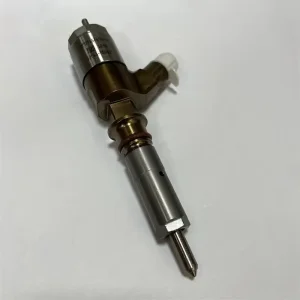
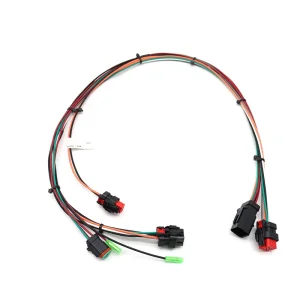
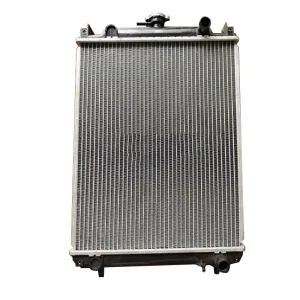
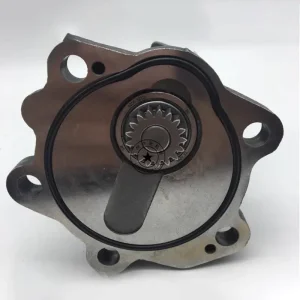
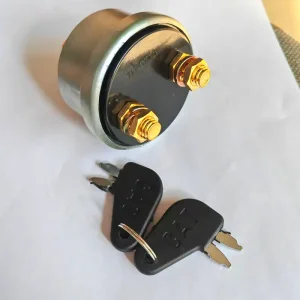
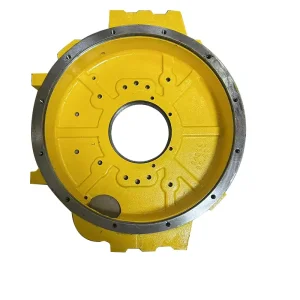
Introduction to Fuel Tank Vent (AS) for Caterpillar Tractor
The Fuel Tank Vent (AS – Air Separation or Anti-Siphon) is a crucial component in Caterpillar tractors and heavy equipment, designed to manage airflow, prevent fuel starvation, and reduce the risk of fuel contamination or spillage. It ensures proper ventilation of the fuel tank while maintaining system integrity under various operating conditions.
Frequently Asked Questions
Q1: What does the "AS" stand for in Fuel Tank Vent (AS)?
A1: "AS" stands for Air Separation or Anti-Siphon. This specifies that the system is designed to prevent unwanted fuel siphoning and manage air regulation effectively.
Q2: How does a clogged vent affect my Caterpillar tractor's engine?
A2: A clogged vent creates a vacuum inside the fuel tank as fuel is consumed. This vacuum restricts fuel flow to the engine, leading to fuel starvation, power loss, engine stalling, or even tank deformation.
Q3: What is the purpose of the Rollover Valve (ROV) in this system?
A3: The Rollover Valve (ROV) is a safety component that automatically seals the vent pathway to prevent hazardous fuel spillage in the event that the vehicle tilts excessively or rolls over.
Q4: What are the primary indicators that the fuel tank vent requires maintenance?
A4: Common warning signs include slow or difficult refueling, premature fuel nozzle shutoffs, unexplained loss of engine power, strong fuel odors, and visible leaks around the vent lines.
Q5: Is this venting system compatible across all Caterpillar heavy machinery?
A5: While the underlying venting principles are similar, specific vent configurations, hoses, and canisters vary depending on the model (e.g., CAT D6 vs. 330 Excavator) and whether it is for agricultural, construction, or on-highway use.
 Vita Construction