 Vita Construction
1 / 2
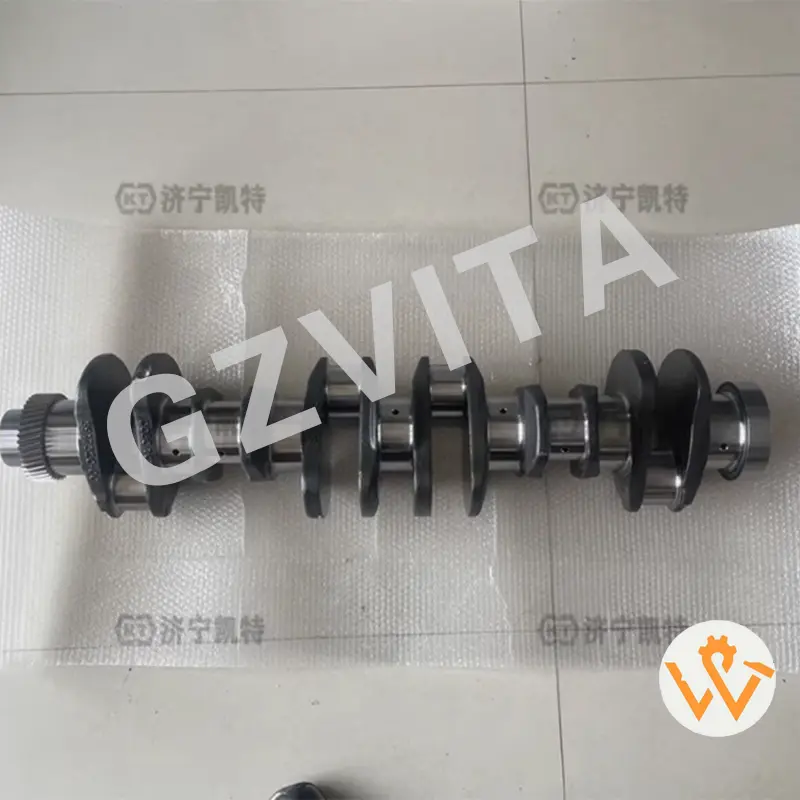
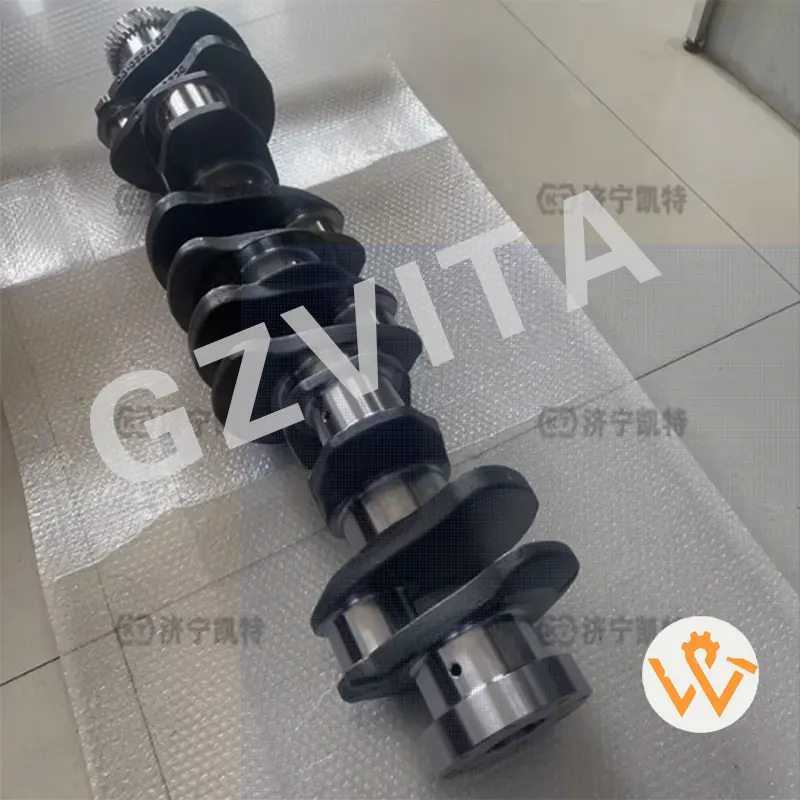
The engine crankshaft is a fundamental component of an internal combustion engine, playing a crucial role in converting the linear motion of the pistons into rotational motion, which ultimately powers the vehicle or machinery. Here's an overview of the crankshaft and its significance.
The crankshaft is a long, cylindrical shaft that runs the length of the engine block. It is connected to the pistons via connecting rods. As the pistons move up and down during the combustion process, the crankshaft rotates, translating this linear motion into rotational energy.
The primary function of the crankshaft is to convert the reciprocating motion of the pistons into rotational motion. This rotational energy is what drives the vehicle's wheels or powers other machinery.
The crankshaft is designed to maintain balance within the engine. A well-balanced crankshaft minimizes vibrations, leading to smoother engine operation and improved longevity of engine components.
Crankshafts are typically made from high-strength materials, such as forged steel or cast iron, to withstand the immense forces generated during combustion. Their durability is essential for the engine's overall reliability and performance.
The crankshaft transfers torque to the transmission, which then distributes it to the wheels or other driven components. This transfer of torque is crucial for the vehicle's acceleration and overall performance.
The crankshaft is often connected to the timing system of the engine, which synchronizes the movement of the pistons and the opening and closing of the engine's valves. Proper timing is essential for efficient engine operation and performance.
The crankshaft plays a role in the engine's lubrication system. As it rotates, it helps circulate oil throughout the engine, ensuring that all moving parts are adequately lubricated and cooled, which is vital for preventing wear and overheating.
Crankshafts can vary in design depending on the engine configuration (e.g., inline, V-type, or flat engines). Each design has its own characteristics that affect the engine's performance, balance, and efficiency.
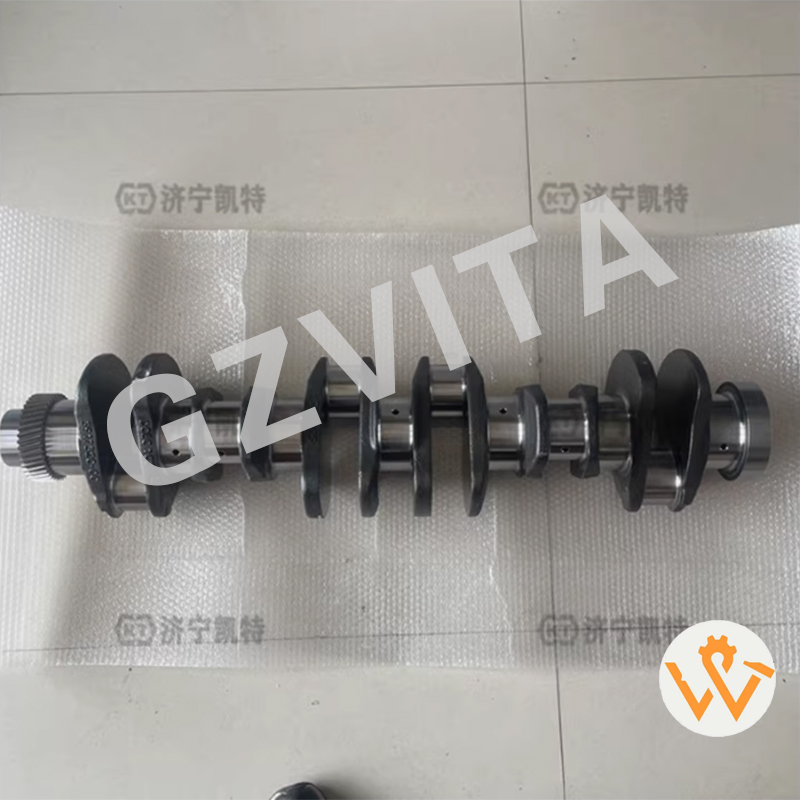
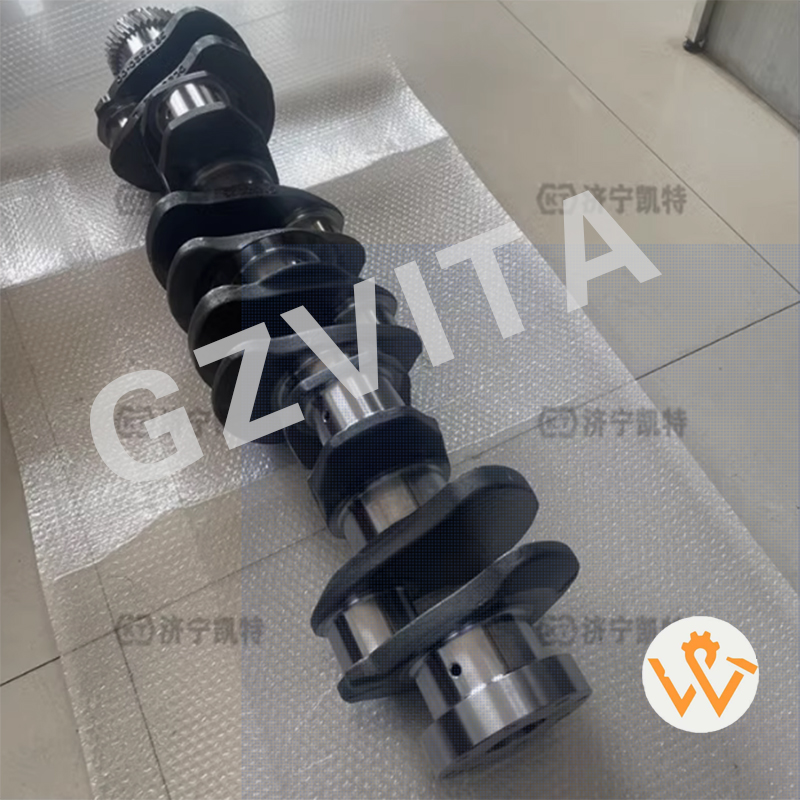
Engine crankshafts are typically manufactured from high-strength materials such as forged steel or cast iron to handle the severe forces and stress produced during combustion.
Proper balance minimizes engine vibrations, ensures smoother operation, and prevents premature wear on critical engine components like bearings.
The crankshaft is connected to the engine's pistons via connecting rods, which transfer the linear movement of the pistons into the rotational movement of the shaft.
It connects to the timing belt or chain, synchronizing piston movement with the opening and closing of intake and exhaust valves to ensure efficient combustion cycles.
As the crankshaft rotates, it helps splash and circulate oil through oil pathways, ensuring all moving parts are lubricated and cooled effectively.