1. The Engineering Criticality of High-Flow Relief Valves in Modern Hydraulics
In modern high-pressure, heavy-duty hydraulic systems, pressure control is not merely a performance parameter; it is a critical safety and structural requirement. High-flow relief valves (HFRVs) serve as the primary defensive barrier, shielding complex hydraulic circuits from catastrophic overpressure anomalies. These systems are tasked with rapidly redirecting massive volumetric oil flows back to the reservoir when working pressures cross predefined safety thresholds.
Unlike standard relief valves, high-flow variants must handle massive bypass volumes (often exceeding 300 L/min to 800 L/min) while minimizing dynamic pressure override, pressure drop hysteresis, and violent fluid cavitation. Common applications include main system pump protection in large mining excavators, heavy-duty mobile machinery, steel processing mills, marine hydraulic power units (HPUs), and large offshore winches. Without optimized high-flow relief valves, system spikes could instantly damage expensive piston pumps, crack actuator casings, or cause catastrophic line ruptures.
Fluid Dynamic Stability and Hysteresis Minimization
A central challenge in high-flow relief design is managing fluid dynamic forces at maximum velocity. When high-flow valves crack open, the rushing hydraulic fluid creates intense lateral forces on the valve spool. This phenomenon, known as the Bernoulli effect, can cause spool instability, chattering, and premature mechanical wear. Leading manufacturers utilize computer-modeled flow paths and pilot-operated spool designs to balance these forces, achieving a flat pressure-flow curve. This minimizes pressure override (the delta between cracking pressure and full flow bypass pressure) and maintains consistent performance across varying oil viscosities.
2. Global Market Dynamics: Sourcing Needs & Trend Vectors
The global market for industrial high-flow relief valves is experiencing significant shifts. Major industrial regions are modernizing machinery to run at higher pressures (up to 420 bar or 6000 psi) to boost efficiency and power density. This trend increases the physical demands on internal hydraulic controls.
North America & Europe: Demand focuses heavily on safety standard compliance (ISO 4401, CE, ASME Section VIII) and smart hydraulic integration. Customers require valves with built-in electronic proportional control and real-time pressure transducers.
Asia-Pacific (APAC) & Latin America: Rapid infrastructure expansion, urbanization, and deep-pit mining operations generate massive demand for durable, field-serviceable relief valves that can withstand extreme environmental contamination and severe duty cycles.
Sourcing Trends: B2B procurement managers are shifting away from high-priced legacy European/US brands toward direct partnerships with advanced OEM manufacturers in Asia. This shift delivers significant cost advantages without sacrificing mechanical precision or reliability.
3. Guangzhou Vita Construction Machinery Co., Ltd.: Manufacturing Powerhouse
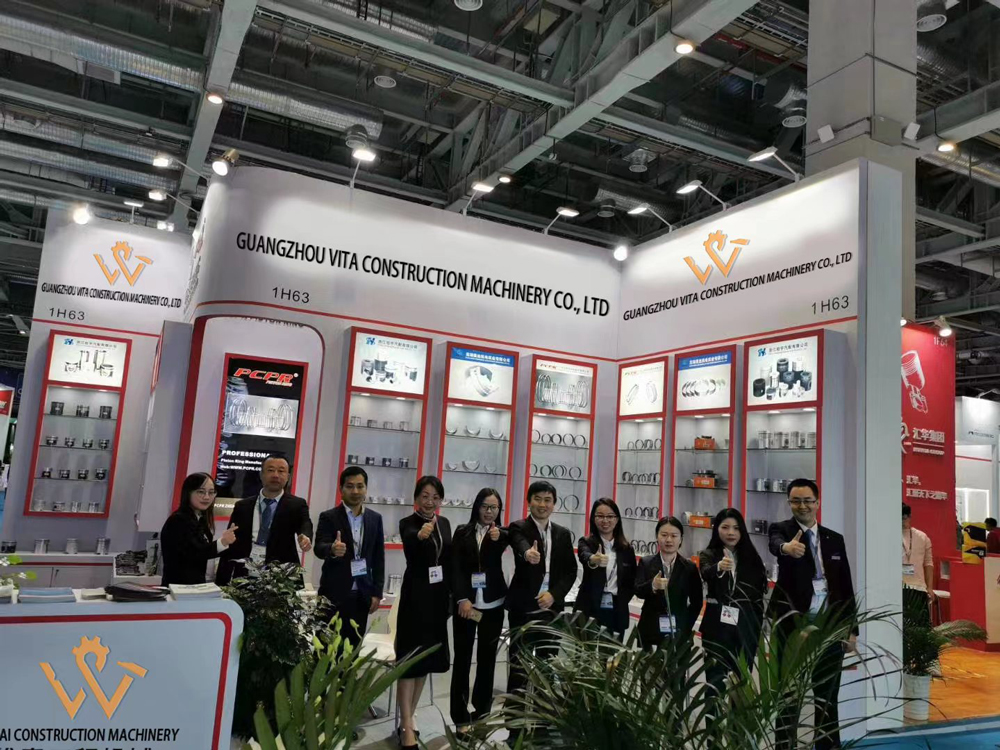
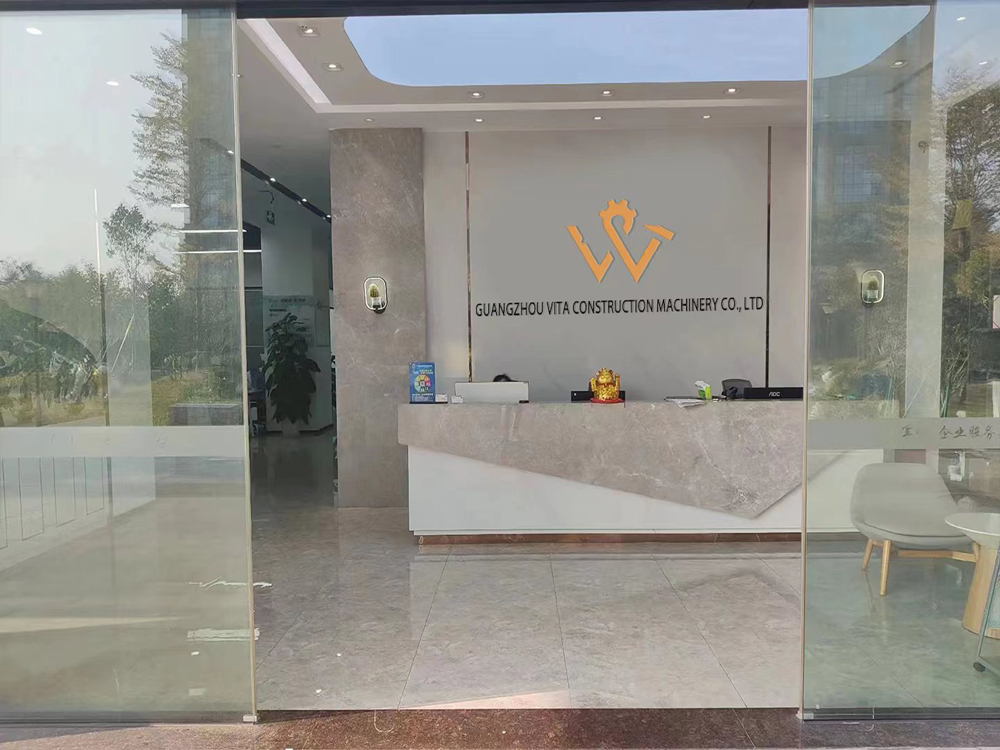
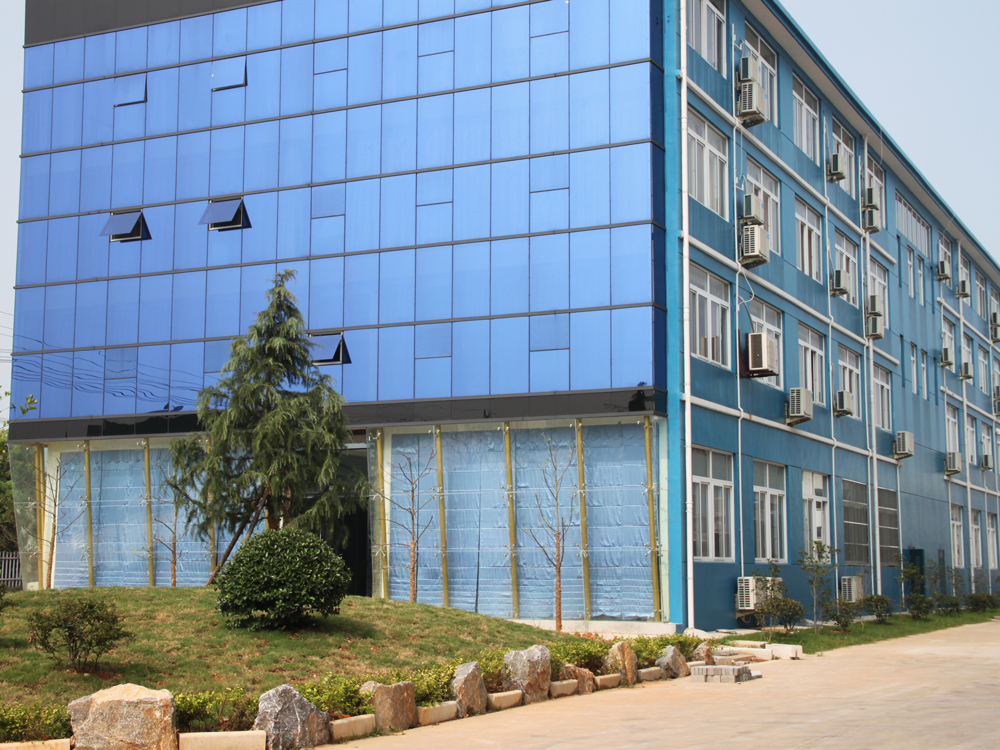
Guangzhou Vita Construction Machinery Co., Ltd. is a leading supplier in the construction machinery sector, combining extensive manufacturing capabilities with international trade services. To deliver reliable performance globally, we operate a specialized manufacturing facility in Xiangyang City, Hubei Province.
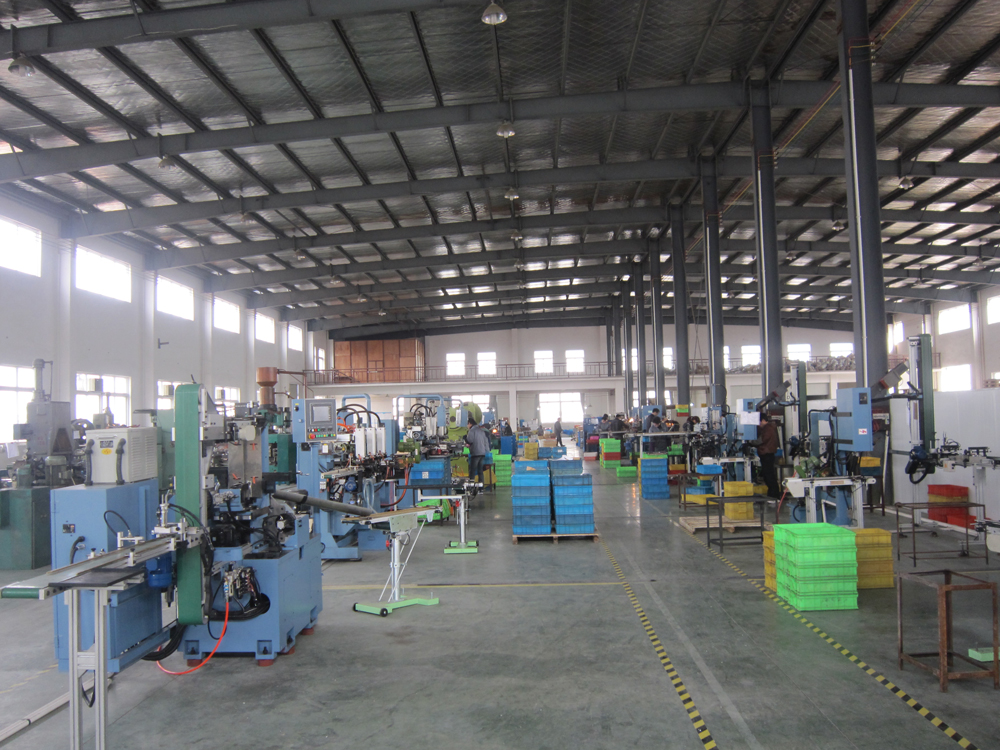
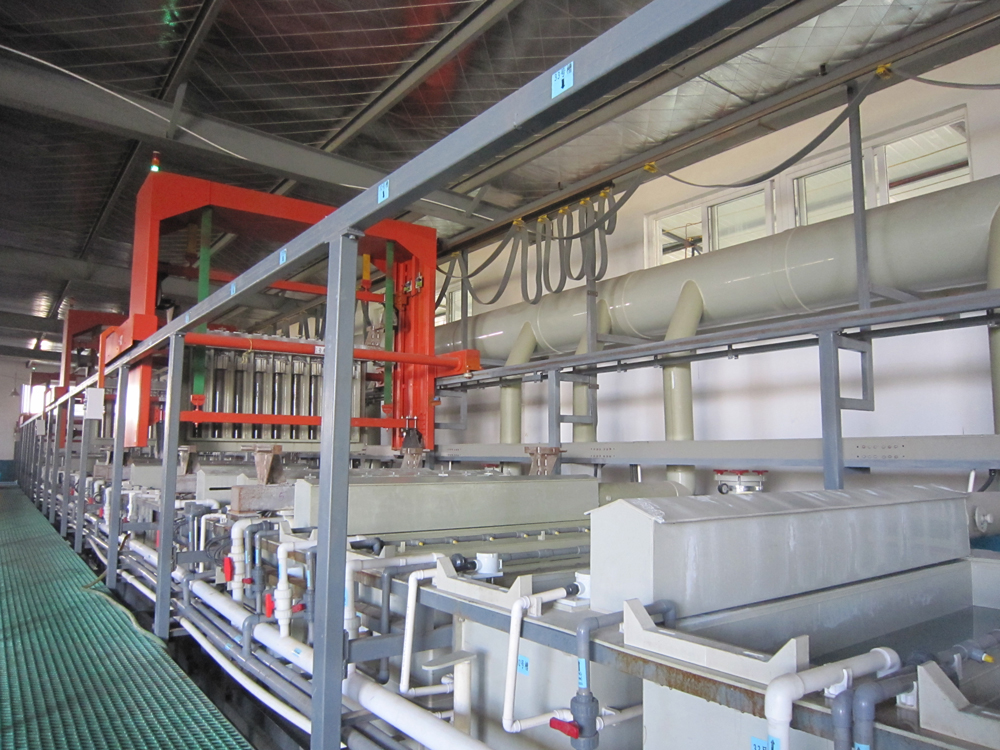
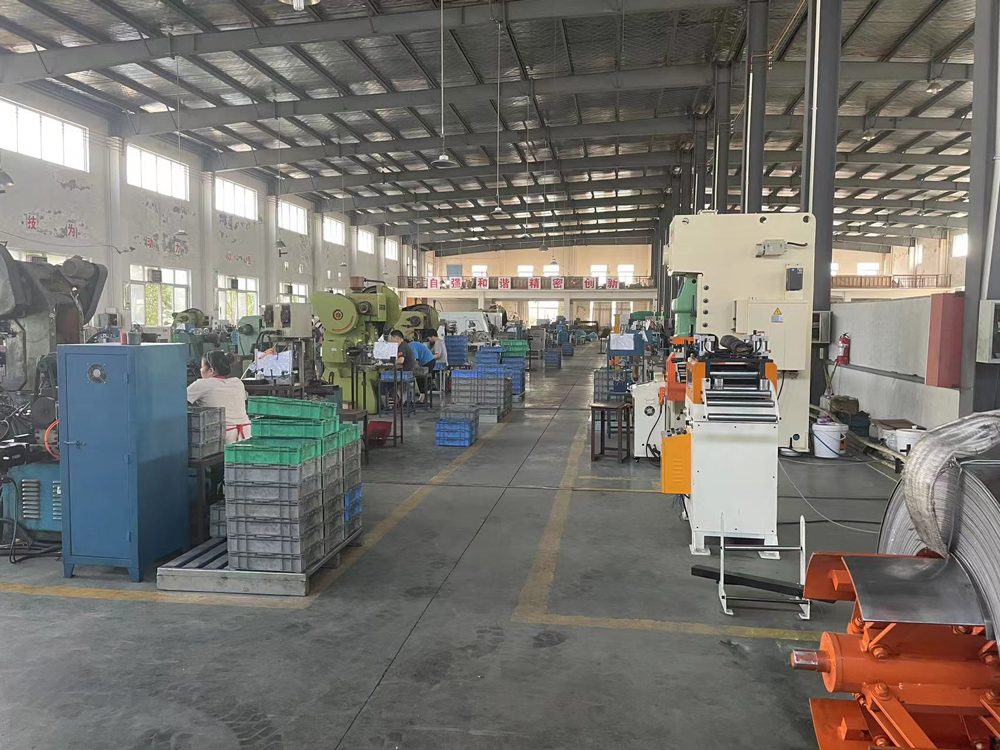
Our manufacturing base spans over 18,000 square meters of advanced workshop space. Equipped with modern CNC machining centers, automated testing bays, and precision inspection tools, our plant ensures tight dimensional tolerances (down to 2 microns) on critical valve components like spools, sleeves, and pilot assemblies.
18,000+
Sqm Facility Area
278+
Skilled Technicians
8
R&D Engineers
15+
Global Brands Compatible
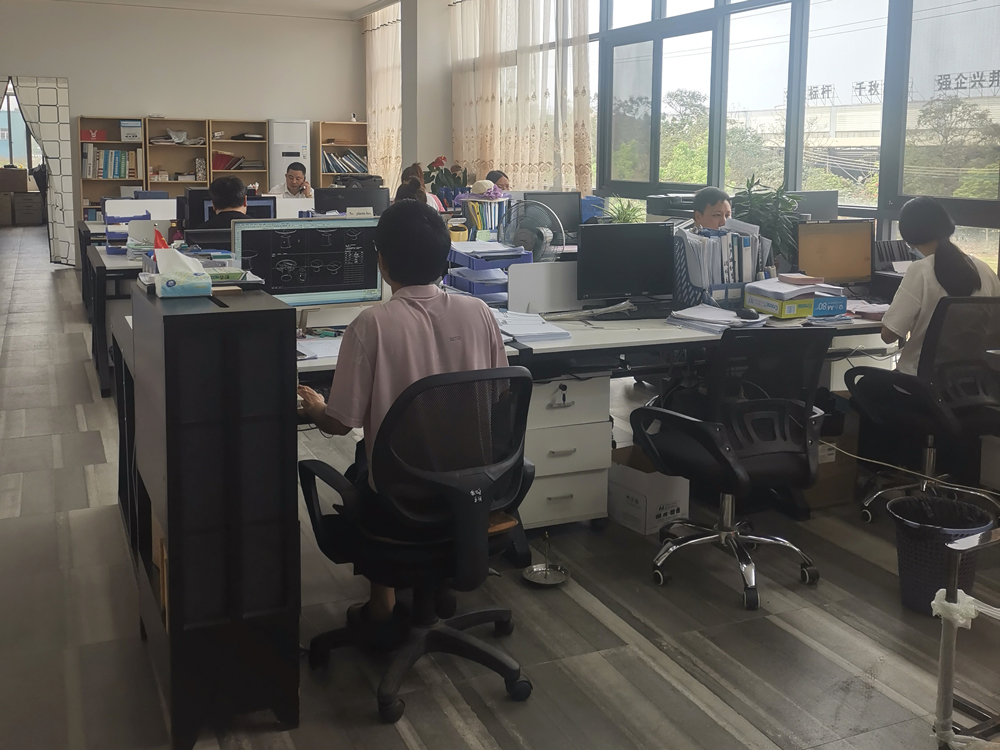
Guangzhou Vita employs 278 skilled workers and 8 experienced engineering specialists. This technical team focuses on product design, metallurgy, and hydraulic system diagnostics. Beyond component supply, we offer complete technical support, helping customers resolve complex issues in hydraulic system integration and engine assembly.
4. The Hubei Factory Advantage: Lean Manufacturing & Quality Protocols
Sourcing high-flow relief valves and hydraulic assemblies from Guangzhou Vita’s Hubei factory provides distinct strategic advantages for global B2B buyers. The combination of local supply chain optimization and advanced production engineering yields high-performance products at competitive price points.
Quality Assurance
Every valve undergoes automated hydrostatic pressure testing and flow-performance profiling. Dynamic testing ensures the cracking pressure matches specifications and the valve reseals securely without leakage.
Technical Support
We maintain a dedicated engine and hydraulic development group to assist clients with complex circuit designs, mounting configurations, and system troubleshooting.
Technical Field Service
For major projects or system commissioning, we can dispatch experienced field technicians internationally to provide on-site support, system tuning, and performance optimization.
Guangzhou Vita Factory Tour & Production Facility
5. Multi-Brand Compatibility & Local Application Profiles
Heavy excavators and industrial equipment run complex, high-flow hydraulic systems that require precise pressure control. Guangzhou Vita manufactures and supplies high-pressure control valves and replacement parts engineered to match the specifications of major global equipment brands. Our products support applications for:
Komatsu, Volvo, Sumitomo, Caterpillar, Kubota, Hitachi, John Deere, Kobelco, Hyundai, Kato, Sany, XCMG, and SUNWARD.
To maintain reliable system operation in diverse operating conditions, our high-flow relief valves are configured for specific regional environments:
Australian and South American Mining: Outfitted with high-durability seals (Viton/FKM) and hardened spool faces to resist abrasive iron ore dust and high operating temperatures.
Nordic Forestry and Canadian Energy Fields: Engineered with low-temperature Nitrile seals and low-viscosity spring designs to prevent response delays during sub-zero cold starts.
Middle Eastern Infrastructure: Designed with optimized thermal expansion paths to prevent spool sticking during prolonged high-temperature operation.
Parameters
Standard Duty Relief
Heavy-Duty High Flow Relief
Ultra-Capacity Pilot Relief
Max Operational Flow
80 - 150 L/min
160 - 450 L/min
450 - 800+ L/min
Pressure Rating Range
Up to 250 Bar
Up to 350 Bar
Up to 420 Bar (6000 PSI)
Response Rate Time
< 35 milliseconds
< 20 milliseconds
< 15 milliseconds
Hysteresis Percentage
< 8.5%
< 4.0%
< 2.5%
Sealing Materials
NBR / Nitrile standard
Viton / FKM fluoropolymer
HNBR / Polyurethane composite
6. Technical FAQ & Industrial Procurement Guide
Q1: What differentiates a pilot-operated high-flow relief valve from a direct-acting relief valve?
Direct-acting relief valves rely on the system fluid pressure directly pushing against a spring-loaded spool or poppet to open the flow path. They respond quickly but exhibit significant override (pressure increases as flow increases), making them less suitable for high-flow volumes. Pilot-operated relief valves utilize a two-stage design: a small, direct-acting pilot stage controls a pilot flow that regulates the position of the main spool. This design handles much higher flow capacities with minimal pressure override, maintaining flat pressure-flow characteristics across the valve's operational range.
Q2: How do you determine the correct size of a high-flow relief valve for a heavy excavator hydraulic circuit?
Valve sizing must be based on the maximum possible pump output flow, not just the average system flow. If the valve is undersized, it cannot bypass the full volumetric flow of the pump during an overpressure event. This leads to pressure buildup above safe design limits, a condition known as pressure override. Selecting the correct size requires checking the manufacturer's pressure-flow performance curves to ensure the valve can bypass the maximum flow at a safe pressure differential.
Q3: How do you prevent cavitation in high-flow relief valves during rapid pressure discharge?
Cavitation occurs when high-velocity oil bypass creates low-pressure zones, causing vapor bubbles to form and violently collapse against metal surfaces. To prevent this, our relief valves are designed with CFD-optimized flow paths that smooth velocity transitions. Ensuring sufficient backpressure on the outlet (tank) port and using high-tensile, erosion-resistant hardened steels for the spool and seat further mitigates cavitation damage.
Q4: What causes a relief valve to "chatter," and how can this issue be resolved?
Chattering is the rapid, unstable opening and closing of the valve spool. It is typically caused by excessive inlet line restriction, rapid pressure pulsations in the hydraulic circuit, or matching natural frequencies between the valve spring and the hydraulic line. Resolving this issue involves minimizing the line length between the valve and the main pressure line, adding dampening orifices to the pilot line, or adjusting the valve’s cracking pressure settings.
Q5: Which seal materials are recommended for high-temperature and high-pressure hydraulic operations?
For standard applications below 80°C, Nitrile (NBR) seals are sufficient. For high-temperature environments, synthetic hydraulic fluids, or heavy-duty operating cycles up to 200°C, Viton (FKM) or Hydrogenated Nitrile Butadiene Rubber (HNBR) seals are recommended. These materials resist degradation, maintain elasticity under high pressures, and prevent internal bypass leakage.
Q6: How does Guangzhou Vita ensure product quality compatibility with major OEM brands?
We reverse-engineer and manufacture our parts to match original OEM specifications, including those of Caterpillar, Komatsu, Volvo, and Hitachi. Using coordinate measuring machines (CMM) and specialized alloys, we replicate original installation dimensions, porting layouts, and pressure limits to ensure direct drop-in replacement and reliable operation.
Q7: What is the typical lead time for custom wholesale relief valve orders from your factory?
For standard configurations, order processing and shipment take 7 to 15 working days. For custom pressure ratings, unique mounting blocks, or large-volume wholesale production runs, the lead time ranges from 25 to 40 days. This timeline accounts for custom engineering design, CNC program configuration, casting runs, and final quality assurance testing.
Additional Heavy Machinery & Fuel System Components
Explore our reliable replacement parts for fuel systems, hydraulic power transmissions, and cab electronic displays.
Wholesale Bosch Original injectors For Excavator EC390B Engine D7D 0432191292 Factory
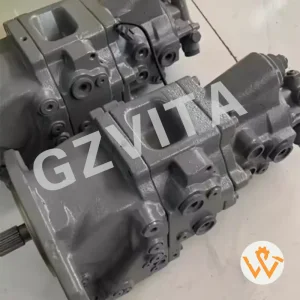
Custom AP2D36 Hydraulic Main Pump ZX70-5A ZX70-5G 70-6 Hitachi Construction Machinery Parts for Excavator Models ZX70 Replacement Parts 4472052 4437197 YD00002516 Manufacturer
 Vita Construction