 Vita Construction
1 / 4
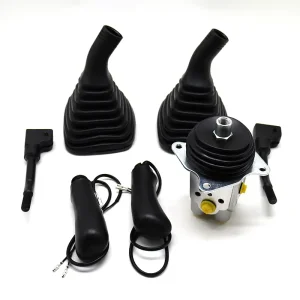
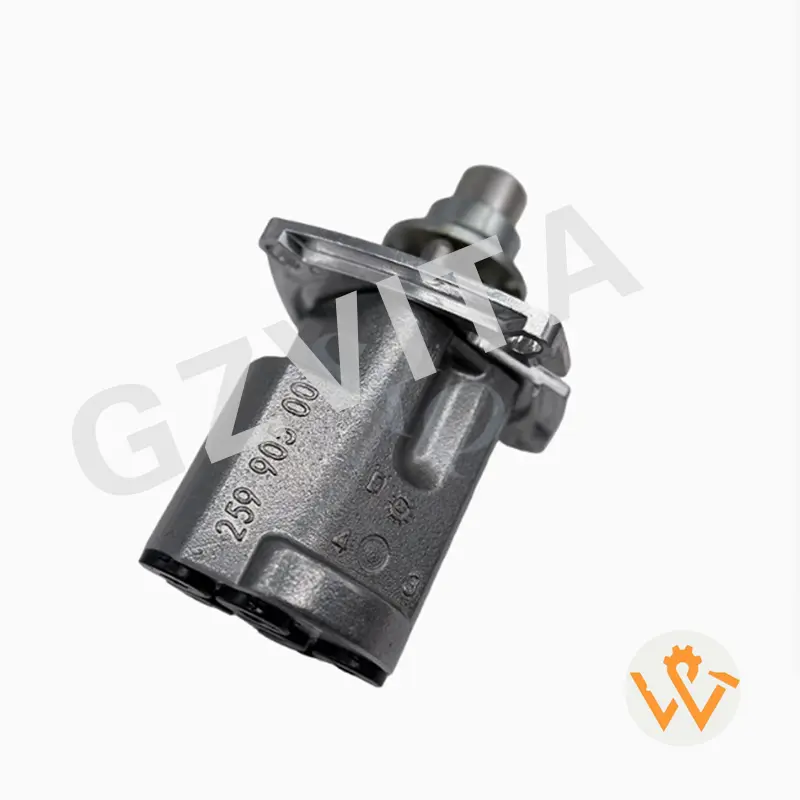
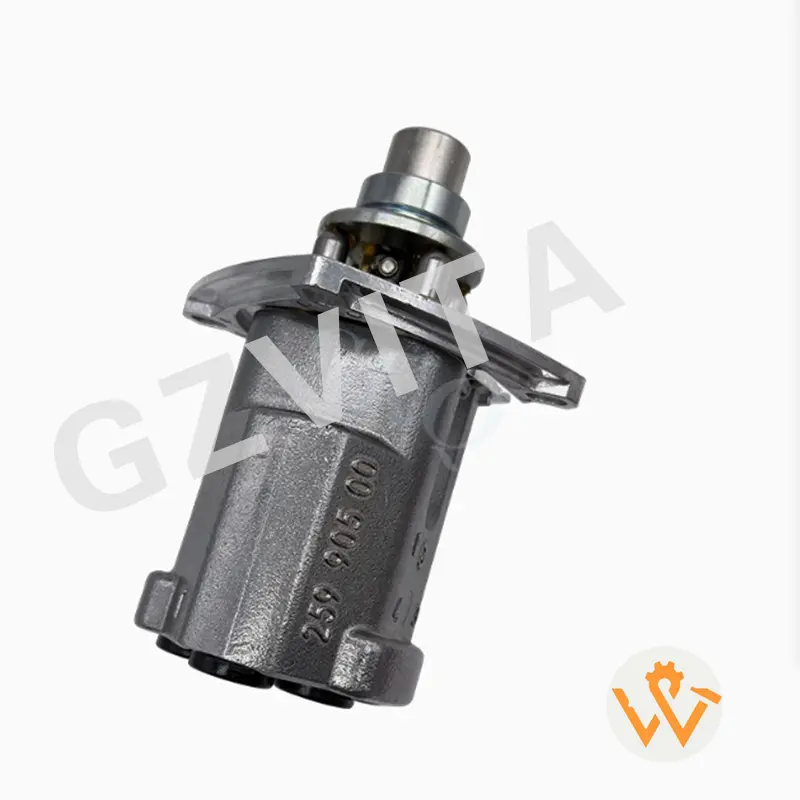
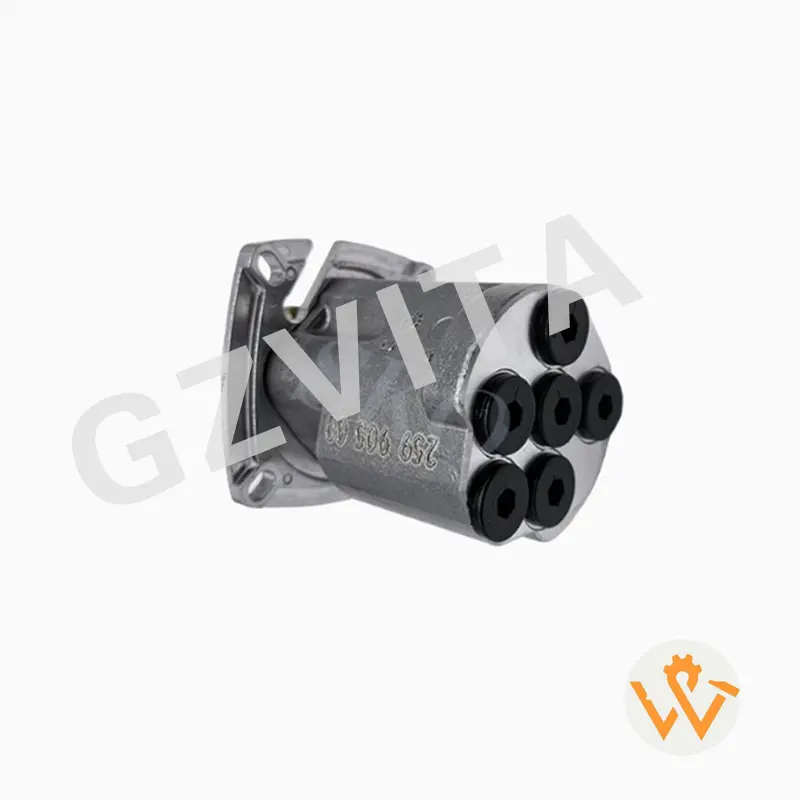
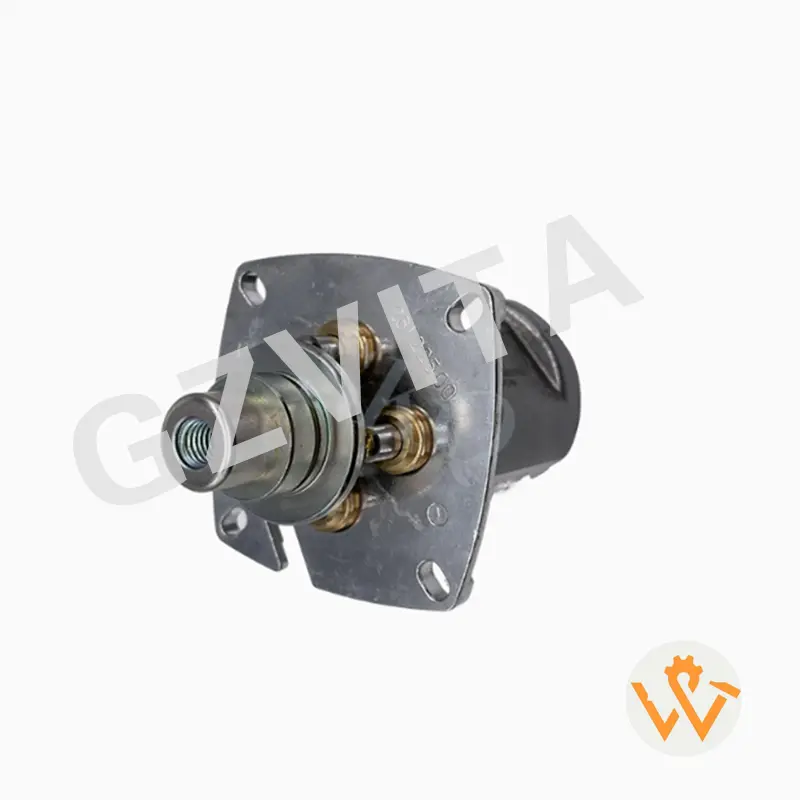
The pilot valve is a crucial component in the hydraulic system of an excavator, playing a significant role in controlling the operation of hydraulic functions such as the boom, arm, bucket, and other attachments. It acts as an intermediary between the operator’s controls and the hydraulic actuators, allowing for precise and efficient movement of the excavator’s various parts. Here’s an overview of the pilot valve and its importance in excavator operations.
A pilot valve is a type of hydraulic valve that uses a small amount of hydraulic fluid to control larger hydraulic circuits. It typically consists of a spool or a poppet that moves in response to the operator’s input, directing hydraulic fluid to the appropriate actuator. Pilot valves can be operated manually or electronically, depending on the design of the excavator’s hydraulic system.
The pilot valve allows for precise control of hydraulic functions, enabling operators to make fine adjustments to the movement of the excavator’s components. This precision is essential for tasks that require careful maneuvering, such as grading or digging.
By controlling the flow of hydraulic fluid to various actuators, the pilot valve helps optimize the performance of the hydraulic system. This efficiency can lead to reduced fuel consumption and improved overall productivity.
Many pilot valves are designed with safety features that prevent accidental operation of hydraulic functions. This can include mechanisms that require deliberate input from the operator, reducing the risk of unintended movements that could lead to accidents.
Pilot valves are often integrated with the excavator’s electronic control systems, allowing for advanced functionalities such as proportional control and automatic adjustments based on load conditions. This integration enhances the overall performance and responsiveness of the excavator.
High-quality pilot valves are built to withstand the harsh conditions of construction sites, including exposure to dirt, dust, and moisture. Their durability is essential for maintaining consistent performance and minimizing downtime due to maintenance or repairs.
Pilot valves can be used in various hydraulic applications, making them suitable for different types of excavators and attachments. This versatility allows operators to customize their machines for specific tasks and improve overall efficiency.
Many modern pilot valves come equipped with diagnostic capabilities that allow operators to monitor their performance and detect potential issues early. This proactive approach to maintenance can help prevent costly repairs and extend the lifespan of the hydraulic system.
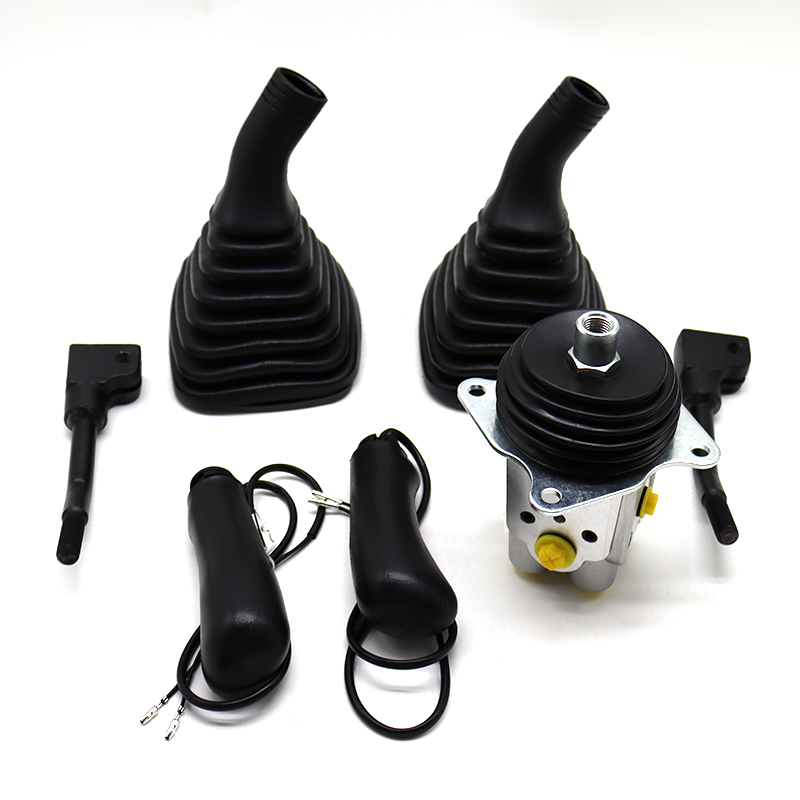
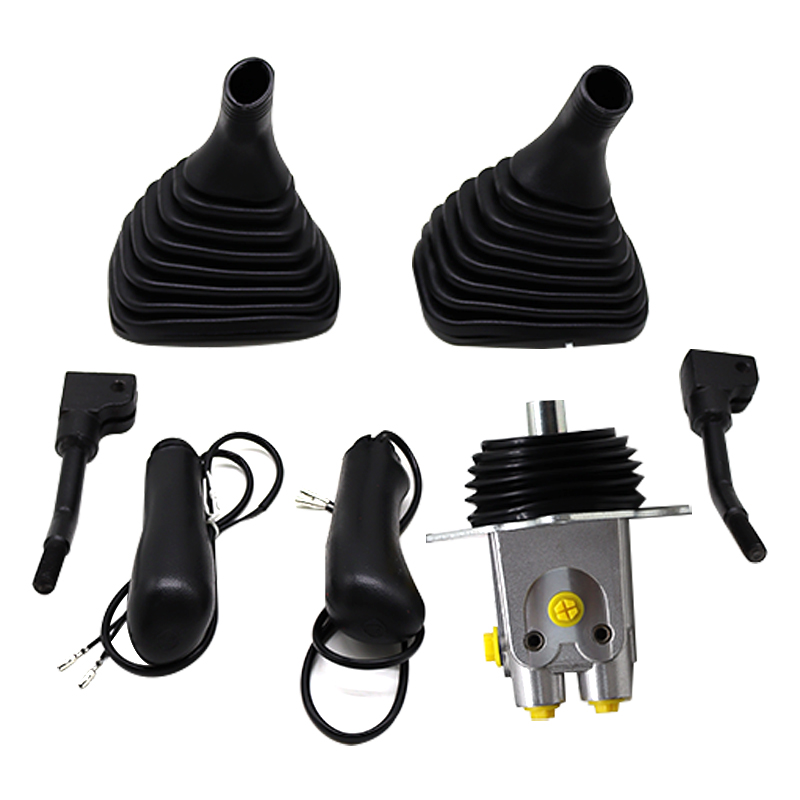
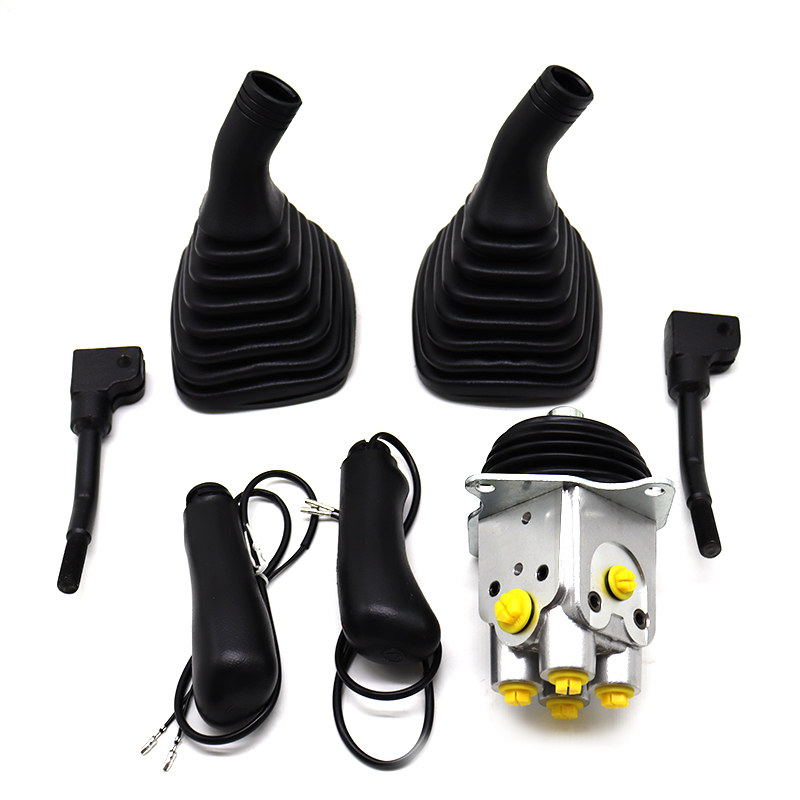
The pilot valve acts as an intermediary link between the operator's control levers and the main hydraulic actuators, regulating the flow and direction of fluid to control movements like the boom, bucket, and arm.
By accurately metering a small volume of hydraulic oil to actuate larger control spools, it ensures exact system responsiveness, which optimizes power usage and reduces fuel consumption.
Yes. Many pilot valves integrate safety shut-off systems or lockouts that restrict oil movement unless deliberate manual control is detected, decreasing the risk of accidental operations.
Absolutely. Modern pilot valves are designed for integration with onboard electronic controls, allowing features like load sensing, variable adjustments, and proportional electronic controls.
They often include pressure testing ports and sensors that allow diagnostics tools to monitor valve performance, helping operators identify issues early to minimize downtime.