 Vita Construction
1 / 2
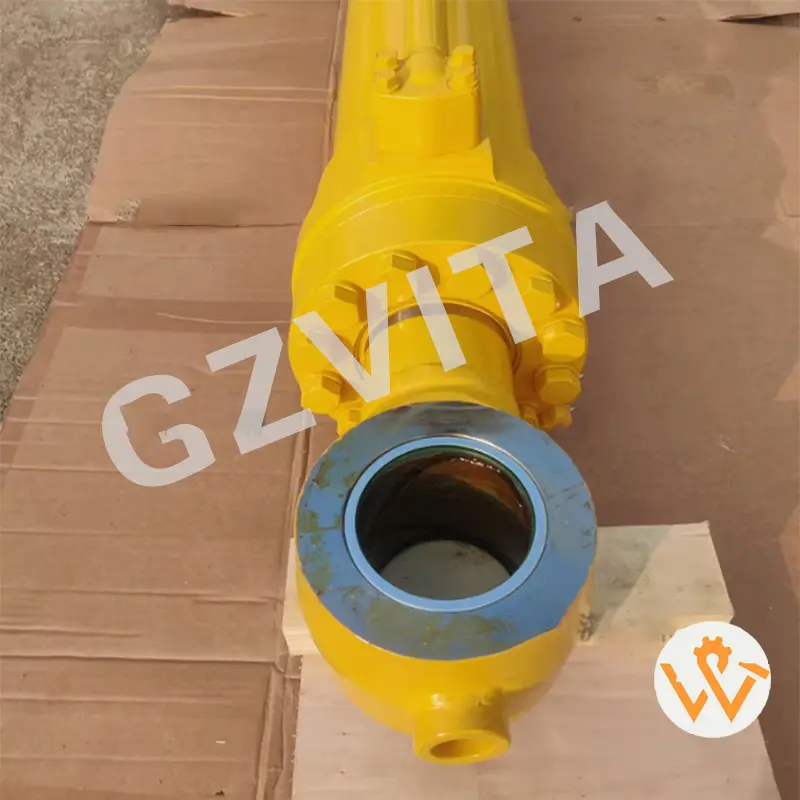
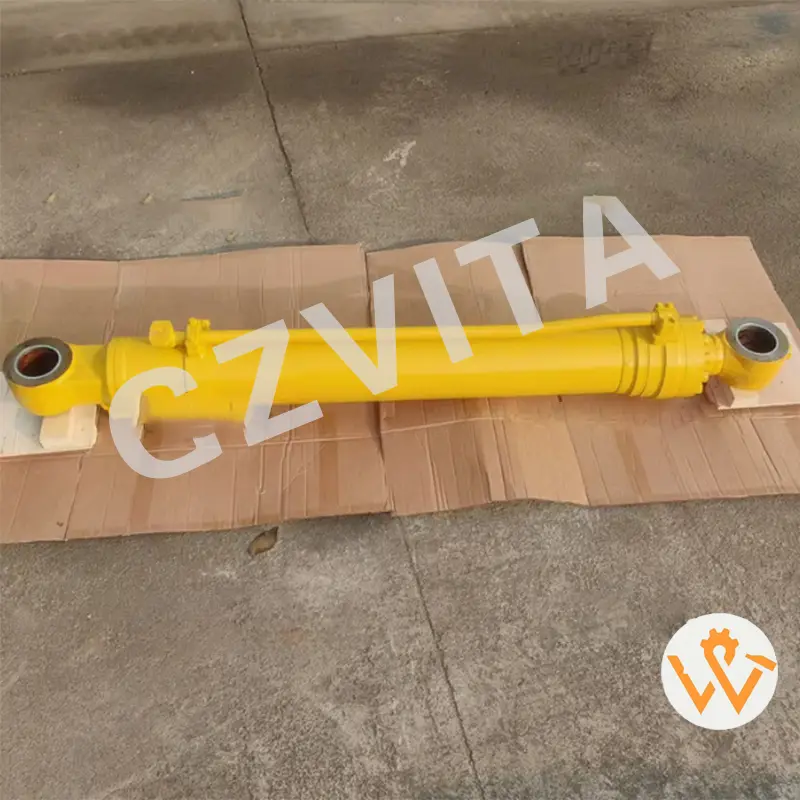
The excavator bucket cylinder is a critical component of the hydraulic system that enables the movement and operation of the excavator’s bucket. Its importance can be highlighted through several key functions and contributions to the overall performance of the excavator:
The primary role of the bucket cylinder is to provide the hydraulic force necessary to lift, lower, and tilt the bucket. This allows the excavator to perform essential tasks such as digging, scooping, and dumping materials.
The bucket cylinder allows for precise control of the bucket’s movements. Operators can make fine adjustments to the angle and position of the bucket, which is crucial for tasks that require accuracy, such as grading or trenching.
The bucket cylinder is designed to handle significant loads, enabling the excavator to lift and move heavy materials such as soil, gravel, and debris. Its strength and durability are essential for efficient operation in demanding environments.
The bucket cylinder is part of the hydraulic system, which is known for its efficiency in transferring power. This allows the excavator to perform heavy lifting with relatively low energy consumption, making it an effective choice for construction and excavation tasks.
Bucket cylinders are built to withstand harsh working conditions, including exposure to dirt, moisture, and extreme temperatures. Their robust construction ensures long service life and reliable performance, reducing the need for frequent repairs or replacements.
Proper functioning of the bucket cylinder is crucial for the safety of the operator and those working nearby. Malfunctions or leaks can lead to loss of control over the bucket, potentially causing accidents. Regular maintenance and inspection of the cylinder are essential to ensure safe operation.
The bucket cylinder contributes to the versatility of the excavator, allowing it to perform a wide range of tasks beyond just digging. With the right attachments, the excavator can be used for lifting, grading, and even demolition, making it a valuable asset on any job site.
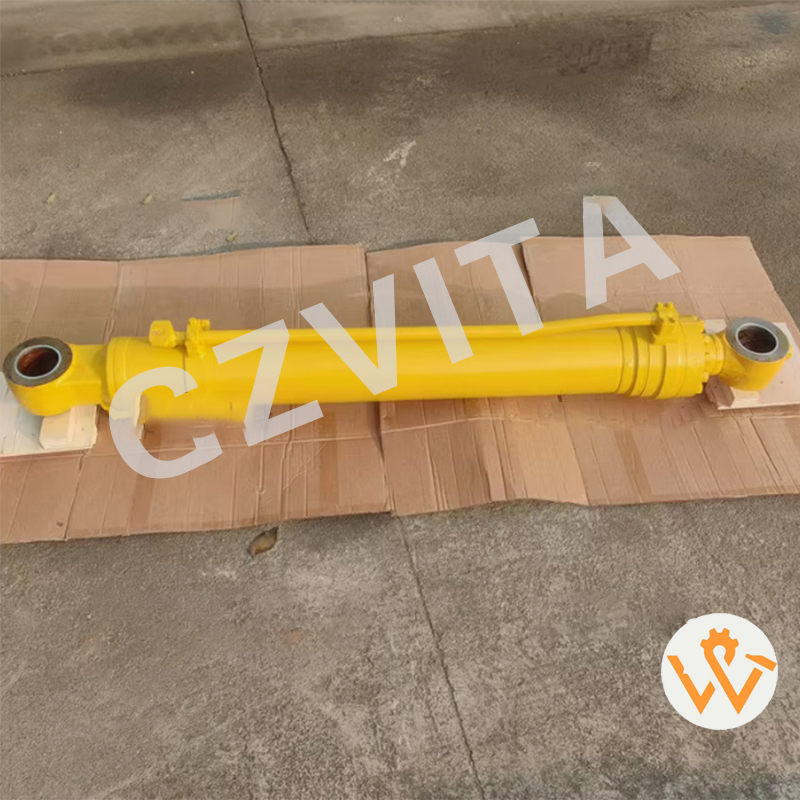
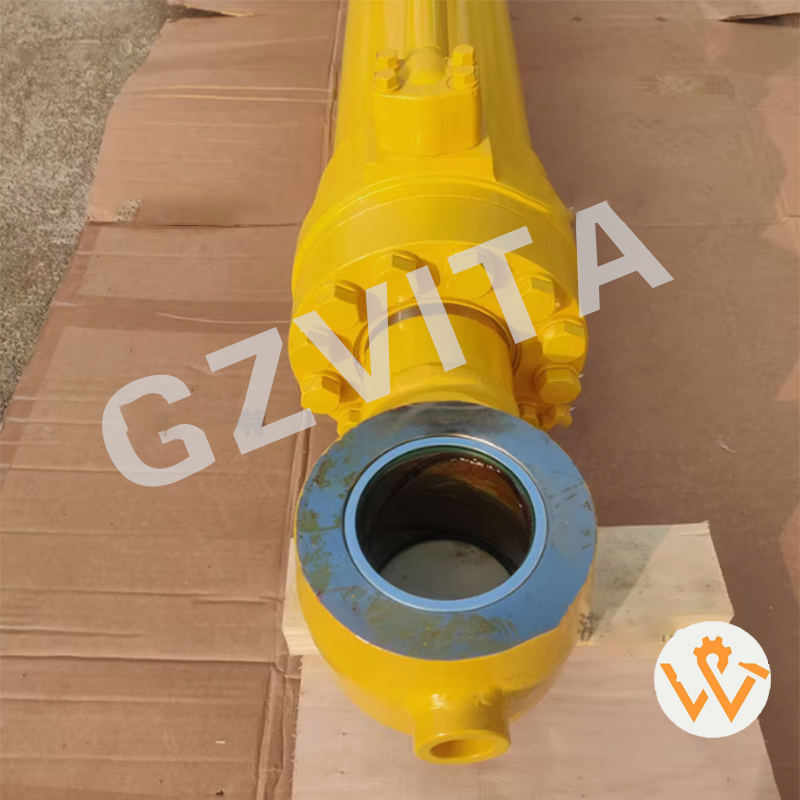
Common symptoms include hydraulic oil leaks around the seals, reduced lifting power, slow response to controls, drift (unwanted movement) of the bucket when holding a load, and visible damage like scoring or bending on the cylinder rod.
Visual inspections for leaks and rod damage should be performed daily before starting operations. A comprehensive maintenance check, including seal inspection and grease point lubrication, should align with the excavator's scheduled service intervals, typically every 250 to 500 operating hours.
The rod is most commonly damaged by physical impacts from debris, dust or dirt bypassing worn wipers, hydraulic fluid contamination, or operating the excavator beyond its rated lifting capacity, which causes bending or structural fatigue.
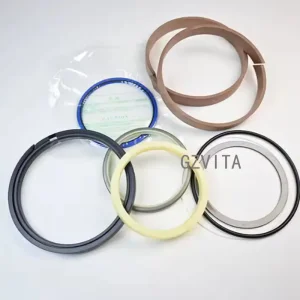
It depends on the severity of the damage. Minor leaks can often be resolved by replacing the seal kits. However, if the barrel is deeply scored, the piston rod is bent, or the cylinder body is cracked, a complete replacement is required to ensure safe operation.
Always reference your excavator's specific model, serial number, and the OEM part number (such as 707-01-XU941). Ensure that the replacement cylinder matches the original specifications regarding bore size, stroke length, pin diameter, and maximum operating pressure.