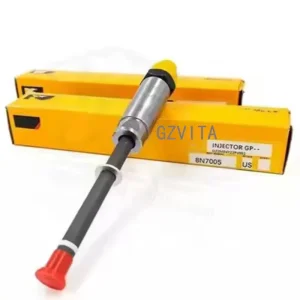
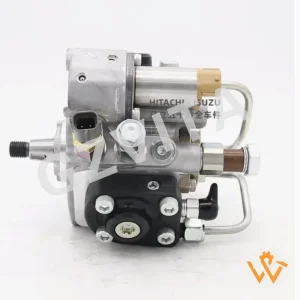
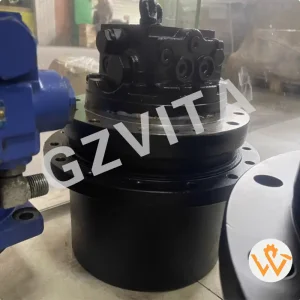
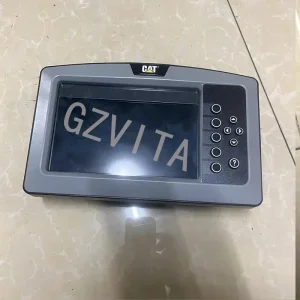
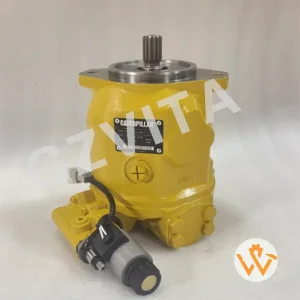
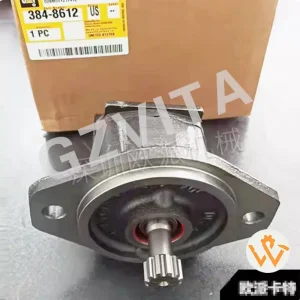
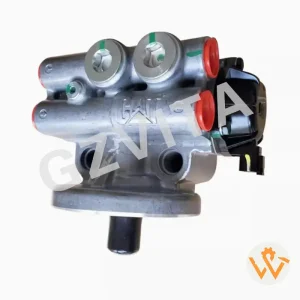
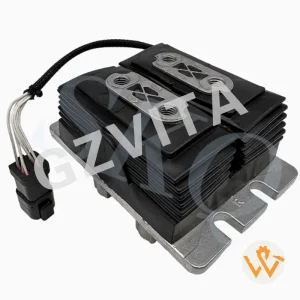
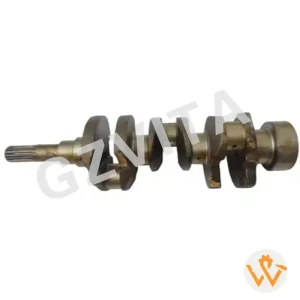
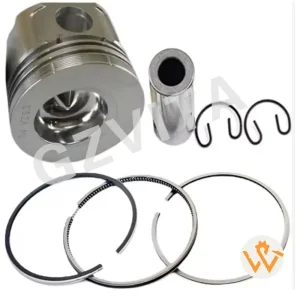
High-precision replacement components and hydraulic auxiliary mechanisms to ensure optimum functionality of your excavation units.
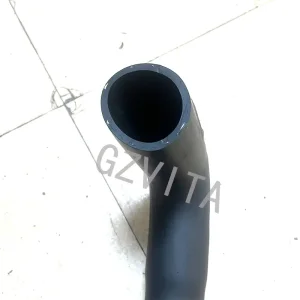
Exploring mechanical evolution, application fields, and how swivel design transforms material processing efficiency.
In modern heavy civil engineering, infrastructure development, and mining operation management, site conditions demand high spatial versatility and precise operation. The swivel bucket excavator, also known technically as a tilting or tilt-rotator integrated bucket system, has transitioned from a specialized niche utility attachment to an indispensable component of heavy machinery fleets. Historically, typical excavation movements were limited strictly to longitudinal paths, requiring operators to continuously reposition the crawler chassis, which increased fuel consumption, accelerated track wear, and significantly degraded operational safety margins.
The innovation of a continuous or high-angle dual-cylinder swivel system allows the excavator bucket to tilt up to 45 degrees in both lateral directions, and in advanced systems, to rotate 360 degrees. This provides operators with unmatched versatility, enabling complex grading, trenching around underground utility lines, dynamic slope forming, and cleaning without requiring constant positioning shifts of the primary excavator unit. Consequently, search queries and global B2B procurement trends have registered a structural shift towards sourcing high-durability swivel bucket designs from qualified industrial factories equipped to provide certified stress tolerance and long hydraulic valve wear life.
How hydraulic engineering and high-tensile material sciences are transforming next-generation earthmoving tools.
Integration of intelligent sensors within the swivel cylinders to transmit real-time tilt angle telemetry directly to the cabin's monitor and external grade-control interfaces.
Shifting from standard Q345B carbon steels to premium high-strength abrasion-resistant alloys such as Hardox 450, NM450, and NM500, vastly extending structural longevity under extreme shear strain.
Implementation of next-generation rotary manifolds and high-pressure polyurethane seals designed to withstand continuous 320-bar hydraulic pulsations without fluid deterioration.
The industrial landscape is moving rapidly toward automation-ready systems. Leading B2B buyers look for products that natively interface with 2D and 3D GPS Grade Control software (such as Trimble or Topcon). In this environment, a swivel bucket is not just a steel box with cylinders; it is an active mechanical component that requires precision alignment. Any deviation or structural tolerance error from the manufacturer will lead to cumulative grading mistakes, forcing rework and negating the initial productivity benefits.
Decisive factors used by procurement directors and global heavy-machinery fleet managers when choosing suppliers.
Procuring heavy-machinery attachments at scale involves much more than comparing initial unit pricing. The ultimate metric of success in commercial heavy industrial work is the Total Cost of Ownership (TCO). B2B decision-makers, municipal buyers, and international equipment rental companies evaluate suppliers through a multi-layered matrix of compliance and structural performance capabilities:
How state-of-the-art Chinese manufacturing facilities leverage technology, scale, and geographic advantages to serve global infrastructure.
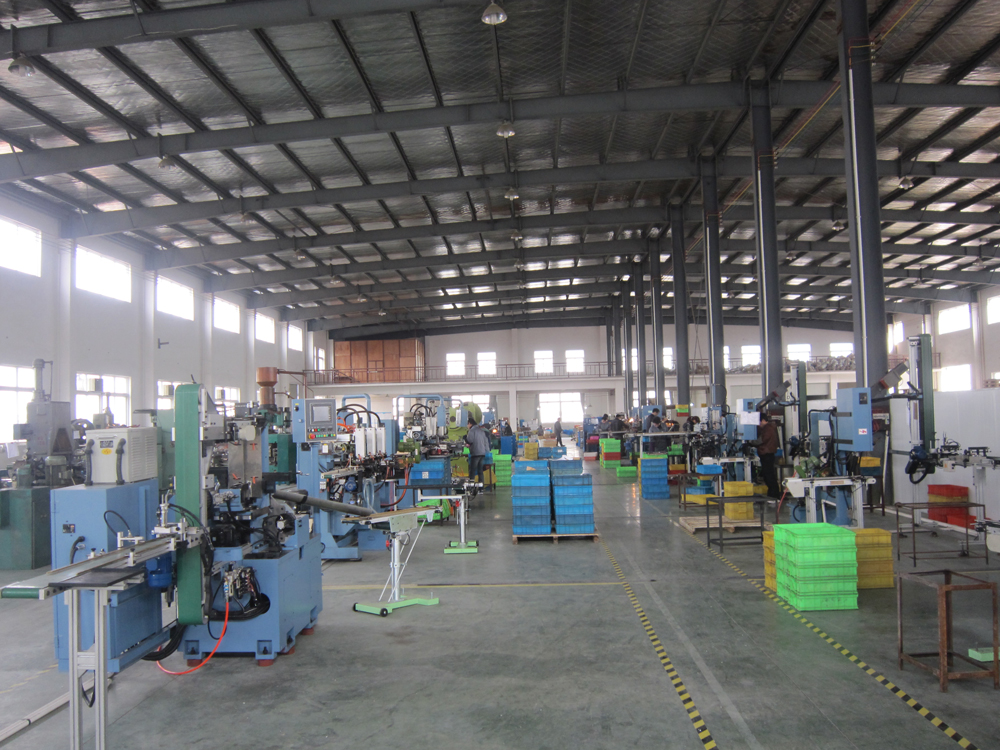
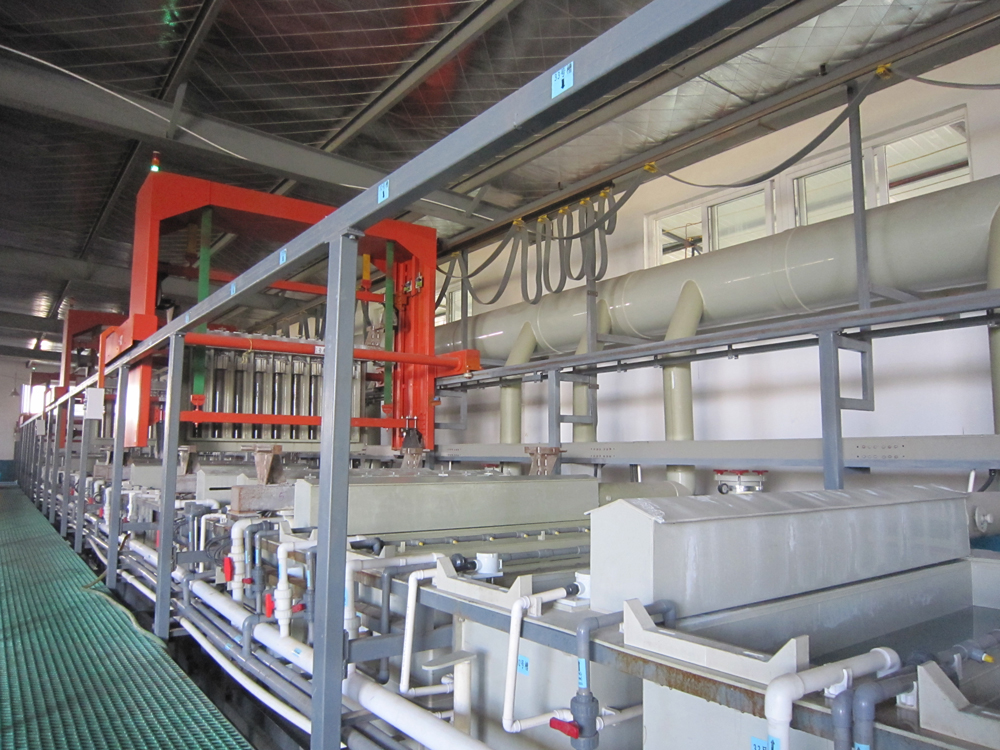
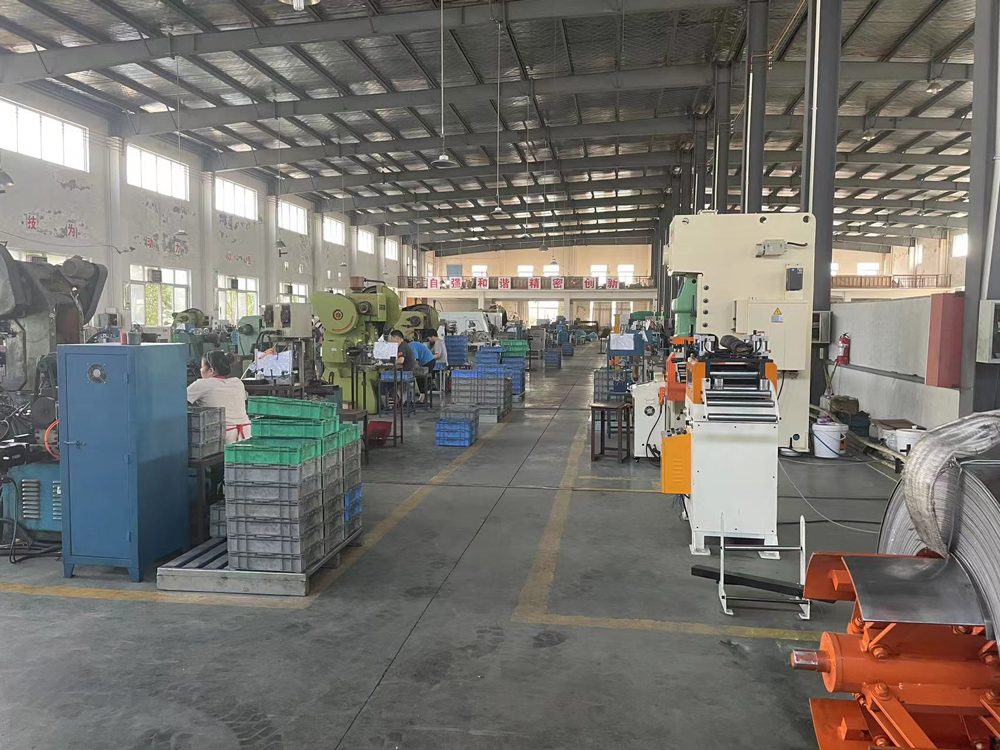
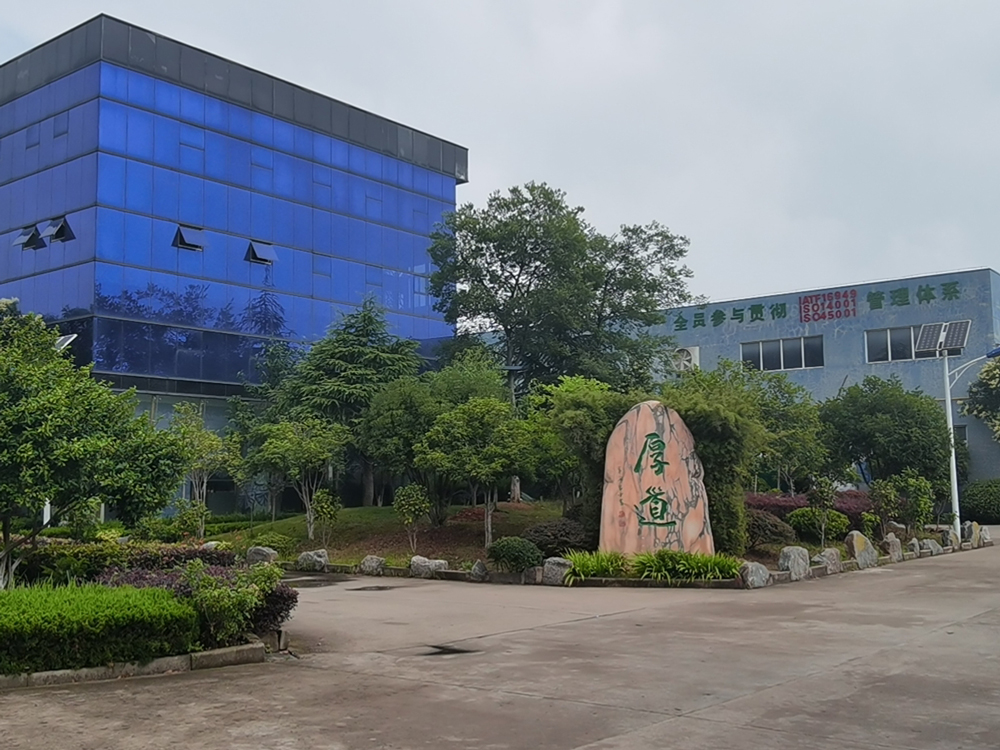
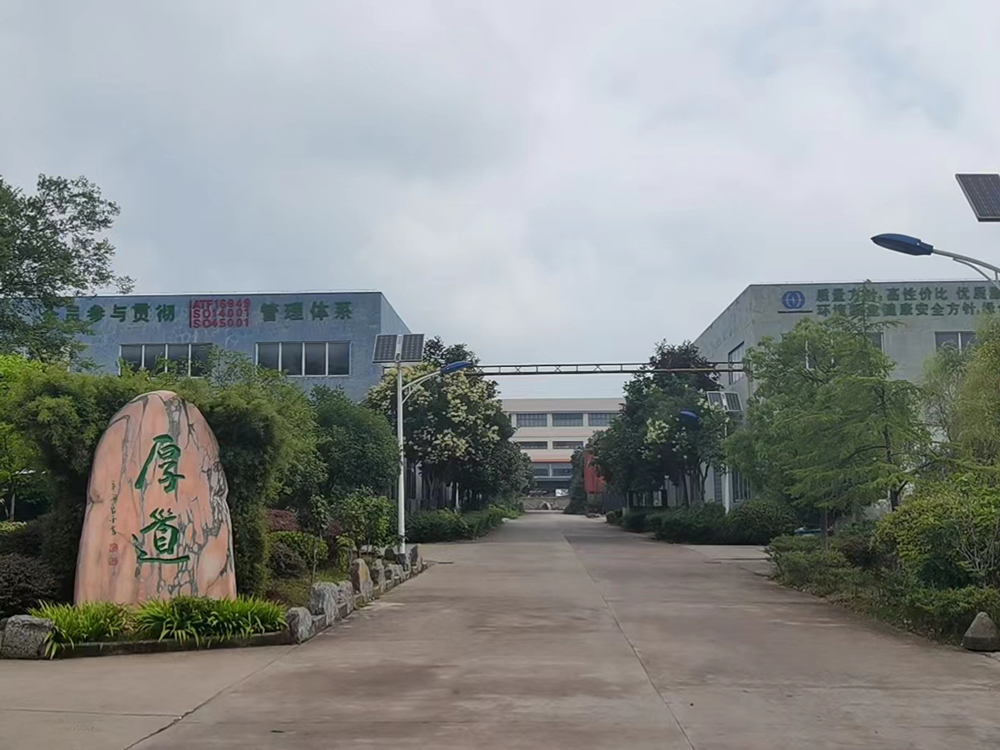
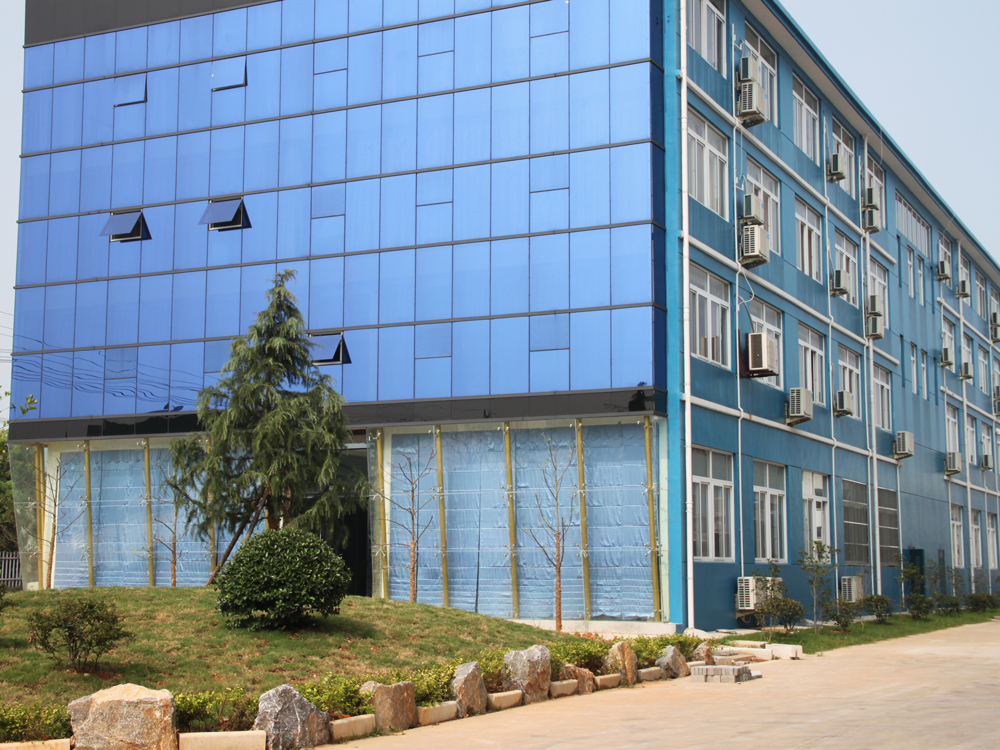
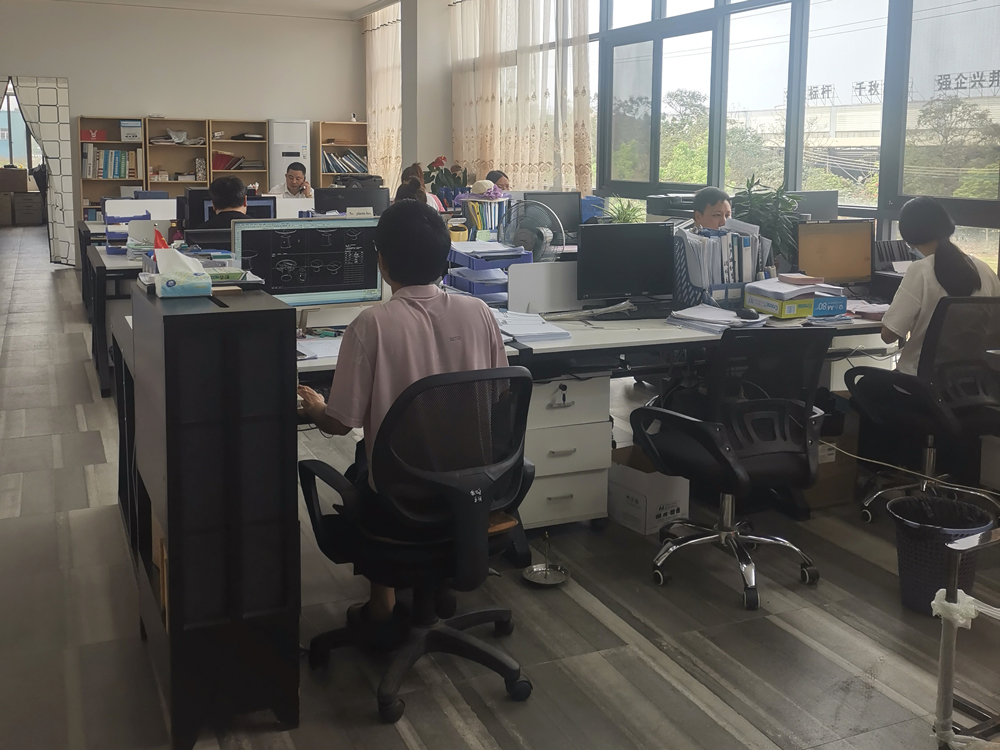
As a leading example of modern Chinese industrial strength, Guangzhou Vita Construction Machinery Co., Ltd. demonstrates the combination of factory-based manufacturing and comprehensive foreign trade support. Operating out of our expansive production base in Xiangyang City, Hubei Province, the company boasts a modern workshop spanning over 18,000 square meters. Our production facility is equipped with automated robotic welding lines, CNC plasma profile cutting machines, and high-capacity boring mills, operated by 278 skilled workers and supervised by 8 experienced engineers. This infrastructure guarantees fast, precise delivery of high-tolerance mechanical assemblies.
Chinese Factory 4.0 paradigms are built around integrated supply chains. Unlike traditional workshops, our manufacturing processes integrate sourcing of certified alloy sheets, heat treatment, hydraulic cylinder machining, and assembly under one quality management system. This vertical integration buffers our supply chains against international raw material market fluctuations, keeping lead times stable even when components like hydraulic seals or high-pressure valves face global shortages.
From dense municipal zones to alpine highway construction, discover how the swivel bucket solves real-world construction challenges.
The versatility of a swivel bucket excavator translates to significant operational savings across diverse, challenging environments around the world:
1. Alpine and Mountainous Slope Grading: In regions like Switzerland, western Canada, or southwest China, highway expansion projects require precise grading on steep inclines. Standard excavators struggle with positioning because track stability is compromised. A swivel bucket allows the operator to maintain a stable, level machine position while tilting the bucket to match the precise angle of the cut-and-fill slope, improving safety and productivity.
2. High-Density Urban Utility Trenching: In cities like London or Tokyo, space constraints prevent excavators from swinging their upper structures freely. Operating next to walls, active traffic lanes, and buried utilities is challenging. An excavator with a swivel attachment can excavate alongside foundations and around gas, water, or telecom lines by rotating the bucket, eliminating manual labor and reducing utility strikes.
3. Landscaping and Environmental Remediation: During river bank restoration or natural park construction, maintaining natural contours is critical. A swivel bucket allows operators to shape complex curves, build swales, and place riprap with minimal disruption to surrounding soil structures.
Our operational philosophy, product diversity, and dedication to global technical services.
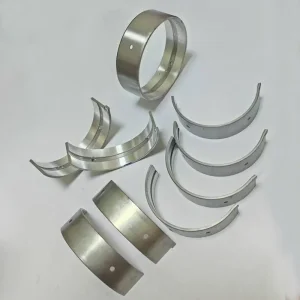
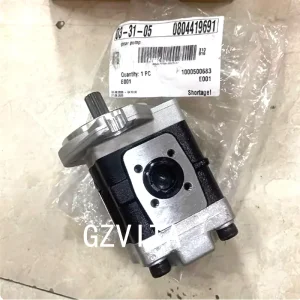
We specialize in the development, manufacturing, and distribution of a wide range of construction machinery components. In addition to our durable excavator buckets, we supply high-quality engine assemblies, hydraulic piston pumps, travel reduction gearboxes, electric generator sets, precision engine bearings (Main and Connecting Rod bearing series), crankshafts, engine valves, gear pumps, cylinders, and advanced filtration units. Our products are engineered as direct replacements for leading machinery brands, including Komatsu, Volvo, Sumitomo, Caterpillar, Kubota, Hitachi, John Deere, Kobelco, Hyundai, Kato, Sany, XCMG, and SUNWARD.
We understand that equipment downtime is costly. Our components undergo strict quality control to guarantee durability, keeping your machines running smoothly under demanding site conditions.
We provide comprehensive technical support alongside our engine assemblies and hydraulic components, helping customers resolve complex mechanical and assembly issues on site.
Our dedicated service technicians are available for overseas deployment to assist clients with complex engine repairs and hydraulic calibration.
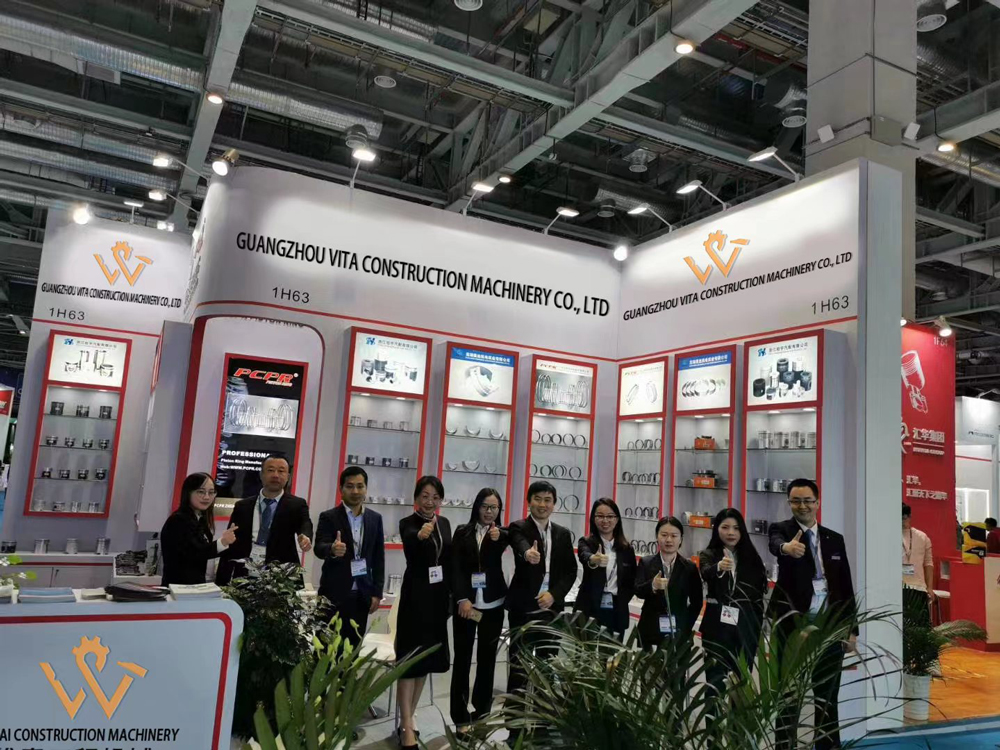
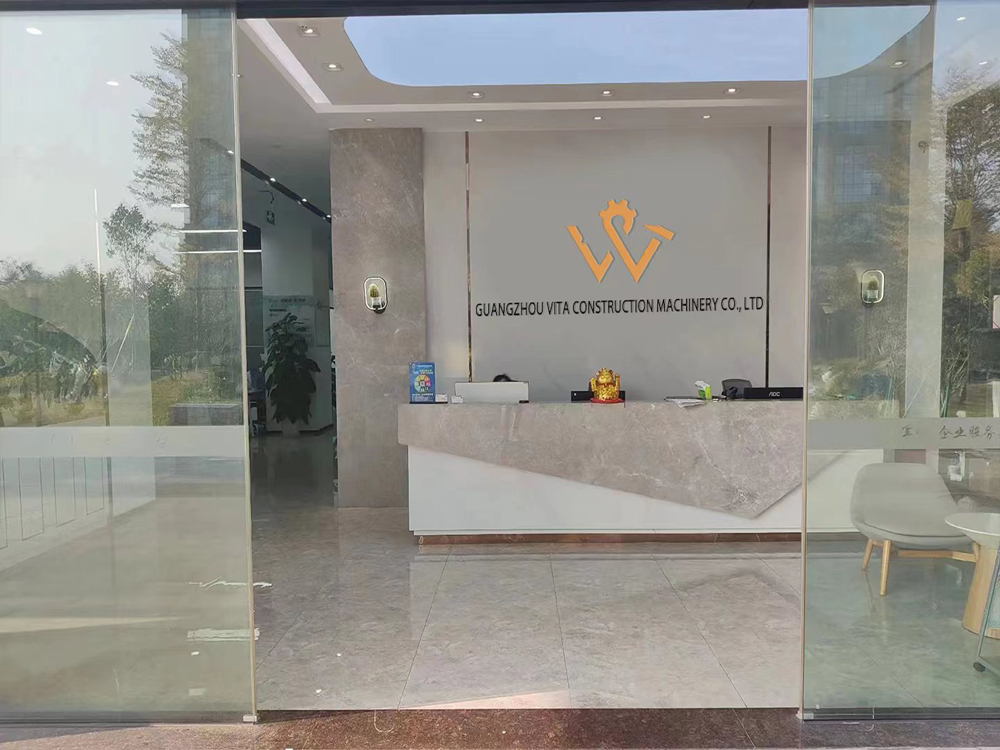
A look inside our manufacturing facility in Xiangyang Hubei, featuring advanced machining and assembly infrastructure.
Technical answers to critical procurement, operational, and maintenance questions from industry professionals.
Integrating a swivel mechanism or tiltrotator increases the distance between the boom-end pin and the bucket edge (the tip radius). This increase reduces the net bucket breakout force by approximately 10% to 15% due to leverage. To offset this reduction, high-quality manufacturers use compact, low-profile designs to keep the coupler height as short as possible and utilize high-pressure hydraulic cylinders to maintain digging power.
For heavy-duty operations (e.g., continuous grading in abrasive sands or mud), seals and rotation joints should be inspected every 250 operating hours. Greasing the main articulation pins and hydraulic cylinder rod ends should be performed daily or every 8 to 10 operating hours. Using high-pressure grease with a minimum of 3% molybdenum disulfide ensures proper lubrication under high loads.
Yes. Our engineering department specializes in customizing top-bracket geometries to fit specific quick-coupling standards. Whether your fleet uses S-standard (e.g., S45, S60, S70), Lehnhoff, Verachtert, or fully automatic hydraulic systems like OilQuick or Steelwrist, we can manufacture the adapter plate to align with standard pin-on configurations or quick-coupler systems.
We use premium abrasion-resistant steel alloys in high-wear areas. The main blade is made of Hardox 450/500 equivalent alloys, while the side cutters and bottom wear plates use thick, high-tensile structural steel. This combination resists impact shocks when working in rock, shale, and demolition debris, preventing deformation of the bucket body.
All hydraulic cylinders are built to metric specifications using standard industrial seals (such as Hallite or Parker). This ensures that replacement seal kits, bearings, and bushings can be sourced locally in most international markets. We also supply complete replacement cylinders, manifold blocks, and solenoid valves directly from our factory inventory for fast global delivery.
Standard bucket orders are typically dispatched within 15 to 25 days. For custom engineering designs requiring specific quick-coupler plates or custom width dimensions, the lead time ranges from 30 to 45 days. This timeline includes 3D model validation, structural stress simulation, fabrication, ultrasonic weld inspection, and final quality control checks.
Ensure reliability across your entire fleet with our factory-direct precision-machined replacement parts.
 Vita Construction