Premium OEM-grade replacement parts engineered for extreme-durability heavy machinery systems.
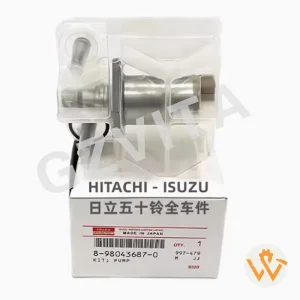
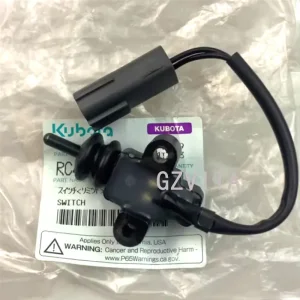
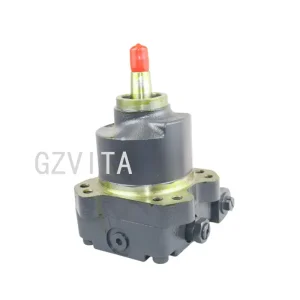
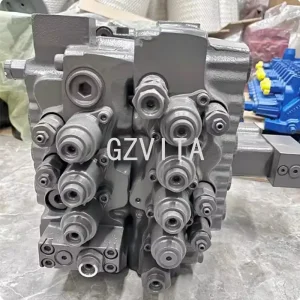
In the vast landscape of reciprocating combustion systems, two-stroke engines hold a highly specialized and vital position. Unlike four-stroke variants, two-stroke setups feature unique intake and exhaust port arrangements cut directly into the cylinder walls. This architecture places exceptional demands on sealing elements. Specifically, two-stroke piston rings must maintain consistent compression and mechanical integrity while crossing over these open ports.
Across the global manufacturing landscape, heavy machinery operators, maritime corporations, and agricultural tool builders require extremely durable piston rings to secure thermal efficiency and minimize blow-by. According to recent mechanical components market analyses, the demand for precision-machined steel and ductile iron piston rings has registered a continuous growth trajectory. Industrialization in emerging economies, combined with a rising demand for reliable power-generation units and compact construction equipment, has placed pressure on the raw material supply chain. As a result, sourcing high-grade metallurgical alloys has become a key competitive indicator for global procurement directors.
In the industrial context, two-stroke engines continue to power small generators, compact excavators, lawn and forestry utility platforms, and auxiliary marine propulsion systems. Consequently, wholesale piston ring buyers are seeking to source from established component suppliers capable of delivering highly customized specifications. These rings must perform under elevated RPM regimes and elevated thermal profiles without succumbing to fatigue or micro-welding along the cylinder liner interface.
The operating environment of a two-stroke piston ring demands advanced material formulation. Traditional grey cast irons are increasingly being phased out in favor of high-strength nodular (ductile) iron and silicon-chromium alloyed steels. Because the piston ring frequently passes over open ports in the cylinder block, the mechanical force must remain stable to prevent ring-snagging, a catastrophic failure mode where the ring springs into the port area and breaks.
To prevent thermal deformation and wear, manufacturers employ sophisticated surface coatings:
| Material Class | Common Surface Coating | Tensile Strength (MPa) | Ideal Application Environment |
|---|---|---|---|
| Ductile Iron (FCD 700+) | PVD (Physical Vapor Deposition) Chrome-Nitride | > 700 MPa | Heavy Excavators, Industrial Air Compressors |
| Silicon-Chromium Steel | Ceramet / Gas Nitrided | > 950 MPa | High RPM Small Engines, Performance Power Units |
| Alloyed Cast Iron | Electroplated Hard Chrome Coating | > 450 MPa | Cost-Effective OEM Replacements, Standard Loaders |
Modern engineering focuses heavily on reducing fuel blow-by and oil contamination. By controlling the cross-sectional shape of the ring—such as using keystone designs or barrel-faced profiles—the contact force against the cylinder wall remains optimal throughout the stroke. High-performance two-stroke rings are designed with micro-structured surfaces that retain microscopic lubricant films, protecting the combustion chamber from premature wear during cold starts and under boundary lubrication states.
For international procurement departments managing supply chains for industrial diesel engines and heavy machinery spare parts, component failure translates directly into costly operational downtime. When sourcing two-stroke piston rings, enterprise-level buyers require consistency in batch tolerances, metallurgical certificate tracking, and agile lead times. In the modern global economy, working with a combined manufacturing and trade partner simplifies logistics and minimizes import-export friction.
Key parameters critical to procurement managers include:
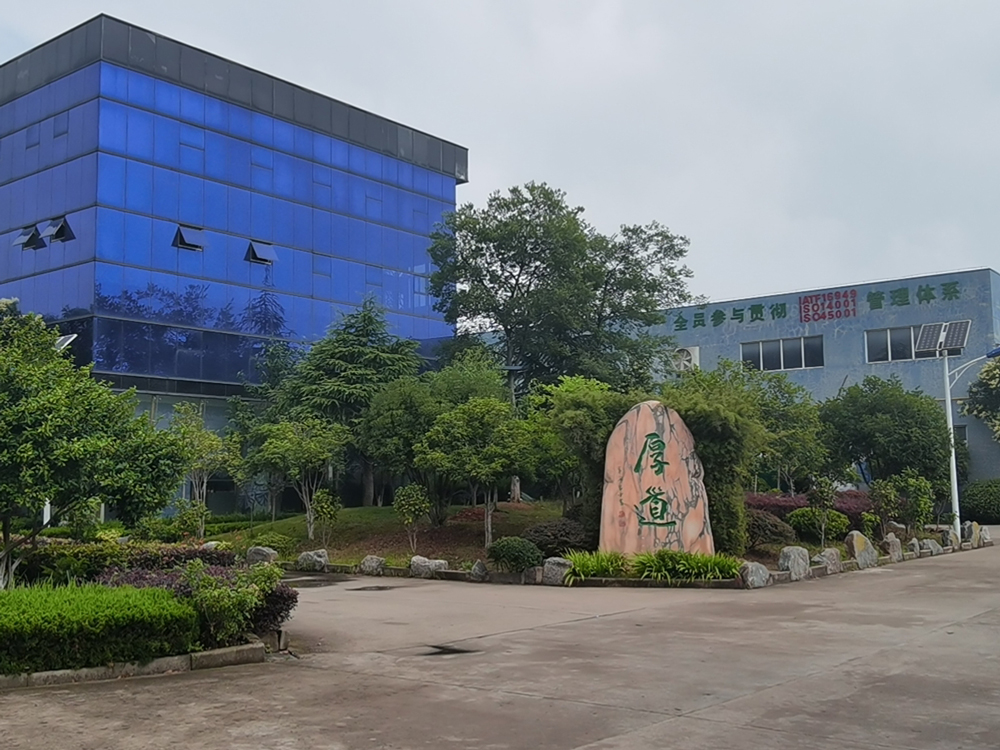
Guangzhou Vita Construction Machinery Co., Ltd. addresses these demanding requirements directly by integrating internal factory production capacity with international trading expertise. Operating out of our modern factory in Hubei Province, we control the production cycle from raw metal processing to finished parts distribution, ensuring consistency across every shipping container.
The machinery landscape is fragmented, and site operations often feature diverse equipment fleets. Operators frequently deploy excavators, loaders, bulldozers, and generators from several manufacturers on a single site. Therefore, maintaining machine uptime requires component suppliers to offer multi-brand compatibility and rapid cross-referencing capabilities.
As a major supplier of replacement and OEM construction parts, our engineering catalog is developed to support major international equipment lines, including:
Precision-engineered engine parts, main bearings, and sealing rings compatible with leading brands like Komatsu, Caterpillar, Volvo, Sany, Kobelco, and Hitachi.
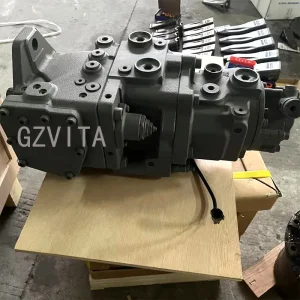
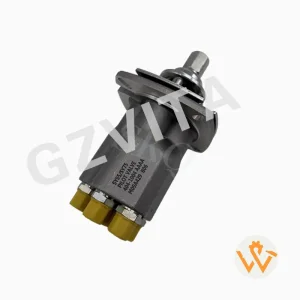
Specialized hydraulic pump units, pilot locks, and micro-switches suitable for mini-excavator configurations from Kubota, Yanmar, and Sunward.
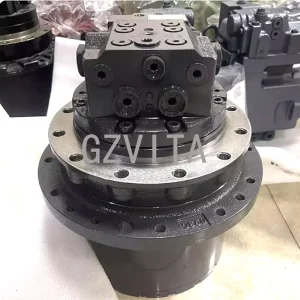
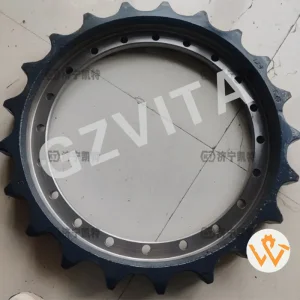
Heavy powertrain final drives, sprocket tracks, and hydraulic control valve distribution setups designed for rugged duty cycles on XCMG and Komatsu Loaders.
By offering consolidated procurement solutions, we reduce administrative burdens for our clients. Instead of managing multiple transactional relationships, purchasing agents can secure their engine components, seal kits, and hydraulic elements from a single, reliable supplier.
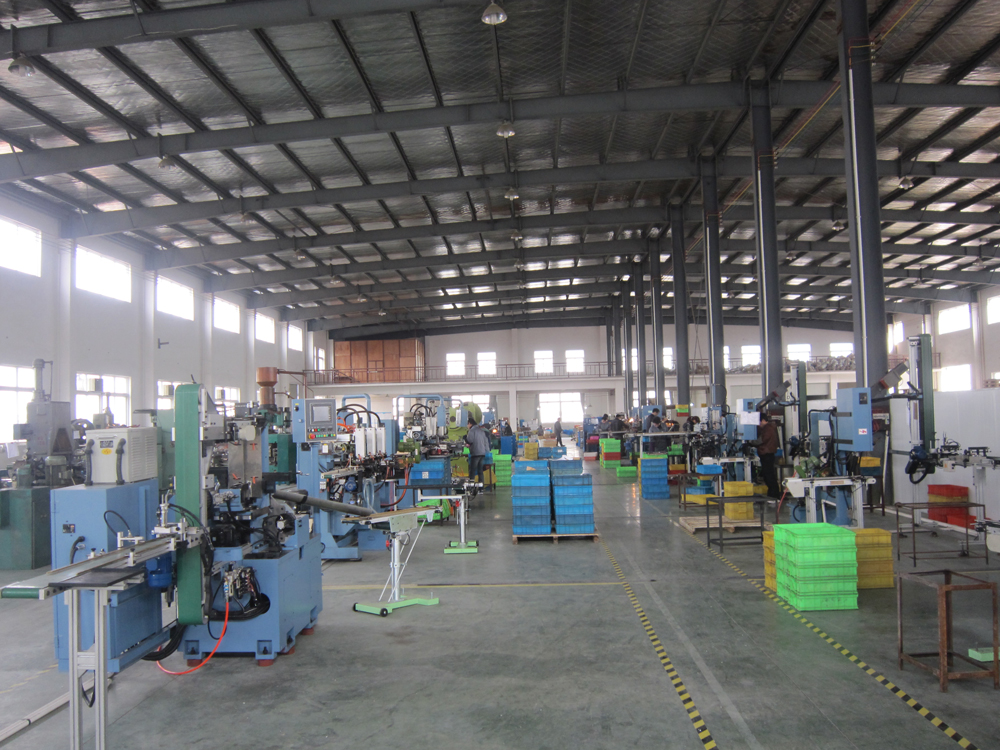
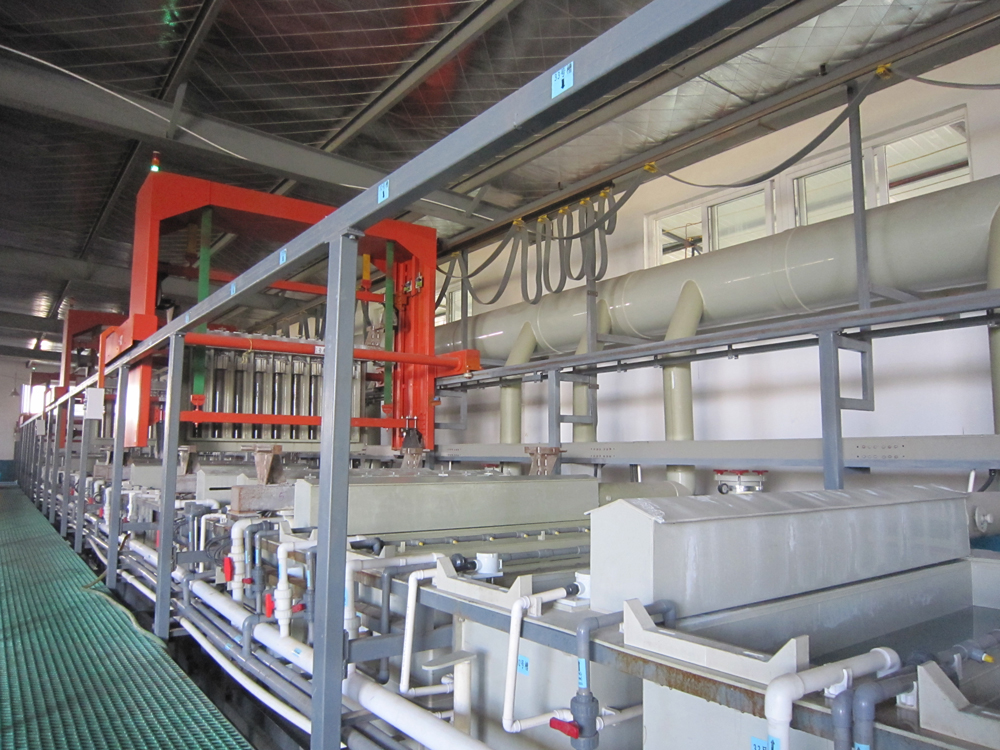
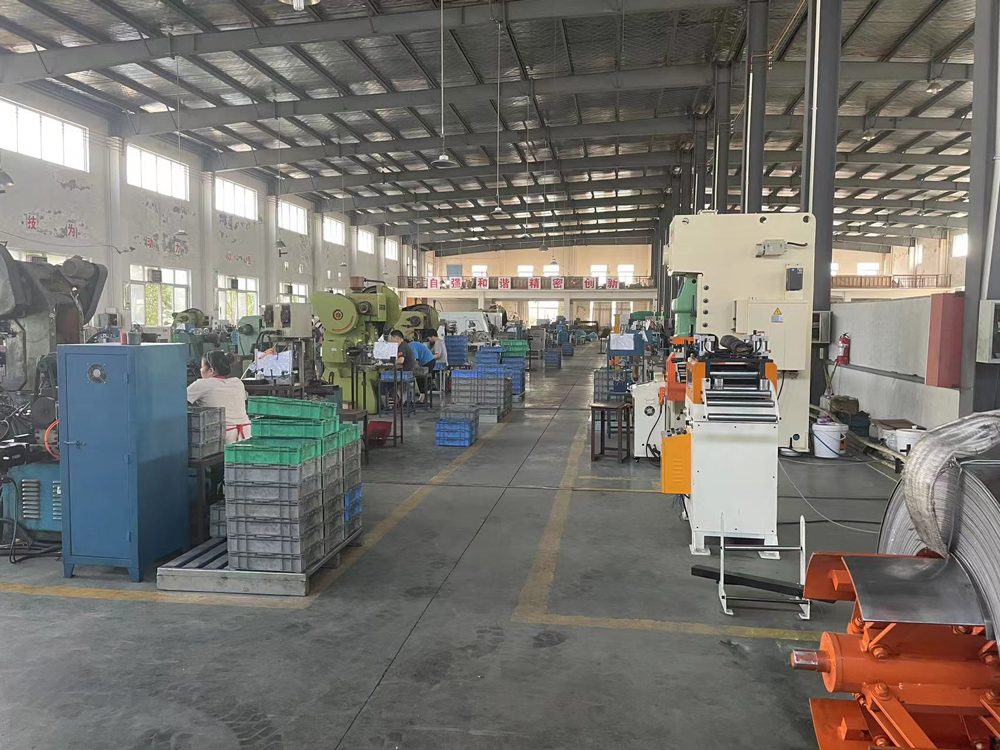
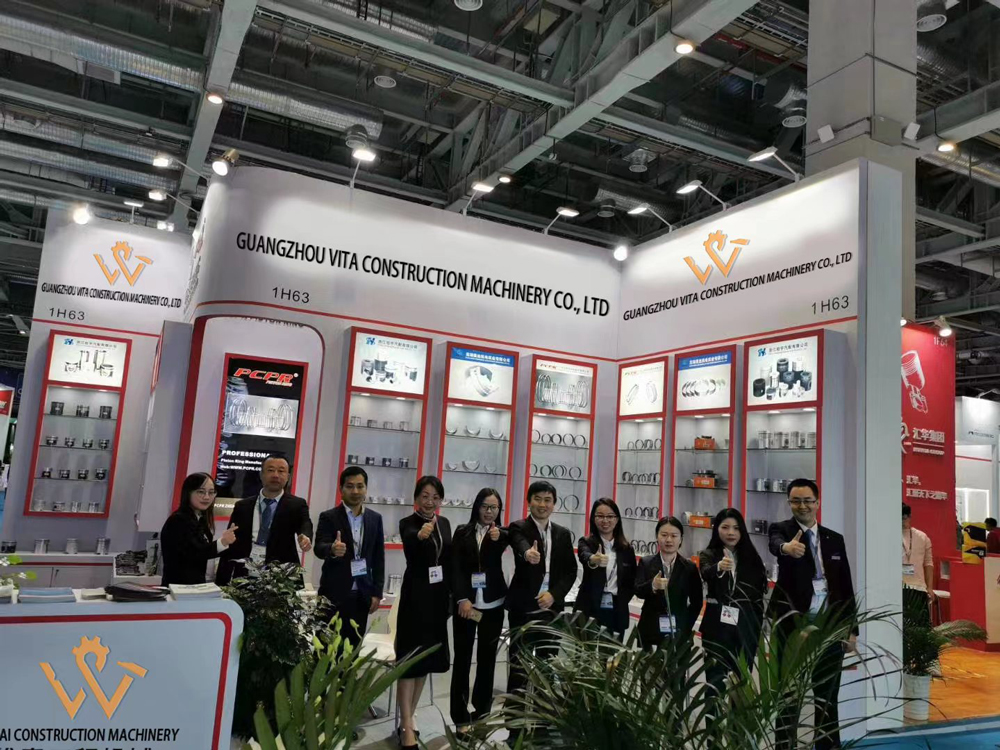
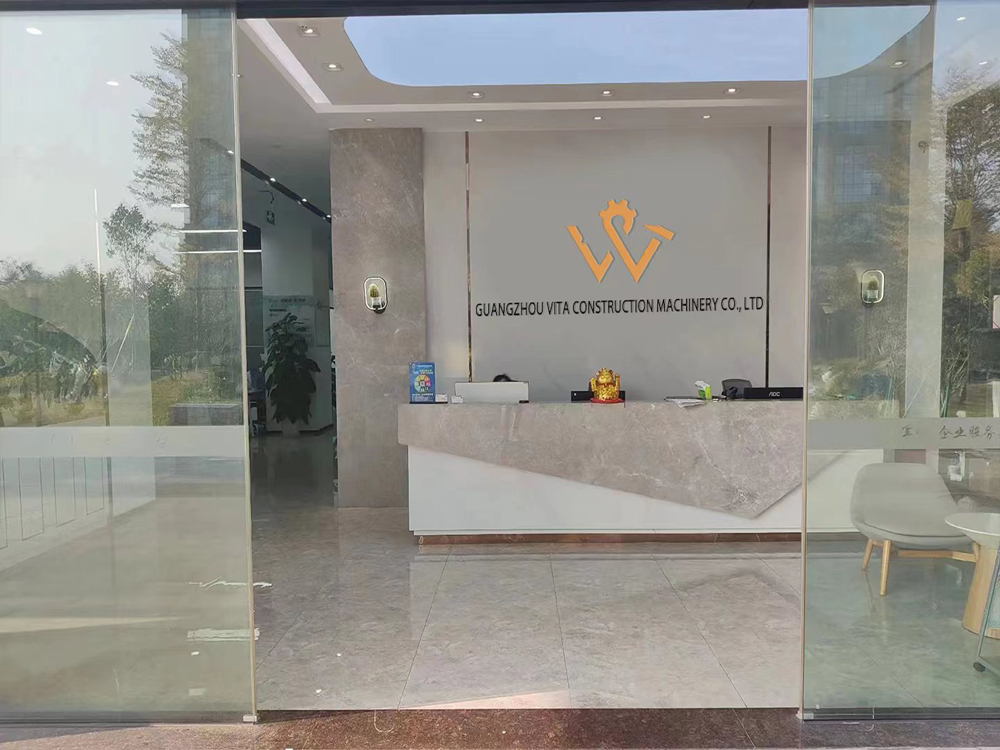
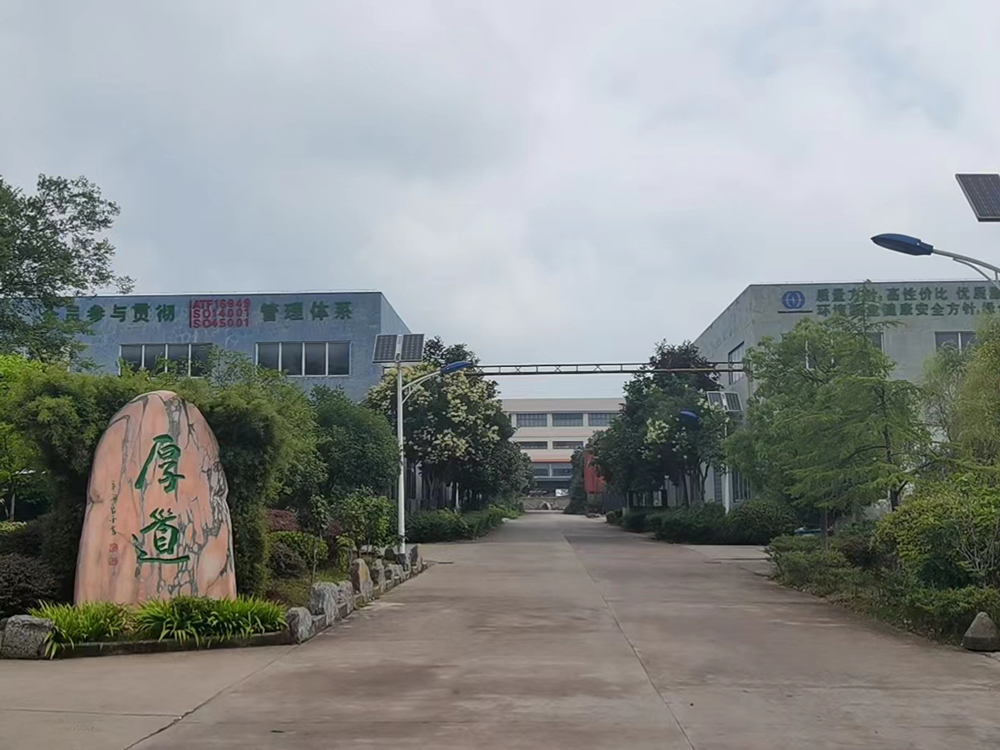
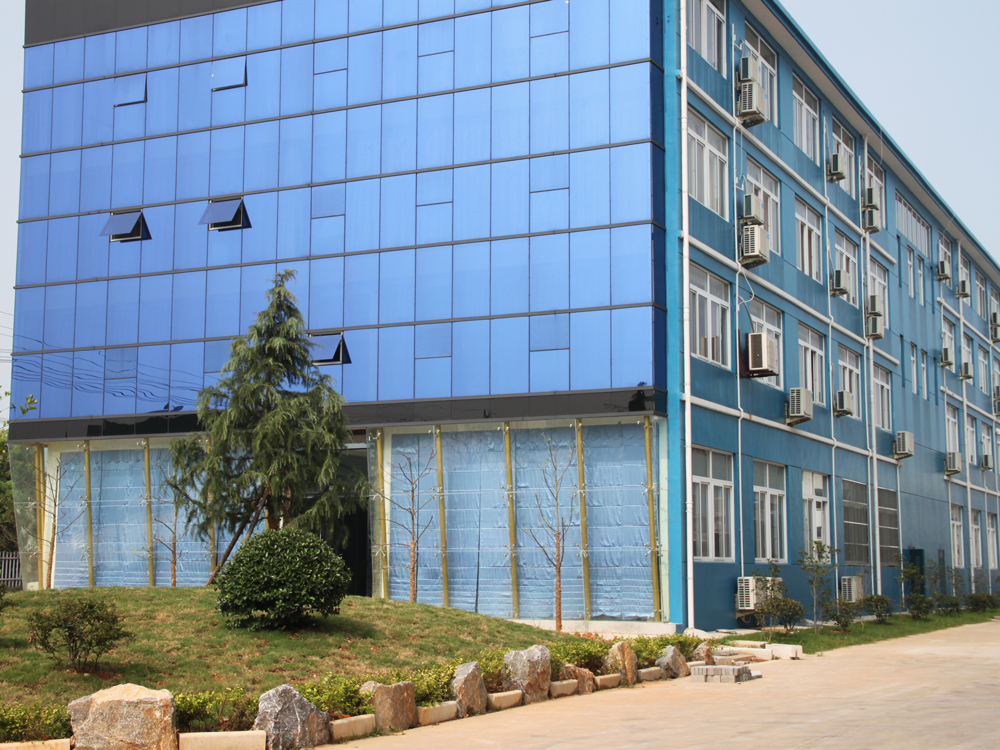
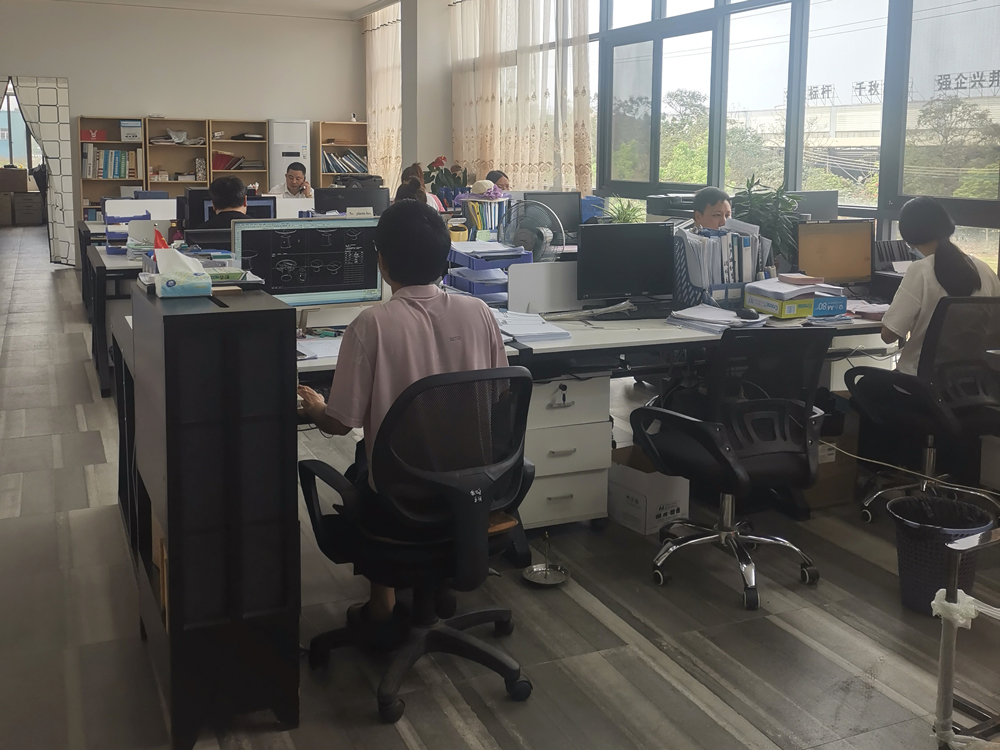
Guangzhou Vita Construction Machinery Co., Ltd. stands as a leading industrial player that combines manufacturing operations with global trading services. Our primary factory footprint is located in Xiangyang City, Hubei Province, featuring a modern production workshop spanning over 18,000 square meters. Equipped with advanced automated tooling and precision quality-testing machinery, the facility is managed by a team of 278 well-trained technicians alongside 8 experienced engineering specialists who supervise our product quality assurance protocols.
Operating globally means navigating diverse regulatory environments. Piston rings and heavy machinery components must adhere to emissions restrictions and safety protocols established by regulatory bodies in North America, Europe, and Asia. Two-stroke engines face tight emissions standards due to their historical association with oil-burning exhaust profiles.
To ensure regulatory compliance, our manufacturing processes include the following steps:
Our support system assists distributors with localized translation materials, physical engineering drawings, and custom branding choices for wholesale clients seeking regional market differentiation.
Expert answers addressing the design, procurement, and maintenance of industrial engine rings.
Explore our extensive range of high-performance replacement pumps, components, and service assemblies.
 Vita Construction