 Vita Construction


1 / 4
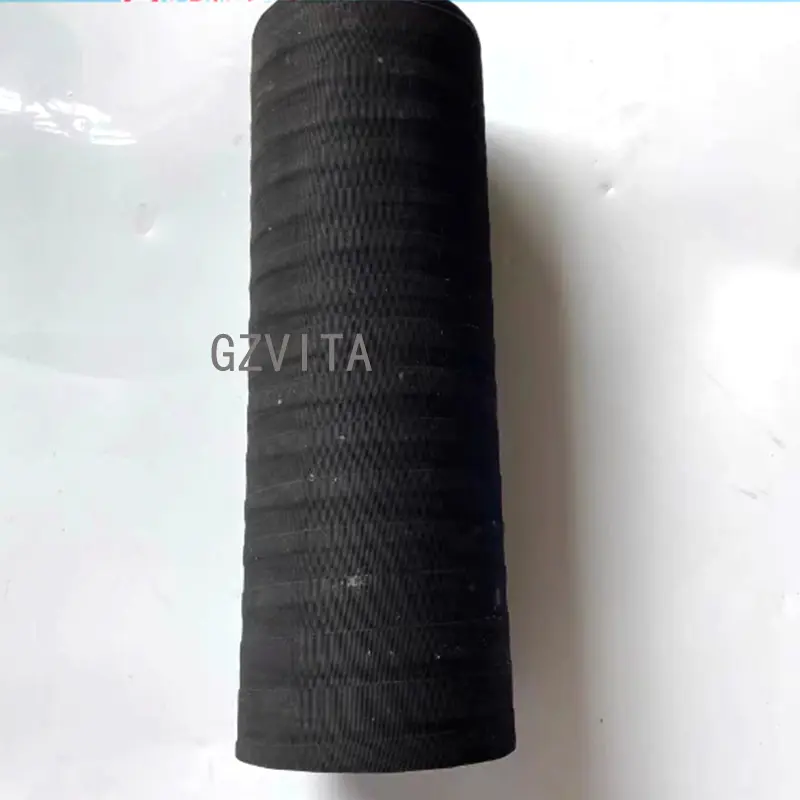
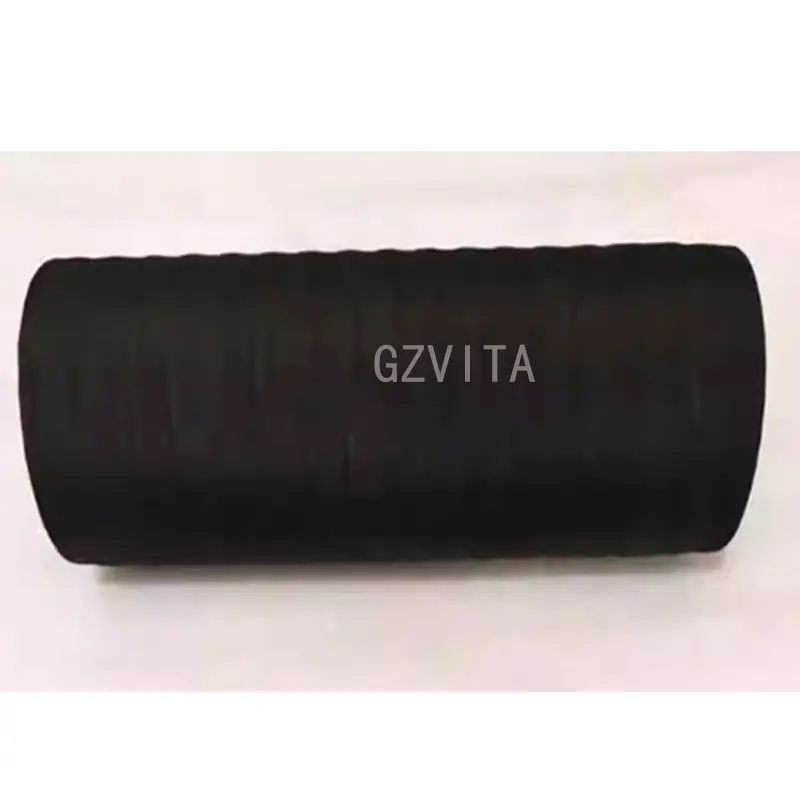
The rubber hose connected to a hydraulic pump (hydraulic pump) plays a crucial role in the overall hydraulic system of an excavator or any hydraulic machinery. Here are the primary functions of the rubber hose in this context:
Conveying Hydraulic Fluid: The primary function of the rubber hose is to transport hydraulic fluid (oil) from the hydraulic pump to various components of the hydraulic system, such as cylinders, motors, and valves. This fluid transfer is essential for the operation of hydraulic machinery.
Withstanding High Pressure: Hydraulic systems operate under high pressure, and the rubber hose is designed to withstand these pressures without bursting or leaking. The hose must be rated for the specific pressure levels of the hydraulic system to ensure safe operation.
Allowing Movement: The rubber hose provides flexibility, allowing for movement and vibration of the hydraulic components without causing damage. This flexibility is particularly important in excavators, which have moving parts and can operate in various positions.
Reducing Vibration: The rubber material helps absorb vibrations generated by the hydraulic pump and other components, reducing the transmission of these vibrations throughout the hydraulic system. This can help prolong the life of the hoses and other components.
Preventing Leaks: The rubber hose is designed to create a tight seal at the connections to prevent hydraulic fluid leaks. Proper sealing is critical for maintaining system pressure and efficiency.
Handling Temperature Variations: Hydraulic systems can generate heat during operation. The rubber hose is designed to withstand temperature variations and maintain its integrity under high-temperature conditions.
Compatibility with Hydraulic Fluids: The rubber used in hydraulic hoses is often formulated to be resistant to the chemicals found in hydraulic fluids, ensuring that the hose does not degrade or break down over time.
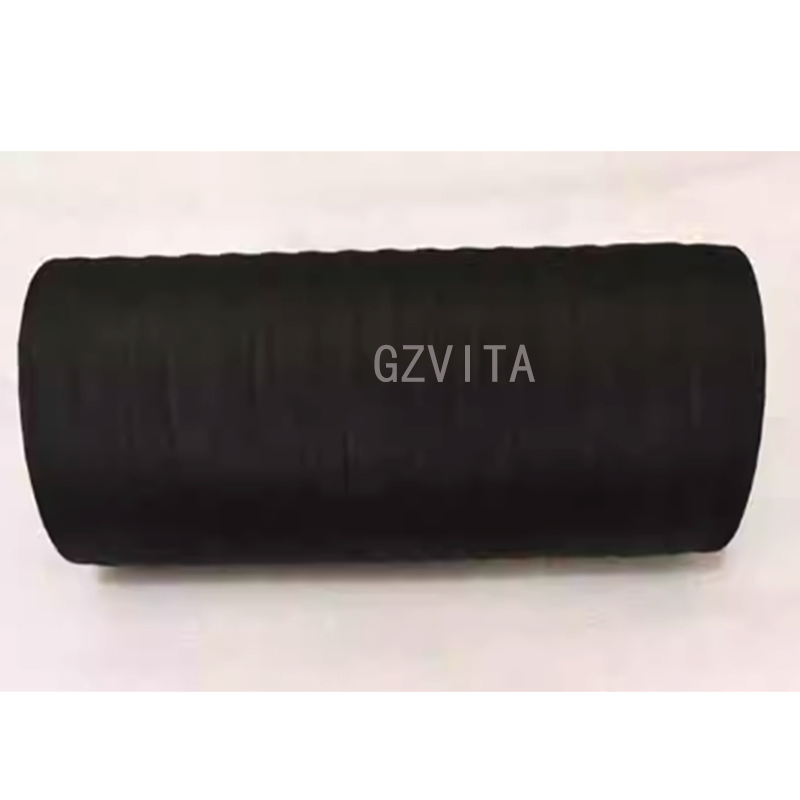
Rubber Hose 07260-08732 For Komatsu Excavator PC160 PC400 BR300S-1B
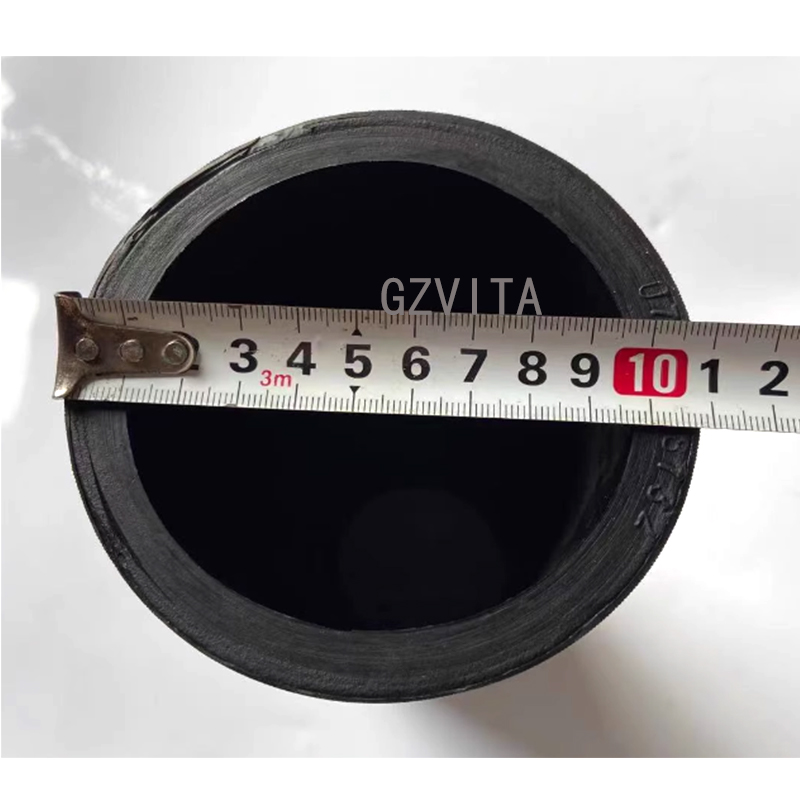
Rubber Hose 07260-08732 For Komatsu Excavator PC160 PC400 BR300S-1B (01)
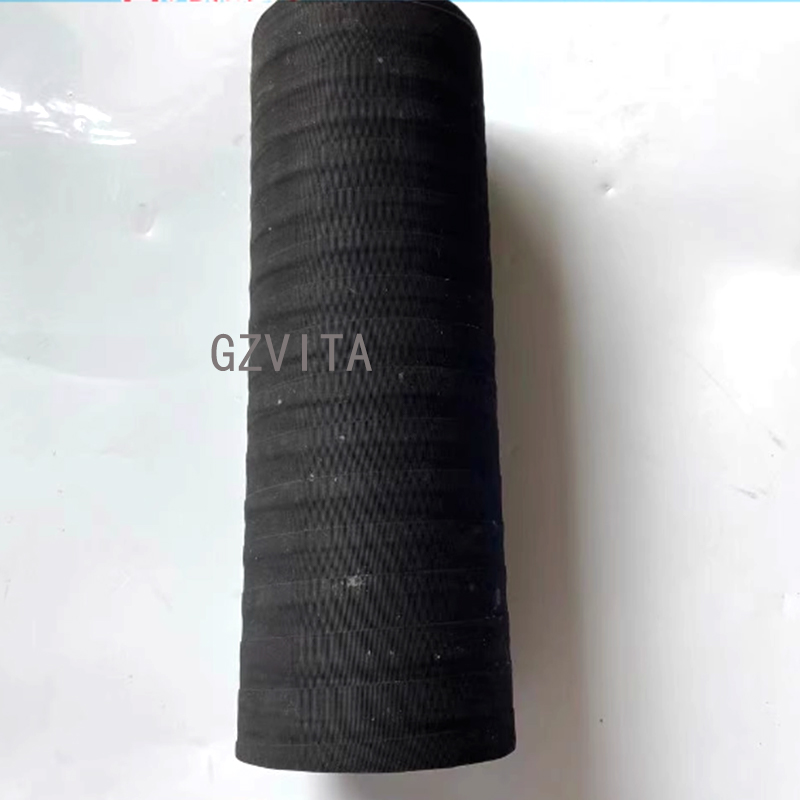
Rubber Hose 07260-08732 For Komatsu Excavator PC160 PC400 BR300S-1B (02)
The primary function of the rubber hose is to reliably transfer and convey hydraulic fluid (oil) from the hydraulic pump to key machinery components like motors, cylinders, and control valves.
Hydraulic rubber hoses are engineered and rated to withstand the specific high-pressure demands of hydraulic systems. Their durable construction prevents issues like bursting or leakage during heavy-duty operations.
Excavator components are constantly moving. The flexibility of the rubber hose permits smooth joint articulation and movement of dynamic parts without causing physical damage to the line connection.
Yes. The natural elastomeric properties of the rubber absorb and dampen vibrations produced by the hydraulic pump. This minimizes wear on other system components, thereby prolonging the overall equipment lifespan.
Absolutely. The hoses are specifically formulated to withstand chemical degradation from hydraulic fluids and are designed to handle significant temperature fluctuations without breaking down.